Review · AMSTERDAM TOURS
Amsterdam: Architektur Er-fahren
Amsterdam’s buildings tell the city’s story. This German-language bicycle tour links historic canal houses and warehouses with modern projects near the IJ, showing how water, limited land, and population growth shape the city. I like the clear focus on architecture, and I like that the tour adds history and practical tips for the rest of your stay.
The small group, limited to 10 people, should make it easier to hear the guide and ask questions. The main drawback is simple: bike hire costs extra, and the tour runs in rain or shine, so you need a roadworthy bicycle and sensible clothing.
In This Review
- Key points at a glance
- Why Amsterdam’s buildings make sense from a bicycle
- Starting at Beursplein and the Damrak
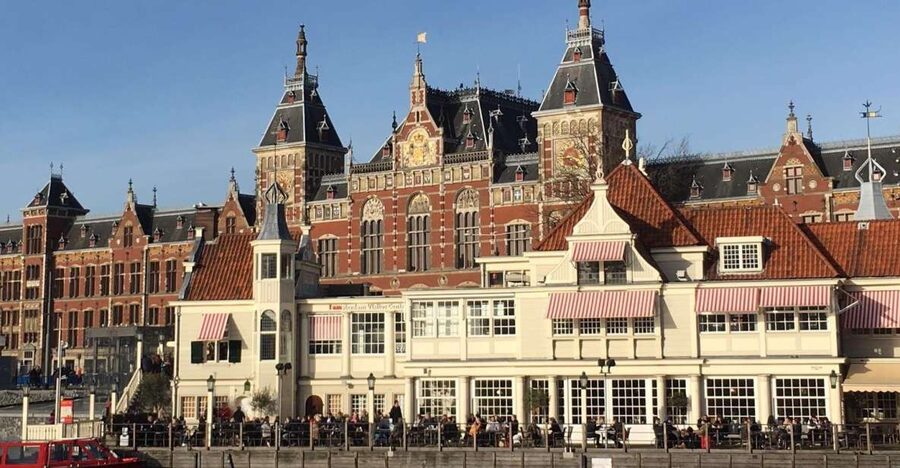
- Following the water toward Central Station
- The IJ waterfront and Amsterdam’s changing face
- Houseboats, warehouses, and the Western Islands
- Modern housing and the problem of limited land
- What the guide adds in German
- The bicycle matters more than the price suggests
- Who will get the most from this tour
- Timing, weather, and the return ride
- Should you book Amsterdam: Architektur Er-fahren?
- FAQ
- What language is the tour conducted in?
- How long does Amsterdam: Architektur Er-fahren last?
- Where does the tour begin?
- Is bicycle hire included in the price?
- Can I join without bringing a bicycle?
- What areas does the route visit?
- Does the tour operate in bad weather?
- Who should not book this experience?
Key points at a glance
- A moving lesson in Amsterdam architecture: Ride from Damrak and Central Station toward the IJ, comparing old canal buildings with new design.
- The Western Islands add a different mood: Industrial structures, warehouses, houseboats, and picturesque corners show a less polished side of the city.
- Water explains the city: The tour connects architecture to Amsterdam’s difficult ground, limited space, and need for both social and luxury housing.
- German-speaking and small-group: The live guide speaks German, with no more than 10 participants.
- Bike hire is not included: Plan to spend roughly €5 to €25 for a rental, or use a bicycle from your hotel if available.
- Useful beyond the tour: The information helps you understand other buildings you see during your stay, not just the sights on the route.
Why Amsterdam’s buildings make sense from a bicycle
Amsterdam can look like a city made of pretty canal houses, but that is only one chapter. The narrow façades, old warehouses, houseboats, and new apartment blocks all reflect a practical problem: the city has always had to work with water, soft ground, and limited room.
That is what makes this tour useful. You are not only shown attractive buildings. You learn why Amsterdam grew in particular directions and why newer projects often look so different from the old canal belt.
On foot, you may notice a striking façade and move on. By bicycle, you connect several areas in one trip. The route begins at Beursplein and the Damrak, then heads toward the IJ and Amsterdam Central. From there, you follow the water to locations with wide views and a mix of older and newer architecture.
I especially like the contrast built into the route. You see picturesque canal architecture beside industrial forms, then compare both with modern solutions for housing and city life. That makes the subject easier to understand than a tour that simply lists building dates and architects.
The guide also adds general history and amusing stories about life in Amsterdam. That broader material matters because architecture here is tied closely to daily life. Housing, transport, water management, trade, and changing neighborhoods are all part of the same story.
A few more options to weigh up in Amsterdam
- Amsterdam: Van Gogh Museum Ticket
★ 4.7 · 52,054 reviews - Amsterdam Classic Saloon Boat Cruise with Drinks and Cheese
★ 5.0 · 31,825 reviews - Amsterdam Luxury Canal Cruise + Unlimited Drinks & Bites option
★ 5.0 · 30,518 reviews
Starting at Beursplein and the Damrak
The meeting point is at Beursplein or Damrak, in the busy central area near Amsterdam’s main sightseeing routes. Look for the guide wearing a black-and-white striped band around the neck. That detail should make the meeting easier, especially in a crowded part of town.
The opening section points you toward the IJ and Amsterdam Central. This is a strong beginning because it moves quickly from the familiar historic center toward the larger waterfront setting. You get a sense that Amsterdam is not just a ring of canals, but a city shaped by its relationship with open water and expanding transport routes.
You should expect the guide to place the buildings in context rather than treat them as isolated sights. The tour focuses on how old warehouses and canal houses worked, how modern buildings answer practical needs, and how design changes when land becomes scarce.
Bring a bicycle that is comfortable and fully roadworthy. The experience is not a lesson in cycling, and it is not suitable if you cannot ride a bike. You will need to manage your own bicycle throughout the 2.5-hour route.
Following the water toward Central Station
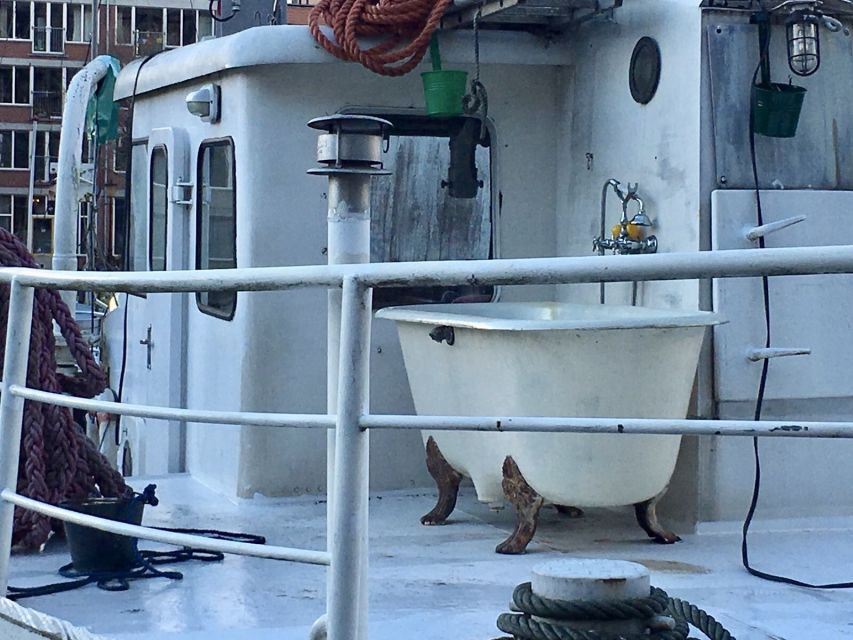
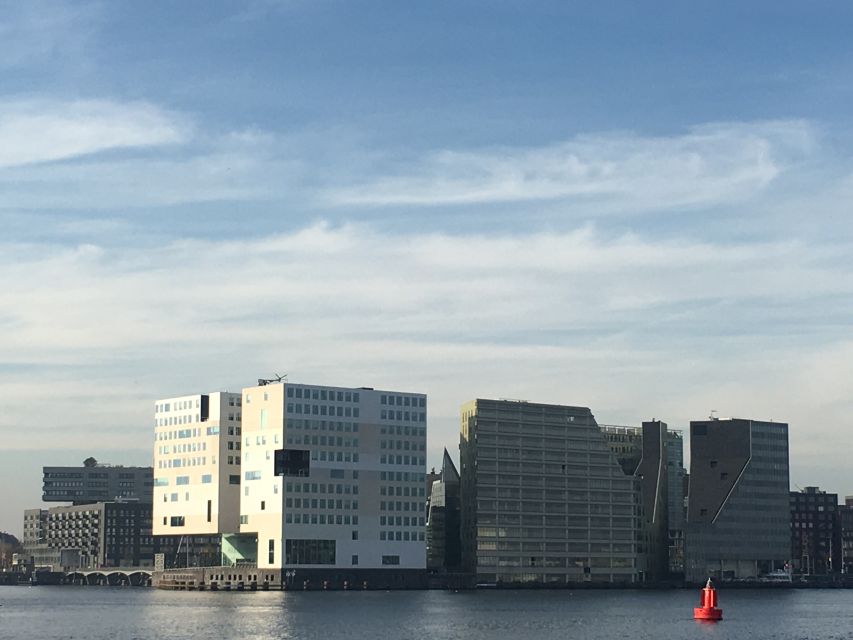
The ride toward the IJ offers one of the tour’s clearest themes: Amsterdam’s old waterfront economy meeting its newer city. You can expect views across the water, historic warehouses, and modern architecture with a stronger emphasis on function.
The guide discusses the city’s land conditions and the problems created by water. This is valuable because Amsterdam’s architecture can seem decorative at first glance, yet much of it reflects engineering and planning choices. Buildings had to work on difficult ground, and neighborhoods had to grow without wasting precious space.
The route also considers population growth. As more people need homes, the city must balance social housing with higher-end housing. That tension gives modern architecture a real purpose. Instead of asking only if a building looks attractive, you can ask what it provides, who it serves, and how it fits into a crowded urban setting.
I would pay close attention to the explanations of function and design. A building may use unusual shapes, materials, or layouts not simply to look modern, but to deal with limited land, water, views, or changing housing needs.
The cycling format helps here. You do not remain in one architectural district with a single visual style. You keep moving between different settings, which makes the changes in design easier to spot.
The IJ waterfront and Amsterdam’s changing face
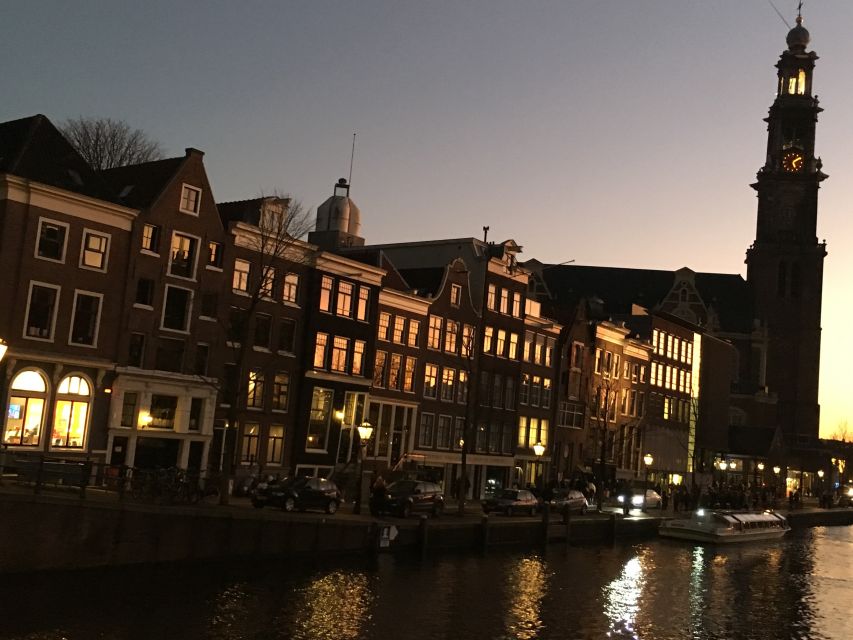
Along the IJ, the views become an important part of the experience. The tour promises marvellous waterfront outlooks, and the open setting gives you a break from the tight canal streets.
This part of the ride should help you see Amsterdam as a growing city rather than a preserved museum. Historic buildings remain important, but modern construction is needed to house people and support city life. The guide’s role is to explain how these newer projects fit into a place known around the world for older architecture.
You may find the contrast between the old and new styles more interesting than either style alone. Traditional warehouses suggest trade and storage. Modern buildings suggest new housing demands, new uses for former industrial areas, and a different idea of how a city should look.
The ride is also a useful way to understand scale. From a canal street, you may focus on one narrow façade. Near the water, you can see how groups of buildings relate to open space, transport routes, and the wider city.
There is no promise of a formal architectural lecture, and that is probably a good thing for most visitors. The tour combines serious information with stories and humor, making the subject accessible even if you do not know much about architecture.
A different kind of day out entirely:
- Amsterdam: Heineken Experience Ticket
★ 4.6 · 30,055 reviews - Amsterdam: Rijksmuseum Entry Ticket
★ 4.7 · 25,535 reviews - Amsterdam: Classic Boat Cruise with Optional Cheese & Wine
★ 4.6 · 22,925 reviews - Amsterdam: Evening Cruise with Optional Wine and Snacks
★ 4.4 · 19,696 reviews
Houseboats, warehouses, and the Western Islands
The Amsterdam Western Islands are a major reason to choose this experience. This area gives you a different view of the city, with industrial architecture, warehouses, houseboats, and picturesque details gathered in one route.
The Western Islands are especially useful for comparison. You can see how former working areas relate to water and transport, then notice how some spaces have taken on more residential or attractive uses. The result is not a single postcard scene. It is a mix of practical, rough, residential, and scenic elements.
Houseboats add another layer. They show how Amsterdam uses the water not only as a boundary or transport route, but also as living space. You may already have seen houseboats from a canal cruise, but viewing them as part of an architectural discussion gives them more meaning.
The industrial side may appeal to you if you prefer working neighborhoods and adaptive city design to perfectly polished monuments. It can also feel less conventionally pretty than the canal belt. That is part of the point, but you should choose this tour for ideas and contrasts rather than a string of classic photo stops.
The word picturesque does apply in places, but the route does not treat beauty as the only measure. A plain warehouse, a houseboat, or an unusual housing project can be just as important to the story.
Modern housing and the problem of limited land
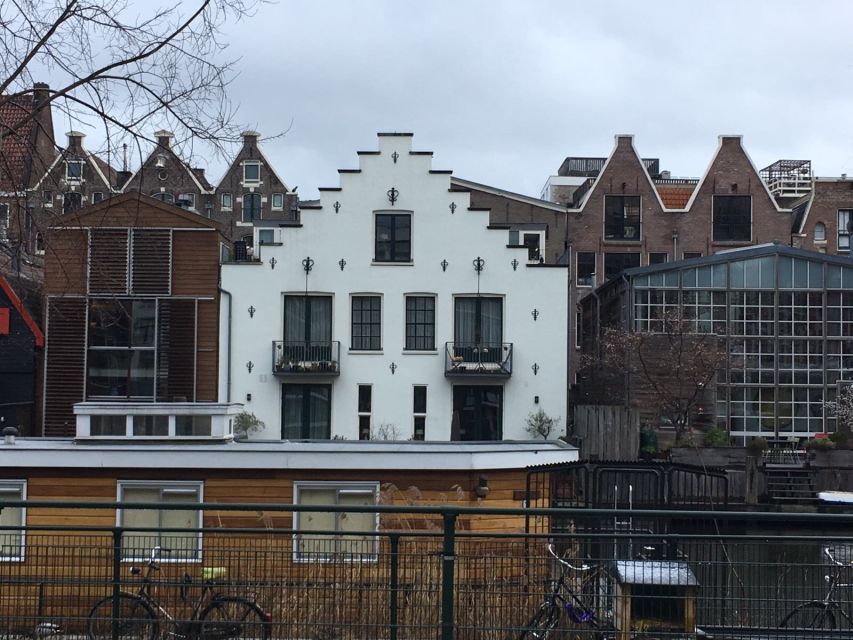
One of the strongest parts of the tour is its attention to housing. Amsterdam has to provide homes for different income levels while dealing with water, difficult soil, and a growing population. The route uses architecture to show how those pressures affect the city.
You will hear about the need for social housing as well as luxury housing. That makes the discussion more grounded than a simple celebration of expensive design. A new building can be visually striking, but the more useful question is how it contributes to the city and who can actually live there.
The tour also points to innovative solutions in design and function. Since the supplied information does not name specific projects, you should not expect a fixed list of famous buildings. Instead, the value comes from learning how to look at the projects you pass.
I find that approach practical. Once you understand the basic problems, you can apply the ideas to other buildings during your visit. One verified German-language review praised the way the architectural information could be transferred to buildings seen elsewhere in Amsterdam. That is a strong sign that the tour teaches a method of observation, not just a collection of facts.
The historical overview adds another useful layer. Architecture does not appear from nowhere. Older trade patterns, water management, population changes, and everyday Dutch life all help explain why the city looks as it does today.
What the guide adds in German
This is a live tour in German, which makes it a good choice if you prefer to discuss detailed ideas in that language. Architecture terms and historical explanations are easier to follow when you are not constantly translating in your head.
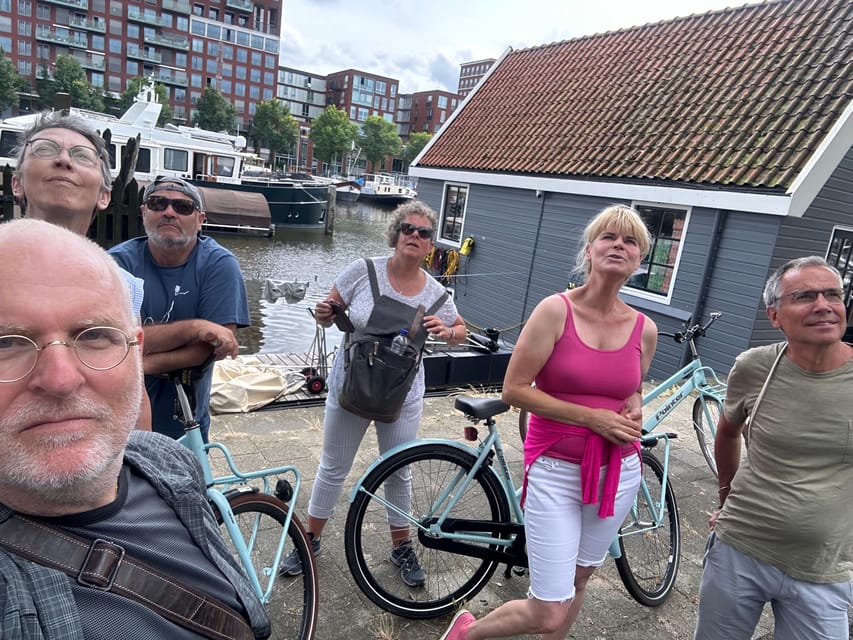
The group is capped at 10 participants. That is small enough to keep the experience personal, though the quality will still depend on the individual guide and the pace of the group. The meeting marker is the black-and-white striped band around the guide’s neck.
The guide is expected to explain both architecture and general Amsterdam life. You should hear historical information, practical observations, and amusing stories rather than only technical descriptions. A Dutch reviewer praised the guide’s enthusiasm, the explanations about the Dutch relationship with water, and the amount of laughter during the tour.
That mix suits this subject. A purely academic talk could become dry after two and a half hours on a bicycle. Humor and everyday stories help keep the route lively while the architecture gives it structure.
The tour has received a 5 out of 5 rating from 20 reviews, which suggests that the combination of enthusiasm, useful information, and entertainment is working well. Still, ratings cannot guarantee the exact style of your guide, so book it because the subject and format fit you, not only because of the score.
The bicycle matters more than the price suggests
The listed price is $46 per person for 2.5 hours, but it does not include a bicycle. Bike hire is usually around €5 to €25, depending on where you rent and what type of bicycle you choose.
That extra cost is important when judging value. If your hotel provides a suitable bicycle, the tour is a fairly focused way to spend a morning or afternoon. If you need a more expensive rental, your total cost rises, but you are still paying for a small-group German guide and a route that covers several architectural settings.
You must bring your own vehicle, meaning your own bicycle. Make sure it is functional and roadworthy before meeting the group. A poor bicycle can turn an interesting city ride into hard work, especially if you are not used to Amsterdam cycling.
Comfortable shoes and clothes are sensible. Bring water and dress for the weather. The tour operates rain or shine, so a bright forecast is not required, but you should be ready for wet or cool conditions.
Alcohol and drugs are not allowed, and you should not join while intoxicated. That is basic safety advice, but it matters on a bicycle tour in an active city.
Who will get the most from this tour
I would choose this experience if you already enjoy architecture, urban planning, housing, or the way cities change over time. It also suits you if you have visited Amsterdam before and want something beyond the standard canal-house route.
German-speaking visitors are the clearest audience. The small group and live explanations should appeal if you like asking questions and learning through conversation rather than listening to a large crowd.
You do not need to be an architecture expert. The tour connects design with familiar issues such as housing, water, transport, and daily life. That makes it approachable for a first-time visitor who wants more than photographs.
It is less suitable if you cannot ride a bicycle, dislike outdoor activities, or want a relaxed sightseeing trip with no weather risk. It also may not suit you if your main goal is to see Amsterdam’s most famous historic interiors, since the focus is on streets, waterfront areas, and architectural comparison.
Families and mixed-age groups should consider cycling ability and comfort carefully. The supplied information gives no specific child policy, so check before booking if that matters for your party.
Timing, weather, and the return ride
The tour lasts 2.5 hours and returns to the starting point. That makes it easy to fit into a day of sightseeing, since you do not finish in an unfamiliar part of the city.
Because the tour runs rain or shine, the weather should affect your planning. In dry conditions, the waterfront views and outdoor architecture will be easier to enjoy. In rain, you will need weatherproof clothing and may find the ride less comfortable.
The return to Beursplein also has practical value. You can continue with your own plans near the Damrak and central Amsterdam without arranging another transfer. Exact starting times vary, so check availability when selecting a date.
Cancellation is flexible up to 24 hours before departure for a full refund, and you can reserve now and pay later. Those terms are helpful if the weather forecast is uncertain, though you should still arrange a suitable bicycle before the tour begins.
Should you book Amsterdam: Architektur Er-fahren?
Book this tour if you want to understand why Amsterdam looks the way it does, not just see its prettiest streets. The route offers a strong mix of canal houses, warehouses, modern architecture, houseboats, waterfront views, and the Western Islands, with housing and water problems tying it all together.
The $46 price is reasonable for a 2.5-hour small-group tour, but remember to add bicycle hire if you do not have access to one. I would especially recommend it for German-speaking visitors, repeat visitors, and anyone curious about how cities solve practical problems through design.
Skip it if you cannot cycle, want indoor sights, or refuse to plan around rain. For everyone else, it offers a useful new way to read Amsterdam, and the lessons can stay with you long after the bicycle is returned.
FAQ
What language is the tour conducted in?
The live tour guide speaks German.
How long does Amsterdam: Architektur Er-fahren last?
The bicycle tour lasts 2.5 hours.
Where does the tour begin?
The meeting point is at Beursplein or Damrak. Find the guide wearing a black-and-white striped band around their neck.
Is bicycle hire included in the price?
No. Bike hire is not included. Bicycles are usually available from a hotel or rental shop for around €5 to €25.
Can I join without bringing a bicycle?
You need your own functional and roadworthy bicycle. You can usually hire one before the tour from a hotel or one of Amsterdam’s bicycle rental shops.
What areas does the route visit?
The route goes from Beursplein and Damrak toward the IJ and Amsterdam Central, follows the water, visits the Amsterdam Western Islands, and returns to the starting point.
Does the tour operate in bad weather?
Yes. The tour takes place rain or shine, so you should bring weather-appropriate clothing.
Who should not book this experience?
The tour is not suitable for people who cannot ride a bicycle. Alcohol and drugs are also not allowed during the experience.
Just added in Amsterdam
- Private Tour Zaanse Schans Windmills and Volendam in Jaguar★ 5.0 · 10 reviews
- Half-Day Private Guided Sightseeing Tour of Zaanse Schans★ 5.0 · 14 reviews
- Zaanse Schans and Giethoorn Unique Day Trip with Boat Cruise★ 4.5 · 17 reviews
- Windmills-Volendam-Giethoorn Private Tour in Jaguar★ 5.0 · 2 reviews
- Best of Netherlands: Zaanse Schans Mills, The Hague & Rotterdam★ 4.5 · 10 reviews
- Zaanse Schans Private Tour Windmills★ 5.0 · 18 reviews
- Zaanse Schans Windmills Edam Volendam and Marken from Amsterdam★ 5.0 · 1 review
- Zaanse Schans Edam Volendam Private Day Tour from Amsterdam★ 5.0 · 3 reviews
Amsterdam Tours, compared.
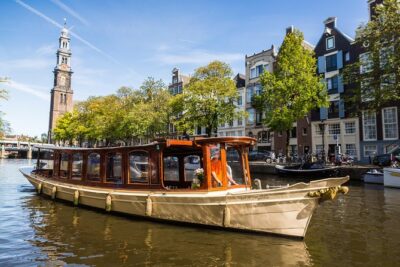
Amsterdam Classic Saloon Boat Cruise with Drinks and Cheese
Read our review →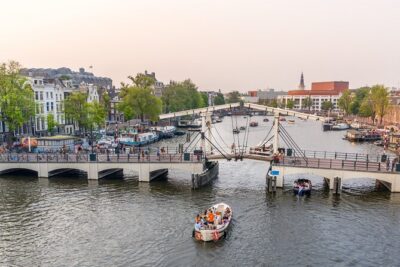
Amsterdam Luxury Canal Cruise + Unlimited Drinks & Bites option
Read our review →

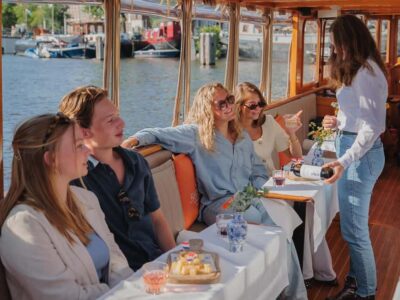
Classic Boat Cruise with Optional Cheese & Wine
Read our review →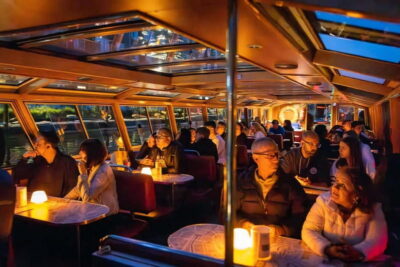
Evening Cruise with Optional Wine and Snacks
Read our review →