Review · AMSTERDAM TOURS
Amsterdam: Classical Music Concert at the Begijnhof
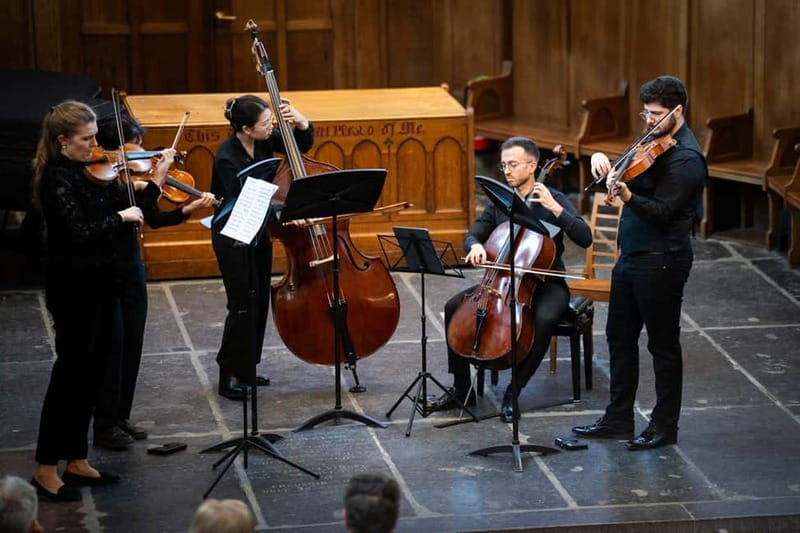
Let the old city fall quiet around you. This one-hour concert places classical music inside the English Reformed Church, a historic building in Amsterdam’s medieval Begijnhof, where the setting adds real character to a short evening performance. I like the calm courtyard approach and the strong selection of famous works, especially for anyone who wants a cultural night out without committing to a full opera or symphony evening. The main consideration is timing: you need to arrive promptly, and the concert itself is brief.
I also like that no formal dress is required, so you can come straight from sightseeing. The acoustics and church interior are major parts of the appeal, while the $30 price makes this a reasonable choice for first-time classical concertgoers. Still, you are buying an atmospheric one-hour program rather than a long concert with a large-scale production, food, or transportation included.
In This Review
- Key points to know before booking
- Entering the Begijnhof for an evening concert
- Why the English Reformed Church matters
- The one-hour program, piece by piece
- Vivaldi’s Four Seasons, Spring and Summer
- Pachelbel’s Canon and Gigue in D major
- Mozart’s Requiem, Lacrimosa
- Bach’s Air on the G String
- Schubert’s Ave Maria
- Mozart’s Salzburg Symphony K136, Allegro
- Beethoven’s Symphony No. 5, Allegro
- Handel’s Ombra mai fu from Xerxes
- The Amsterdam Gala Orchestra and soprano
- Is $30 a good value in Amsterdam?
- Who will enjoy this concert most?
- Practical advice for a smooth evening
- Should you book the Begijnhof concert?
- FAQ
- Where does the classical concert take place?
- How long does the concert last?
- How much does the concert cost?
- Which composers are included in the program?
- Is The Four Seasons performed in full?
- Is Mozart’s complete Requiem performed?
- Is there a dress code?
- Are food and drinks included?
- Is the concert wheelchair accessible?
Key points to know before booking
- A medieval courtyard sets the scene: The concert takes place in the Begijnhof, one of Amsterdam’s quietest historic corners.
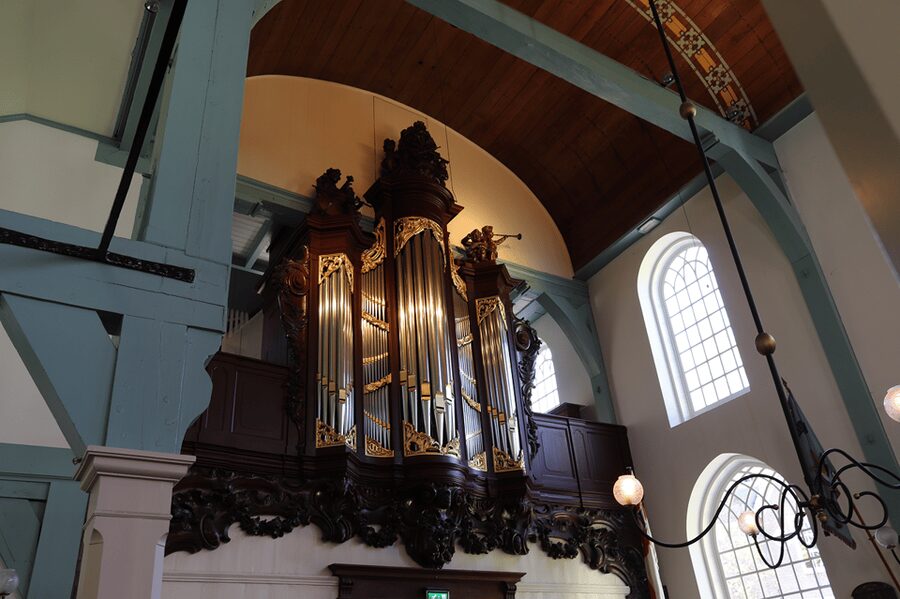
- The English Reformed Church is the venue: This is one of Amsterdam’s oldest buildings, giving the performance a sense of place that a modern concert hall cannot match.
- The program favors famous favorites: Expect works by Vivaldi, Pachelbel, Mozart, Bach, Schubert, Beethoven, and Handel.
- The Amsterdam Gala Orchestra performs with a soprano: The combination gives the evening both instrumental variety and a human voice.
- The concert lasts one hour: It fits neatly into an evening of sightseeing, dinner, or a canal-side walk.
- The price is $30 per person: For a central Amsterdam cultural experience with a printed program included, that is a fair price, especially for classical music newcomers.
Entering the Begijnhof for an evening concert
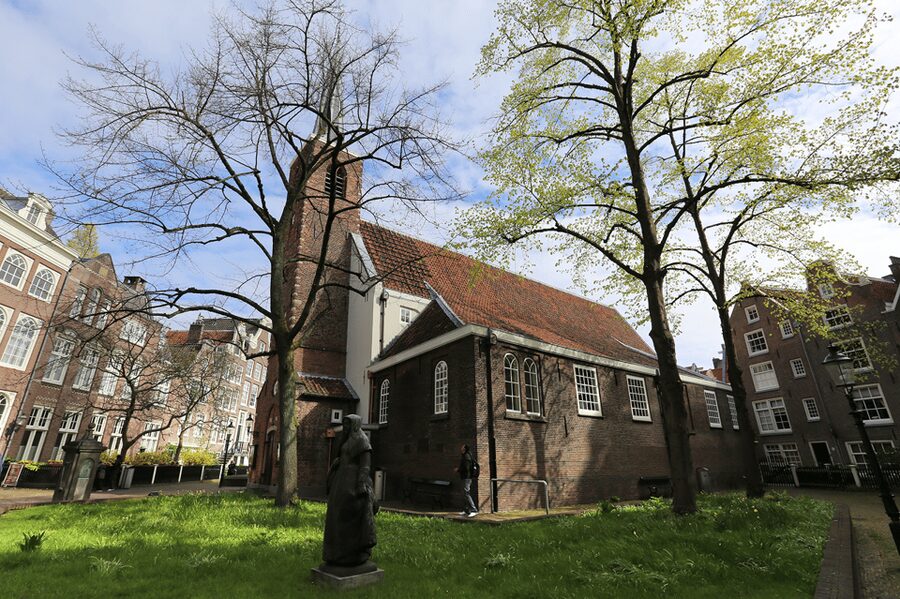
The Begijnhof is an unusually peaceful pocket in central Amsterdam. Rather than arriving at a modern theater with bright signs and a busy lobby, you make your way to a historic courtyard dating back to the Middle Ages. The quiet surroundings help shift your attention away from shopping streets and city traffic.
Your meeting point is simple: show your ticket at the entrance to the English Reformed Church. There is no separate transportation arrangement, hotel pickup, or guided walk included, so you are responsible for reaching the church on time. I would leave yourself a little extra time to find the entrance, particularly if you are unfamiliar with Amsterdam’s compact but sometimes confusing central streets.
The setting is not just a backdrop. The Begijnhof gives the evening a sense of contrast. You may spend the day among bicycles, trams, museums, and canals, then enter a quiet courtyard where the pace feels much slower. That change is one of the strongest reasons to choose this performance over a generic concert venue.
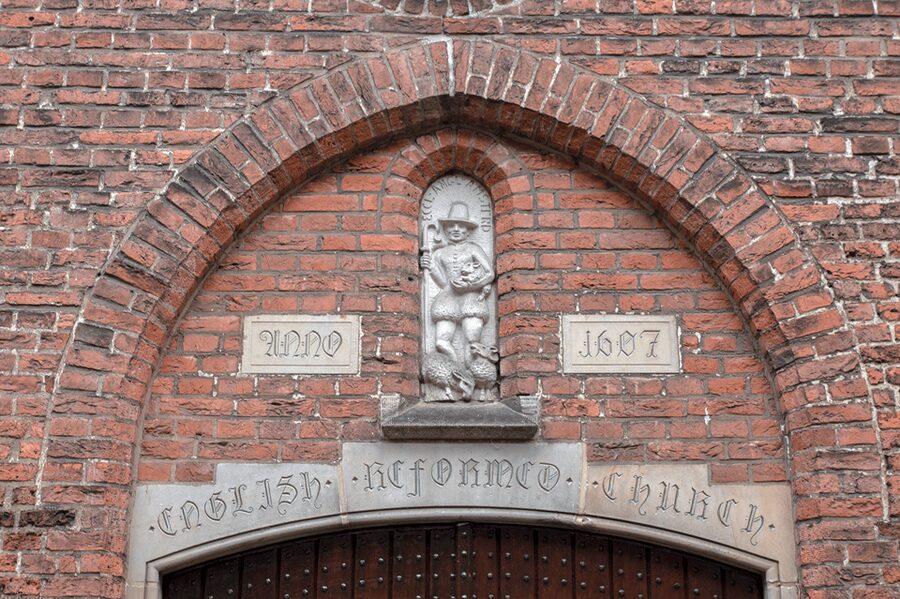
The church itself is one of Amsterdam’s oldest buildings. Its age and religious purpose shape the atmosphere, but you should not expect a museum visit or a formal historical tour. The focus is music. The building provides the character, while the orchestra and soprano carry the evening.
A few more options to weigh up in Amsterdam
- Amsterdam: Van Gogh Museum Ticket
★ 4.7 · 52,054 reviews - Amsterdam Classic Saloon Boat Cruise with Drinks and Cheese
★ 5.0 · 31,825 reviews - Amsterdam Luxury Canal Cruise + Unlimited Drinks & Bites option
★ 5.0 · 30,518 reviews
Why the English Reformed Church matters
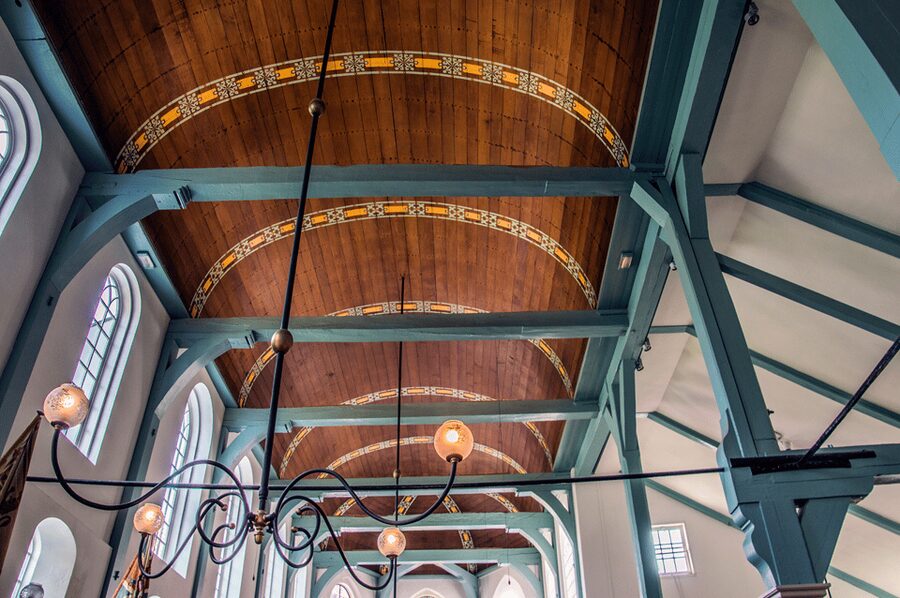
Classical music often benefits from a setting with a little visual and acoustic personality. The English Reformed Church supplies both. Its historic interior gives familiar pieces a more intimate frame, and the church acoustics are a major part of the experience.
That acoustic quality matters most in quieter passages. Bach’s Air on the G String and Schubert’s Ave Maria need room for sustained notes and gentle phrasing. In a church, those sounds can linger in a way that makes the music feel less like a performance you simply watch and more like something that fills the space around you.
The building also helps the concert feel distinct from an ordinary tourist activity. Amsterdam has plenty of paid attractions, but this one connects a major European city with a living musical tradition and a historic place of worship. You are not just checking a famous composition off a list. You are hearing it in a building chosen for its atmosphere.
There is one practical tradeoff. Historic churches are not designed like modern theaters. Seating comfort, sightlines, and room layout can vary, and the supplied information does not promise theatrical staging or elaborate lighting. Go for the music and the surroundings, not for a polished concert-hall production.
The one-hour program, piece by piece
The program covers a wide range of familiar composers. That makes it approachable, especially if this is your first classical concert. You will hear well-known melodies rather than a long, demanding series of obscure works.
Vivaldi’s Four Seasons, Spring and Summer
The concert opens with Spring and Summer from Vivaldi’s Four Seasons. These are among the most recognizable works in the classical repertoire, with clear musical images and strong shifts in mood.
Spring brings brightness and energy. Summer has more tension and heat in its musical character. Hearing both sections together gives you a quick sense of Vivaldi’s gift for contrast, and the pieces provide an inviting start for anyone who may not attend classical concerts often.
The program does not include all four seasons, only Spring and Summer. That keeps the evening within its one-hour format, but you should know you are not hearing the complete work.
A different kind of day out entirely:
- Amsterdam: Heineken Experience Ticket
★ 4.6 · 30,055 reviews - Amsterdam: Rijksmuseum Entry Ticket
★ 4.7 · 25,535 reviews - Amsterdam: Classic Boat Cruise with Optional Cheese & Wine
★ 4.6 · 22,925 reviews - Amsterdam: Evening Cruise with Optional Wine and Snacks
★ 4.4 · 19,696 reviews
Pachelbel’s Canon and Gigue in D major
Pachelbel’s Canon is another instantly familiar selection. Its repeating structure creates a steady foundation while the musical lines build above it. The Gigue adds a livelier finish to the pairing.
This is a smart choice for a short public concert because you can recognize the basic musical shape even without a background in classical music. I like programs that give newcomers an easy way in, and this piece does exactly that.
Mozart’s Requiem, Lacrimosa
Mozart’s Lacrimosa changes the mood. It is more solemn and emotionally weighty than the earlier pieces, and the soprano’s presence becomes especially important in a work associated with the human voice and sacred music.
You will hear an excerpt rather than the complete Requiem. That is worth keeping in mind. The program offers highlights from major works, not full-length performances of every composition listed.
Bach’s Air on the G String
Bach’s Air on the G String slows the pace and provides one of the program’s most reflective moments. Its long, smooth lines are well suited to the church setting.
This is the kind of selection that rewards quiet attention. It is less about a dramatic climax and more about tone, balance, and the way the music hangs in the air. If you want a concert that gives you a peaceful pause during a busy city break, this piece helps make the hour feel restorative.
Schubert’s Ave Maria
Schubert’s Ave Maria brings another vocal highlight. The familiar melody works naturally with the soprano, and the church setting reinforces the sacred character of the music.
Even if you know the piece from recordings or ceremonies, hearing it performed live can change your sense of scale. The sound of a trained voice in an old church carries a directness that speakers cannot reproduce.
Mozart’s Salzburg Symphony K136, Allegro
The Allegro from Mozart’s Salzburg Symphony K136 adds a lighter, more nimble instrumental section. After the solemn Requiem and the slower Bach and Schubert selections, this piece restores movement and brightness.
It also shows why the program is not simply a sequence of slow, famous melodies. Mozart’s music brings precision and quick energy, giving the orchestra a chance to display its range.
Beethoven’s Symphony No. 5, Allegro
The opening Allegro from Beethoven’s Symphony No. 5 is perhaps the boldest crowd-pleaser on the program. Its famous rhythm needs no introduction, but a live performance gives the piece a physical force that recordings can soften.
Again, you hear an excerpt, not the full symphony. That is sensible for a one-hour program, though listeners hoping for a complete Beethoven performance should choose a longer concert elsewhere.
Handel’s Ombra mai fu from Xerxes
Handel’s Ombra mai fu closes the listed program with a graceful vocal work. It gives the soprano a final featured moment and ends the evening on a gentler note than Beethoven’s dramatic symphony movement.
The mix of sacred, instrumental, operatic, and symphonic music keeps the program moving. You get a taste of several eras and styles without needing to know technical musical terms.
The Amsterdam Gala Orchestra and soprano
The performers are listed as the Amsterdam Gala Orchestra with soprano. The program relies on the orchestra for variety, while the soprano adds an important change in texture during Ave Maria, Lacrimosa, and Ombra mai fu.
That balance makes the performance suitable for a broad audience. If you already love classical music, you can focus on interpretation and sound. If you are new to the genre, the famous melodies give you something familiar to hold onto.
The strongest praise for this experience centers on the musicians’ ability and the power of the performance. One particularly useful detail is that the concert worked well as a first introduction to classical music. That makes this a good option if you are curious about the genre but unsure about spending an entire evening at a formal concert.
Do keep your expectations in proportion to the price. At $30, you are not booking a major full orchestra production with a large stage, extensive program notes, or multiple hours of music. You are getting a compact performance in a memorable setting. For many people, that is exactly the right amount.
Is $30 a good value in Amsterdam?
At $30 per person, this concert sits in a comfortable middle ground. It costs more than simply walking through the Begijnhof, but the ticket gives you a planned cultural experience in one of the city’s oldest buildings, along with a printed concert program.
The value is strongest if you already plan to spend the evening in central Amsterdam. There is no transportation included, so you will need to reach the church yourself. That is not a major problem if you are staying or sightseeing nearby, but it is worth adding travel time to your plans.
You also receive no food or drinks. This is not a dinner concert, and you should plan your meal separately. That can actually work in your favor, since you can choose a restaurant before or after the performance instead of paying for a package you may not want.
I see the price as fair for three reasons:
- The location is central and historically important.
- The music includes several of the best-known works in the classical repertoire.
- The program is short enough to fit into a busy Amsterdam itinerary.
The value is weaker if you want a full-length symphony, a detailed history talk, or a grand theatrical event. In that case, look for a longer concert at a dedicated music venue.
Who will enjoy this concert most?
I would recommend this experience to couples, solo visitors, families with older children, and anyone wanting a calm cultural evening. The one-hour length is especially useful if you have a packed schedule or do not know how much classical music you can comfortably handle.
It also suits first-time concertgoers. The program is built around recognizable pieces, and you do not need specialist knowledge to appreciate Spring, the Canon, Ave Maria, or Beethoven’s Fifth. The performance can open the door to the genre without making you feel tested.
Music lovers should appreciate the church acoustics and broad selection, though they may want to check the exact program before booking if they need a particular work. The listed pieces may be presented as movements or excerpts, so the concert is better understood as a highlights program.
The experience may be less suitable if you dislike seated performances, need a full evening of entertainment, or expect a guided explanation of the Begijnhof. The venue and music provide the experience, but there is no separate sightseeing tour included.
The activity is wheelchair accessible, which is helpful for many visitors. Since the supplied details do not describe the exact seating arrangement or route inside the church, you may want to confirm any specific access needs before booking.
Practical advice for a smooth evening
Arrive on time. The instructions specifically warn that late arrival could affect entrance, so do not treat the one-hour concert like a casual drop-in event. Have your ticket ready at the church entrance.
You do not need formal clothing. No dress code is required, and you can come in comfortable sightseeing clothes. Still, the historic church setting may inspire you to dress a little more neatly if that suits your evening plans.
Set aside time to enjoy the Begijnhof before or after the music, but remember that the concert itself ends back at the same meeting point. Transportation is not included, and neither are refreshments, so plan those separately.
The printed concert program is a small but useful inclusion. It helps you follow the selections and gives structure to a performance that moves quickly through several composers.
Booking remains fairly flexible. You can reserve now and pay later, and cancellation is free up to 24 hours in advance for a full refund. That is useful if your Amsterdam schedule depends on weather, museum reservations, or changing arrival times.
Should you book the Begijnhof concert?
Book it if you want an affordable, atmospheric introduction to classical music in a historic Amsterdam setting. The church, acoustics, famous program, and soprano make this more memorable than a standard background-music event, while the one-hour length keeps the commitment easy.
I would be especially keen to recommend it to first-time classical listeners and visitors with one open evening in central Amsterdam. You get recognizable music, a striking old venue, and enough variety to keep the program moving.
Skip it if you want a complete performance of The Four Seasons, Mozart’s Requiem, or Beethoven’s Fifth. Those works appear through selected movements or excerpts, and the concert is designed as a compact showcase.
For $30, this is a sensible cultural choice. Arrive early, keep your dinner plans separate, and let the Begijnhof provide the quiet before the first notes begin.
FAQ
Where does the classical concert take place?
The concert takes place in the English Reformed Church at the Begijnhof in central Amsterdam.
How long does the concert last?
The performance lasts one hour.
How much does the concert cost?
The listed price is $30 per person.
Which composers are included in the program?
The program includes music by Vivaldi, Pachelbel, Mozart, Bach, Schubert, Beethoven, and Handel.
Is The Four Seasons performed in full?
No. The listed program includes Spring and Summer from Vivaldi’s The Four Seasons.
Is Mozart’s complete Requiem performed?
No. The program lists Lacrimosa from Mozart’s Requiem.
Is there a dress code?
No dress code is required.
Are food and drinks included?
No. Food and drinks are not included, and transportation is also not included.
Is the concert wheelchair accessible?
Yes, the activity is listed as wheelchair accessible.
Just added in Amsterdam
- Private Tour Zaanse Schans Windmills and Volendam in Jaguar★ 5.0 · 10 reviews
- Half-Day Private Guided Sightseeing Tour of Zaanse Schans★ 5.0 · 14 reviews
- Zaanse Schans and Giethoorn Unique Day Trip with Boat Cruise★ 4.5 · 17 reviews
- Windmills-Volendam-Giethoorn Private Tour in Jaguar★ 5.0 · 2 reviews
- Best of Netherlands: Zaanse Schans Mills, The Hague & Rotterdam★ 4.5 · 10 reviews
- Zaanse Schans Private Tour Windmills★ 5.0 · 18 reviews
- Zaanse Schans Windmills Edam Volendam and Marken from Amsterdam★ 5.0 · 1 review
- Zaanse Schans Edam Volendam Private Day Tour from Amsterdam★ 5.0 · 3 reviews
Amsterdam Tours, compared.
Amsterdam Classic Saloon Boat Cruise with Drinks and Cheese
Read our review →
Amsterdam Luxury Canal Cruise + Unlimited Drinks & Bites option
Read our review →


Classic Boat Cruise with Optional Cheese & Wine
Read our review →
Evening Cruise with Optional Wine and Snacks
Read our review →