
Review · CHEESE TASTING TOURS
Amsterdam: Make your cheese next to De Hallen
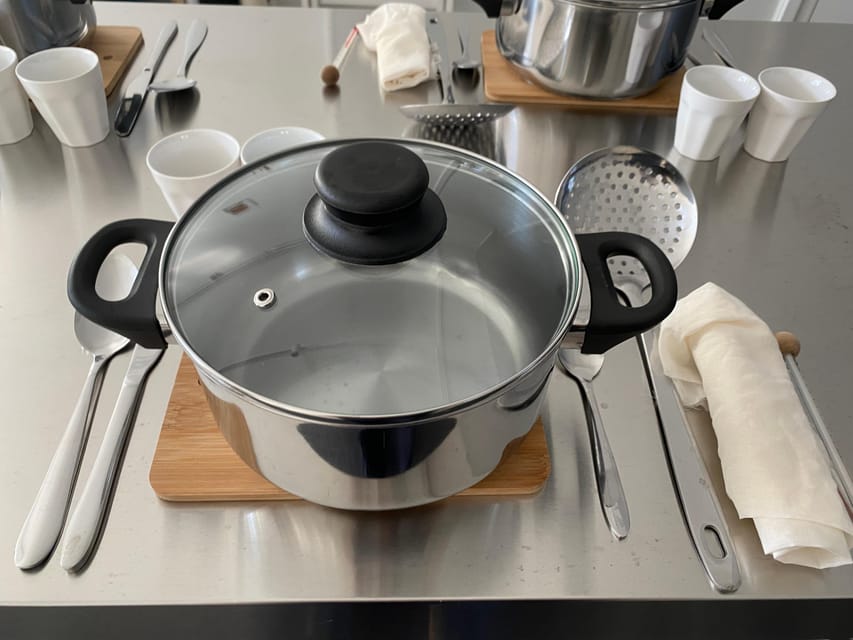
Cheese tastes better when you make it. This three-hour Amsterdam workshop at De Kaasserie, near De Hallen, turns two liters of supermarket milk into two fresh cheeses using different methods. I like the hands-on format, and I like that you take home rennet, calcium, cheesecloth, and recipes instead of leaving with only a pleasant memory. The main drawback is simple: at $135 per person, this costs more than a casual food tasting.
The group is limited to 10, which gives the session a friendly, practical feel rather than a factory-line pace. Paula received especially warm praise for her clear teaching and personable manner, and the opening slide presentation helps everyone understand what they are about to do. You should know that the class is for ages 16 to 95, requires comfort with dairy, and does not include coffee or alcohol.
In This Review
- The best parts of this cheese workshop
- Starting at De Kaasserie near De Hallen
- Turning two cartons of milk into cheese
- Why the rennet lesson matters beyond the afternoon
- Adding herbs, spices, and your own judgment
- The homemade cheese tasting
- What you take home after three hours
- Paula’s teaching style and the small-group setting
- Is $135 a fair price?
- Timing, age limits, and who should book
- Booking flexibility and practical planning
- Should you book the De Kaasserie workshop?
- FAQ
- How long does the Amsterdam cheesemaking workshop last?
- Where does the experience meet?
- How many kinds of cheese will I make?
- What do I take home?
- Is a cheese tasting included?
- Which languages are available?
- Is the workshop suitable for children or people with lactose intolerance?
The best parts of this cheese workshop
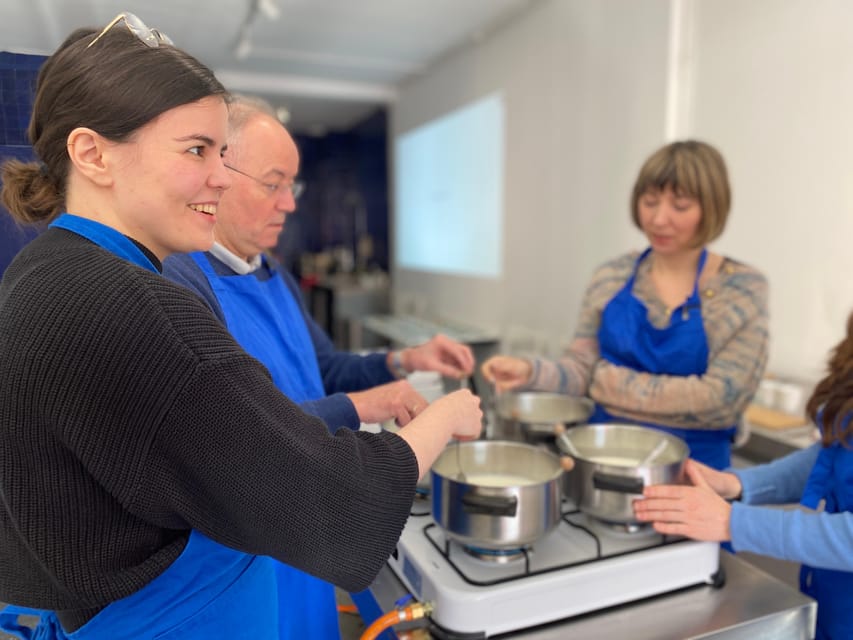
- Two methods in one session: Make one acid-coagulated cheese and one rennet-coagulated cheese from supermarket milk.
- A useful take-home kit: Keep your cheeses, cheesecloth, rennet, calcium, and emailed recipes.
- A small group of up to 10: You get room to ask questions and experiment with herbs and spices.
- A tasting beyond your own batch: Sample homemade fresh and pressed cheeses at the end.
- A practical introduction to aged cheese: The rennet method gives you a starting point for longer recipes at home.
- A convenient Amsterdam setting: De Kaasserie is near De Hallen, making the workshop easy to pair with time in the surrounding neighborhood.
Starting at De Kaasserie near De Hallen
The workshop begins at De Kaasserie, a cheese-focused setting near De Hallen in Amsterdam. The exact meeting point can vary with the option you book, so check your confirmation before setting out. That small detail matters in Amsterdam, where a short walk can lead you through several busy streets and different food venues.
Once the group arrives, you begin with tea and an introduction to De Kaasserie. This opening presentation explains the workshop and gives you the basic vocabulary for what follows. It is not just a quick welcome before the real activity. You learn why milk changes texture, how the two methods differ, and what kind of cheese each process can produce.
I like this start because it gives the practical work a reason. You are not simply stirring a pot and hoping for the best. You learn that acid coagulation and rennet coagulation are separate ways of making milk form curds, and that this difference affects the cheese you can create.
The group also introduces itself at the beginning. With no more than 10 people, that should help the class feel social without becoming a loud tour group. One particularly positive account praised the small group size and the short slide presentation, both useful signs for anyone who likes a little structure before getting their hands busy.
More cheese tastings in Amsterdam:
- Amsterdam Classic Saloon Boat Cruise with Drinks and Cheese
★ 5.0 · 31,825 reviews - Amsterdam: Classic Boat Cruise with Optional Cheese & Wine
★ 4.6 · 22,925 reviews - Amsterdam: Guided Zaanse Schans, Windmills & Cheese Tour
★ 4.4 · 4,826 reviews
Turning two cartons of milk into cheese
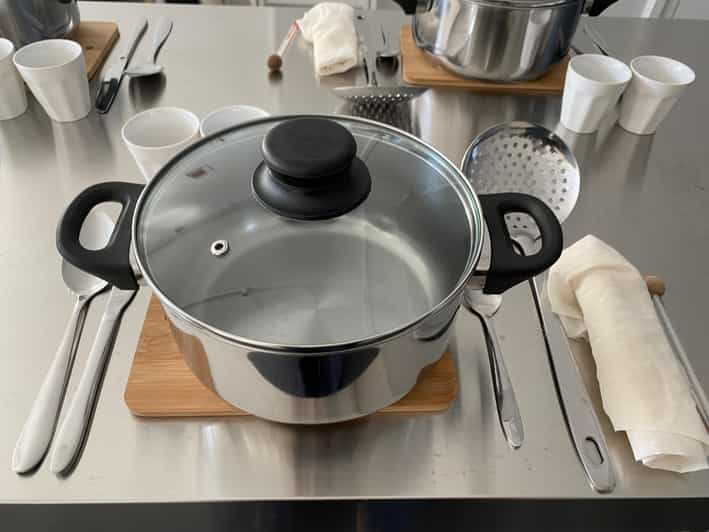
The central idea is wonderfully direct: two one-liter cartons of supermarket milk become two pieces of cheese. You use one liter for the acid-coagulated cheese and the second for the rennet-coagulated cheese.
That makes the workshop accessible. You do not need to arrive with special milk, a farm connection, or a cupboard full of equipment. The materials begin with something you can buy in an ordinary shop, which makes it easier to repeat the process later at home.
The first method uses acid to make the milk coagulate. The second uses rennet. Both cheeses are fresh, so you can see the results during the three-hour class rather than waiting days or weeks. That quick feedback is helpful for a beginner. You can connect each step to the curds in front of you while the instructions are still fresh in your mind.
The work is also designed to encourage experimentation. You can add herbs and spices to your cheese, giving the class a creative side rather than treating cheesemaking as a fixed laboratory exercise. I would think about your preferred flavors before arriving, but the important point is that you get to test how a plain fresh cheese changes with seasoning.
Do not expect to leave with a wheel of mature Dutch cheese. The two pieces you make are fresh cheeses, and that is an important distinction. They introduce the process without pretending that a short workshop can reproduce the time, aging rooms, and careful monitoring needed for a fully matured cheese.
Why the rennet lesson matters beyond the afternoon
The rennet portion may be the most useful part for anyone who wants to continue at home. Rennet coagulation is the procedure used for aged cheese, but the workshop teaches it through a fresh cheese first.
That is a sensible teaching choice. Aging cheese involves longer recipes and more care, so learning the first stages with a fresh version gives you a manageable starting point. You can understand how rennet works before taking on a project that requires more patience.
The class does not promise that you will master every type of cheese in three hours. Instead, it gives you a basic method and the supplies to repeat it. The emailed recipes matter here. Without written instructions, a hands-on class can fade into a vague recollection of curds, cloth, and warm milk. Recipes give you something concrete to follow once you are back in your own kitchen.
You also take home rennet and calcium. Those items turn the workshop from a one-off activity into a possible new hobby. You will still need milk and the appropriate kitchen setup at home, but you are not starting from zero.
Adding herbs, spices, and your own judgment
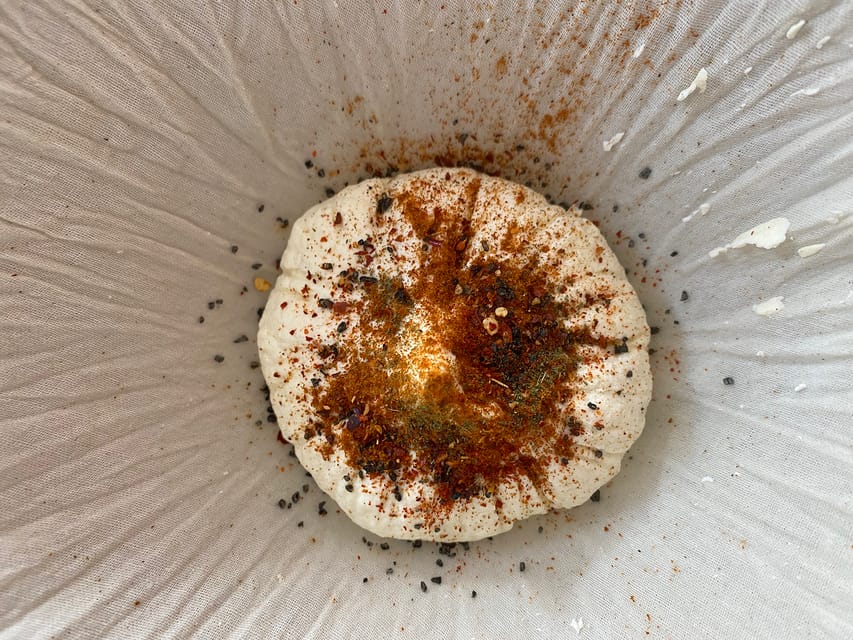
Cheesemaking has rules, but this class leaves space for taste. During the workshop, you can experiment with herbs and spices in your cheese. That small option gives you a way to make the finished pieces feel personal.
It also teaches an important lesson: a recipe is a foundation, not a prison. You first learn the basic method, then begin thinking about flavor. For a beginner, that is a good balance. Too much freedom at the start can be confusing, while too little can make the activity feel like following instructions at a school desk.
The exact herbs and spices available are not specified, so you should not expect a particular flavor menu. What is clear is that you get the chance to season your cheese rather than receiving an identical batch to everyone else.
I would keep your expectations realistic. Fresh cheese is mild and simple compared with a strongly aged cheese, so added seasoning can play a noticeable role. If you prefer food activities that let you make choices, this part should appeal to you. If you want a polished tasting led entirely by someone else, this workshop may feel more work-focused than you expect.
A few more options to weigh up in Amsterdam
- Amsterdam: Van Gogh Museum Ticket
★ 4.7 · 52,054 reviews - Amsterdam Luxury Canal Cruise + Unlimited Drinks & Bites option
★ 5.0 · 30,518 reviews - Amsterdam: Heineken Experience Ticket
★ 4.6 · 30,055 reviews - Amsterdam: Rijksmuseum Entry Ticket
★ 4.7 · 25,535 reviews
The homemade cheese tasting
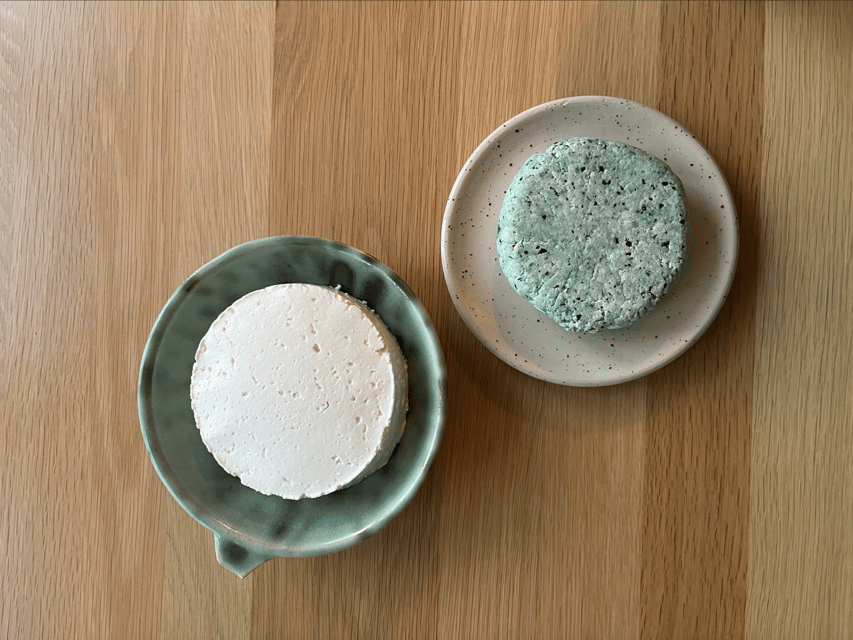
Once the two cheeses are ready, the session finishes with a tasting of homemade cheeses. You sample fresh and pressed cheeses, giving you a wider idea of what cheesemaking can produce.
This tasting is valuable because it puts your own cheese in context. You are not only asking if your batch tastes good. You can compare a fresh style with a pressed one and begin to understand how texture and preparation change the result.
The tasting also adds a social reward at the end of the work. You make something, talk through the process, and then sit down to taste cheese. That is a more satisfying rhythm than a class that ends immediately after cleanup.
Do keep the wording in mind: this is a tasting of homemade cheeses, not a full meal or a broad Dutch food tour. Tea is included with the introduction, but coffee and alcoholic drinks are not. If you are expecting wine pairings or lunch, you should plan those separately around De Hallen.
What you take home after three hours
You leave with:
- Two fresh cheeses made during the workshop
- A cheesecloth
- Rennet
- Calcium
- Recipes sent by email
The cheesecloth is a modest but useful item. It connects directly to the work you have just completed and can help you repeat the process. The rennet and calcium are even more important for future batches, since they support the method you have learned.
The two cheeses are also part of the value. They are not just samples handed over by an instructor. You made them, seasoned them, and learned what went into them. Their real worth is partly practical and partly personal.
The email recipes are worth saving somewhere easy to find. If you decide to continue cheesemaking, you will want the method available when you have forgotten the exact order of steps. The workshop is intended to open a door to more complex recipes, including aged cheese, but it does not supply a complete aging program or claim to teach every stage of that process.
Paula’s teaching style and the small-group setting
Paula was praised for being clear, interesting, helpful, and personable. One account specifically liked that she combined a short slide presentation with introductions before moving into the cheese work. Another singled out her help during the session.
That combination matters. A craft class can fail in two ways: the teacher can talk so much that you barely touch the materials, or provide so little explanation that you leave without knowing what happened. The format here appears to aim for a middle ground, with a short explanation followed by actual making.
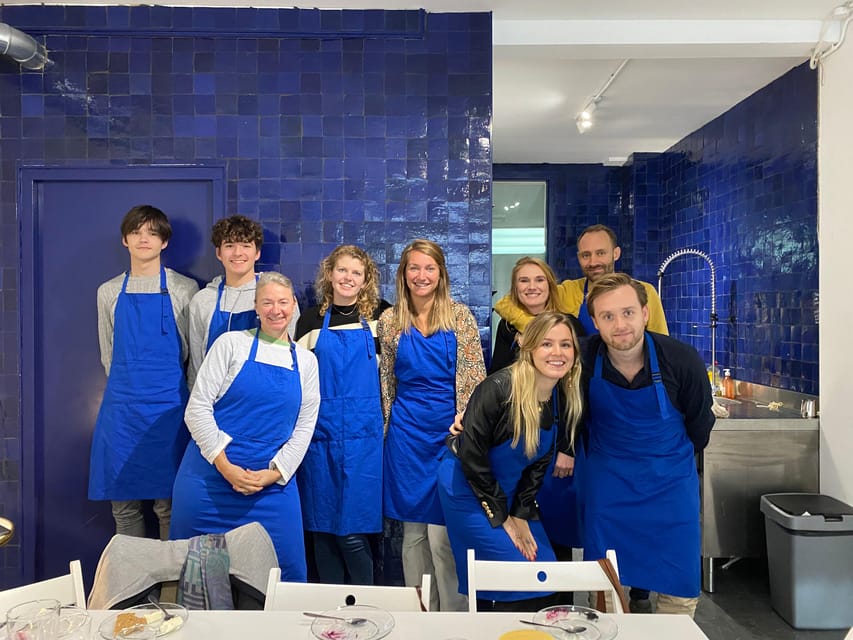
The maximum group size of 10 supports that approach. You are more likely to have space for questions and to follow what is happening in your own bowl or container. It also means the experience may suit couples, friends, or solo visitors who enjoy meeting a few people while working on a shared task.
The language options are English, Spanish, French, and Dutch. That makes the workshop useful for a wider range of visitors, though you should select the language you need when booking. The available information does not specify whether every session offers all four languages at once.
Is $135 a fair price?
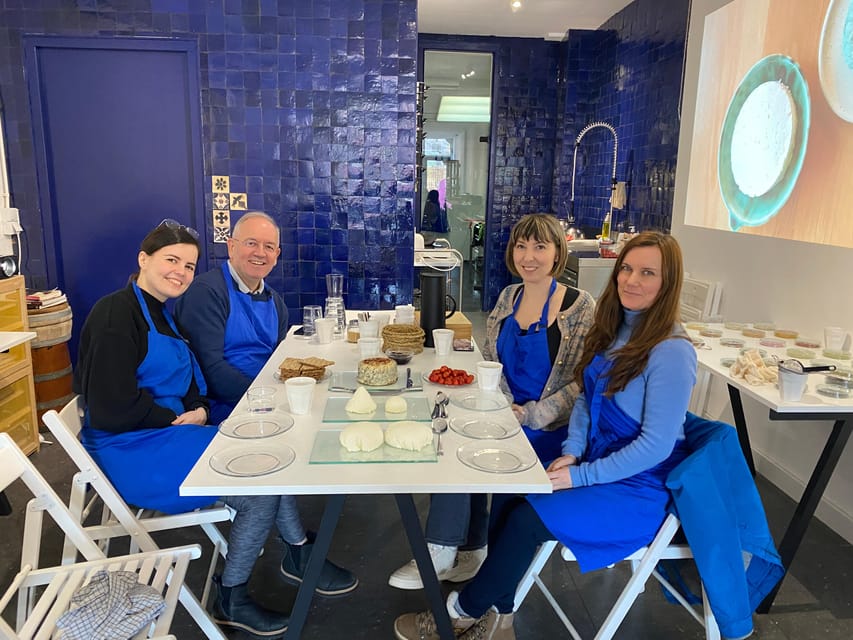
At $135 per person, this is a premium activity. You are paying more than the cost of buying cheese in Amsterdam, and the two fresh cheeses alone do not justify the price as groceries.
The value comes from the teaching and the ongoing use of what you learn. The fee includes tea, instruction, the two cheese-making activities, a tasting of fresh and pressed homemade cheeses, two cheeses to take home, cheesecloth, rennet, calcium, and recipes by email. If you see the class as a three-hour craft lesson with a starter kit, the price makes more sense.
I would book it for the learning rather than the quantity of food. You are buying a practical introduction to a craft, plus the ability to repeat the process at home. If you are curious about making aged cheese later, the rennet lesson adds extra value because it gives you a first step toward more involved recipes.
I would skip it if your main goal is a cheap tasting, a full meal, or a quick activity between major sightseeing stops. The cost is harder to defend for someone who has no interest in making cheese again.
Timing, age limits, and who should book
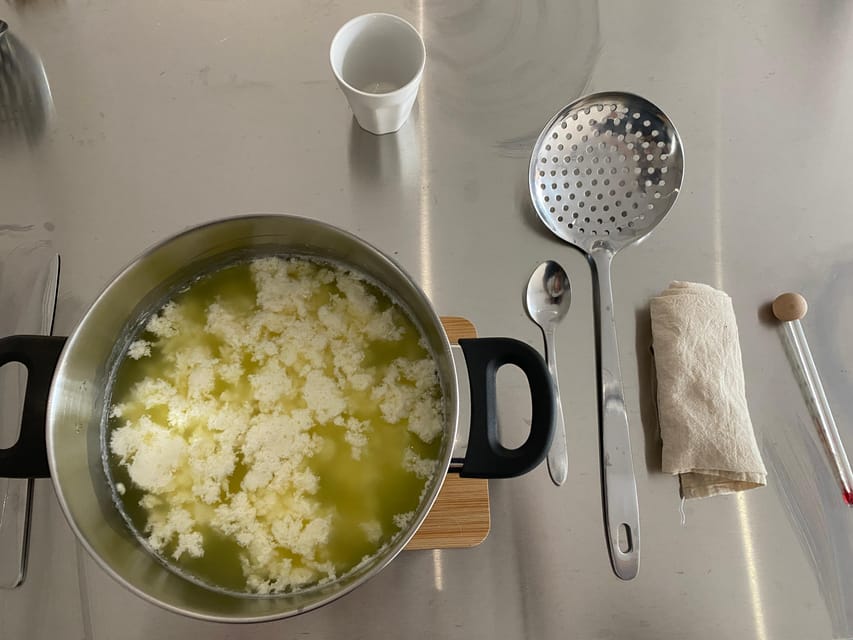
The activity lasts three hours. That is long enough for an introduction, two cheese-making methods, seasoning, and tasting, but short enough to fit into a planned day in Amsterdam. You should avoid placing another tight appointment immediately afterward. Hands-on classes can take a little flexibility, and the exact starting time depends on availability.
The workshop is not suitable for children under 16. It is also not suitable for people over 95, according to the stated participation limits. Most importantly, it is not suitable for anyone with lactose intolerance.
This is a good choice for:
- Adults who enjoy food crafts
- Couples looking for an activity beyond museums and canal sightseeing
- Solo visitors who like small-group classes
- Curious cooks who want to try cheesemaking at home
- People interested in learning the first steps toward aged cheese
It may not suit you if you want a passive demonstration, dislike dairy, or prefer a polished tasting with no preparation. You will be involved throughout the main part of the session.
Booking flexibility and practical planning
You can cancel up to 24 hours in advance for a full refund, and you can reserve now while paying later. That is useful when your Amsterdam schedule is still shifting.
Check the meeting point for the exact option you select, since it may vary. De Kaasserie is associated with the De Hallen area, but you should rely on your booking details rather than assume every option begins at the same door.
The class currently has a 5 out of 5 rating from three published bookings, including feedback dated August 2025, June 2025, and November 2024. That is an encouraging early record, though the sample is small. Paula’s teaching and the small group are the most consistently praised parts, so those are the features I would value most when deciding.
Should you book the De Kaasserie workshop?
Book this experience if you want to learn a craft, not simply eat cheese. The strongest reason to go is the combination of two methods, personal experimentation, a tasting, and supplies that let you continue at home.
The $135 price is high for a short food activity, but fairer if you will use the rennet, calcium, cheesecloth, and recipes after returning home. The best match is an adult food lover who enjoys making things and wants a memorable Amsterdam activity near De Hallen.
Skip it if you have lactose intolerance, need a family activity for younger children, or want alcohol and a full meal included. For everyone else, this is a focused, friendly way to spend three hours and leave with more than a souvenir: you leave with the first tools for making your own cheese.
FAQ
How long does the Amsterdam cheesemaking workshop last?
The workshop lasts three hours.
Where does the experience meet?
You meet at De Kaasserie, near De Hallen. The exact meeting point may vary depending on the option booked, so check your booking details.
How many kinds of cheese will I make?
You make two fresh cheeses. One uses acid coagulation, and the other uses rennet coagulation.
What do I take home?
You take home your two cheeses, a cheesecloth, rennet, calcium, and recipes sent by email.
Is a cheese tasting included?
Yes. The workshop ends with a tasting of homemade fresh and pressed cheeses.
Which languages are available?
The instructor languages are English, Spanish, French, and Dutch.
Is the workshop suitable for children or people with lactose intolerance?
No. It is not suitable for children under 16 or for people with lactose intolerance.
Just added in Amsterdam
- Private Tour Zaanse Schans Windmills and Volendam in Jaguar★ 5.0 · 10 reviews
- Half-Day Private Guided Sightseeing Tour of Zaanse Schans★ 5.0 · 14 reviews
- Zaanse Schans and Giethoorn Unique Day Trip with Boat Cruise★ 4.5 · 17 reviews
- Windmills-Volendam-Giethoorn Private Tour in Jaguar★ 5.0 · 2 reviews
- Best of Netherlands: Zaanse Schans Mills, The Hague & Rotterdam★ 4.5 · 10 reviews
- Zaanse Schans Private Tour Windmills★ 5.0 · 18 reviews
- Zaanse Schans Windmills Edam Volendam and Marken from Amsterdam★ 5.0 · 1 review
- Zaanse Schans Edam Volendam Private Day Tour from Amsterdam★ 5.0 · 3 reviews
Cheese Tasting Tours, compared.
Amsterdam Classic Saloon Boat Cruise with Drinks and Cheese
Read our review →
Classic Boat Cruise with Optional Cheese & Wine
Read our review →
Guided Zaanse Schans, Windmills & Cheese Tour
Read our review →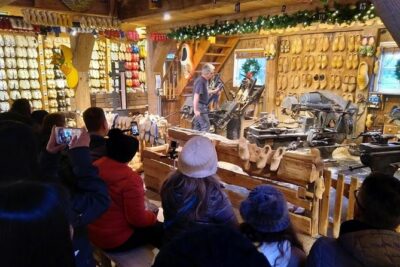
Zaanse Schans Windmills, Clogs and Dutch Cheese Small-Group Tour from Amsterdam
Read our review →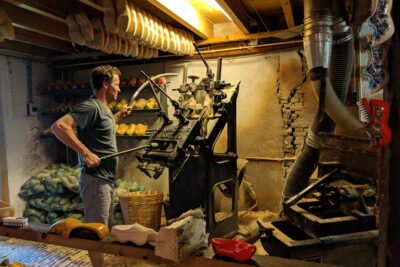
Countryside Bike Tour from Amsterdam: Cheese, Clogs & a Windmill
Read our review →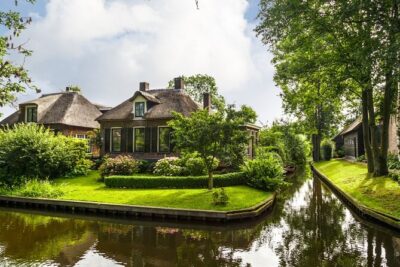
Giethoorn Tour Scenic Cruise, Cheese & Free Time
Read our review →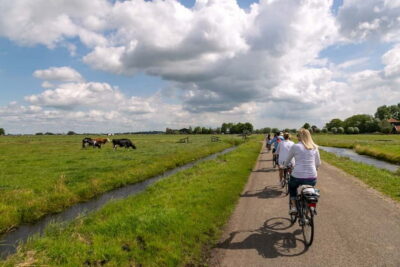
Windmill, Cheese, and Countryside E-Bike Tour
Read our review →
Premium Henri Willig Cheese Tasting Experience
Read our review →Browse the lists this tour appears in