
Review · RIJKSMUSEUM TICKETS
Amsterdam: Rijksmuseum Guided Tour and Ticket
Great art needs a little explaining. This two-hour Rijksmuseum tour gives you a clear path through Dutch Golden Age painting, from Rembrandt’s grand civic scenes to Vermeer’s quiet interiors. I like the focus on major works, and I like that your ticket remains valid all day, so you can keep exploring after the guide leaves. The main drawback is the tight schedule: you will see selected highlights, not the whole museum.
The tour is especially useful if you want more than a quick photograph of The Nightwatch. A good guide points out the small details, social clues, and painting tricks that are easy to miss alone. The only practical warning is strict timing. If you arrive after the tour begins, the ticket expires and you cannot join.
In This Review
- Five useful things to know before you go
- Meeting at Museumplein and getting inside
- Why a guided route helps at the Rijksmuseum
- Rembrandt, Vermeer, and the scale of Dutch ambition
- Facing Rembrandt’s The Nightwatch
- Portraits, Ferdinand Bol, and the artists around Rembrandt
- Jan Steen’s interiors and the humor of daily life
- Delftware, dolls houses, and the museum beyond canvas
- Two hours with the guide, then the rest of your day
- How to get the most from this Rijksmuseum visit
- Who should book this tour?
- FAQ
- Where does the Rijksmuseum tour start?
- How long does the guided tour last?
- Can I stay in the Rijksmuseum after the tour?
- Which languages are available?
- What can I bring inside the museum?
- What happens if I arrive late?
Five useful things to know before you go
- The Nightwatch is the centerpiece: Rembrandt’s huge militia painting gives the tour its grandest moment.
- You see more than paintings: Delftware, dolls houses, portraits, interiors, and the Pierre Cuypers Library add welcome variety.
- The tour follows a story: Your guide connects art with the rise of the Dutch Republic and its growing middle-class market.
- You can stay all day: The two-hour tour ends, but your Rijksmuseum admission remains valid for further exploring.
- Guide quality matters: Guides such as Martina, Claire, Kawika, Marlena, and Kiran have been praised for clear explanations, humor, and enthusiasm.
- Pack light: Only a handbag or small thin backpack is allowed. Large bags, suitcases, and umbrellas are not permitted.
Meeting at Museumplein and getting inside
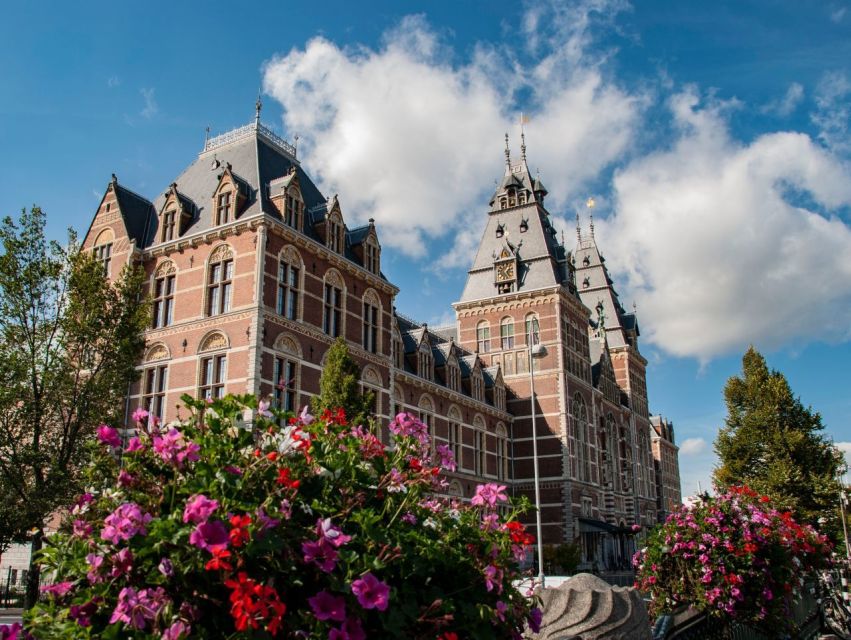
Your starting point is Cobra Cafe at Museumplein, beside the Rijksmuseum, unless your selected option gives another meeting location. This is a sensible arrangement because the museum entrance itself can be busy, and meeting outside gives the guide a chance to gather the group before the timed entry.
Your guide has the Rijksmuseum ticket ready. That saves you from dealing with the admission process on your own, but it also means punctuality matters. Rijksmuseum tickets work with strict time slots. Arrive early enough to find Cobra Cafe, locate the group, and deal with the museum entrance without rushing.
Bring a passport or identity card. Leave large luggage at your accommodation if possible. The museum allows handbags and small thin backpacks, but not suitcases, large bags, oversized luggage, or umbrellas. This is more than a minor packing note. Showing up with a full day bag can create a problem before the art even begins.
The museum can be busy, particularly around its best-known works. Some guides use audio equipment or headsets, which can make a real difference when other groups are nearby. Still, stay close. One practical weakness noted during the tour experience is that a guide can be hard to spot while moving through crowded rooms, especially without a bright bag or other easy marker.
More Rijksmuseum tickets:
- Amsterdam: Rijksmuseum Entry Ticket
★ 4.7 · 25,535 reviews - Amsterdam: City Canal Cruise and Rijksmuseum
★ 4.5 · 2,129 reviews - Rijksmuseum Amsterdam Small-Group Tour with Private Upgrade
★ 4.5 · 1,547 reviews
Why a guided route helps at the Rijksmuseum
The Rijksmuseum holds about 8,000 works on display. That is a lot of art for one building and far too much for a casual two-hour visit. Without a plan, you can spend half your time checking the map, looking for famous names, or wandering into rooms that do not fit your interests.
This tour gives you a historical route through the Dutch Golden Age. Rather than treating each painting as an isolated masterpiece, the guide explains how art reflected the new Dutch Republic and its prosperous middle class. That context helps the paintings make sense.
The period was not only about kings and churches commissioning grand art. Dutch artists also worked for merchants, civic groups, householders, and private collectors. That wider market helped create demand for portraits, still lifes, domestic scenes, seascapes, decorative objects, and paintings filled with small signs of status.
I like this approach because it gives you a reason to look closely. A still life becomes more than fruit, glass, and silver. A family interior becomes more than a crowded room. The guide can draw your eye toward illusionism, symbols, clothing, gestures, and tiny details that carry social meaning.
The exact route may vary with the guide, the museum schedule, and works temporarily away for conservation or loan. The main focus is the second floor, especially the Dutch masters, but the tour also includes objects and rooms beyond the central painting displays.
Rembrandt, Vermeer, and the scale of Dutch ambition
The tour’s main artistic weight rests with Rembrandt and Vermeer. They offer two very different ways to understand Dutch painting.
Rembrandt’s work is dramatic, human, and full of shifting light. His portraits are particularly useful on a guided visit because you can compare how he presented different people and how his treatment of faces changed across his career. Instead of simply admiring a famous name, you get a closer look at pose, expression, clothing, and the painter’s handling of light.
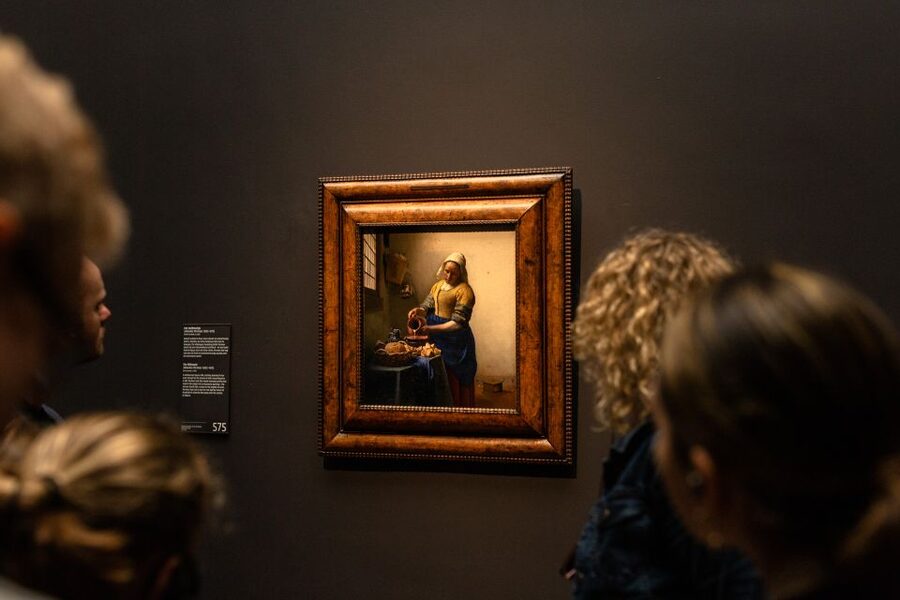
Vermeer works on a smaller scale and asks for a slower gaze. His scenes can appear simple at first, but the arrangement of light, objects, and stillness is carefully controlled. A guide can help you notice how much thought sits behind a quiet interior.
The pairing is valuable. Rembrandt shows public drama and emotional force, while Vermeer shows the calm order of domestic life. Together, they give you a more complete view of the era than a tour focused only on one famous painting.
The guide also places both artists within the changing Dutch Republic. The art was shaped by wealth, trade, civic identity, domestic life, and new buyers. That social setting is one of the strongest reasons to choose a tour instead of simply using the museum’s floor plan.
Facing Rembrandt’s The Nightwatch
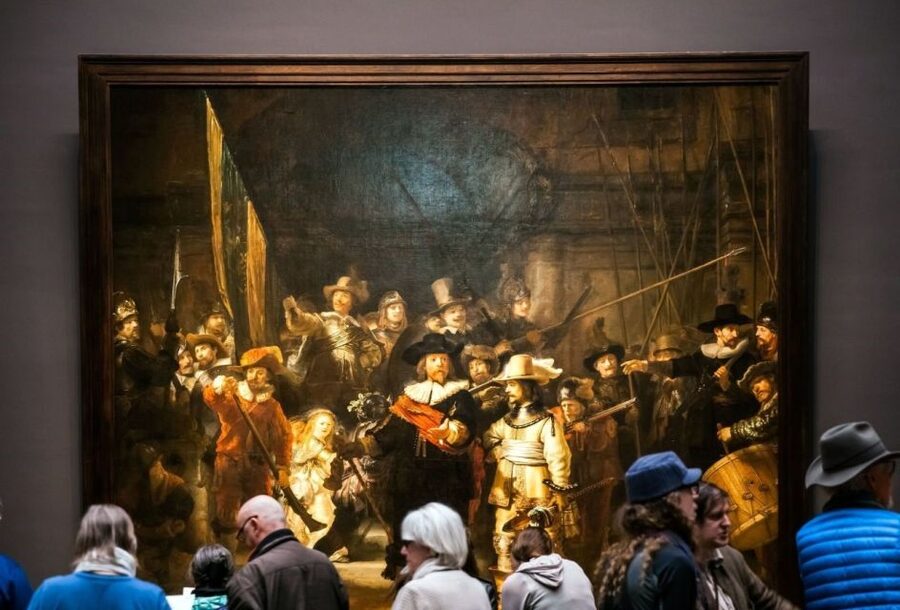
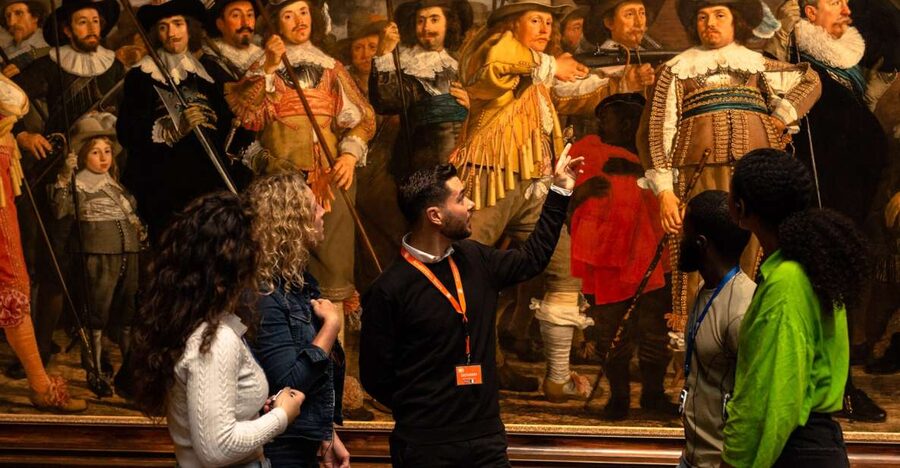
The Nightwatch is the obvious star of the visit, and the tour gives it the attention it deserves. Its size alone changes the experience. You do not look at it like a small portrait on a crowded wall. You face a large public scene with movement, light, weapons, uniforms, and a crowd that seems to push out toward you.
Rembrandt’s composition is not a tidy lineup of civic guards. Figures overlap, gestures point in different directions, and bright details pull your eye around the canvas. The painting feels active, which helps explain its lasting power.
Your guide can make the scene easier to read by explaining the people, arrangement, and visual tricks. Without that help, you may notice only the famous central figures and the theatrical lighting. With explanation, you begin to see how Rembrandt built a group portrait that behaves more like a stage scene.
Expect this room to be a busy part of the visit. You may need to position yourself carefully to see the whole painting and hear the guide. If you want a long, quiet look, return after the tour when you can set your own pace.
The Nightwatch is important, but do not let it swallow the whole museum. The best use of the guided visit is to learn how the painting fits into a larger culture of civic pride, private wealth, and public display.
A few more options to weigh up in Amsterdam
- Amsterdam: Van Gogh Museum Ticket
★ 4.7 · 52,054 reviews - Amsterdam Classic Saloon Boat Cruise with Drinks and Cheese
★ 5.0 · 31,825 reviews - Amsterdam Luxury Canal Cruise + Unlimited Drinks & Bites option
★ 5.0 · 30,518 reviews - Amsterdam: Heineken Experience Ticket
★ 4.6 · 30,055 reviews
Portraits, Ferdinand Bol, and the artists around Rembrandt
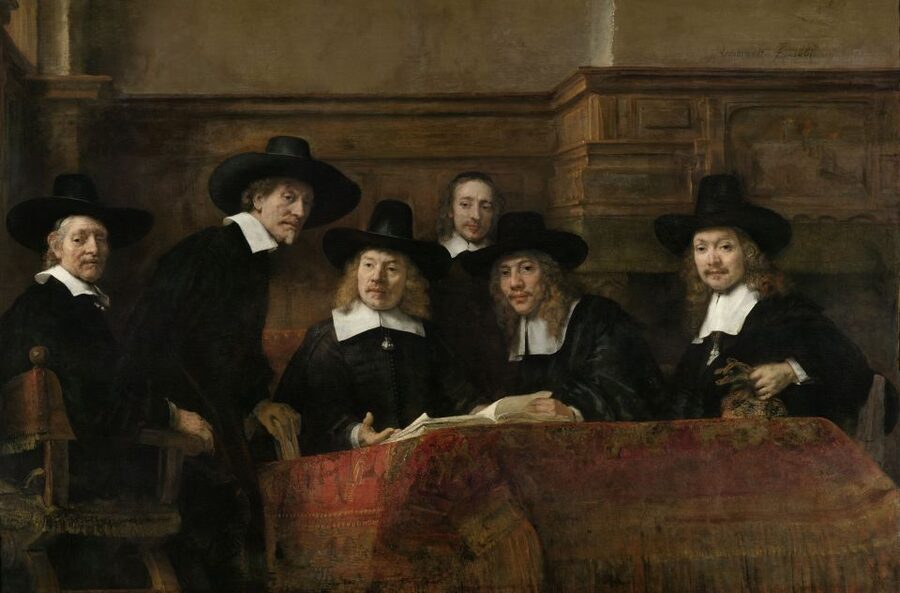
Rembrandt’s portraits receive special attention. This is a strong choice because portraits reveal how people wanted to be seen. Clothing, jewelry, posture, age, and facial expression all offer clues about rank and personality.
The guide also introduces Ferdinand Bol’s self-portrait. Bol is closely connected to the Rembrandt tradition, so this stop helps you see how artists learned from major figures while developing their own careers. A self-portrait also gives you a direct look at how an artist chose to present himself.
These works are useful for visitors who do not feel confident discussing art. You do not need a background in painting. Start with simple questions: Who is being shown? What does the pose suggest? Where does your eye go first? What looks natural, and what has clearly been arranged?
The strongest guides make those questions feel like conversation rather than a lecture. Several guides praised during this experience, including Martina, Claire, Kawika, and Marlena, have been described as clear, lively, and able to connect with different ages. One guide even kept teenagers engaged, which is no small achievement in a major art museum.
Jan Steen’s interiors and the humor of daily life
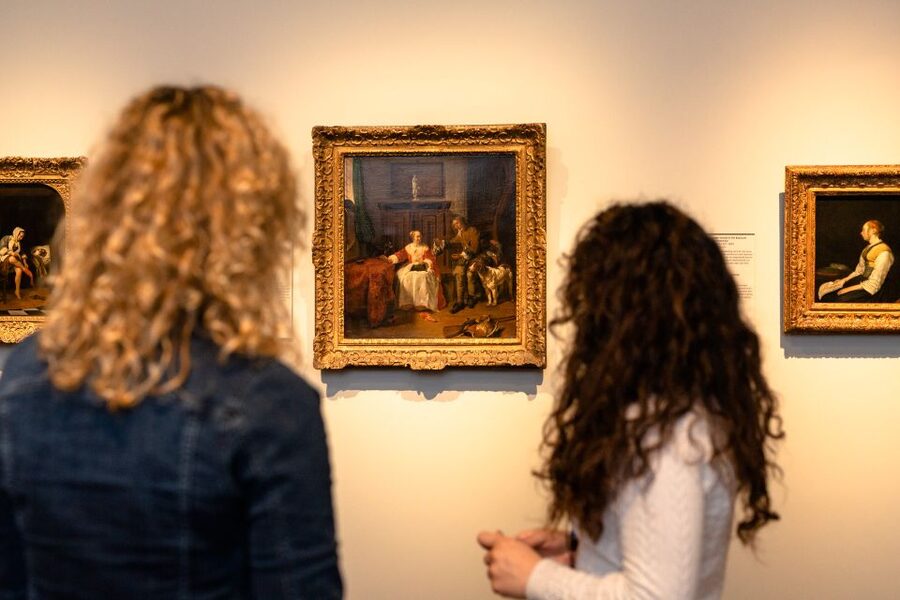
Jan Steen’s family interiors provide a change of mood after the formal portraits and large civic painting. His rooms are often full of activity, human behavior, and visual clues. The domestic setting feels familiar, but the details invite a closer read.
This is where a guide’s social explanation helps. Household scenes can contain jokes, warnings, habits, and signs of disorder. You might see more than a family gathered indoors. You may find a carefully arranged commentary on manners, family life, or excess.
The stop also broadens the story of Dutch art. The Golden Age was not only solemn civic groups and wealthy sitters. It included ordinary rooms, family relationships, domestic objects, and the humor of everyday behavior.
If you enjoy art that rewards inspection, Jan Steen may become one of your favorite parts of the route. If you prefer only major canonical masterpieces, this section may feel less urgent. I would still keep it in the plan because it shows how much meaning Dutch painters found in ordinary life.
Delftware, dolls houses, and the museum beyond canvas
The Rijksmuseum is not just a painting gallery, and this tour makes room for that fact. Delftware brings decorative arts into the story, showing how objects could carry both practical and visual appeal.
The 17th-century dolls houses are another memorable stop. These are not simple toys in the modern sense. They offer a miniature view of domestic life, taste, possessions, and the desire to organize a household in careful detail.
These objects matter because they connect the museum’s great paintings with the world those paintings came from. A portrait may show a wealthy person, while a dolls house or piece of Delftware hints at the kinds of objects that filled a prosperous home.
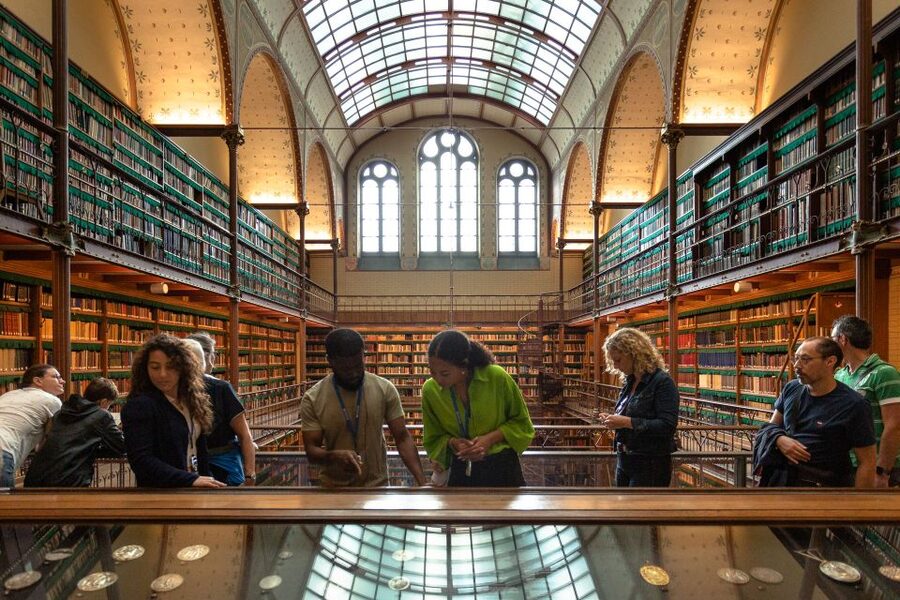
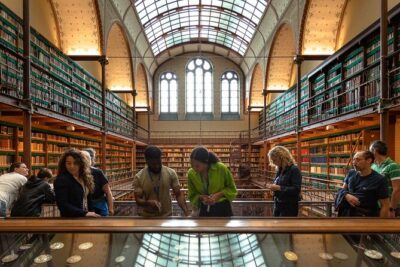
The Pierre Cuypers Library adds a different note. Its architectural character and rows of books remind you that the Rijksmuseum is also a place for research and preservation, not only a hall of famous pictures. You may not spend long there, but it helps you understand the building as part of the museum experience.
The tour focuses mainly on paintings, according to the route taken on some departures, so do not expect equal time in every department. Still, these non-painting stops break up the succession of canvases and give the period a more physical feel.
Two hours with the guide, then the rest of your day
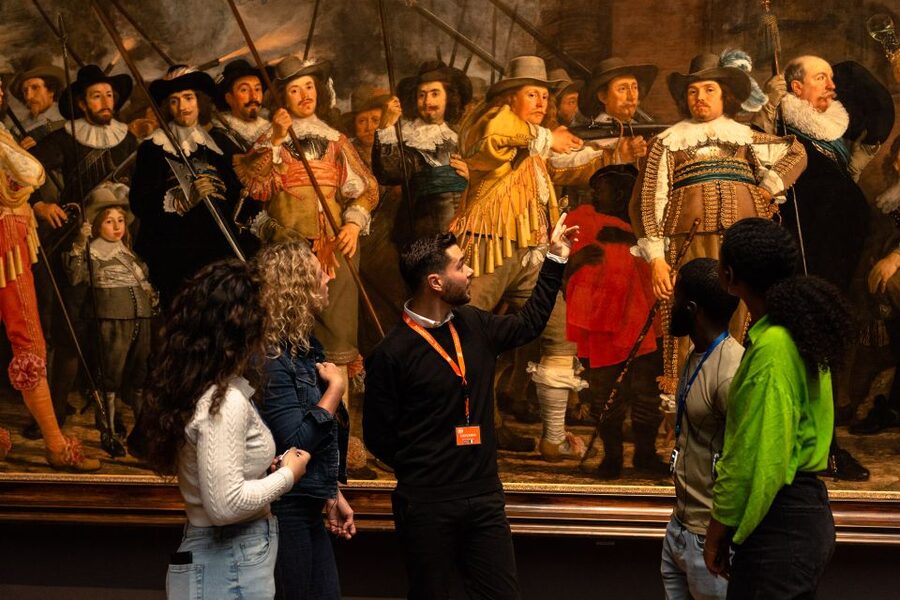
Two hours is enough for a thoughtful introduction, but not enough for the entire Rijksmuseum. A strong guide can lead you through key rooms, explain the main works, and keep the pace moving. You will not stop for every object.
That limitation is also useful. A huge museum can exhaust you if you try to see everything at once. The guided route gives you a foundation. Afterward, you can return to rooms that interested you, look for artists the guide mentioned, or simply slow down in front of a painting that caught your eye.
Your ticket is valid all day, which improves the value of the experience. At $78 per person, this is not a cheap admission ticket. You are paying for the museum entrance plus a live guided tour in a choice of Dutch, German, Italian, English, or French.
The price makes the most sense if you want interpretation and a planned route. A visitor who only wants to enter the museum and wander independently may find it expensive. Someone with limited time, little art background, or a strong interest in Rembrandt and Dutch history may find the added guidance worthwhile.
Plan a break if you intend to stay after the tour. The museum cafe and shop are available, and a pause can help before you return to the galleries. One useful idea is to treat the tour as your first visit and the remaining hours as your personal museum time.
How to get the most from this Rijksmuseum visit
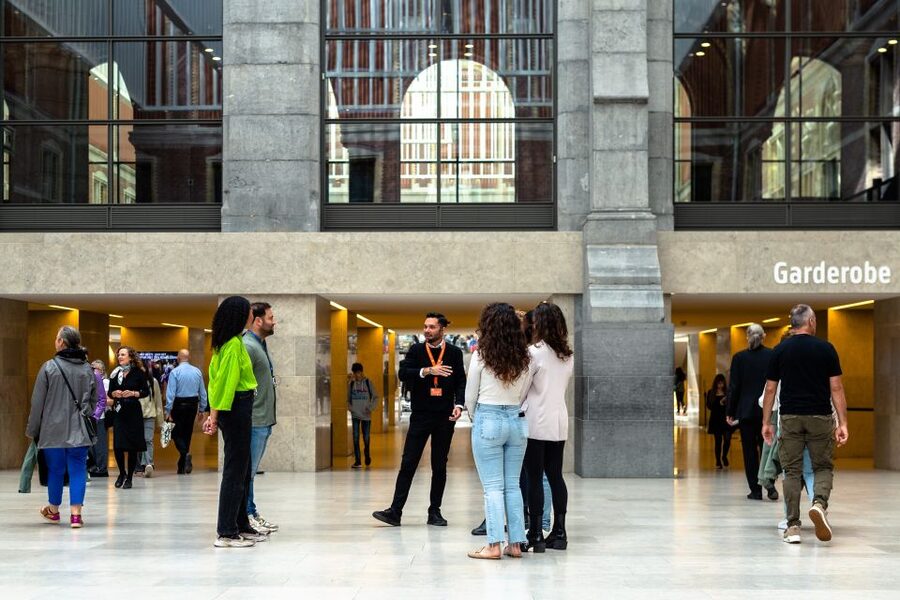
Arrive early. The tour cannot wait for late arrivals because the timed ticket expires after the start time. This is the single most important practical point.
Pack lightly. A handbag or small thin backpack is the safest choice. Do not bring a suitcase, large bag, oversized luggage, or umbrella.
Listen for the guide’s instructions about quiet rooms. Some museum rooms restrict speaking for the comfort of everyone inside. Your guide will explain the rule before you enter, and you should be ready for sections where the commentary pauses.
Use the tour to learn a viewing method. Notice composition, light, symbols, clothing, scale, and the social setting of each work. Then use those same questions during your independent time.
Do not assume every named artwork will be on display. Paintings and objects can be away on loan or under conservation. The museum experience can change, and a temporary absence is not a failure of the tour.
The choice of guide can shape the mood. Past guides such as Martina, Claire, Kawika, Kiran, Ronald, Sylvia, and Wybe Rood have been praised for clear storytelling, humor, patience, and strong art or historical insight. Individual assignments are not guaranteed, but the pattern is encouraging.
Who should book this tour?
Book it if you want the Rijksmuseum to make sense rather than simply look impressive. It suits first-time visitors, families with limited museum experience, and anyone who wants help spotting details in Rembrandt, Vermeer, Jan Steen, and related works.
It is also a good fit if you have only two hours for the main visit but can stay longer afterward. The guided section gives you structure, while the all-day ticket lets you continue alone.
You may want to skip it if you already know the Rijksmuseum well, prefer complete independence, or mainly want to explore departments outside Dutch Golden Age painting. The tour cannot cover every gallery, and its focus is clearly on selected highlights.
At $78, I would book it for the guide and the interpretation, not simply for entry. The value comes from the stories behind the art, the route through the second floor, and the chance to see The Nightwatch with a clearer eye. Just arrive early, carry little, and save time after the tour for the rooms you want to revisit.
FAQ
Where does the Rijksmuseum tour start?
The usual meeting point is Cobra Cafe at Museumplein, next to the Rijksmuseum. The exact meeting point may vary depending on the option booked.
How long does the guided tour last?
The guided tour lasts two hours. Starting times vary, so check availability when booking.
Can I stay in the Rijksmuseum after the tour?
Yes. Your Rijksmuseum ticket is valid all day, so you can continue exploring the approximately 8,000 works on display after the guided portion ends.
Which languages are available?
Live guides may be available in Dutch, German, Italian, English, and French. Check the selected option for the language offered at your chosen time.
What can I bring inside the museum?
Only handbags or small thin backpacks are allowed. Large bags, suitcases, oversized luggage, and umbrellas are not permitted.
What happens if I arrive late?
The Rijksmuseum uses strict time slots. After the tour starting time, you cannot join because the entrance ticket expires.
Just added in Amsterdam
- Private Tour Zaanse Schans Windmills and Volendam in Jaguar★ 5.0 · 10 reviews
- Half-Day Private Guided Sightseeing Tour of Zaanse Schans★ 5.0 · 14 reviews
- Zaanse Schans and Giethoorn Unique Day Trip with Boat Cruise★ 4.5 · 17 reviews
- Windmills-Volendam-Giethoorn Private Tour in Jaguar★ 5.0 · 2 reviews
- Best of Netherlands: Zaanse Schans Mills, The Hague & Rotterdam★ 4.5 · 10 reviews
- Zaanse Schans Private Tour Windmills★ 5.0 · 18 reviews
- Zaanse Schans Windmills Edam Volendam and Marken from Amsterdam★ 5.0 · 1 review
- Zaanse Schans Edam Volendam Private Day Tour from Amsterdam★ 5.0 · 3 reviews
Rijksmuseum Tickets, compared.
Rijksmuseum Amsterdam Small-Group Tour with Private Upgrade
Read our review →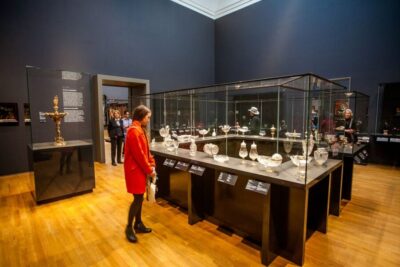
Rijksmuseum Entry Ticket and Canal Cruise Combo
Read our review →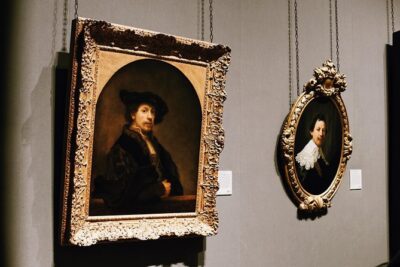
Rijksmuseum Amsterdam Exclusive Guided Tour w/ Reserved Entry
Read our review →
Van Gogh & Rijksmuseum w/ Reserved Entry Semi-Private 8ppl Max
Read our review →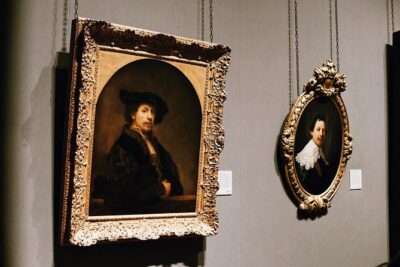
Van Gogh & Rijksmuseum w/ Reserved Entry Exclusive Guided Tour
Read our review →
Browse the lists this tour appears in