
Review · LEIDEN TOURS
Leiden: Hortus Botanicus Entry Ticket
Small garden, big botanical story. Leiden’s Hortus Botanicus combines centuries-old trees, tropical glasshouses, and plant collections from around the world in a calm, easy-going visit. I especially like the link to the first tulips grown in Europe and the chance to see plants from Southeast Asia without leaving the city.
The $13 admission is fair if you enjoy gardens, orchids, or unusual plants, and the flexible one-day validity makes it easy to fit into a Leiden itinerary. My main caution is simple: if you are not interested in plants, you may finish the visit in about an hour and a half and feel you have seen enough.
In This Review
- Quick points before you go
- Why Leiden’s botanical garden is worth your time
- Starting at the Front Garden and glasshouse
- The Clusius Garden and Leiden’s early plant story
- The Japanese Garden and plant exchange
- Tropical orchids and Southeast Asian plants
- Carnivorous plants and the more unusual displays
- Seasonal plants that reward good timing
- Ancient trees and the outdoor walk
- How long to allow and how to plan the visit
- Is the $13 ticket good value?
- Who will enjoy Hortus Botanicus Leiden most?
- Should you book the Hortus Botanicus Leiden ticket?
- FAQ
- Where is Hortus Botanicus Leiden located?
- How much does admission cost?
- How long is the visit?
- What does the ticket include?
- Are food and drinks included?
- What languages are available?
- Is the garden wheelchair accessible?
- When does the jadevine usually flower?
- When can you see the seasonal water plants and lotus?
Quick points before you go
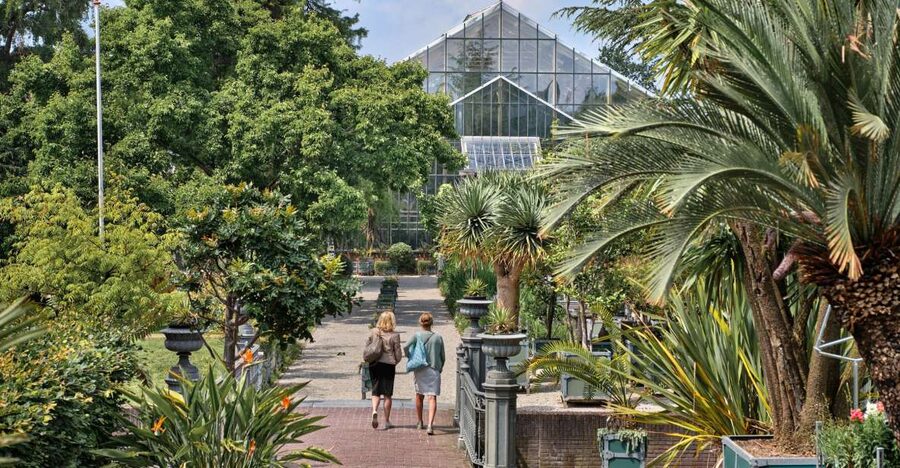
- Founded in 1590: Hortus Botanicus Leiden is the oldest botanical garden in the Netherlands.
- First European tulips: The historic garden is connected with the early cultivation of tulips in Europe.
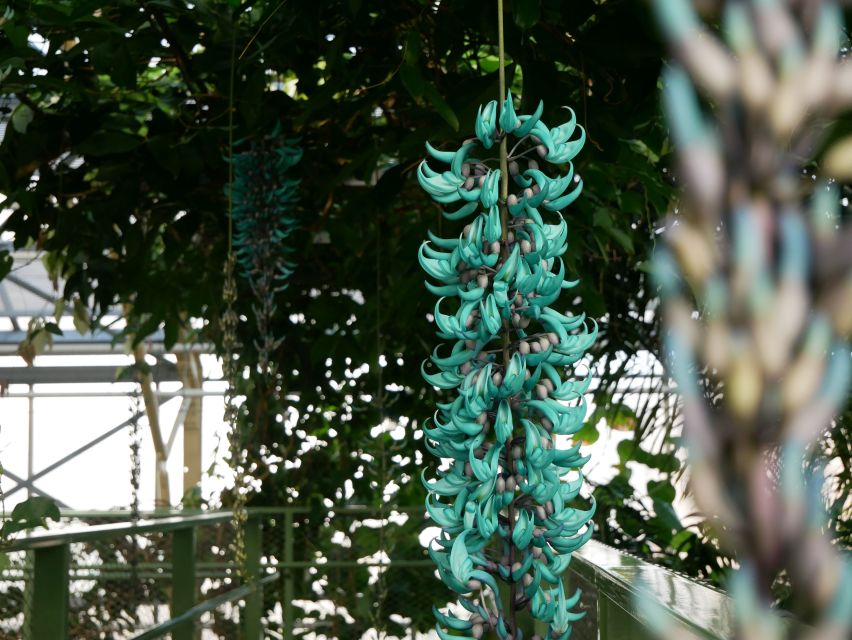
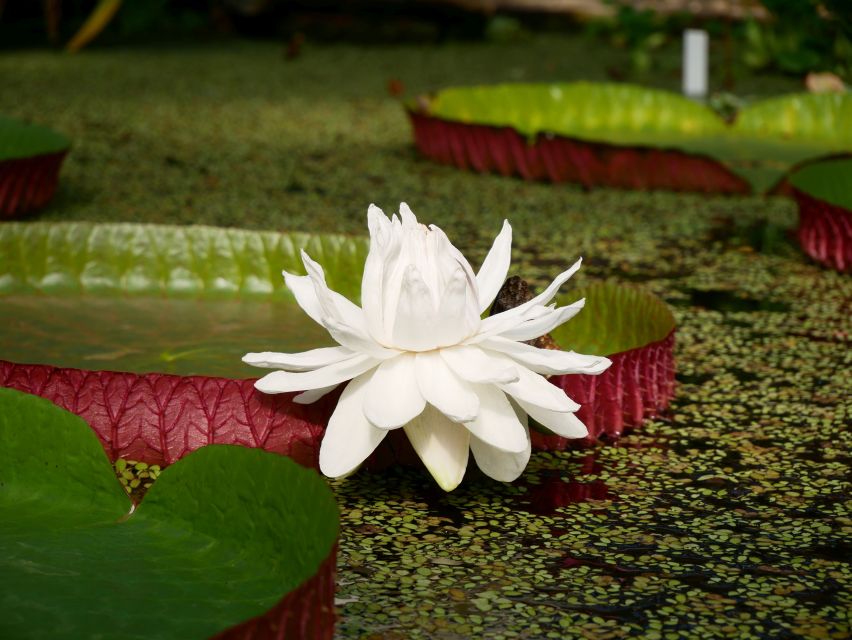
- Seasonal highlights change: Jadevine usually flowers in March and April, Victoria amazonica from June through September, and Chinese lotus in July.
- World plants in one walk: Expect tropical orchids, carnivorous plants, Southeast Asian specimens, seasonal flowers, and trees more than a century old.
- Easy, self-paced visit: Most people can see the main collections in about 90 minutes, but your ticket is valid for one day.
- Useful facilities: A souvenir shop and Grand Café are available before you leave, though food and drinks cost extra.
Why Leiden’s botanical garden is worth your time
Hortus Botanicus Leiden is not simply a pleasant patch of flowers. It is a living collection shaped by science, trade, plant exchange, and centuries of gardening. The garden was founded in 1590, giving your walk a strong sense of place from the start.
The tulip connection adds a particularly good historical detail. This is where the first tulips in Europe were grown, so the flowers that now define Dutch spring have an important link to this garden.
I like the way the experience balances history with plants you can see right now. You do not need a botany degree to appreciate an ancient tree, a carnivorous plant, or an orchid in bloom. You can simply walk, pause, and look closely.
The garden also gives you several different moods in a small area. One section may feel formal and carefully arranged, while another brings you beneath old trees or into warm tropical air. That variety keeps the visit from becoming one long parade of flowerbeds.
Still, set your expectations correctly. This is a botanical garden rather than a large amusement attraction or a full-day museum. The supplied visit time of about 90 minutes is a good guide for most people, although plant lovers can take longer.
A few more options to weigh up in Leiden
- Leiden: Guided City Canal Cruise
★ 4.6 · 724 reviews - Leiden: Cruise through the Historic City Center with Guide
★ 4.6 · 445 reviews - Leiden: Electric Boat Rental
★ 4.8 · 168 reviews
Starting at the Front Garden and glasshouse
After exchanging your ticket at the front gate, you can begin at your own pace. There is no scheduled guided route to follow, and that freedom suits the garden well. You can move slowly, return to a favorite area, or spend extra time with plants that catch your eye.
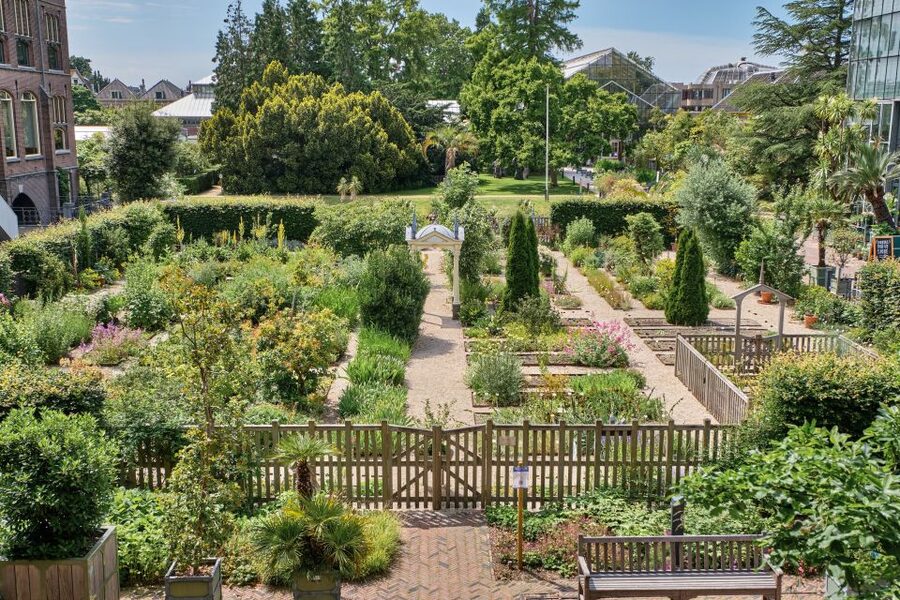
The Front Garden provides an introduction to the setting. It leads you toward the newer glasshouse and the older parts of the garden, making it a useful place to get your bearings.
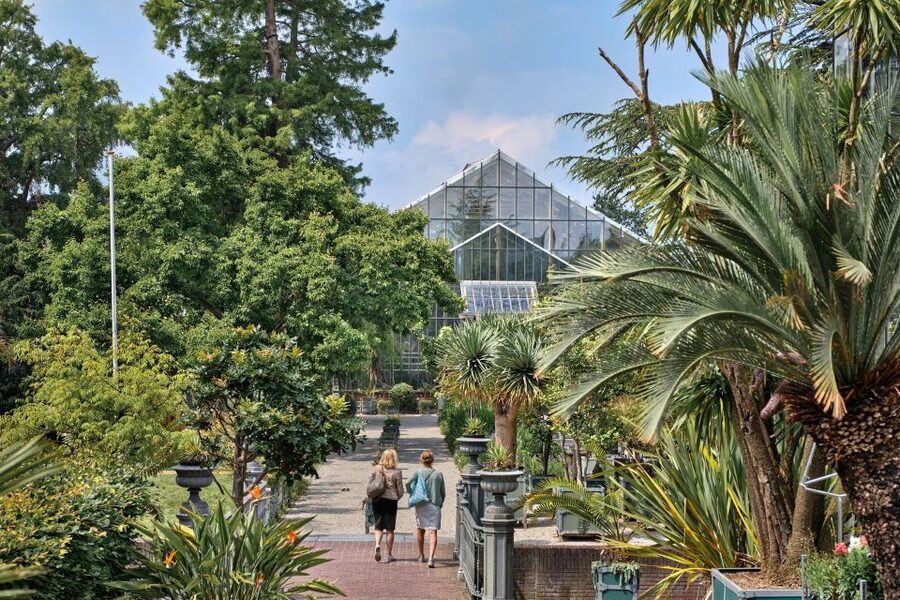
The glasshouse is one of the main reasons to visit on a cool or rainy day. Inside, you can expect a controlled tropical setting and plants that would not survive outdoors in the Dutch climate. The contrast between Leiden weather and warm Southeast Asian plant life gives this part of the visit a clear sense of purpose.
The glasshouse also helps explain the garden’s wider role. Hortus Botanicus Leiden is not only about decoration. Its collections bring together plants from many parts of the world, with particular attention to Southeast Asia.
The Clusius Garden and Leiden’s early plant story
The Clusius Garden connects the visit with the garden’s early period. It is named for Carolus Clusius, the botanist associated with the development of Leiden’s botanical garden and the arrival of tulips in Europe.
You can treat this area as both a garden stop and a history lesson. The important point is not just that tulips are pretty. It is that plants often traveled through scientific networks, gardens, and trade routes before becoming familiar parts of everyday life.
That context makes the tulip story more memorable. You are seeing the place where a now-famous Dutch symbol began its European story, rather than hearing about it in a distant museum display.
The Clusius Garden may be especially rewarding in spring, when flowering bulbs add color to the visit. The exact display changes with the season, so you should not expect the same garden in every month.
The Japanese Garden and plant exchange
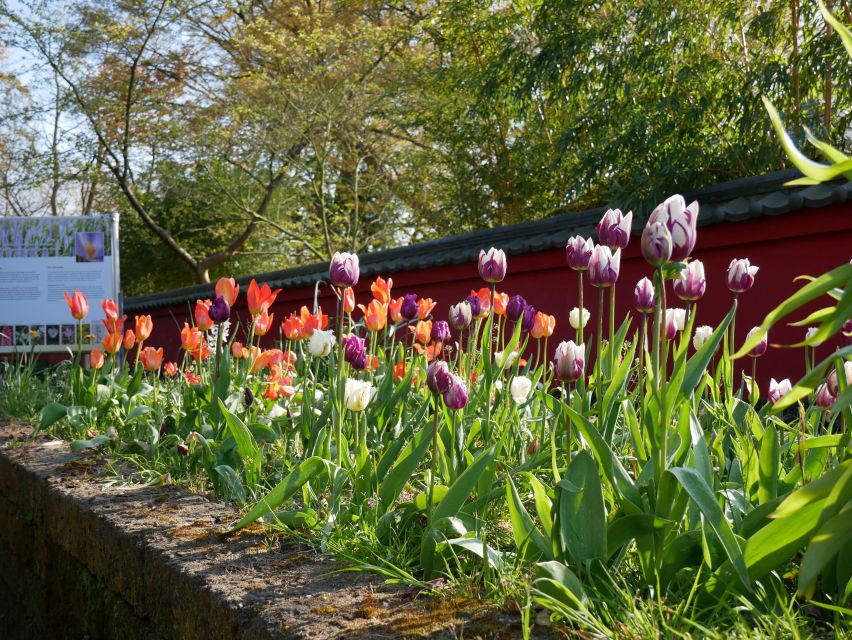
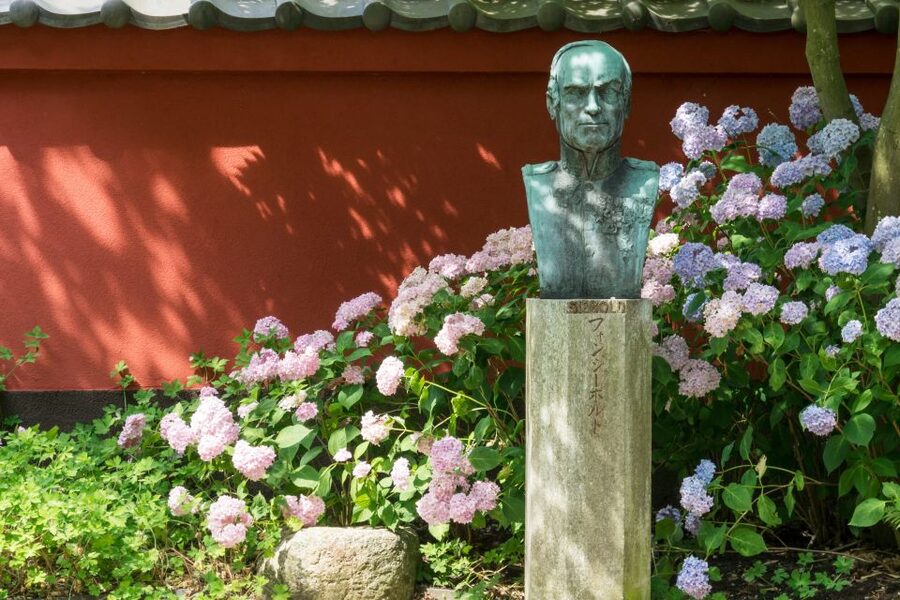
The Japanese Garden offers a quieter change of pace. It shows the historical exchange of plants between Japan and the Netherlands, adding an international layer to the garden’s story.
This is a good place to slow down. The value here is not only the individual plants but also the way the garden presents connections between two countries. A botanical garden can make history feel physical: you see the plants, the arrangement, and the setting rather than just reading dates.
The Japanese Garden also helps break up the tropical collections. If the glasshouse feels warm and packed with unusual forms, this section gives you space to enjoy a more measured walk.
I would not rush through it simply because it may look less dramatic than the orchids or carnivorous plants. Its appeal is calmer and more reflective. It is also one of the areas that helps make Hortus Botanicus feel like a collection of distinct gardens rather than one continuous display.
A different kind of day out entirely:
- Leiden Tour with Live guide and Visit to Rembrandt’s First Studio
★ 5.0 · 29 reviews - Alphen aan den Rijn: 15-Minute Flyboard Experience
★ 4.8 · 24 reviews - e-Scavenger hunt Leiden: Explore the city at your own pace
★ 4.0 · 19 reviews - Discover Leiden with a self-guided Outside Escape city game tour!
★ 5.0 · 16 reviews
Tropical orchids and Southeast Asian plants
The tropical collections are among the strongest reasons to pay the admission fee. Hortus Botanicus has plants from around the world, with a major focus on Southeast Asia, so the glasshouse can feel far removed from Leiden’s canals and brick streets.
Orchids are a major draw. You can expect rare tropical orchids and a range of shapes, colors, and growth forms. The appeal is not limited to a single famous bloom. Look at how the plants grow and how differently they use their surroundings.
The tropical section works well for both casual visitors and serious plant fans. If you know little about orchids, you can still enjoy their unusual flowers. If you collect or grow plants at home, you may want to spend longer studying the specimens.
This area is also useful when the outdoor gardens are between seasons. The indoor collections provide something to see even when spring bulbs have faded or autumn flowers are less prominent.
Carnivorous plants and the more unusual displays
Carnivorous plants give the garden a touch of drama. Their ability to trap insects makes them an easy favorite, especially for children and anyone who likes plants with an unusual trick.
The collection offers a useful reminder that botanical gardens are not only about familiar flowers and attractive trees. Some plants survive through strategies that look strange to us, and seeing them in person is more interesting than reading about them in a book.
You may find this section fairly compact compared with the full garden, so it is best seen as one part of a larger visit. Do not plan the entire outing around carnivorous plants alone. Combine them with the tropical orchids, seasonal displays, and outdoor areas for a fuller experience.
Seasonal plants that reward good timing
The garden changes throughout the year, and the timing of your visit can shape what you see.
The jadevine generally flowers in March and April. Its unusual color and form make it a special spring target, though you should not treat flowering dates as a guarantee. Plants respond to growing conditions, and displays can vary.
Victoria amazonica, the giant water lily, usually flowers from June through September. This is one of the garden’s most distinctive seasonal features. The plant’s large floating leaves give the aquatic collection a very different look from the orchids and trees.
Chinese lotus flowers in July, providing another reason to consider a summer visit. If you care most about seasonal blooms, check current conditions before you go rather than relying only on a calendar range.
Spring also brings flowering bulbs, while autumn offers a relaxing walk beneath colorful old trees. This gives the garden value beyond a single best season. You are likely to find a different emphasis in spring, summer, and autumn.
Ancient trees and the outdoor walk
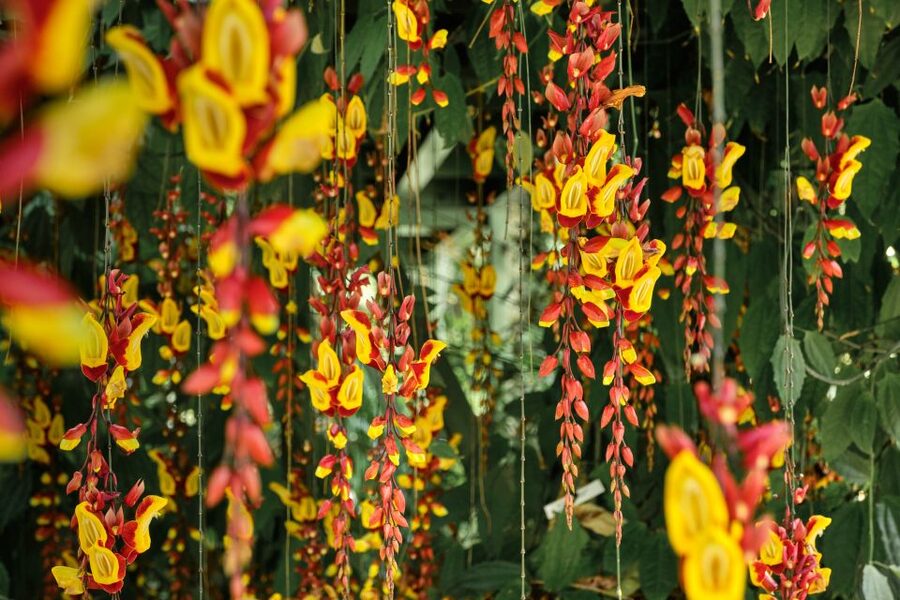
The garden includes almost 30 trees, with some more than 100 years old. These trees give Hortus Botanicus a sense of scale that smaller flowering displays cannot provide.
I like this part because it slows the visit down. After looking at rare orchids or insect-eating plants, walking beneath old trees gives your eyes and mind a rest.
In autumn, the trees become a major reason to visit, with colorful leaves creating a different atmosphere from the spring bulb displays. In warmer months, the outdoor walk offers a relaxed way to continue exploring after the glasshouse.
The age of the trees also adds meaning to the garden’s history. A plant display can be rearranged, but an old tree records time in a more visible way. You are not just looking at a specimen; you are looking at something that has been growing in this setting for generations.
How long to allow and how to plan the visit
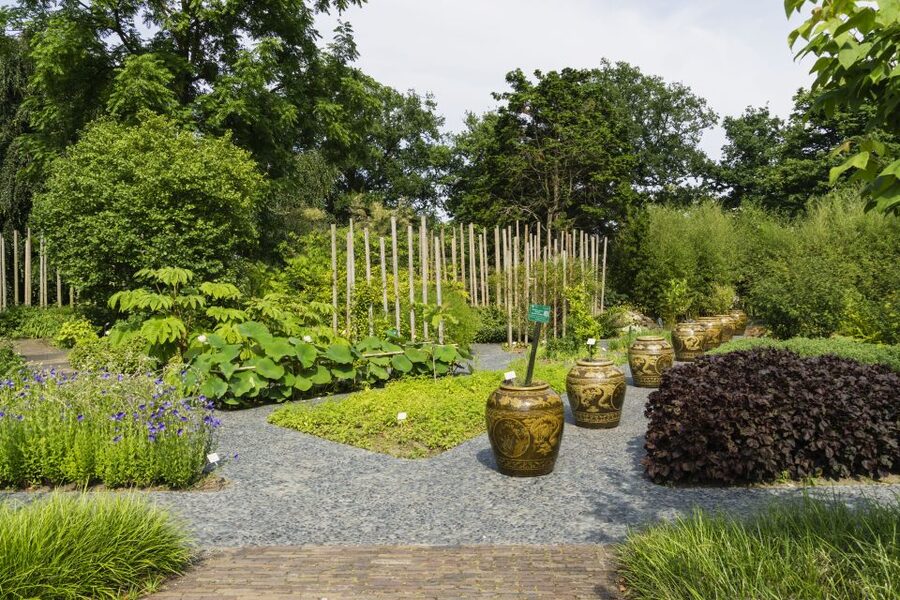
The suggested time is about an hour and a half. That works for a focused visit covering the main gardens, glasshouse, tropical collection, and outdoor trees.
I would allow extra time if you enjoy taking photographs, reading plant labels, or sitting in the garden. The one-day validity means you are not forced to rush through every section in a single short window.
A practical plan is to begin with the Front Garden and glasshouse, continue through the Clusius Garden and Japanese Garden, then finish with the outdoor trees and seasonal displays. You can reverse that order if the weather is better for walking outdoors when you arrive.
The garden is wheelchair accessible, which makes the experience easier for visitors who need step-free access. Dutch and English are available, and the host or greeter speaks both languages.
Food and drinks are not included. The Grand Café is useful at the end, but include its cost separately when working out your day’s budget. The souvenir shop is also worth a quick stop if you want a small reminder of the garden.
Is the $13 ticket good value?
At $13 per person, the ticket is reasonably priced for a historic garden with indoor and outdoor collections. You are paying for more than a simple public park: the admission gives you access to the botanical garden, glasshouse, Japanese Garden, Clusius Garden, tropical plants, and seasonal displays.
The value depends on how you use the visit. If you spend only 30 minutes looking at the most obvious flowers, the price may feel less attractive. If you take the full 90 minutes, explore several sections, and visit during a strong seasonal display, it becomes a sound addition to a day in Leiden.
The one-day validity helps. You have flexibility to visit at a suitable time and avoid treating the garden as a rushed stop between other sights.
A current rating of 4.1 from 63 reviews suggests a generally positive experience, though not every visitor will value the same things. Plant lovers and people who enjoy calm cultural stops are likely to get more from the ticket than anyone searching for a fast, high-energy attraction.
Who will enjoy Hortus Botanicus Leiden most?
I would recommend this experience to:
- Plant lovers: The orchids, carnivorous plants, seasonal flowers, and old trees offer plenty to study.
- History-minded visitors: The 1590 foundation, tulip connection, and Japan-Netherlands plant exchange add substance.
- Families: Carnivorous plants and tropical specimens can give children something unusual to look for.
- Photographers: Seasonal blooms, glasshouse plants, ancient trees, and garden design provide changing subjects.
- Slow-paced sightseers: You can walk without a fixed tour schedule and take breaks at your own speed.
You may want to skip it if your time in Leiden is extremely limited or if gardens do not interest you. The experience is gentle and observational. Its strength is the chance to look closely, not to race from one major sight to another.
Should you book the Hortus Botanicus Leiden ticket?
Book it if you want a peaceful, well-priced break from city sightseeing and like the idea of seeing Dutch botanical history alongside tropical plants. The strongest reasons are the 1590 origin, the first European tulip connection, the Southeast Asian collections, and the seasonal highlights.
For the best possible visit, time your ticket around your interests. Choose spring for flowering bulbs and jadevine, summer for Victoria amazonica and Chinese lotus, or autumn for the old trees and their changing leaves.
Skip it if you need a major landmark that fills most of a day. For everyone else, this is an easy and worthwhile Leiden stop, especially when you give the garden enough time to reveal its quieter details.
FAQ
Where is Hortus Botanicus Leiden located?
It is in Leiden, in South Holland, Netherlands.
How much does admission cost?
The entry ticket costs $13 per person.
How long is the visit?
The suggested visit takes about an hour and a half, though the ticket is valid for one day.
What does the ticket include?
The ticket includes entry to the botanical gardens.
Are food and drinks included?
No. Food and drinks are not included, though a Grand Café is available at the garden.
What languages are available?
Dutch and English are available. The host or greeter also speaks Dutch and English.
Is the garden wheelchair accessible?
Yes, Hortus Botanicus Leiden is wheelchair accessible.
When does the jadevine usually flower?
The jadevine generally flowers in March and April.
When can you see the seasonal water plants and lotus?
Victoria amazonica generally flowers from June through September, while Chinese lotus usually flowers in July.
Just added in Leiden
- e-Scavenger hunt Leiden: Explore the city at your own pace★ 4.0 · 19 reviews
- Self-guided city trail – JOLA’s Schnipseljagd Noordwijk Tour★ 5.0 · 1 review
- Leiden Tour with Live guide and Visit to Rembrandt’s First Studio★ 5.0 · 29 reviews
- Discover Leiden with a self-guided Outside Escape city game tour!★ 5.0 · 16 reviews
- Self-Guided City Trail Kids Tour in Noordwijk (4-8 years)★ 5.0 · 1 review
- Windmill cruise through Warmond★ 4.5 · 7 reviews
- 90 minutes Self-Guided Walking tour with puzzles in Leiden★ 4.0 · 15 reviews
- Genuine Leather Tote Bag Workshop in Leiden★ 5.0 · 9 reviews
Leiden Tours, compared.

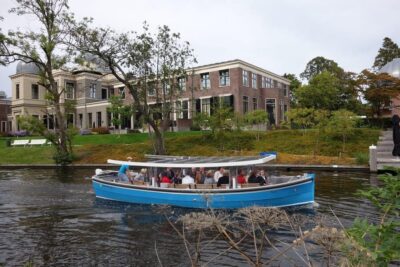
Cruise through the Historic City Center with Guide
Read our review →

Leiden Tour with Live guide and Visit to Rembrandt’s First Studio
Read our review →
Alphen aan den Rijn: 15-Minute Flyboard Experience
Read our review →
e-Scavenger hunt Leiden: Explore the city at your own pace
Read our review →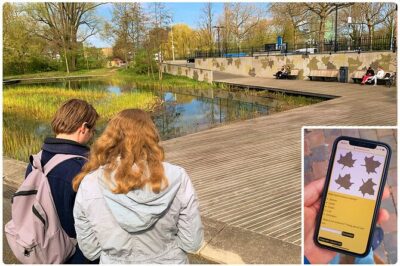
Discover Leiden with a self-guided Outside Escape city game tour!
Read our review →
90 minutes Self-Guided Walking tour with puzzles in Leiden
Read our review →Browse the lists this tour appears in