
Review · WINDMILL TOURS
Rotterdam: Kinderdijk UNESCO World Heritage Entry Ticket
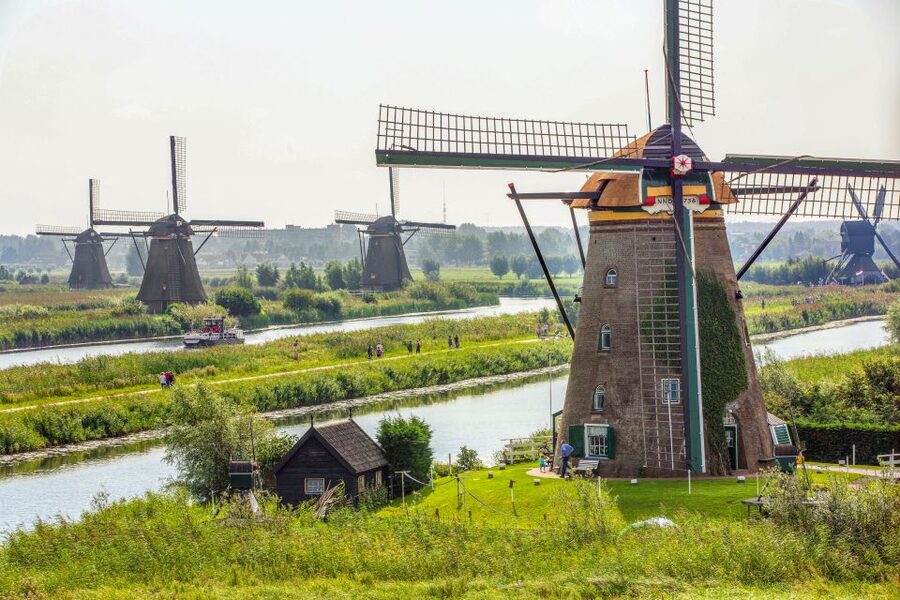
Windmills make more sense at Kinderdijk. This $25 ticket brings you into a beautifully preserved Dutch water-management site, with two museum windmills, a pumping station, films, an audio guide, and a boat ride through the polders. I like the mix of quiet walking and hands-on history, and I like that you can explore at your own speed rather than follow a fixed group. The main drawback is simple: you will walk a lot, and the open paths offer little shade.
Kinderdijk is not just a postcard stop. The windmills explain how people kept low-lying Dutch land dry and usable, while the working machinery inside the mills shows what daily life demanded from the millers who lived there. The boat saves your feet and gives you the best broad view, but it has limited seating and can stop running in bad weather.
In This Review
- Key points before you go
- Why Kinderdijk is more than a windmill photo stop
- Starting at the entrance and exhibition
- Blokweer Museum Mill and life inside a working home
- Nederwaard Museum Mill and the miller’s family
- The pumping station explains the next chapter
- The inclusive boat ride through the polders
- Walking, cycling, and seeing the full site
- Getting there from Rotterdam
- Is the $25 ticket good value?
- Opening hours and the best time to visit
- Who will enjoy Kinderdijk most?
- Should you book the Kinderdijk ticket?
- FAQ
- Where is Kinderdijk located?
- How much does the entry ticket cost?
- How long is the ticket valid?
- Does the ticket include a boat ride?
- Which museums are included?
- Is the pumping station included?
- Is transport from Rotterdam included?
- What languages are available for the audio guide?
- Can the boat be cancelled?
Key points before you go
- Nineteen windmills create the view: The famous row of working mills is best appreciated from the paths and from the water.
- Two mills are open inside: Blokweer Museum Mill and Nederwaard Museum Mill show both the machinery and the cramped family life of millers.
- The boat is included: Use it for a gentle ride through the canals, but remember that the last departure is 30 minutes before closing.
- The outdoor route may be free: The ticket mainly pays for entry to the museums, pumping station, boat, film, and other exhibits.
- Plan for two to four hours: You can make a quick visit, but a slower half-day allows time for the museums, film, boat, and walking paths.
- Transport takes planning: Kinderdijk is outside Rotterdam, and parking can be difficult. Waterbus 21, a bicycle, or a boat connection can make the trip easier.
Why Kinderdijk is more than a windmill photo stop
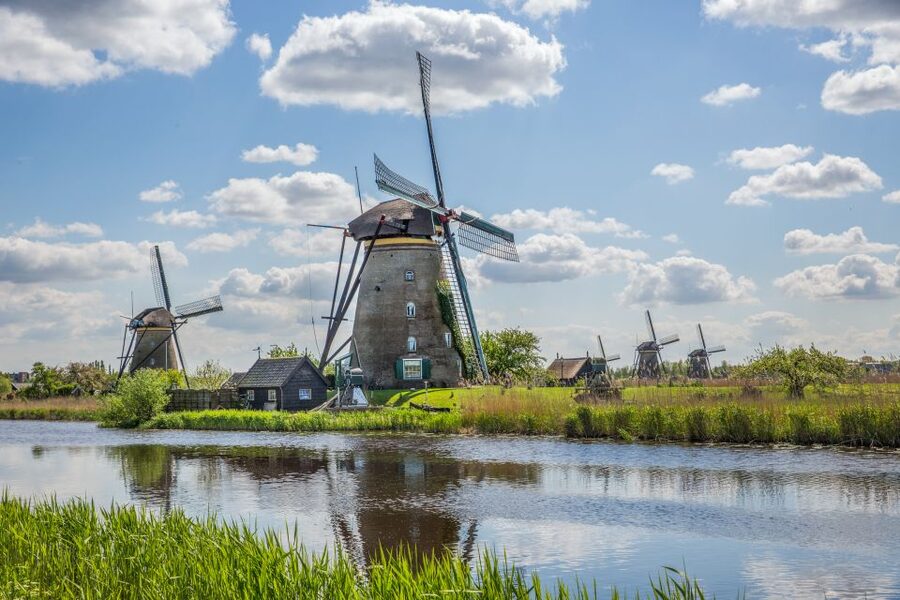
A single windmill is picturesque. Nineteen of them, lined along waterways and surrounded by polders, explain the scale of the Dutch water problem.
Kinderdijk’s mills were built and used as part of a system for moving water out of low-lying land. The exact mechanics become much clearer once you see the canals, dikes, pumping equipment, and mill sails working together. You are not simply looking at old buildings. You are looking at a large piece of practical engineering that helped people live below water level.
The setting is calm and open. You can walk beside the canals, watch the windmills turn, and pause for photographs without a guide pushing you along. That self-guided format suits me because I can spend more time inside a mill and less time listening to information I already understand.
It also means you need to take charge of your visit. There is no standard guided tour carrying you from stop to stop. Use the online audio guide, watch the short film, and ask at the information desk if you need help finding the audio-tour code. One visitor specifically found that the code was not automatically handed out.
More Windmill Tours in Rotterdam
- Rotterdam: Waterbus Ticket to Dordrecht and/or Kinderdijk
★ 4.6 · 542 reviews - All-Inclusive Private Windmill Tour to Kinderdijk from Rotterdam
★ 4.5 · 59 reviews - Kinderdijk Bike Tour
★ 5.0 · 35 reviews
Starting at the entrance and exhibition
The modern entrance area gives you a useful introduction before you head along the paths. The informative film is short, around nine minutes according to the available visitor information, so it does not consume half your day. Watch it early if you want the rest of the site to make more sense.
The exhibition covers Dutch culture, windmill use, and the changing methods used to control water. This matters because the outdoor view alone can leave you wondering what each mill actually did. The displays give the scene a purpose.
The online guide includes audio tours in English, Dutch, French, Spanish, Italian, Chinese, and German. The host or greeter languages are Dutch and English. Since this is a self-guided visit, the audio material is especially useful if you want more than photographs and a pleasant walk.
Families get an interactive scavenger hunt for children. That gives younger visitors a task while adults take in the machinery and historical displays. The site also has a café and gift shop, useful additions if you plan to stay for several hours, though food and drinks are not included in the ticket.
Blokweer Museum Mill and life inside a working home
Blokweer Museum Mill is one of the two windmills included in the ticket. Going inside is the point. From the outside, a mill looks elegant and almost still. Inside, it becomes a workplace, home, and complicated machine.
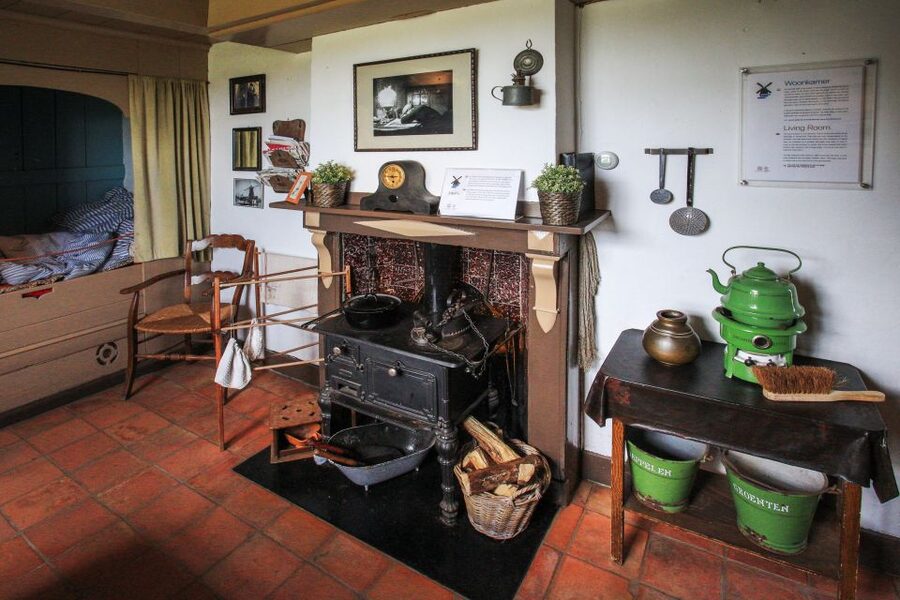
You can see how the miller’s household lived and worked around the machinery. The experience gives scale to the job: this was not a decorative rural building but a functioning part of the water system.
The mills are preserved as working heritage, and the moving parts make the visit more vivid. You might see the sails turning and gain a clearer sense of how wind became useful force. The experience is strongest when you take your time instead of treating each mill as a quick photo stop.
The interiors can be tight. That is part of their character, but visitors who dislike confined spaces or have limited mobility should allow extra patience. The wider site is wheelchair accessible and mobility-scooter friendly, but the access point from some water taxis may not be easy for disabled visitors.
Nederwaard Museum Mill and the miller’s family
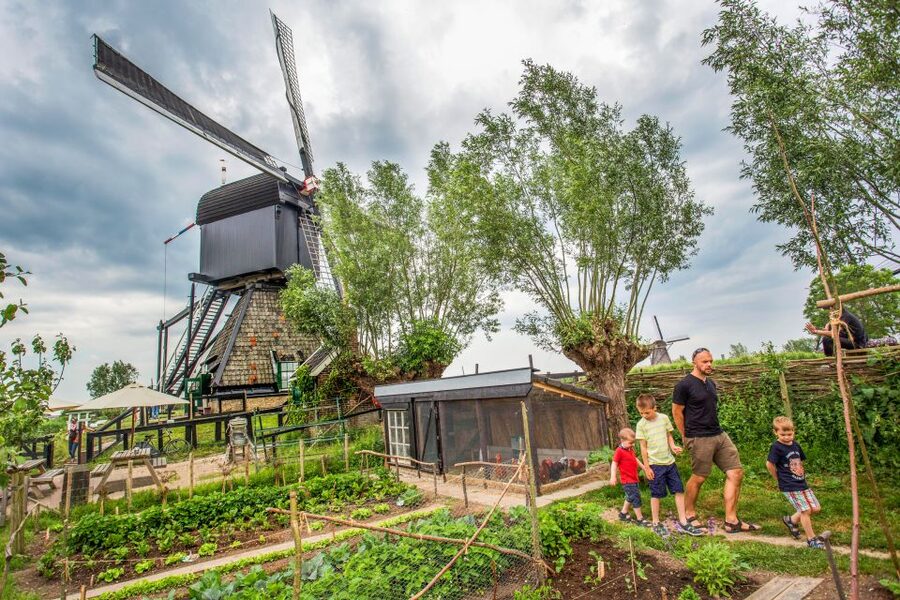
The Nederwaard Museum Mill gives you a second view of life inside these structures. You can see the machinery and the living quarters, including the practical details that show how families adapted to work beside a constantly operating mill.
This is where the site moves from engineering lesson to human story. You begin to understand that keeping the polder dry was not an occasional task. Millers had to monitor conditions, manage equipment, and live with the demands of the system.
The two museum mills complement each other. I would not skip one simply because you have seen the other. One may show a different arrangement or give you another sense of how families lived with limited space and constant work.
The paths between the museums are part of the visit, but they take longer than you might expect. The route can require a fair amount of walking to reach crossings over the dikes and waterways. Wear comfortable shoes, and remember that there may be little shade on long stretches.
A different kind of day out entirely:
- Rotterdam: Harbor Sightseeing Cruise
★ 4.3 · 7,599 reviews - Rotterdam: 1-Hour Sightseeing Splash Tour
★ 4.5 · 3,299 reviews - Rotterdam: Rotterdam Zoo Blijdorp Entry Ticket
★ 4.6 · 2,754 reviews - Rotterdam: Euromast Lookout Tower Ticket
★ 4.4 · 2,549 reviews
The pumping station explains the next chapter
The pumping station engine room shows how water control developed beyond the traditional windmill. This stop helps connect the old system to later mechanical methods.
The machinery is valuable because it makes the story broader. Kinderdijk is not frozen in a single moment from the past. It shows changing solutions to the same basic challenge: moving water and protecting inhabited land.
If you have children with you, the pumping station can add variety after two mill interiors. If you are mainly visiting for the classic windmill view, it is still worth entering because it explains why the mills mattered and how their role fits into a larger system.
The ticket includes the engine room, so you do not need to choose between it and the museums. That helps justify the admission price, especially if you use the boat and watch the film as well.
The inclusive boat ride through the polders
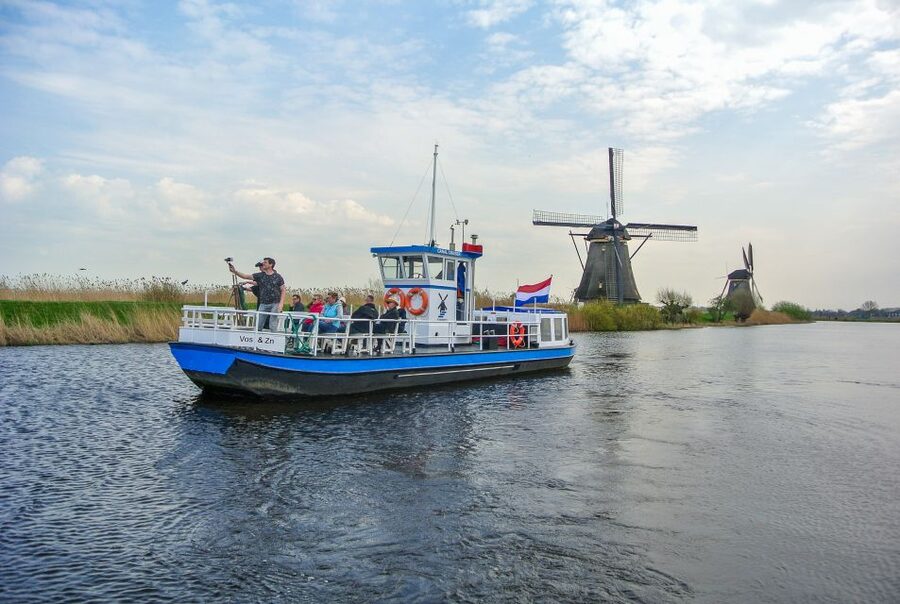
The boat is one of the best parts of the ticket. Instead of seeing the windmills only from the paths, you glide through the polder waterways and watch the buildings pass from a lower, wider viewpoint.
The ride is gentle rather than thrilling. That is exactly its strength. You get a break from walking, a different angle for photographs, and a clearer view of how the canals sit among the mills.
Use the boat early if it is a priority. The last boat leaves 30 minutes before closing, and the vessels have limited seating. On busy days, you may need to wait for the next departure.
A practical approach is to take the boat through the site first, then walk back toward the museums. Another option is to walk out and use the boat for the return. The best choice depends on your energy, the timetable, and how crowded the boat is.
Do not build your entire plan around the ride if the weather looks poor. The boats may not sail in bad conditions. The paths and indoor exhibits still give you a worthwhile visit, but the experience changes when wind and rain limit the water route.
Walking, cycling, and seeing the full site
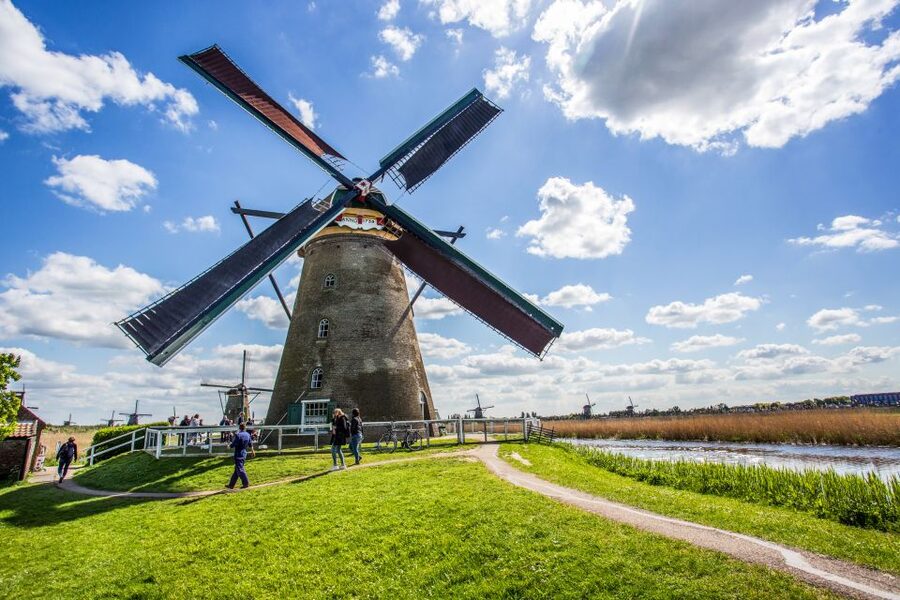
Kinderdijk rewards slow movement. The paths beside the canals give you repeated views of the mills, dikes, water, and open countryside. You can stop whenever the light looks good or whenever you want to listen to the audio guide.
Cycling can make the long distances easier. Bicycles are especially useful if you want to cover more of the site without spending all your time walking. You can also bring a picnic and stretch the visit into a relaxed day, though food is not part of the admission.
Pedestrians should stay alert. Bicycles may pass along the same routes, and some sections can feel busy when people are stopping for photographs. The site is well kept, but it is not a compact museum where every exhibit is just a few steps away.
For a first visit, allow at least two to three hours. A quick visit can cover the main views and one or two indoor stops. I would allow half a day if you want the film, both museum mills, the pumping station, the boat, and unhurried photographs.
Getting there from Rotterdam
Transport to Kinderdijk is not included, so plan this part before you book. Waterbus 21 is a popular option, and direct service from Rotterdam has been described as taking about 35 minutes. Check the current timetable before setting out, since the return connection affects how long you can stay.
Some visitors combine a Waterbus trip to Alblasserdam with bicycle rental. That can be a very Dutch way to reach the site, and it gives you more freedom once you arrive. A separate boat connection from Rotterdam is also possible, depending on the service operating on your date.
Driving is less predictable. Parking can be difficult, especially during busy periods, so do not assume you can arrive late and find an easy space. If you are coming from a cruise ship, check the route carefully rather than relying on a last-minute taxi or improvised connection.
The site itself is wheelchair accessible, but access from a water taxi may be less suitable for disabled visitors. Once inside, the main area is more accommodating, including mobility scooters.
Is the $25 ticket good value?
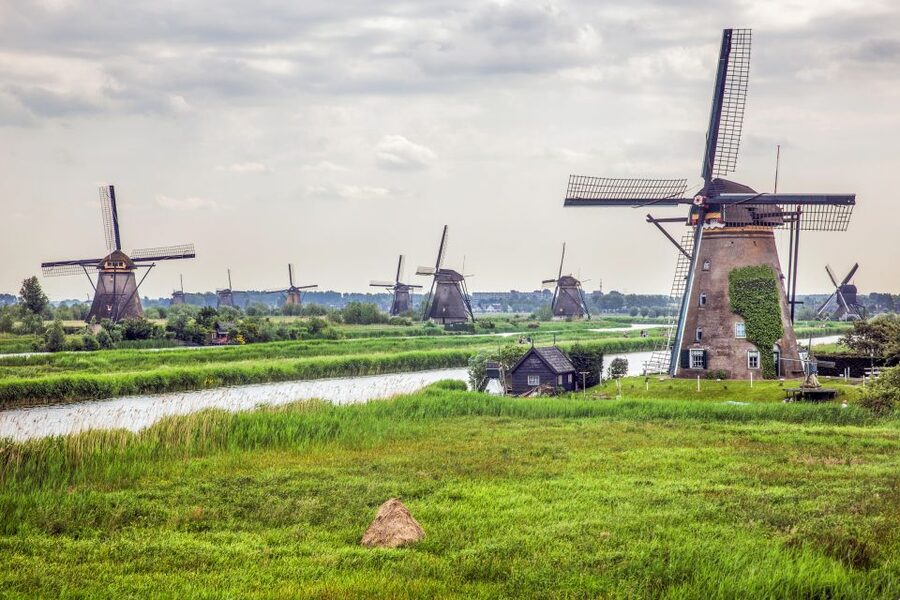
The outdoor walk is the main attraction, and much of the site can be viewed without paying for the full ticket. That is important to understand. You are not paying simply to see windmills from a public path.
The ticket pays for entry to Blokweer Museum Mill, Nederwaard Museum Mill, the pumping station engine room, the boat ride, the film, exhibition, and online audio guide. If you use most of those features, $25 is reasonable for a full day of heritage and outdoor activity.
The value is strongest for first-time visitors, families, and anyone who wants the story behind the photographs. Inside the mills, you see working machinery and living quarters. On the boat, you get a broad view that walking alone cannot provide.
The value is weaker if you only want a quick picture of the windmills. You can enjoy the main outdoor scenery without using every paid feature, so a short visit may not justify the full price for everyone.
Having a ticket ahead of time can also make entry to the exhibits quick and easy. Flexible booking helps if your schedule is uncertain, with cancellation available up to 24 hours before the visit for a full refund and a reserve-now, pay-later option.
Opening hours and the best time to visit
Opening times change by season, so check your date carefully.
From March 6 through November 1, Kinderdijk is open daily from 9 a.m. to 5:30 p.m. From November 2 through December 31, the hours are 10:30 a.m. to 4 p.m. Until March 5, open days also run from 10:30 a.m. to 4 p.m. Christmas Day is closed.
An early arrival gives you more time for the museums and makes it easier to fit in the boat. It also leaves room for transport delays, which matter when the return Waterbus or boat connection is fixed.
Summer offers longer opening hours, but the paths can feel exposed in sun and the boat can fill up. Spring and autumn may provide a quieter visit, though weather can affect the ride. Winter gives you shorter hours and colder conditions, but the peaceful setting can be appealing if you are prepared.
Who will enjoy Kinderdijk most?
I would recommend this visit to anyone interested in Dutch engineering, local history, photography, or open-air museums. It is also a strong choice for families because the scavenger hunt, boat, moving machinery, and short film break up the walking.
You will get the most from it if you enjoy exploring without a fixed guide. The pace is yours, but you must read the information, use the audio guide, and keep an eye on boat times.
It may be less suitable if you want a short, highly organized excursion or if long walks are difficult. The boat helps, but it does not replace the distances between the entrance, museums, and other stops. Bring comfortable shoes, check accessibility for your chosen transport, and consider a bicycle if you want to see more.
Should you book the Kinderdijk ticket?
Book it if you want the full Kinderdijk experience: two working museum mills, the pumping station, the film, audio material, and a boat ride among the nineteen windmills. The ticket turns a pretty outdoor stop into a clear lesson in how Dutch water control worked and how people lived with it.
Skip the paid ticket only if you plan a brief walk and do not care about entering the mills or taking the boat. For most first visits from Rotterdam, $25 is fair value, especially when you allow half a day and arrive with a sensible transport plan.
FAQ
Where is Kinderdijk located?
Kinderdijk is in South Holland, Netherlands, near Rotterdam.
How much does the entry ticket cost?
The listed price is $25 per person.
How long is the ticket valid?
The ticket is valid for one day.
Does the ticket include a boat ride?
Yes. The ticket includes a boat trip through the World Heritage Site.
Which museums are included?
The ticket includes the Blokweer Museum Mill and the Nederwaard Museum Mill.
Is the pumping station included?
Yes. Entry to the pumping station engine room is included.
Is transport from Rotterdam included?
No. Transport to Kinderdijk is not included, so you must arrange your own transport.
What languages are available for the audio guide?
The online audio guide is available in English, Dutch, French, Spanish, Italian, Chinese, and German.
Can the boat be cancelled?
Yes. The tour boats may not sail in bad weather. The last boat departs 30 minutes before closing time.
More History Tours in Rotterdam
- Rotterdam: Harbor Cruise on a Historic Ship
★ 4.2 · 812 reviews - Dordrecht: Dark History Tour
★ 4.5 · 15 reviews - Historical Dordrecht: Private Tour with Local Guide
★ 5.0 · 1 review - Amsterdam Food and Cultural Tour with Tastings
★ 5.0 · 2,442 reviews
Just added in Rotterdam
- Escape the City – Interactive city walk in Dordrecht★ 5.0 · 1 review
- e-Scavenger hunt Dordrecht: Explore the city at your own pace★ 4.5 · 24 reviews
- Discover the best spots in Dordrecht with Outside Escape★ 4.5 · 11 reviews
- Historical Dordrecht: Private Tour with Local Guide★ 5.0 · 1 review
- The Netherlands: WW2 Private Day Trip★ 5.0 · 4 reviews
- Rotterdam: Guided Food Tour★ 4.4 · 16 reviews
- Rotterdam: Trompenburg Botanical Gardens Entry Ticket★ 4.1 · 77 reviews
- Rotterdam: UNESCO Van Nelle Factory Guided Tour★ 4.5 · 94 reviews
Windmill Tours, compared.
Guided Zaanse Schans, Windmills & Cheese Tour
Read our review →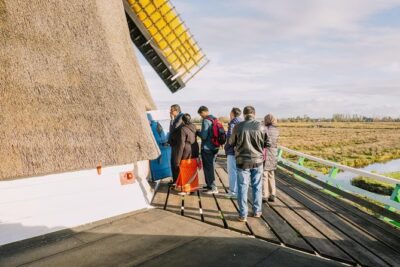
Windmill Tour from Amsterdam, Including Volendam & Marken
Read our review →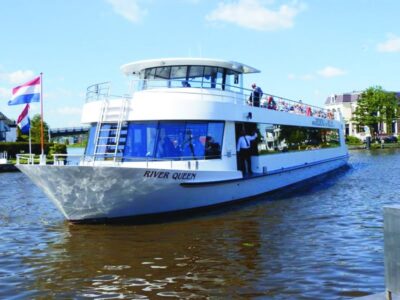
Tour to Keukenhof Gardens with Windmill Cruise
Read our review →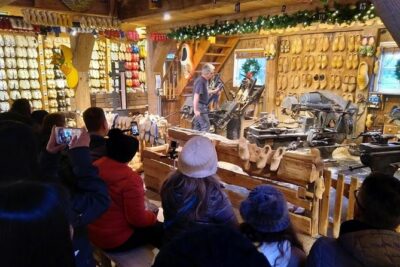
Zaanse Schans Windmills, Clogs and Dutch Cheese Small-Group Tour from Amsterdam
Read our review →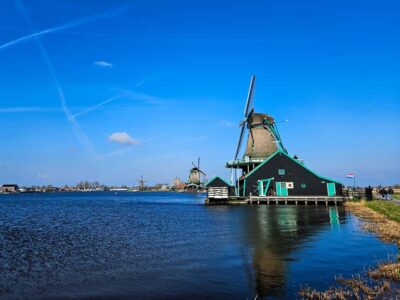
Zaanse Schans windmills & Volendam Guided Tour
Read our review →
Day Tour Keukenhof and Zaanse Schans Windmills
Read our review →
Countryside Bike Tour from Amsterdam: Cheese, Clogs & a Windmill
Read our review →
Zaanse Schans Windmills 4-Hour Tour in Italian
Read our review →Browse the lists this tour appears in