

Review · FOOD & DRINK
Amsterdam : Guided Cultural Food Tour
Amsterdam reveals itself one bite and one street at a time. This 2.5-hour walking tour pairs the city’s major landmarks with small food tastings, giving you a useful first look at Amsterdam’s past and present. I especially like the small group limit of 15 people and the route through the Jordaan and Negen Straatjes, two areas that reward slow walking.
The guide also adds welcome context to subjects often skipped on a quick city walk, including colonialism, World War II, monarchy, and the origins of the red light district. The main consideration is that this is a walking overview, not a museum tour or a full meal, and the exact snacks are not specified.
In This Review
- Key points to know before booking
- Why this Amsterdam food walk works well as an introduction
- Dam Square and the city’s beginnings
- The Royal Palace and Amsterdam’s royal past
- Oude Kerk and the origins of the red light district
- Trade at Beurs van Berlage
- Magna Plaza and changing city architecture
- Multatuli and the difficult side of Dutch wealth
- The Jordaan and Amsterdam’s smaller streets
- Negen Straatjes for food, shopping, and follow-up plans
- Anne Frank House and Westerkerk
- Begijnhof and the quiet finish at Spui
- What the $102.41 price includes
- Who should book this tour?
- My verdict on this Amsterdam cultural food tour
- FAQ
- How long does the Amsterdam Guided Cultural Food Tour last?
- What is the price per person?
- What language is the tour offered in?
- How many people can join the tour?
- Where does the tour start?
- Where does the tour end?
- Are snacks included?
- Are admission tickets included?
- Can I cancel the tour for a refund?
Key points to know before booking
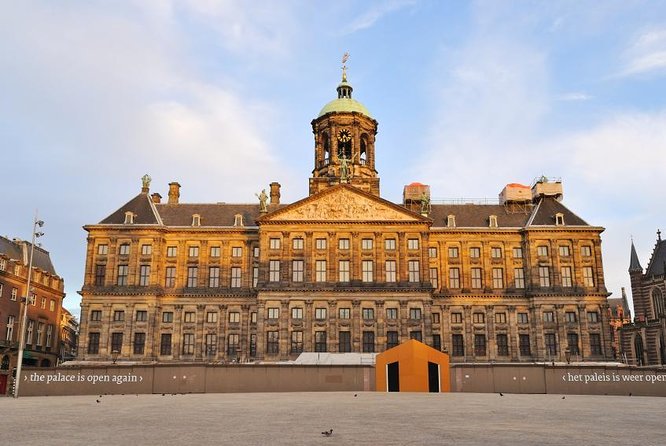
- A compact route with a wide reach: In 2.5 hours, you visit Dam Square, the Royal Palace, Oude Kerk, the Jordaan, Negen Straatjes, Begijnhof, and more.
- A genuinely small group: The tour accepts no more than 15 people, making it easier to hear the guide and ask questions.
- Food is part of the story: Snacks are included, but this should not replace lunch or dinner.
- Amsterdam’s complicated past gets attention: The route covers trade, colonialism, wartime memory, monarchy, and Multatuli’s criticism of Dutch society.
- Useful neighborhood advice: At Negen Straatjes, you receive suggestions for bars, restaurants, and shopping.
- An easy central finish: The walk ends at Spui, with a simple route back toward Dam Square if needed.
Why this Amsterdam food walk works well as an introduction
I see this tour as a good orientation walk for your first day in Amsterdam. The route begins at the National Monument on Dam Square, then moves through the city center toward the canals and western neighborhoods. You get the broad outline of Amsterdam’s development without spending a long afternoon inside one attraction.
The food element gives the walk a more social feel. Snacks break up the history, and you can connect the city’s past with the everyday life of its streets. Since no specific foods are listed, I would think of the tastings as small samples rather than a planned lunch.
The guide is an important part of the experience. The available feedback describes a charismatic, friendly guide who was easy to understand in English, answered questions, and made the outing feel like a friend showing you around the city. That matters on a route with several serious subjects. A good guide can keep the pace lively without treating World War II or colonialism as quick photo stops.
The rating is 5 out of 5 from 26 reviews, with 100 percent recommending the experience. That is a strong result, though the sample remains fairly small. I would book this for the personal introduction and local orientation, not because it includes major paid attractions.
More Food Tours in Amsterdam
- 10 Tastes of Amsterdam: Food Tour by UNESCO Canals and Jordaan
★ 5.0 · 3,020 reviews - Amsterdam Food and Cultural Tour with Tastings
★ 5.0 · 2,442 reviews - Amsterdam Jordaan Food & Drinks Tour with Eating Europe
★ 5.0 · 2,425 reviews
Dam Square and the city’s beginnings
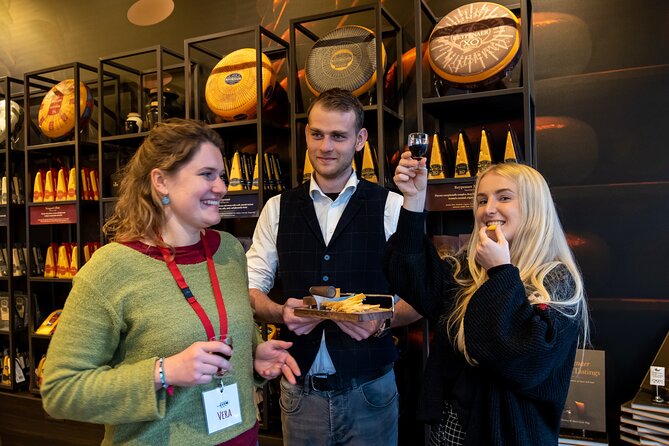
The tour starts on the steps of the National Monument, at Dam, 1012 JS Amsterdam. This is a practical meeting point because Dam Square is central and easy to identify. You begin with the formation of Amsterdam in the 13th century, when the settlement was still a small fishing village.
The nearby Dam Square discussion explains how that modest settlement grew into a major city. It is a useful opening because Amsterdam can feel like a collection of canals, narrow houses, and busy squares until someone gives you the basic sequence of its growth.
The National Monument also brings World War II into the route. You hear about the people remembered there as you walk past it, so the history is tied to a real public place rather than delivered as an abstract lecture. The Dam Square stop is brief, only about five minutes, but the guide has more time at the surrounding stops to add detail.
The Royal Palace and Amsterdam’s royal past
The Royal Palace Amsterdam receives about ten minutes. The focus is not a palace visit, and admission inside is not included. Instead, you learn about the royal past of the Netherlands and the monarchy’s role today.
That distinction is worth noting. If you want to tour the palace rooms, you will need a separate ticket and separate time. If you want a clear explanation of why this grand building matters in modern Dutch life, the stop gives you that context without asking you to spend part of the tour indoors.
The palace also helps show the changing identity of Amsterdam. Dam Square began as a civic and commercial center, while the palace reflects the authority that later developed around the city. I like this kind of comparison because it gives you more to notice when you return to the square on your own.
Oude Kerk and the origins of the red light district

From the royal center, the walk reaches Oude Kerk, Amsterdam’s oldest church. The visit takes around ten minutes and explains how the red light district was established in the 14th century.
This is one of the more striking contrasts on the route. A historic church sits beside an area known around the world for adult entertainment, and the guide connects the two through the city’s early development. You are not simply being led to a famous photo spot. You are shown how religion, commerce, and port-city life took shape side by side.
The stop is outdoors, and there is no admission included. If you want to enter Oude Kerk, treat that as a separate visit. The tour’s purpose here is explanation and orientation, not an interior architectural tour.
A different kind of day out entirely:
- Amsterdam: Van Gogh Museum Ticket
★ 4.7 · 52,054 reviews - Amsterdam Classic Saloon Boat Cruise with Drinks and Cheese
★ 5.0 · 31,825 reviews - Amsterdam Luxury Canal Cruise + Unlimited Drinks & Bites option
★ 5.0 · 30,518 reviews - Amsterdam: Heineken Experience Ticket
★ 4.6 · 30,055 reviews
Trade at Beurs van Berlage

The Beurs van Berlage offers a look at Amsterdam’s trade history. You spend about 15 minutes learning how the small settlement grew into one of the world’s wealthiest cities during the Dutch Golden Age.
This stop gives the food theme useful background. Amsterdam’s prosperity was tied to shipping, trade, markets, and goods moving across borders. The snacks on the tour are therefore not just a break in the walking. They fit a larger story about a city shaped by exchange.
At the same time, this is where a balanced account of Amsterdam matters. Wealth did not appear by magic, and the tour later addresses the costs and criticism tied to Dutch colonial power. I appreciate the route for putting commercial success and moral questions in the same conversation.
Magna Plaza and changing city architecture

Magna Plaza takes only about five minutes, but it adds architectural variety. The building was once Amsterdam’s post office, and its appearance gives you a quick look at how civic buildings were designed during another period of the city’s growth.
This is a short stop, so you should not expect a detailed architectural study. Its value is visual and practical. As you continue walking, you begin to notice how Amsterdam reuses older buildings for new purposes, including shopping and commercial life.
The brief visit also keeps the tour moving. With 12 stops in 2.5 hours, the guide must balance explanation with distance. Some locations receive only five minutes, so you should expect a lively overview rather than long pauses.
Multatuli and the difficult side of Dutch wealth
The statue of Multatuli provides one of the tour’s most thoughtful stops. You learn about colonialism, the wealth it brought to the Netherlands, and the criticism that followed. You also hear about Multatuli, one of the country’s important authors.
This subject adds weight to the walk. Amsterdam’s beautiful center can make it easy to focus only on canals, gabled houses, and grand trading buildings. The Multatuli stop asks you to consider who paid the price for the prosperity celebrated at earlier points.
The visit lasts about ten minutes. That is enough for an introduction, but not enough for a full study of Dutch colonial history or Multatuli’s writing. I would treat it as a prompt to explore further if the subject interests you.
The Jordaan and Amsterdam’s smaller streets

The Jordaan receives about 15 minutes, making it one of the longer neighborhood stops. You learn how the district developed and how Amsterdam’s small houses came to define its look.
This is the part of the tour where the pace should feel less formal. The Jordaan is known for its picturesque streets and distinct local character, and the guide points out the features that make the neighborhood different from Dam Square and the old commercial center.
The route does not promise a long wander through every corner of the Jordaan. Instead, it gives you a starting point and a way to read the neighborhood. I would pay close attention to the house fronts, narrow lanes, and smaller details, then return later if you want more time for shops or cafés.
Negen Straatjes for food, shopping, and follow-up plans
The Negen Straatjes, or 9 Little Streets, is one of the most useful practical stops. You spend about ten minutes getting a glimpse of this attractive shopping area and receive suggestions for bars, restaurants, and shopping.
That advice can be worth more than another monument. A walking tour should help you decide what to do after it ends, and this stop gives you options in a compact part of the canal district. You can use the guide’s suggestions for a later meal instead of choosing a restaurant at random.
The area is also a good match for the food focus. The tour does not provide a complete food crawl, but Negen Straatjes helps you continue eating and exploring on your own. Ask questions here if you want the most direct benefit from the guide’s local recommendations.
Anne Frank House and Westerkerk
The route passes the Anne Frank House for about five minutes. You receive a brief introduction to Anne Frank’s story, but admission is not included.
This is an important distinction. The stop lets you understand where the house sits within Amsterdam and hear a short account of its wartime significance. It does not replace a visit inside, and you should not expect a full presentation of the museum.
Westerkerk follows with another five-minute stop. You see one of Amsterdam’s largest and most beautiful churches, again from the route rather than through a planned interior visit. Together, these two stops add religious and wartime history without breaking the walking tour’s flow.
If either location is a priority, plan separate time around the tour. The short stops are best for orientation and context.
Begijnhof and the quiet finish at Spui
Begijnhof is the final major stop and takes about ten minutes. You visit this peaceful historic courtyard and try to spot its concealed church. It is a quieter setting after the busy central streets and a fitting change of pace near the end.
The tour finishes at Art Amsterdam Spui, Spui 20HS, 1012 XA Amsterdam. Spui is a useful endpoint because it keeps you in the central city and near places to continue your afternoon. If you want to return to Dam Square, you can simply walk back with the guide.
The ending also makes the tour easy to combine with other plans. You are not left at a distant suburb or transport stop. The route begins and ends in central Amsterdam, with public transportation nearby.
What the $102.41 price includes
At $102.41 per person, this is not a bargain walking tour. The fee includes the 2.5-hour guided walk, snacks, and a €1.50 tourist tax. It does not include admission to the Anne Frank House, Westerkerk, or the Royal Palace, and the tour does not appear to include a full meal.
I think the price makes the most sense if you value a small group and a guide who can explain many layers of the city in a short time. A maximum of 15 people is a real advantage over a large street group, especially at crowded central stops.
The value is less convincing if you mainly want food. Since the number and type of snacks are not specified, do not book this expecting several restaurant courses or enough food for lunch. Think of the cost as paying mainly for the guide, route, historical interpretation, and small tastings.
The €1.50 tourist tax is included, which keeps the final cost clearer. You also receive the benefit of advice for later meals and shopping, though the value of that depends on how much you use the suggestions.
Who should book this tour?
I would recommend it to first-time visitors who want a quick map of central Amsterdam and an introduction to Dutch history. It also suits history-minded people who want more than postcard views, since the route covers trade, colonialism, monarchy, wartime memory, religion, and urban growth.
Food-focused visitors may enjoy it if they want snacks alongside sightseeing. If your main goal is a long tasting tour with named dishes and substantial portions, this is probably not the right choice based on the available details.
The small group should suit you if you prefer the chance to ask questions. The English-language format is also a good fit if you want a guide who can explain the city directly rather than rely on an audio recording.
The walking and weather requirements deserve attention. The experience requires good weather, and the full route includes many outdoor stops. Most people can participate, and service animals are allowed, but you should be comfortable walking through central Amsterdam for 2.5 hours.
You receive confirmation when booking, and free cancellation is available until 24 hours before the start time. A late cancellation is not refunded. If poor weather or too few bookings cause the tour to be canceled, you are offered another date or experience, or a full refund.
My verdict on this Amsterdam cultural food tour
Book it if you want a small-group city introduction that mixes snacks with serious history and useful neighborhood advice. The route is broad, the central meeting point is easy, and the finish at Spui gives you a good base for the rest of the day.
Skip it if you want extensive interior visits or a full meal. The tour moves quickly, several stops last only five or ten minutes, and paid attractions require separate planning. For the right visitor, though, the balance is appealing: a friendly English-speaking guide, a compact route, food along the way, and a more honest look at how Amsterdam became the city you see today.
FAQ
How long does the Amsterdam Guided Cultural Food Tour last?
The walking tour lasts approximately 2 hours and 30 minutes.
What is the price per person?
The listed price is $102.41 per person.
What language is the tour offered in?
The tour is offered in English.
How many people can join the tour?
The group is limited to a maximum of 15 travelers.
Where does the tour start?
The tour starts at the National Monument on Dam Square, Amsterdam, 1012 JS.
Where does the tour end?
The tour ends at Art Amsterdam Spui, Spui 20HS, Amsterdam, 1012 XA.
Are snacks included?
Yes. Snacks are included, along with the guided walking tour and the €1.50 tourist tax.
Are admission tickets included?
The tour includes free access to the outdoor stops. Admission to the Anne Frank House, Westerkerk, and Royal Palace is not included.
Can I cancel the tour for a refund?
Yes. You can cancel up to 24 hours before the start time for a full refund. Cancellations or changes made less than 24 hours before the start time are not refunded or accepted.
Just added in Amsterdam
- Private Tour Zaanse Schans Windmills and Volendam in Jaguar★ 5.0 · 10 reviews
- Windmills-Volendam-Giethoorn Private Tour in Jaguar★ 5.0 · 2 reviews
- Half-Day Private Guided Sightseeing Tour of Zaanse Schans★ 5.0 · 14 reviews
- Zaanse Schans and Giethoorn Unique Day Trip with Boat Cruise★ 4.5 · 17 reviews
- Best of Netherlands: Zaanse Schans Mills, The Hague & Rotterdam★ 4.5 · 10 reviews
- Zaanse Schans Private Tour Windmills★ 5.0 · 18 reviews
- Zaanse Schans Windmills Edam Volendam and Marken from Amsterdam★ 5.0 · 1 review
- Zaanse Schans Edam Volendam Private Day Tour from Amsterdam★ 5.0 · 3 reviews
Food & Drink, compared.

10 Tastes of Amsterdam: Food Tour by UNESCO Canals and Jordaan
Read our review →
Amsterdam Food and Cultural Tour with Tastings
Read our review →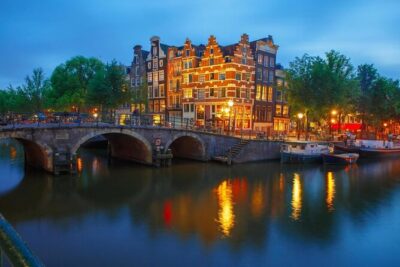
Amsterdam Jordaan Food & Drinks Tour with Eating Europe
Read our review →
Premium Henri Willig Cheese Tasting Experience
Read our review →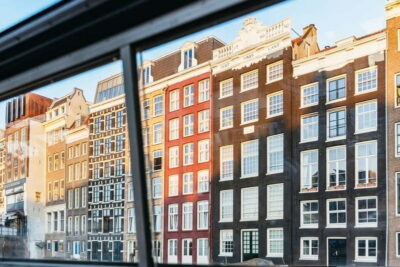

Zaanse Schans and Cheese Tasting Guided Tour from Amsterdam
Read our review →
Browse the lists this tour appears in