
Review · MUSEUMS
Amsterdam: Red Light Secrets Museum Entry Ticket
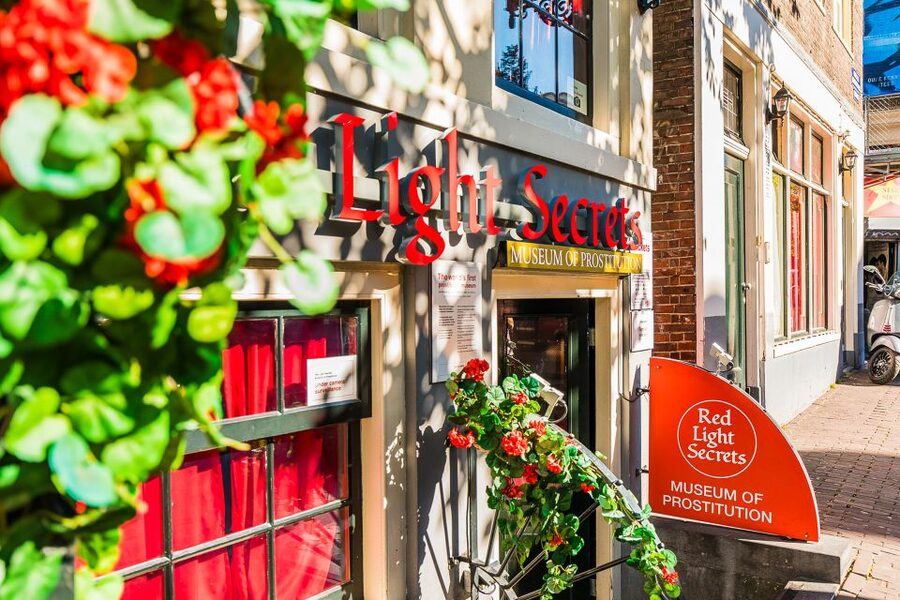
See what happens behind the red glass. Amsterdam’s Red Light Secrets Museum offers a frank look at sex work inside a 17th-century house and former brothel in the city’s famous Red Light District. I like the personal audio guide, narrated from the perspective of a former sex worker, and the chance to sit in an actual window and see the street from the other side. The main drawback is size: you may finish in 15 to 30 minutes, and crowded rooms can make the audio and displays harder to follow.
I also like the museum’s tone. It treats sex work as a real job with legal, social, and personal issues, rather than turning the subject into a cheap joke. The Confession Wall adds plenty of humor, but some displays and stories are serious, even disturbing. At $17 per person, it is good value if you want context before or after walking through the district, but it is not a full afternoon museum.
In This Review
- Key points to know before you go
- Entering a former brothel on Oudezijds Achterburgwal
- The audio guide puts one working woman at the center
- Seeing the working rooms behind the glass
- Amsterdam’s long connection with sex work
- The Confession Wall brings humor back at the end
- How long the visit takes
- Timing, entry, and practical planning
- Who will appreciate this museum most
- Is $17 a fair price?
- Should you book Red Light Secrets?
- FAQ
- Where is the Red Light Secrets Museum located?
- How much does admission cost?
- How long does the museum visit take?
- Is an audio guide included?
- Who can enter the museum?
- Can wheelchair users access the museum?
- Can I cancel my booking?
Key points to know before you go
- You sit in a real Red Light District window: The window experience gives you a physical sense of what it means to work behind the glass.
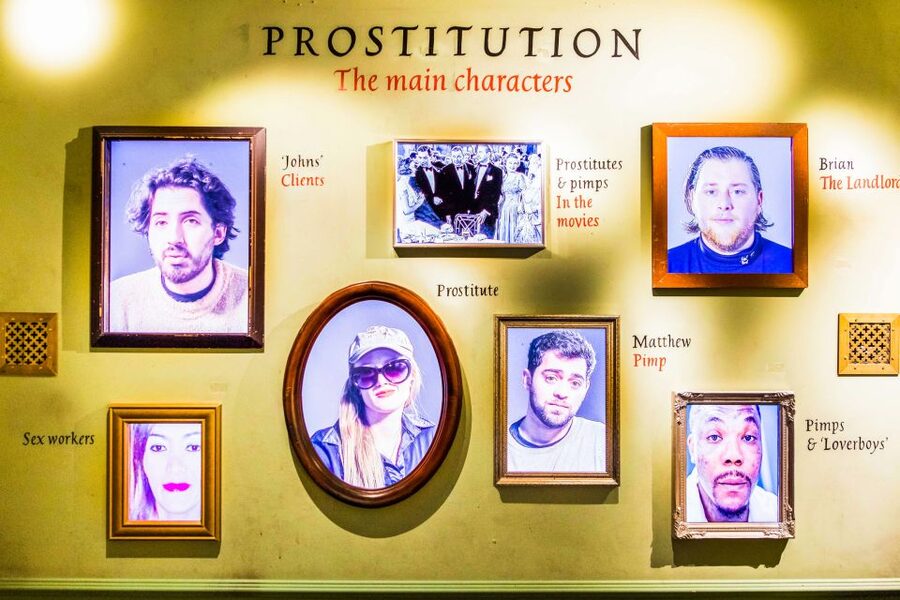
- The audio guide follows Inga: Her first-person account brings a human voice to the rooms, routines, and choices discussed throughout the museum.
- The museum is compact: Plan on roughly 15 to 30 minutes, depending on how much you read and how long you listen at each stop.
- The history reaches back centuries: You learn how Amsterdam developed its liberal reputation and how sex work was legalized in the Netherlands in 2000.
- The Confession Wall ends the visit: Some entries are funny, some are startling, and some are clearly written for shock value.
- Book a time slot carefully: You can only enter at the selected time, and a prepaid ticket may not remove every bit of queuing.
Entering a former brothel on Oudezijds Achterburgwal
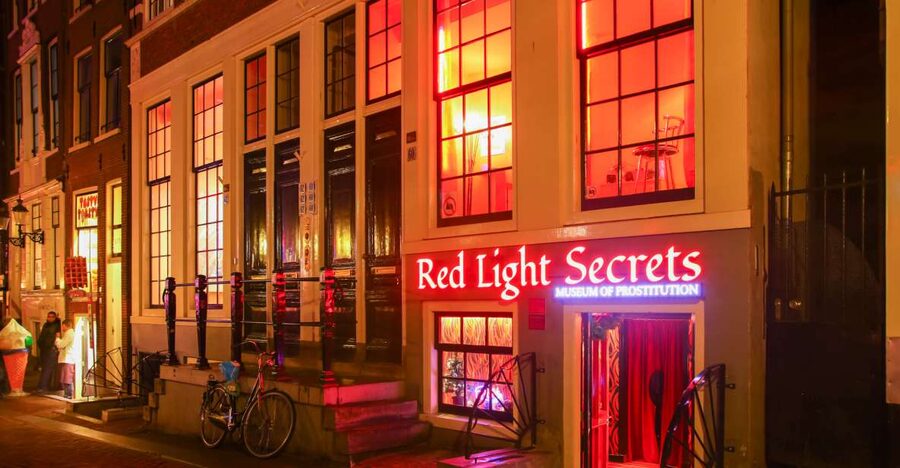
The museum is at Oudezijds Achterburgwal 60h, in the heart of Amsterdam’s Red Light District. You go directly to the entrance and present your voucher for scanning. The address places you right among the district’s narrow lanes, red-lit windows, bars, restaurants, and canals, so the museum fits naturally into a walk through the area.
The building matters. This is not a modern exhibition hall designed to imitate a brothel. It occupies a 17th-century house that once functioned as a brothel. That setting gives the visit a physical link to the district’s past, even though the displays are clearly arranged for today’s audience.
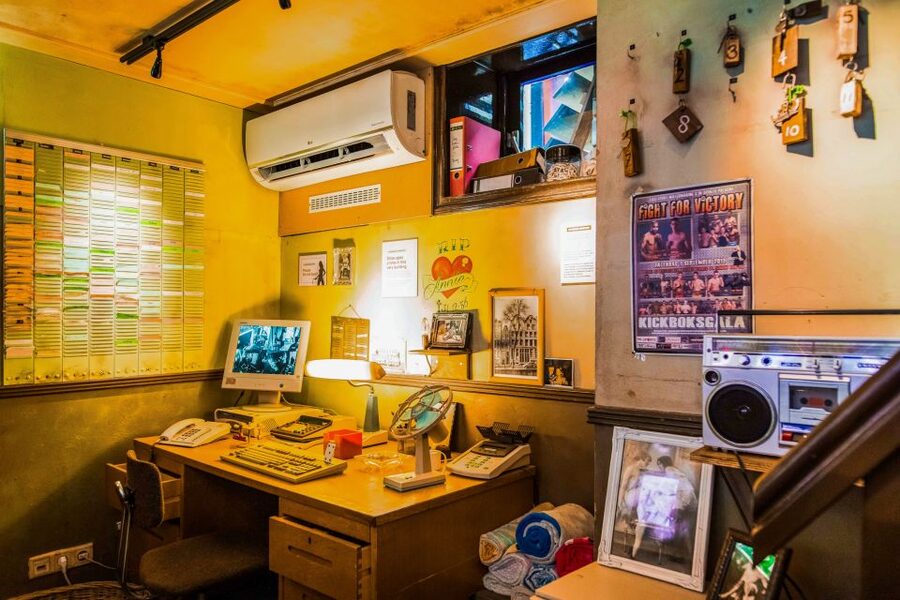
You should expect a compact interior with small rooms and narrow spaces. That is part of the appeal, since the setting feels connected to the subject, but it also explains why the museum can feel crowded. One practical tip is to choose an early time slot if you can. A visit first thing may still be busy, but arriving near opening time gives you a better chance of moving at your own pace.
This is a museum for adults and older teenagers. Entry is limited to people aged 16 and over. It is not suitable for wheelchair users, so check that point before booking.
More Museum Tours in Amsterdam
- Amsterdam: Van Gogh Museum Ticket
★ 4.7 · 52,054 reviews - Moco Museum Amsterdam Entrance Tickets with Banksy & More
★ 4.4 · 10,088 reviews - Amsterdam: The Upside Down Museum Entrance Ticket
★ 4.4 · 9,506 reviews
The audio guide puts one working woman at the center
The audio guide is the heart of the visit. It is available in Dutch, English, French, German, Italian, and Spanish, and English-speaking visitors hear the story of Inga, a former sex worker. Her account guides you through the museum with a mix of facts, personal experience, and humor.
That first-person approach makes a difference. A wall of dates and regulations can tell you when sex work became legal, but a personal voice helps explain what the work feels like and how someone might separate professional life from home life. Inga’s story is light in places, yet it does not pretend that the job is simple or free from danger.
You can move through the museum at your own pace instead of keeping up with a live guide. Stop the audio when you want to read a panel, look at a photograph, or make room for someone else. This makes the visit easy for couples, families with older children, or friends who do not all read and listen at the same speed.
The audio also helps when the museum is busy. On the other hand, several people inside at once can make it difficult to hear staff explanations or concentrate on nearby material. Use the device rather than relying only on spoken comments in the rooms.
The tone is direct but not crude for the sake of being crude. The museum tries to remove taboos and correct assumptions about sex work. You are encouraged to think about the person behind the window, not simply the image presented to passersby.
Seeing the working rooms behind the glass
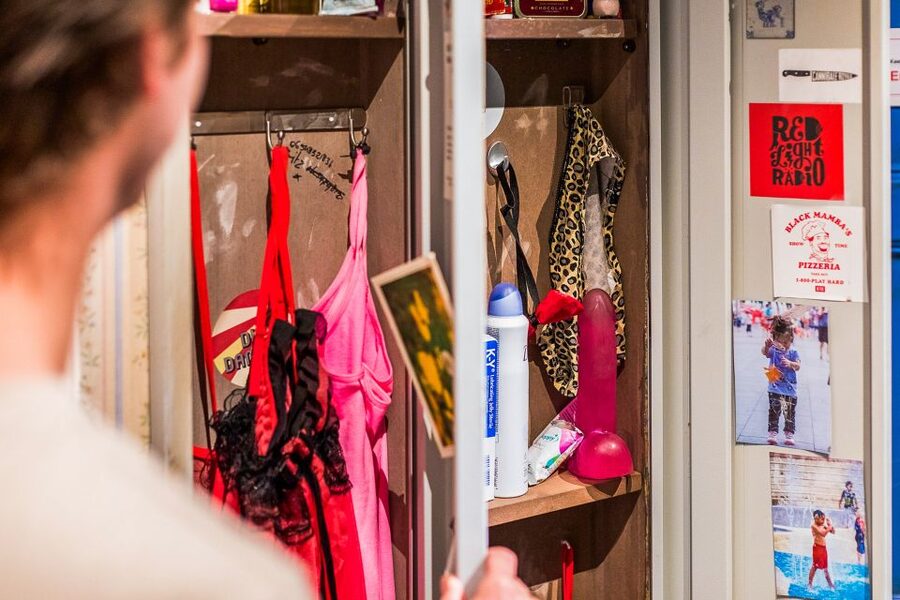
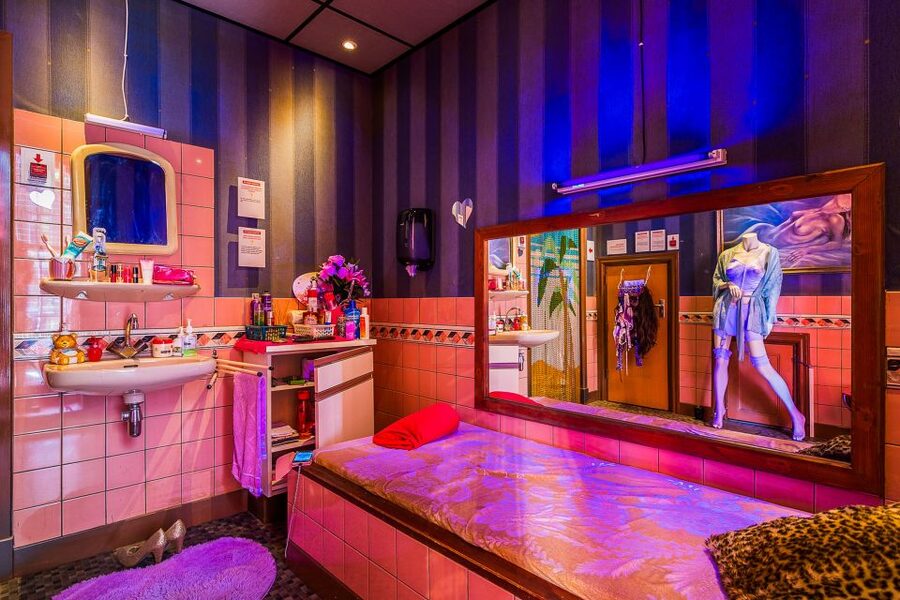
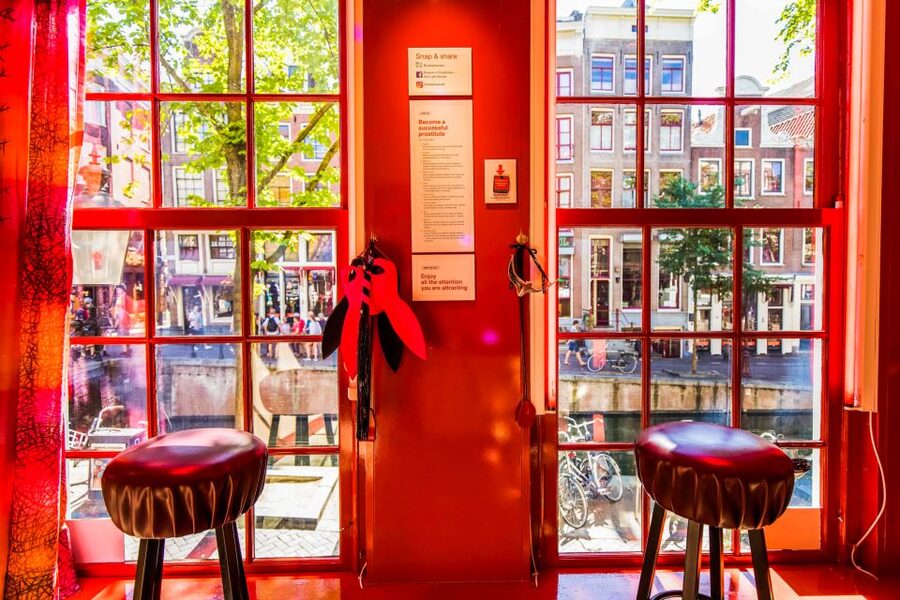
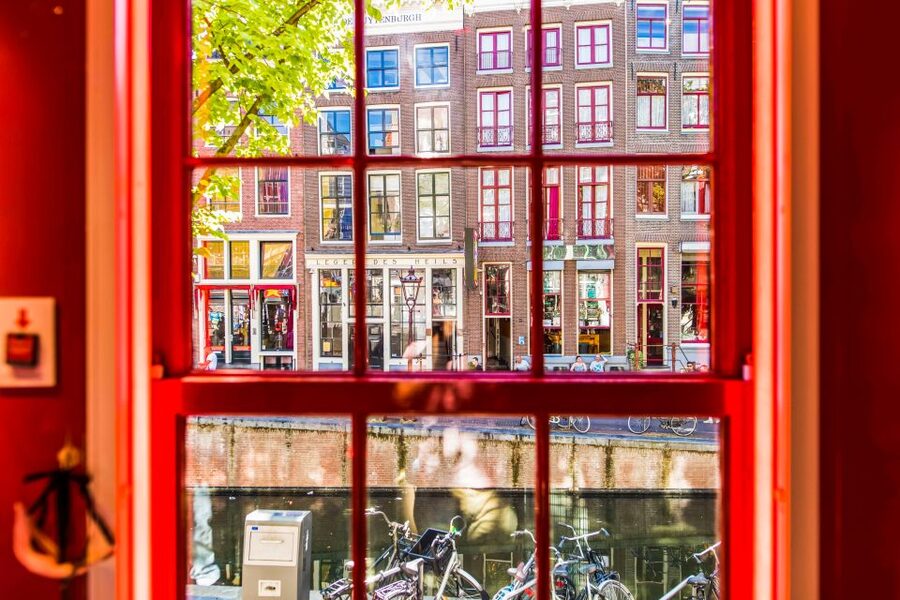
The museum recreates rooms where sex workers worked, giving you a look at the space behind the famous windows. You can sit in one of Amsterdam’s Red Light District windows and look out toward the street. This is the museum’s most memorable physical feature because it reverses the usual point of view.
From outside, the window is a spectacle for people passing through the district. From inside, you see how exposed that position can feel. Sitting there does not recreate the reality of the job, but it does give you a quick sense of the relationship between worker, customer, and public street.
The rooms are simple and compact. Do not expect a large collection of objects or a long sequence of grand galleries. The value comes from the setting, the recorded stories, and the questions raised by the displays.
Some material may be graphic or uncomfortable. You can keep moving if a particular display is too much for you. The museum also includes serious accounts of violence against sex workers, along with a memorial to women who were murdered. That section changes the mood and reminds you that the district’s colorful public image has a darker side.
This balance is important. The visit can be fun, especially when you reach the confessions, but it is not only a novelty stop. You will also hear about vulnerability, safety, exploitation, and the difference between legal work and forced work. The museum does not turn every issue into a neat answer, which is appropriate for a subject this complicated.
Amsterdam’s long connection with sex work
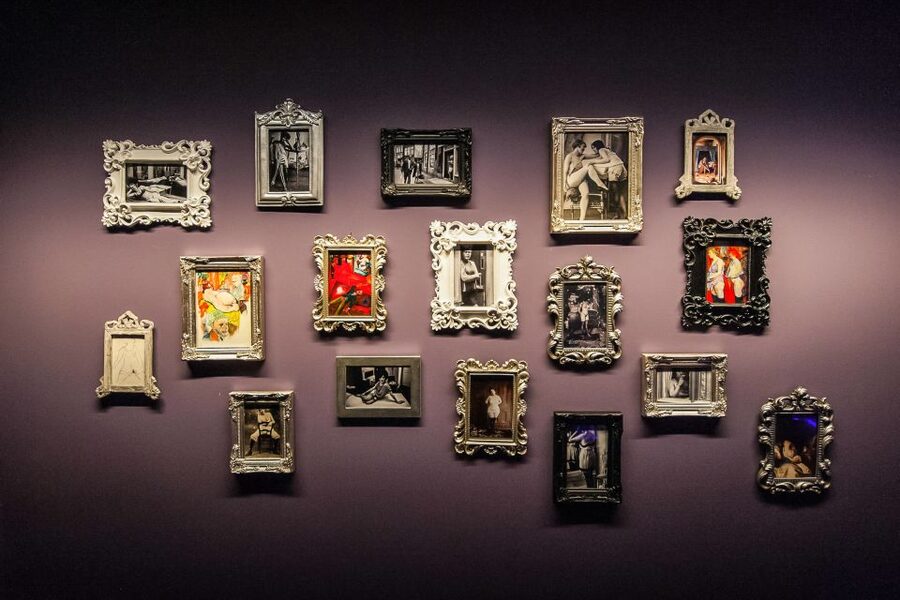
The historical section explains why Amsterdam became associated with liberal attitudes toward sex work. You learn about the Red Light District’s development, the profession’s place in Dutch society, and the decision to legalize sex work in 2000.
That date gives the visit a useful framework. Legalization is not the same as saying every problem has disappeared. It does explain the legal setting in which window work operates and why Amsterdam presents itself differently from many other European cities.
The displays also help you read the district outside. Without context, it is easy to treat the red lights and windows as an amusing photo stop. After the museum, you may notice the working spaces, the public gaze, and the boundary between tourism and someone’s workplace in a different way.
The museum presents sex workers’ views in their own words. That is one of its strongest points. You hear about hopes, choices, working life, and the wish to keep work separate from private life. The presentation is respectful, though the compact format means it cannot cover every political or social question in detail.
If you want a scholarly history of Dutch law, labor rights, or modern debates around the district, this museum will feel limited. If you want a clear introduction before exploring the area, it does the job well.
A different kind of day out entirely:
- Amsterdam Classic Saloon Boat Cruise with Drinks and Cheese
★ 5.0 · 31,825 reviews - Amsterdam Luxury Canal Cruise + Unlimited Drinks & Bites option
★ 5.0 · 30,518 reviews - Amsterdam: Heineken Experience Ticket
★ 4.6 · 30,055 reviews - Amsterdam: Rijksmuseum Entry Ticket
★ 4.7 · 25,535 reviews
The Confession Wall brings humor back at the end
Near the end, you read the Confession Wall, where museum visitors have left written confessions. This section is often the funniest part of the visit. Some entries are clever, some are surprisingly revealing, and others are plainly written to get a reaction.
The wall works because it lets the audience respond to the subject after hearing about it. You may laugh at one confession and then pause at the next. The tone is unpredictable, and a few entries are not for the easily shocked.
It also gives the museum a less formal finish. After serious displays about working conditions, violence, and social attitudes, the wall brings back the human habit of making jokes about awkward subjects. Do not treat every confession as a meaningful historical source, but do allow extra time if you enjoy reading.
A photo opportunity may be available at the end, though it has not always worked. Treat it as a bonus rather than part of the ticket’s main value.
How long the visit takes
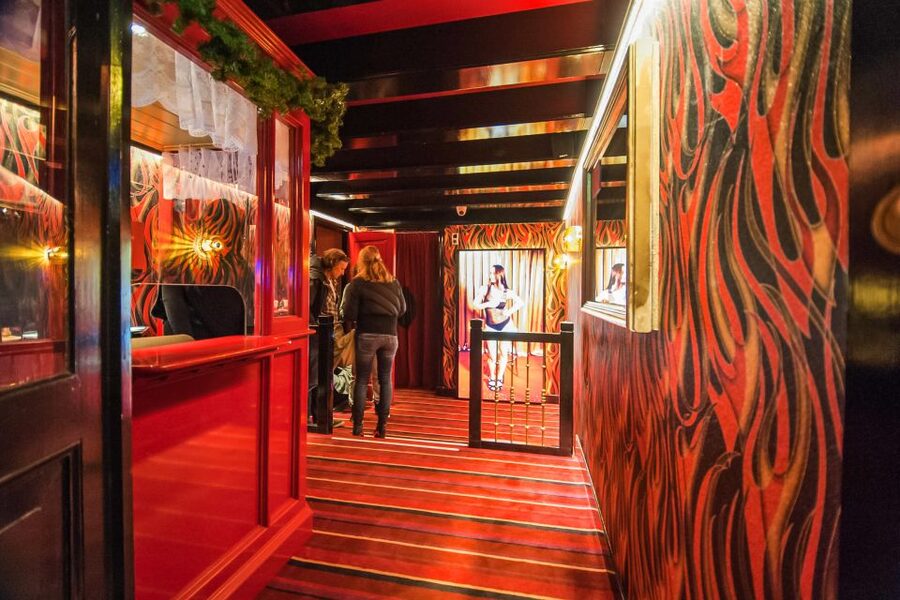
The museum is short. Many people finish in about half an hour, while a quicker visit can take closer to 15 minutes. If you listen to every audio section and read the written material, you may take longer.
That short length is both a strength and a weakness. It makes the museum easy to fit between canal walks, meals, and other Amsterdam sights. You do not need to give up half a day, and the $17 price feels fair for a focused introduction.
It can feel expensive if you expect a large museum with many rooms and extensive collections. Think of it as a compact interpretive experience, not a major national museum. Its best material is concentrated in the audio stories, the recreated rooms, and the window setting.
The self-guided format also means your visit depends partly on the crowd. In a busy period, you may need to wait for space at a display or window. The museum works best when you can pause without blocking the next person.
Timing, entry, and practical planning
You must enter during the time slot you selected. A ticket valid for one day does not mean you can arrive at any time that day, so check availability and choose carefully.
Prebooking gives you a reserved time and lets you use the voucher for scanning at the entrance. It may not mean walking straight past every person in line. Some visitors have found the queue arrangement unclear, particularly when prepaid ticket holders and people buying at the door gather together.
Give yourself a few minutes to find the address in the district. The museum is centrally located, but the lanes can be confusing, especially if you are already walking among the windows and crowds. Arriving slightly early is sensible.
The audio guide is included in the ticket. It is available in six languages: Dutch, English, French, German, Italian, and Spanish. Staff have generally been described as friendly and helpful, which matters in a place where some people may feel awkward on arrival.
Free cancellation is available up to 24 hours before the visit for a full refund. You can also reserve and pay later, which helps if your Amsterdam schedule is still changing.
Who will appreciate this museum most
I would recommend Red Light Secrets to adults who want to understand the district rather than simply walk through it. It suits first-time visitors who feel curious but unsure how to approach the subject respectfully.
It is also useful for anyone who has already seen the windows and wants to understand what lies behind them. Doing the museum before a Red Light District walk may give you more context. Doing it afterward may help you reconsider what you saw.
The museum works well for:
- Couples and friends looking for a short, unusual cultural stop
- Visitors interested in Amsterdam’s social history
- People who prefer self-guided visits
- Anyone who wants a personal account rather than only dates and statistics
- Visitors aged 16 and over who are comfortable with adult and sometimes graphic material
I would not choose it if you want a large museum, a long guided tour, or a detailed academic study of Dutch sex-work policy. It may also be a poor fit if you need step-free wheelchair access.
Is $17 a fair price?
At $17, the ticket offers reasonable value when you treat it as a 15 to 30 minute visit with an audio guide. The personal narration, former brothel setting, and window experience give it more substance than a simple walk through the district.
The value is strongest if you are already planning to visit the Red Light District. You are paying for context and access to spaces you cannot understand from the street alone. The museum can also serve as a quick indoor stop during a day of sightseeing.
The value is weaker if you measure admission by size. The museum is small, and some people may wish it included more detail or additional rooms. It is better described as concise than extensive.
I like that the ticket includes the audio guide rather than charging extra for the main interpretive element. The ability to listen in your preferred language also makes the price easier to justify for international visitors.
Should you book Red Light Secrets?
Book it if you want a respectful, compact introduction to Amsterdam’s sex-work industry, especially if the audio story and former brothel setting appeal to you. The window seat, Inga’s personal account, and the serious material about safety make the visit more thoughtful than its cheeky subject might suggest.
Skip it if you want a major museum or dislike adult themes, graphic displays, or tight interior spaces. If you do book, select your time carefully, arrive a little early, and plan on about half an hour.
For most curious visitors aged 16 and over, I think it is worth adding to a Red Light District walk. The museum will not answer every question, but it can change how you see the windows afterward.
FAQ
Where is the Red Light Secrets Museum located?
It is at Oudezijds Achterburgwal 60h, 1012 DP Amsterdam, Netherlands, in Amsterdam’s Red Light District.
How much does admission cost?
The listed price is $17 per person.
How long does the museum visit take?
The visit may take about 15 to 30 minutes, depending on how much time you spend listening and reading.
Is an audio guide included?
Yes. The audio guide is included and is available in Dutch, English, French, German, Italian, and Spanish.
Who can enter the museum?
The museum is only suitable for people aged 16 and over.
Can wheelchair users access the museum?
No. The activity is not suitable for wheelchair users.
Can I cancel my booking?
Yes. You can cancel up to 24 hours in advance for a full refund. You can also reserve now and pay later.
Just added in Amsterdam
- Private Tour Zaanse Schans Windmills and Volendam in Jaguar★ 5.0 · 10 reviews
- Zaanse Schans and Giethoorn Unique Day Trip with Boat Cruise★ 4.5 · 17 reviews
- Windmills-Volendam-Giethoorn Private Tour in Jaguar★ 5.0 · 2 reviews
- Half-Day Private Guided Sightseeing Tour of Zaanse Schans★ 5.0 · 14 reviews
- Best of Netherlands: Zaanse Schans Mills, The Hague & Rotterdam★ 4.5 · 10 reviews
- Zaanse Schans Private Tour Windmills★ 5.0 · 18 reviews
- Zaanse Schans Windmills Edam Volendam and Marken from Amsterdam★ 5.0 · 1 review
- Zaanse Schans Edam Volendam Private Day Tour from Amsterdam★ 5.0 · 3 reviews
Museums, compared.

Moco Museum Amsterdam Entrance Tickets with Banksy & More
Read our review →

Amsterdam’s Weirdest Museum: Believe It or Not!
Read our review →

Browse the lists this tour appears in