
Review · WINDMILL TOURS
Amsterdam: Windmill Guided Tour
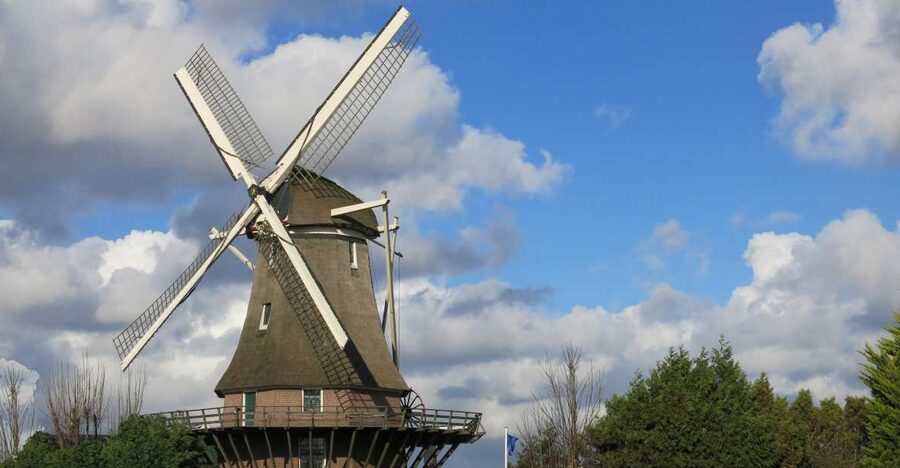
The Dutch keep dry with wind and wood. At Amsterdam’s Sloten Windmill, you get two things I especially like: a close look at a working 1847 water-pumping mill and a clear explanation of how low-lying Amsterdam West manages its water. You also get wide views over the Ringvaart Canal, not just another quick photo stop.
I like the small scale and the strong sense of purpose here. This is a real piece of Dutch engineering, still tied to local water control, and the guides explain it with obvious care. The main consideration is time: 45 minutes gives you a focused visit, but not a leisurely museum outing, and the tour includes climbing inside the mill.
In This Review
- Key points to know before you go
- Why Sloten Windmill is worth leaving central Amsterdam
- Starting at the souvenir shop
- Seeing the sails turn and the mill work
- Climbing through a 19th-century machine
- The Rembrandt figures in the attic
- Panoramic views over the Ringvaart Canal
- How the guide shapes the experience
- Who will enjoy this 45-minute visit
- Is $9 a good price?
- Booking details that matter
- Should you book the Sloten Windmill tour?
- FAQ
- How long does the Sloten Windmill tour last?
- How much does the tour cost?
- What is included in the ticket?
- Where does the guided tour begin?
- Which languages are available?
- Can children join the tour?
- Can I cancel the booking?
Key points to know before you go
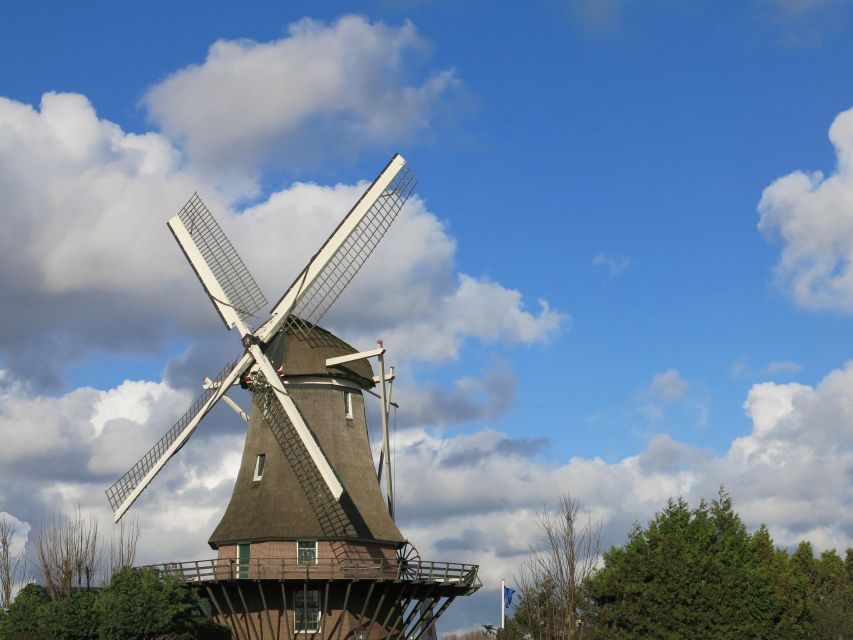
- A working windmill, not a decorative replica: Sloten Windmill still helps control water levels in Amsterdam West.
- A compact 45-minute visit: The tour is short enough to fit into a busy Amsterdam day.
- Useful Dutch water history: You learn why windmills mattered in a country where so much land sits below water level.
- Views from the upper levels: The top looks over the Ringvaart Canal and nearby areas.
- An unusual Rembrandt connection: Wax figures painted by Rembrandt van Rijn appear in the attic.
- Good value at $9: Entrance and a live guide are included, with English, Dutch, and German tours available.
Why Sloten Windmill is worth leaving central Amsterdam
Amsterdam is famous for its canals, narrow houses, and grand museums. Yet the city’s survival depends on a less glamorous subject: water control. Sloten Windmill gives you a practical look at that system, using a real machine rather than a display panel or a model.
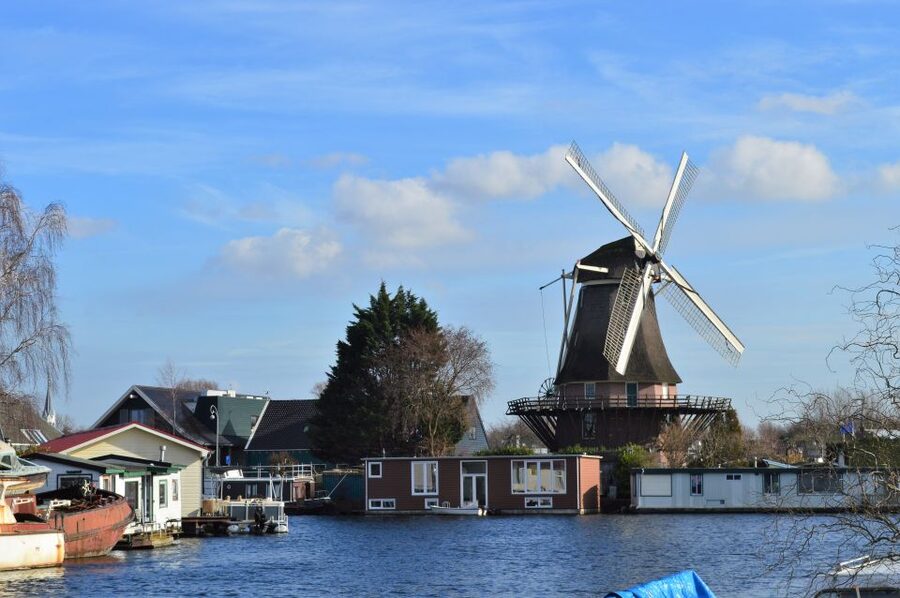
The windmill sits in Amsterdam West, near the villages of Sloten and Old Osdorp. Its setting helps explain the story. This is not simply a historic structure preserved for photographs. It is a water-pumping mill that still controls water levels in a low-lying part of the city.
I find that purpose more interesting than a windmill that only turns for show. As your guide leads you through the mill, you see how the sails, machinery, and pumping action fit together. You also hear why keeping the land dry requires constant attention.
At $9 per person, the tour offers a lot for a modest price. You receive admission and a guided explanation, and the visit takes only 45 minutes. That makes it easy to add to a day in Amsterdam, especially if you want something beyond the usual canal cruise and art museum circuit.
The tradeoff is that this is a brief, structured tour. You are not paying for a long museum visit with hours of independent browsing. You are paying for access to a working windmill and a guide who helps you understand what you are seeing.
More Windmill Tours in Amsterdam
- Amsterdam: Guided Zaanse Schans, Windmills & Cheese Tour
★ 4.4 · 4,826 reviews - Windmill Tour from Amsterdam, Including Volendam & Marken
★ 4.0 · 4,572 reviews - Zaanse Schans Windmills, Clogs and Dutch Cheese Small-Group Tour from Amsterdam
★ 4.5 · 2,369 reviews
Starting at the souvenir shop
The entrance for the guided tour is in the souvenir shop at Molen van Sloten. That detail matters because the building may look like a general attraction from the outside, and you do not want to wander around wondering where the tour begins.
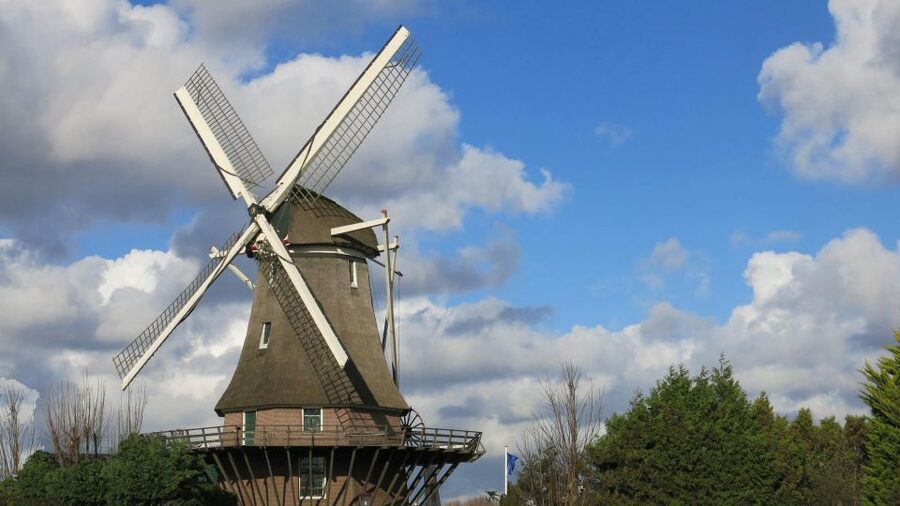
Once the tour starts, you move into the windmill with your guide. The first impression comes from the building itself: a thatched roof and sturdy oak construction. These materials suit the mill’s working role. It feels built to handle weather and machinery, not merely to look picturesque beside the canal.
The visit is guided rather than self-directed, which is a plus here. Windmill machinery can look like a jumble of beams, gears, and moving parts if nobody explains it. Your guide gives the structure a purpose, showing how the mill uses wind power to move water and regulate local levels.
The available tour languages are English, Dutch, and German. That gives most international visitors a practical choice, though French is not listed as an option. If a language other than those three is important to you, check before booking.
Seeing the sails turn and the mill work
The best moment comes when the sails are turning. The sight is simple but powerful. You are watching a machine from the 19th century still perform the task for which it was built.
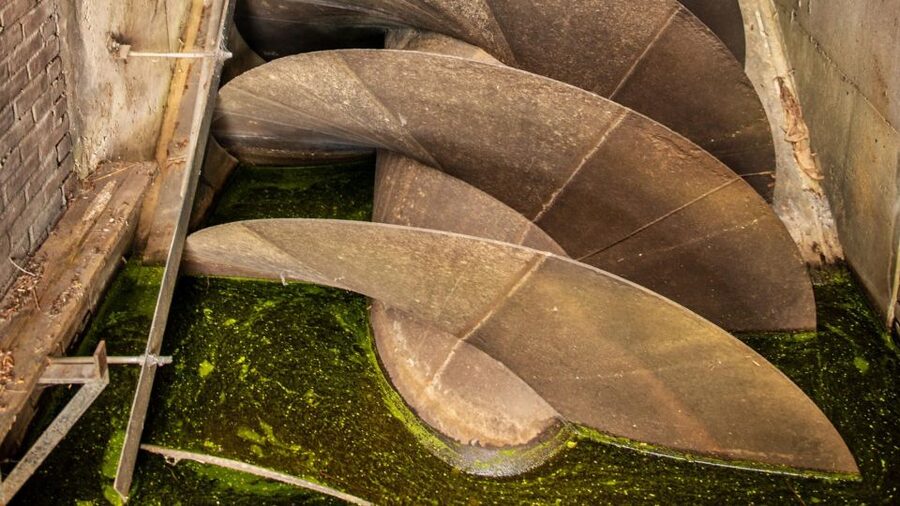
The mill dates to 1847, and its continued use makes the visit different from seeing a static historic building. You learn not only how windmills were built, but why this particular kind of mill mattered. The guide connects the movement of the sails to the pumping of water and to the wider effort to keep Amsterdam West dry.
That connection is the heart of the tour. The Netherlands is often described through its canals and dikes, but this visit shows the machinery behind the famous Dutch relationship with water. You get a better sense of why water levels must be managed and why wind power once played such a major role.
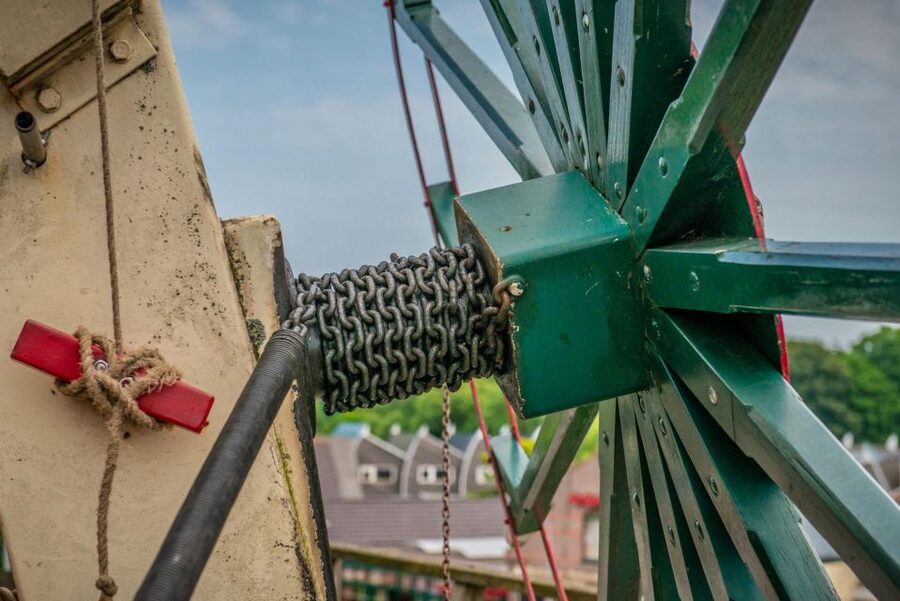
One useful detail from the visit is that the miller may adjust the brake on the sails while you are there. That gives you a glimpse of the mill as working equipment, with people still tending its parts rather than simply preserving them behind glass.
You should expect the sound and movement of an operating mill, along with narrow internal spaces and a climb through the structure. The tour information confirms wheelchair accessibility, but it does not spell out which upper sections are accessible. If reaching the attic or top matters to you, ask the mill staff before arrival.
Climbing through a 19th-century machine
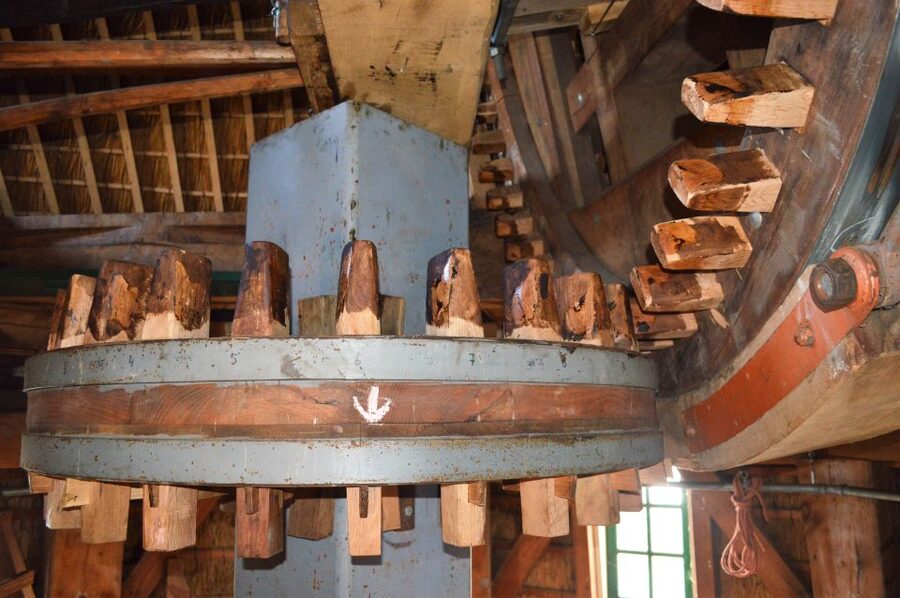
As you go higher, the tour shifts from broad history to the mill’s physical details. You hear about the nearby villages of Sloten and Old Osdorp, which adds a local layer to the experience.
This part is useful because the windmill does not sit in isolation. It belongs to a wider area shaped by villages, canals, reclaimed land, and water management. The guide helps connect the building to the communities around it.
I would pay close attention to the technical explanations. One highly praised part of the experience is the amount of detail the guides can offer, especially about the mechanics of drying and managing Dutch land. If you enjoy understanding how things work, this is likely to be the strongest part of the visit.
The guides are volunteers, and their enthusiasm is an advantage. A volunteer who cares about maintaining the mill can make a short tour feel personal and lively. You may also find that the experience feels more conversational in a small group, since there is room to ask questions and receive a direct answer.
The group size can vary. Some bookings may be intimate, even with only two people, while other departures could include more visitors. A small group makes it easier to hear the guide and ask about the machinery. Since group size is not fixed, I would avoid booking this as a guaranteed private tour.
A different kind of day out entirely:
- Amsterdam: Van Gogh Museum Ticket
★ 4.7 · 52,054 reviews - Amsterdam Classic Saloon Boat Cruise with Drinks and Cheese
★ 5.0 · 31,825 reviews - Amsterdam Luxury Canal Cruise + Unlimited Drinks & Bites option
★ 5.0 · 30,518 reviews - Amsterdam: Heineken Experience Ticket
★ 4.6 · 30,055 reviews
The Rembrandt figures in the attic
The attic offers one of the tour’s strangest and most memorable details: wax characters painted by Rembrandt van Rijn. This is an unexpected stop inside a water mill, and it gives the visit a touch of theatrical history.
The figures are not the main reason to come, but they add variety to a tour that might otherwise focus entirely on gears, sails, and water levels. You move from engineering to local stories and art, all within the same compact building.
I would treat this as a bonus rather than expect a full Rembrandt exhibition. The attraction is the unusual combination. Amsterdam has major art museums devoted to Dutch painting, but here the connection appears in an attic within a functioning windmill.
That odd pairing helps make the Sloten visit family-friendly. Children may respond to the moving sails and machinery, while adults can follow the history of water control and the local villages. The wax figures give younger visitors another visual point of interest during the climb.
Children under 12 must be accompanied by an adult, and unaccompanied minors are not allowed. That is worth noting if older children are planning any part of the day on their own.
Panoramic views over the Ringvaart Canal
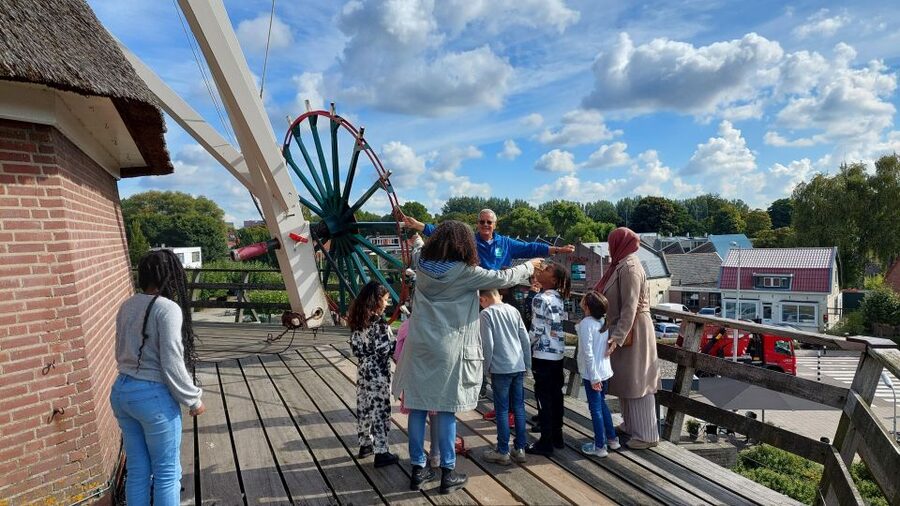
From the top, you can look over the Ringvaart Canal and the surrounding area. The view is not just a photo opportunity. It helps you see the kind of open, low-lying setting that made water management so important.
The canals and nearby land become part of the explanation. From ground level, it is easy to think of a windmill as a charming Dutch symbol. From above, you get a clearer sense of the spaces the mill serves and the relationship between water, fields, villages, and city districts.
I like this visual payoff because the tour moves from explanation to evidence. You hear why the mill matters, then look outward over the area where that system operates. The view gives the technical story a physical setting.
Do not expect a long viewing session. The entire visit lasts 45 minutes, and the guide needs to keep the group moving through the mill. Still, the upper view is a valuable part of a short tour, especially if you want a change from Amsterdam’s dense center.
How the guide shapes the experience
The guide makes a large difference here. The machinery is interesting, but the tour depends on clear explanations. The strongest feedback centers on friendly, patient guides who answer questions and explain technical points without making the subject feel dry.
You may hear the tour in English, Dutch, or German. The guides are described as volunteers, and that can be felt in the tone. Their role is not simply to recite dates. They help maintain the mill and explain why it still matters.
I would ask questions as you go. Good topics include how the sails drive the pumping system, what the brake does, and how the mill fits into Amsterdam West’s water control. The guide can also add context about Sloten and Old Osdorp that you would miss by walking around the exterior alone.
Some visitors have wished for a French option, so French-speaking visitors should plan accordingly. The official languages do not include French. For English, Dutch, and German speakers, the language choice is much easier.
Who will enjoy this 45-minute visit
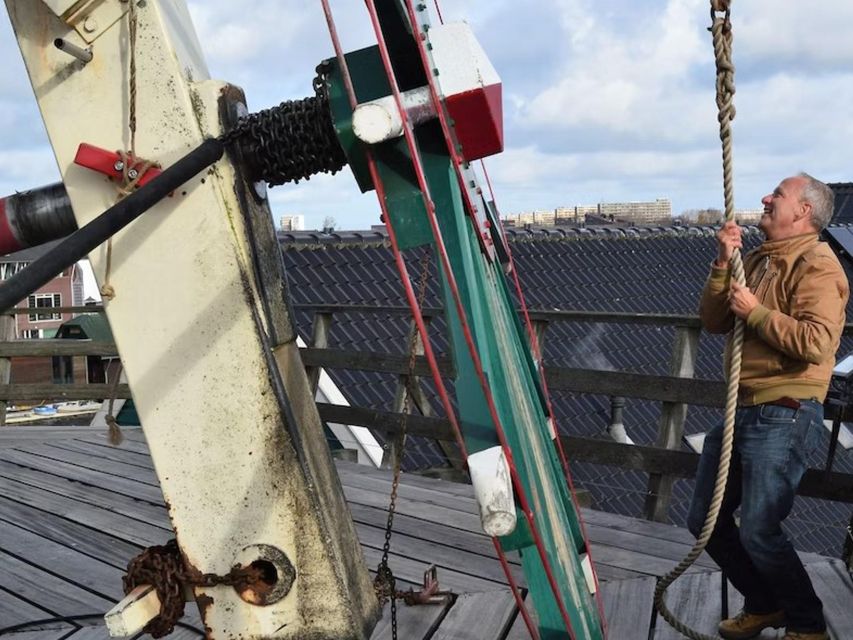
I recommend the tour most strongly to people who want a practical piece of Dutch history. If you like machines, local engineering, canals, or the story of how countries manage difficult terrain, the Sloten Windmill offers real substance in a short period.
It also suits families. The turning sails, climb through the mill, moving parts, panoramic view, and attic figures give children several things to notice. The visit is more active than a room full of paintings, though you should keep the age rule in mind and stay with children under 12.
This is also a good choice if you have already seen Amsterdam’s central sights. The tour takes you toward Amsterdam West and shows a different side of the city. It is less about grand architecture and more about the infrastructure that lets the region exist.
I would be less likely to recommend it if you want a long, relaxed museum experience or a full day centered on Dutch art. The visit is short, the tour follows a set route, and the Rembrandt connection is limited to the wax figures in the attic.
Is $9 a good price?
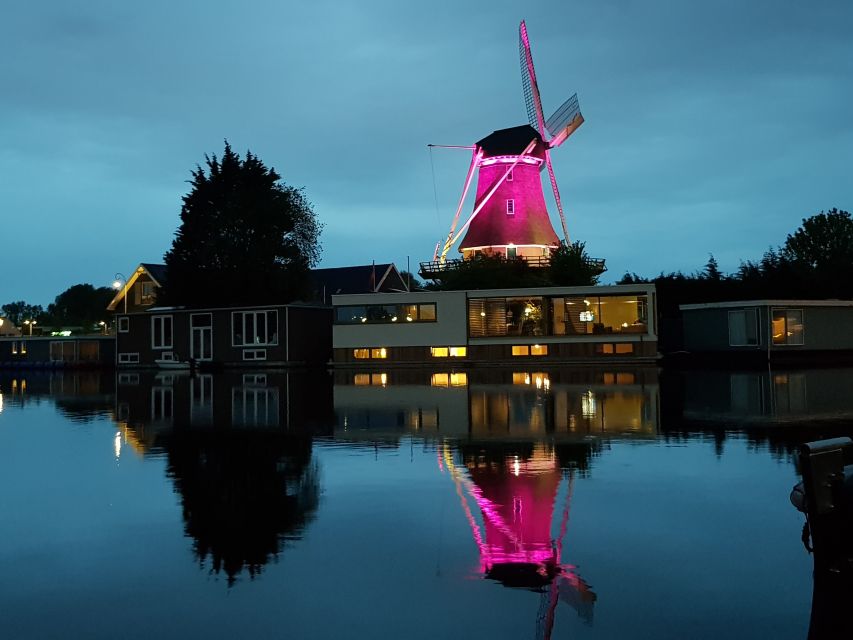
At $9, I consider this very good value. The cost includes entrance and a live guide, and you get access to a functioning historic windmill rather than viewing it only from outside.
The value comes from the explanation. A cheaper or free exterior visit would show you the shape of the mill, but not necessarily explain how it pumps water or why the surrounding area depends on that work. The guide turns an attractive building into a useful lesson.
The 45-minute duration also works in the price’s favor. You are not committing half a day or paying for a large attraction when you only want a focused introduction. You can fit the tour into a broader Amsterdam West outing.
Food, drinks, and hotel pickup are not included. That keeps the price low, but you need to arrange those parts yourself. Since the tour is brief, plan it as one stop within your day rather than as a complete day trip.
Booking details that matter
You can cancel up to 24 hours in advance for a full refund, which gives you some flexibility. You can also reserve now and pay later, useful if you are building an Amsterdam schedule before every detail is fixed.
Skip-the-ticket-line access is included, and availability depends on the starting time you choose. The tour begins at the windmill, with the guided entrance located in the souvenir shop.
Wheelchair accessibility is listed, but the windmill’s upper levels may involve a climb. Because the provided information does not explain how every section is handled, contact the attraction directly if full access to the top is essential.
Should you book the Sloten Windmill tour?
Book it if you want a short, inexpensive look at the real work behind Dutch water management. The turning sails, working pump, local stories, attic figures, and canal views give the tour more variety than its 45-minute length suggests.
I would especially choose it for families, curious engineers, history fans, and anyone who has seen enough famous city sights for one day. The strongest reason to go is not the postcard image of a windmill. It is the chance to understand why the building still matters.
Skip it if you need a long indoor attraction, a French-language tour, or a fully independent visit. For most English, Dutch, and German speakers, though, $9 buys a focused and memorable piece of Amsterdam’s practical history.
FAQ
How long does the Sloten Windmill tour last?
The guided tour lasts 45 minutes.
How much does the tour cost?
The listed price is $9 per person.
What is included in the ticket?
Entrance to the windmill and a tour guide are included.
Where does the guided tour begin?
The entrance for the guided tour is in the souvenir shop at Molen van Sloten.
Which languages are available?
The live tour guide is available in English, Dutch, and German.
Can children join the tour?
Yes. Children under 12 must be accompanied by an adult, and unaccompanied minors are not allowed.
Can I cancel the booking?
You can cancel up to 24 hours in advance for a full refund. You can also reserve now and pay later.
Just added in Amsterdam
- Private Tour Zaanse Schans Windmills and Volendam in Jaguar★ 5.0 · 10 reviews
- Zaanse Schans and Giethoorn Unique Day Trip with Boat Cruise★ 4.5 · 17 reviews
- Windmills-Volendam-Giethoorn Private Tour in Jaguar★ 5.0 · 2 reviews
- Half-Day Private Guided Sightseeing Tour of Zaanse Schans★ 5.0 · 14 reviews
- Best of Netherlands: Zaanse Schans Mills, The Hague & Rotterdam★ 4.5 · 10 reviews
- Zaanse Schans Private Tour Windmills★ 5.0 · 18 reviews
- Zaanse Schans Windmills Edam Volendam and Marken from Amsterdam★ 5.0 · 1 review
- Half Day Keukenhof Tulip Paradise Trip from Amsterdam★ 5.0 · 1 review
Windmill Tours, compared.
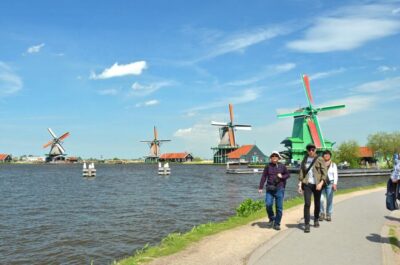
Guided Zaanse Schans, Windmills & Cheese Tour
Read our review →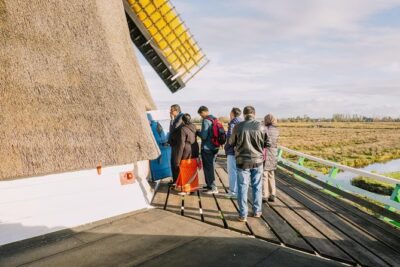
Windmill Tour from Amsterdam, Including Volendam & Marken
Read our review →
Tour to Keukenhof Gardens with Windmill Cruise
Read our review →
Zaanse Schans Windmills, Clogs and Dutch Cheese Small-Group Tour from Amsterdam
Read our review →
Zaanse Schans windmills & Volendam Guided Tour
Read our review →
Day Tour Keukenhof and Zaanse Schans Windmills
Read our review →
Countryside Bike Tour from Amsterdam: Cheese, Clogs & a Windmill
Read our review →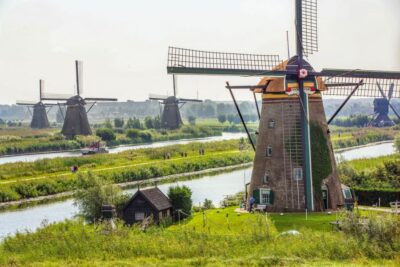
Kinderdijk UNESCO World Heritage Entry Ticket
Read our review →Browse the lists this tour appears in