
Review · WINDMILL TOURS
Kinderdijk Windmills and Delft Small-Group Tour from Amsterdam
Water, windmills, and blue pottery make a fine Dutch day. This 8 to 9-hour small-group outing combines the UNESCO-listed windmills of Kinderdijk with the canals and pottery workshops of Delft. I like the small maximum of 16 people, and I like that guides such as Eva and Sarah can adjust the day around the group’s interests. The main drawback is traffic near Amsterdam, especially at the start or end of the day.
You leave at 8:00 a.m. from Aloha, at De Ruijterkade 151, and ride in an air-conditioned vehicle. Water, cold drinks, snacks, admissions, and the boat experience are included, but lunch is not. At $300.06 per person, this is not a cheap outing, yet it can be good value if you want transport, guiding, entry fees, and two major sights handled in one day.
In This Review
- Key points to know before booking
- Why this Kinderdijk and Delft pairing works
- Kinderdijk: seeing water control at work
- What the pumping system teaches you
- Delft: canals, towers, and time to wander
- Royal Delft: watching blue-and-white pottery take shape
- Guides who shape the day
- Transport, timing, and the traffic warning
- What the $300.06 price includes
- Who should book this outing?
- Should you book the Kinderdijk and Delft tour?
- FAQ
- How long does the Kinderdijk and Delft tour last?
- What time and where does the tour begin?
- Where does the tour end?
- Is lunch included?
- What is included in the tour price?
- How many people can join the tour?
- Can I cancel for a full refund?
Key points to know before booking
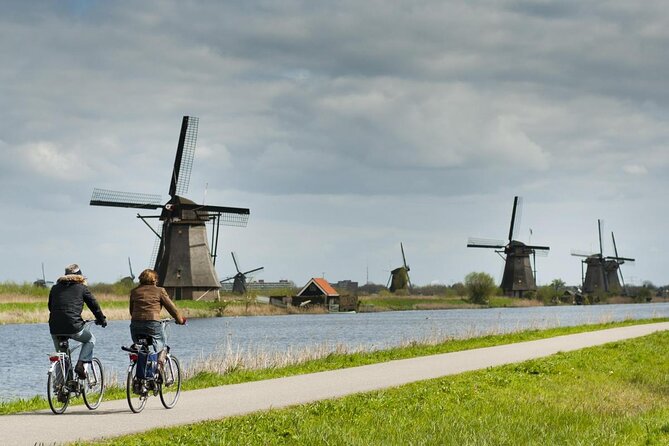
- Kinderdijk gives you 19 original windmills in their working setting, rather than a single mill displayed apart from its purpose.
- The boat ride offers a different view of the windmills, with canals and pumping works laid out around you.
- Royal Delft includes both the factory and flagship shop, so you can watch painters at work before browsing pottery.
- Guides Eva and Sarah receive especially warm praise for clear explanations, humor, flexibility, and good crowd timing.
- Delft gives you time beyond the factory, including its market, canals, churches, and a lunch break.
- Traffic is the one real practical risk, with delays possible around Amsterdam’s tour-bus meeting point.
Why this Kinderdijk and Delft pairing works
Amsterdam is full of canals, old houses, and museums. That makes it easy to spend your whole Dutch holiday in the capital and miss the engineering story that shaped much of the country. This tour fixes that problem in one long day.
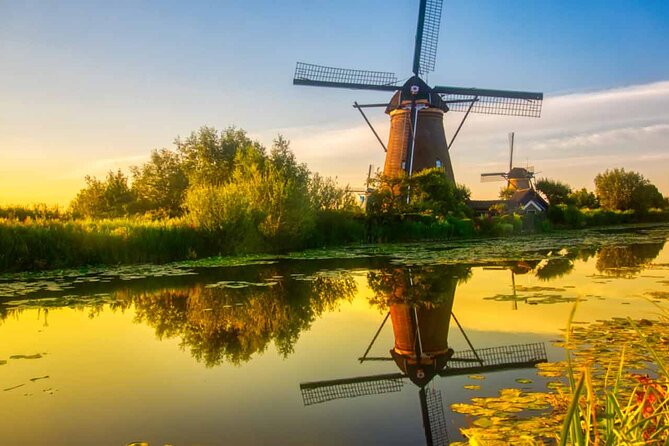
Kinderdijk shows how people have kept low-lying land dry for more than 700 years. Delft then shifts the mood from water management to town life, painting, churches, and blue-and-white pottery. The two stops feel different, which helps the day avoid becoming a string of similar museums.
I also like the scale of the tour. The vehicle carries no more than 16 people, and the group can be smaller. One outing had only three people, making it feel close to a private tour. A group of four also had enough freedom to explore Delft, take lunch, and ask for extra explanation along the way.
The guides are an important part of the value. Eva is praised for history, culture, storytelling, and timing. Sarah is described as warm, clear, and adaptable. On some departures, the guide has arranged an extra stop or a scenic detour, including a drive through tulip fields or a visit to Camp Vught. Those additions are not guaranteed, so treat them as pleasant possibilities rather than promised features.
More Windmill Tours in Amsterdam
- Amsterdam: Guided Zaanse Schans, Windmills & Cheese Tour
★ 4.4 · 4,826 reviews - Windmill Tour from Amsterdam, Including Volendam & Marken
★ 4.0 · 4,572 reviews - Zaanse Schans Windmills, Clogs and Dutch Cheese Small-Group Tour from Amsterdam
★ 4.5 · 2,369 reviews
Kinderdijk: seeing water control at work
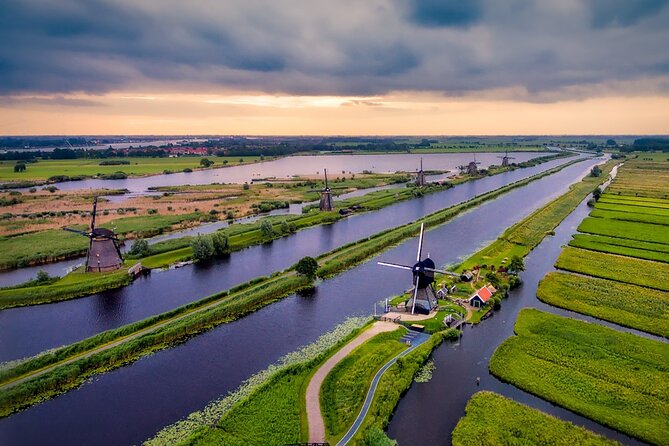
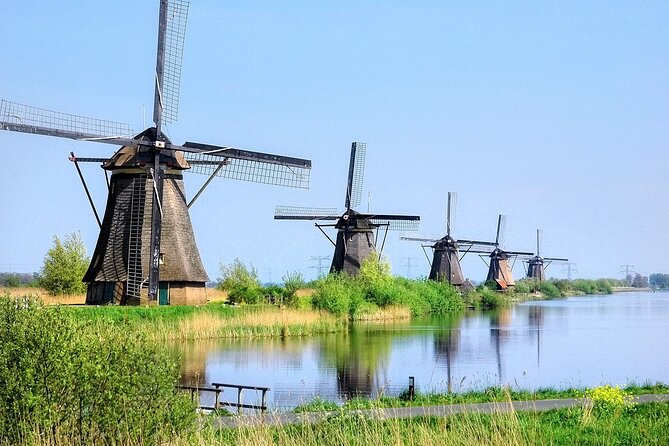
Kinderdijk is not simply a place to photograph windmills. It is a working water system. The mills and pumps move water from the polder soil into the river, helping keep the surrounding land dry. The site brings together human planning, old technology, and the natural pressure of water.
You see 19 original windmills in their historic setting. That matters because the mills make more sense here than they would in an isolated open-air display. Canals, pumping stations, dikes, and fields explain why the structures were built and why they remained important for so long.
The tour allows about three hours at Kinderdijk. That gives you time to see the mills from land, take the boat, and enter a working mill. Inside, you can learn about the millers who lived and worked there. This personal side adds warmth to what could otherwise be a technical visit.
The boat ride is one of the strongest parts of the day. From the water, you get a broad view of the mills lined along the canals. The angle changes constantly, and the boat helps you understand how the separate parts of the drainage system fit together. Bring a layer of clothing, since time on the water can feel cooler than time beside the visitor paths.
The site can draw large riverboat excursions, but the timing of the small-group tour may help you avoid the worst lines. Eva is specifically praised for reaching the mills at a quieter time and for allowing the group to watch a miller unfurl the sail. That sort of moment is worth more than rushing through a checklist of photo stops.
The main caution is weather. Kinderdijk is best enjoyed outdoors, and conditions can change the feel of the visit. One departure had rain and cloud before the outing, while another enjoyed warm sunshine and a full boat ride. The tour provides water, cold drinks, and snacks, but you should still dress for an exposed outdoor site.
What the pumping system teaches you
A guide makes Kinderdijk far more useful than a quick independent visit. The mills are attractive, but their real interest lies in what they do. Water is moved between different levels and eventually toward the river, with pumps and canals working together.
You can expect explanations of how the system developed and how old methods were improved over time. One detailed visit included seeing several mills working, entering a mill, and watching water raised between successive ditches. That gives you something concrete to watch instead of asking you to absorb a long technical lecture.
I would give this stop your full attention even if you are not especially interested in machinery. The practical question is simple: how does a country keep land dry when water is always nearby? Kinderdijk answers it with visible, working equipment.
Three hours is generous, but it is also a reason to wear comfortable shoes and keep water with you. The day involves walking, outdoor viewing, and time aboard a boat. The group may move at a relaxed pace, but this is not a sit-in-the-vehicle excursion.
Delft: canals, towers, and time to wander
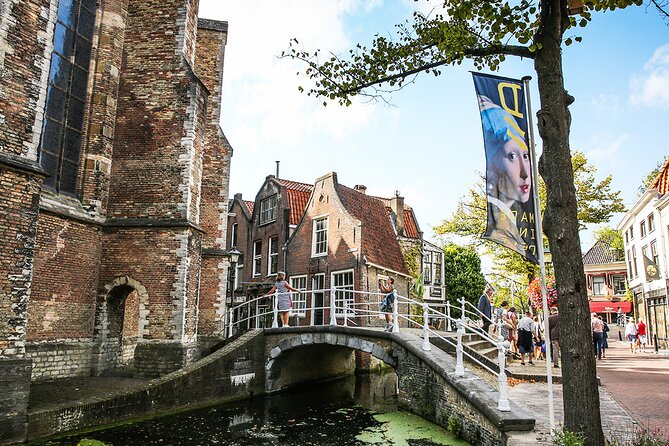
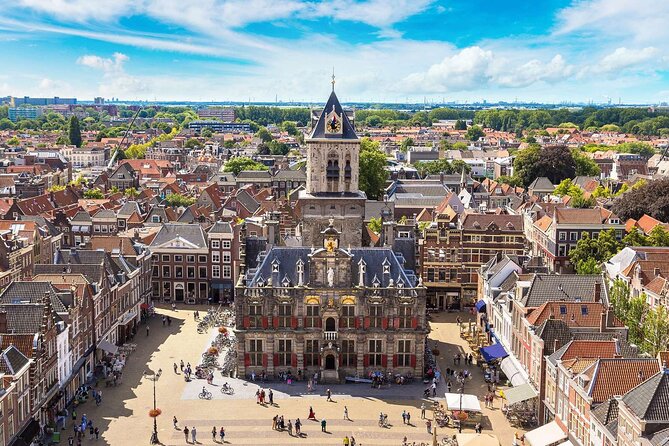
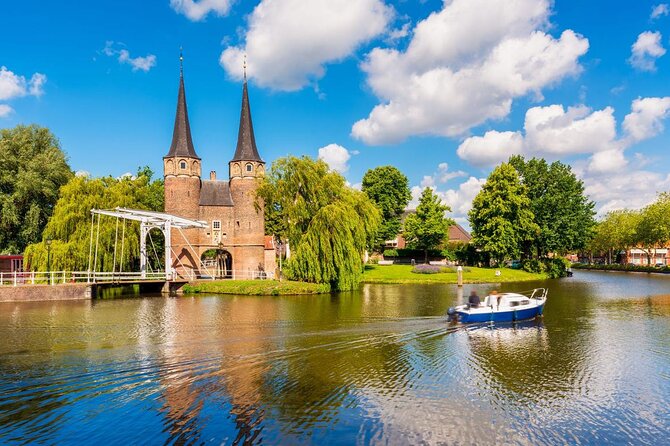
After Kinderdijk, Delft provides a pleasant change. It is smaller than Amsterdam, with canals, gabled buildings, towers, and a more compact center. The town is strongly linked with Johannes Vermeer, and its marketplace and churches give you a sense of the city beyond its famous pottery.
About three hours are set aside for Delft, including time for lunch. Lunch is at your own expense, so allow room in your budget for a meal. The schedule gives you a choice: follow the guide for more context or explore independently.
That flexibility is important. If you want a quick orientation and then time alone, you can do that. If you prefer a guide to point out the major churches, market, and local connections, you can stay with the group. One small group used its free time to explore the market, climb the New Church tower, and visit the Delft Blue museum and factory.
Do not expect a full guided walking tour of every street. The description allows the guide to tag along or let you explore, and the exact balance can depend on the group. That is a strength for independent-minded people, but it may disappoint you if you want a tightly scripted city tour.
Delft is also the point where the day becomes less organized. You have room to browse, eat, and set your own pace. I would use this time to walk beside the canals, look up at the old facades, and visit the marketplace before heading to Royal Delft.
More Windmill Tours in Delft
- Kinderdijk Windmills, Delft City & Delft Blue Factory Visit
★ 5.0 · 17 reviews - Amsterdam: Kinderdijk, Euromast, Delft and Den Haag Day Tour
★ 4.9 · 13 reviews - Private Tour to Kinderdijk and Delft / Leiden / Hague / Gouda
★ 4.5 · 8 reviews - Private tour to Kinderdijk windmills and Delft from Amsterdam
★ 5.0 · 6 reviews
Royal Delft: watching blue-and-white pottery take shape
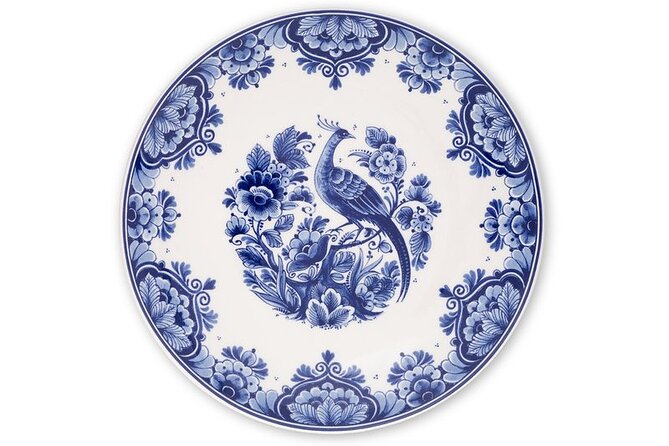
The Royal Delft visit lasts about one hour and includes admission. You go to the factory and flagship shop of the famous Delft pottery maker, see painters at work, and learn about the production process.
This stop gives the pottery a human scale. A finished plate or tile in a shop can seem purely decorative. Seeing the painting process helps you understand the handwork behind the familiar blue-and-white designs.
The factory visit also gives you time to buy a souvenir. That is useful because the shop is part of the official stop, rather than an unrelated retail detour. You can browse without having to spend anything, but the chance to purchase a piece is there if you want something more lasting than a postcard.
Keep your expectations in check. The visit is about one hour, so it is an introduction, not an all-day workshop or an extensive ceramics course. If you are passionate about pottery, you may wish you had longer. For most people, though, the factory adds a clear cultural thread to the Delft portion of the day.
The order of Delft and Royal Delft may vary according to the day’s arrangements, traffic, and group interests. The supplied plan presents Delft as a three-hour stop and Royal Delft as a separate one-hour visit, so expect both rather than assuming the factory replaces time in town.
Guides who shape the day
A small-group tour rises or falls on its guide. Here, Eva and Sarah receive the strongest praise, and the details are useful. Eva is described as warm, funny, flexible, and strong on Dutch history and culture. She has adjusted plans, timed visits to reduce crowding, and added scenic or cultural extras when possible.
Sarah is praised for her friendly manner, clear explanations, and ability to make the day feel personal. One group appreciated being dropped near its hotels at the end, though that is not presented as a standard service. You should plan to return to the official meeting point at De Ruijterkade 151.
The guides also provide commentary during the drives. That makes the road time more useful, especially because the trip takes most of a day. You are not simply being delivered to two attractions, then left to work everything out alone.
Flexibility can be a real benefit. One group was offered a choice involving Delft, The Hague, or Vught after Kinderdijk. Another received a tulip-field detour. These choices depend on the day, timing, and guide, so do not book this expecting a guaranteed custom itinerary. Book it knowing that a small group may allow some adjustment.
Transport, timing, and the traffic warning
The tour starts at 8:00 a.m. from Aloha, De Ruijterkade 151, 1011 AC Amsterdam. The activity ends back at that meeting point, and the vehicle is air-conditioned. The total duration is about eight to nine hours, so leave your evening free.
The early start is sensible. It gives the group a better chance of arriving at Kinderdijk before the heaviest crowds and leaves enough time for Delft. It also means you should check your route to the meeting point in advance and avoid cutting things close.
Traffic is the one notable weakness. Amsterdam’s roads near the tour-bus area can be slow, especially during busy periods. One outing had a late arrival because of traffic and a 45-minute delay returning to the meeting point. The route to the rear of Amsterdam Central Station can be particularly difficult because normal cars have fewer access options than licensed taxis.
That delay is not a reason to reject the tour, but it is a reason to avoid scheduling a tight evening train, dinner reservation, or flight after the return. The trip is already long, and road conditions can stretch it.
The maximum group size of 16 is small enough for personal contact but not a guarantee of a tiny party. If having only two or four people matters to you, understand that the group may be larger. The operator’s strongest praise comes from very small departures, yet the stated limit is 16.
What the $300.06 price includes
At $300.06 per person, this is a premium day trip. The price includes the air-conditioned vehicle, all listed admission fees and taxes, bottled water, snacks, cold drinks, Kinderdijk access, the boat experience, and Royal Delft entry.
That bundle changes the calculation. You are paying for transport from Amsterdam, a full day of guiding, admission to two major sites, and help with the practical details. If you tried to arrange the same day independently, you would still pay for transport and entry, then spend time managing connections and schedules.
Lunch is not included. Delft gives you time to buy it, but you should bring a payment method and budget for the meal. Souvenirs at Royal Delft are also extra, naturally, and prices can vary by item.
I see the best value here for a solo visitor, a couple, or a small family that wants context and convenience without joining a large coach. The value is weaker if you prefer slow independent exploration, already understand Dutch water management, or want to spend a full day in only one place.
A 4.9 rating from 21 reviews and a 95 percent recommendation rate suggest strong satisfaction, but the sample is small. I would treat those figures as encouraging rather than decisive. The detailed feedback points to the same strengths repeatedly: guide quality, crowd timing, Kinderdijk itself, Delft’s charm, and the pottery factory.
Who should book this outing?
I would recommend it to you if you have limited time in Amsterdam and want two major day-trip sights covered in one outing. It suits people who enjoy history explained in plain language, scenic boat rides, small towns, and practical transport.
It is also a good choice for solo visitors. A small group makes it easier to meet people, ask questions, and avoid the lonely feeling that can come with a complicated independent day trip.
Families and older adults may appreciate the air-conditioned vehicle and included refreshments, though the exact walking demands and pace can vary. Most people can participate, and service animals are allowed. The tour is near public transportation at the meeting point.
I would think twice if you dislike early starts, outdoor weather, or fixed group timing. I would also avoid booking it on a day when you must catch a train or flight soon after the scheduled return.
Free cancellation is available up to 24 hours before the 8:00 a.m. start for a full refund. Changes or cancellations inside that window are not accepted for a refund. The tour also requires a minimum number of participants, so the operator may offer another date or experience, or provide a full refund if that minimum is not met.
Should you book the Kinderdijk and Delft tour?
Book it if you want a guided, efficient day beyond Amsterdam and care more about seeing the right places than controlling every minute. Kinderdijk supplies the big visual experience, the boat adds variety, and Delft gives you time for canals, churches, lunch, and shopping before Royal Delft explains the pottery tradition.
The strongest reason to choose this tour is the guide-led approach. Eva and Sarah have made the day feel personal, adjusted plans when possible, and helped small groups avoid the worst crowds. The main tradeoff is cost, plus a real chance of traffic delays at the Amsterdam end.
My practical advice is simple: wear comfortable shoes, bring a light layer for the boat, leave your evening open, and do not forget that lunch is extra. If those conditions suit you, this is a well-balanced way to see Dutch engineering, town life, and craft production in one rewarding day.
FAQ
How long does the Kinderdijk and Delft tour last?
The experience lasts approximately eight to nine hours.
What time and where does the tour begin?
It begins at 8:00 a.m. at Aloha, De Ruijterkade 151, 1011 AC Amsterdam, Netherlands.
Where does the tour end?
The activity ends back at the meeting point.
Is lunch included?
No. Lunch is not included, but there is time to have lunch in Delft.
What is included in the tour price?
The price includes an air-conditioned vehicle, all fees and taxes, bottled water, snacks, cold drinks, Kinderdijk admission, the boat experience, and admission to Royal Delft.
How many people can join the tour?
The tour has a maximum of 16 participants.
Can I cancel for a full refund?
Yes. You can cancel at least 24 hours before the local start time for a full refund. Cancellations or changes made less than 24 hours before the start are not refunded or accepted.
Just added in Amsterdam
- Private Tour Zaanse Schans Windmills and Volendam in Jaguar★ 5.0 · 10 reviews
- Half-Day Private Guided Sightseeing Tour of Zaanse Schans★ 5.0 · 14 reviews
- Zaanse Schans and Giethoorn Unique Day Trip with Boat Cruise★ 4.5 · 17 reviews
- Windmills-Volendam-Giethoorn Private Tour in Jaguar★ 5.0 · 2 reviews
- Best of Netherlands: Zaanse Schans Mills, The Hague & Rotterdam★ 4.5 · 10 reviews
- Zaanse Schans Private Tour Windmills★ 5.0 · 18 reviews
- Zaanse Schans Windmills Edam Volendam and Marken from Amsterdam★ 5.0 · 1 review
- Zaanse Schans Edam Volendam Private Day Tour from Amsterdam★ 5.0 · 3 reviews
Windmill Tours, compared.
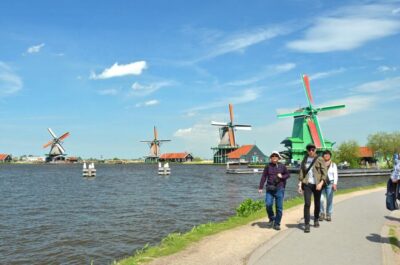
Guided Zaanse Schans, Windmills & Cheese Tour
Read our review →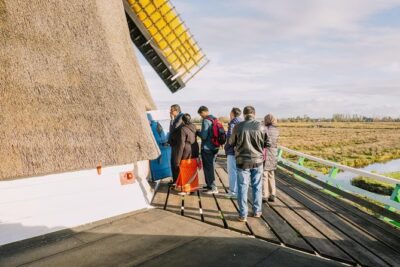
Windmill Tour from Amsterdam, Including Volendam & Marken
Read our review →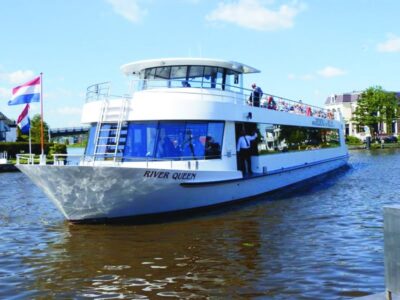
Tour to Keukenhof Gardens with Windmill Cruise
Read our review →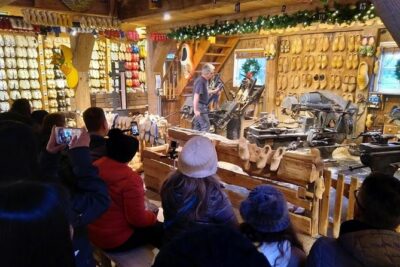
Zaanse Schans Windmills, Clogs and Dutch Cheese Small-Group Tour from Amsterdam
Read our review →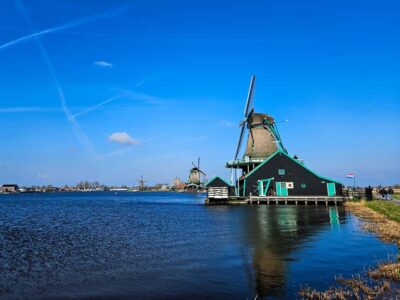
Zaanse Schans windmills & Volendam Guided Tour
Read our review →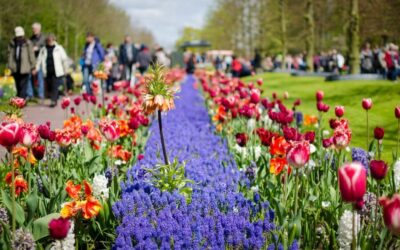
Day Tour Keukenhof and Zaanse Schans Windmills
Read our review →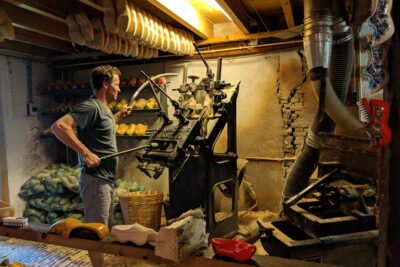
Countryside Bike Tour from Amsterdam: Cheese, Clogs & a Windmill
Read our review →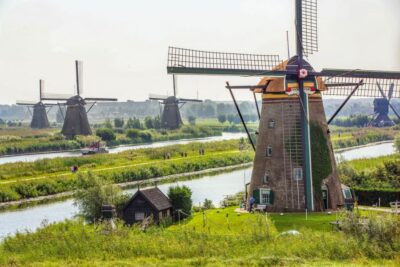
Kinderdijk UNESCO World Heritage Entry Ticket
Read our review →Browse the lists this tour appears in