
Review · WORKSHOPS
Private Dutch Pancake Cooking Class in an Amsterdam Canal Home
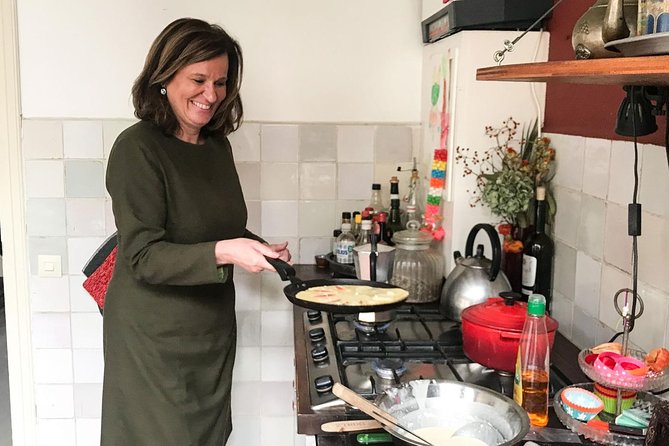
Pancakes taste better beside a canal. This private Amsterdam experience brings you into Fusina’s home for a small, personal lesson in making Dutch pannenkoeken. I like the chance to cook both bacon and apple pancakes and the relaxed conversation over wine afterward. The main consideration is the narrow kitchen and the fact that this feels more like a home visit with cooking than a formal class.
You meet at Amstel 264, near public transportation, then climb a long, steep staircase to Fusina’s second-floor apartment, called the first floor in Europe. I like that the experience is private, so Fusina can adjust her guidance to your group. Still, if you expect every person to prepare several pancakes at an individual workstation, ask about the format before booking.
In This Review
- Five things to know before you book
- Arriving at Amstel 264 and climbing upstairs
- Meeting Fusina in her canal-side kitchen
- Making the bacon pancake
- Preparing the apple pancake
- Sitting down for a homemade Dutch lunch
- What the canal-home setting adds
- Is $109 per person a fair price?
- Who will enjoy this Amsterdam activity most?
- Practical details that can affect your day
- Should you book Fusina’s pancake class?
- FAQ
- Where does the Dutch pancake class begin?
- How long does the experience last?
- Is this a private activity?
- What types of pancakes will I make?
- Is wine included?
- Is vegetarian food available?
- Can I report allergies or dietary restrictions?
- Is hotel pickup included?
- Is the apartment easy to access?
Five things to know before you book
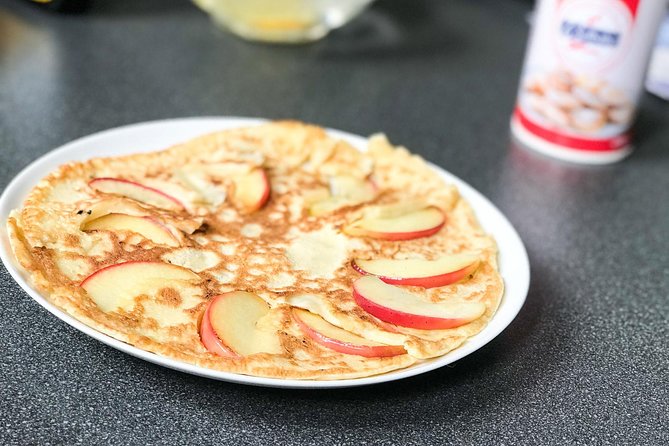
- You cook in a real canal home: Expect a slim, high Amsterdam apartment with a narrow kitchen and canal views, not a professional cooking studio.
- The menu covers both sides of Dutch pancakes: You prepare a savory bacon pancake and a sweet apple version, with seasonal changes possible.
- Fusina is the heart of the experience: Her warmth, patience, family stories, and advice about Dutch food receive the strongest praise.
- The meal is private and social: After cooking, you sit at the kitchen table for pancakes, traditional treats, local cheese, and two glasses of Dutch wine per person.
- Families should set expectations: Children may enjoy flipping and mixing, but a larger group may not have room for everyone to cook at once.
- The price pays for access and hospitality: At $109 per person, the value is strongest if you want personal contact and a home setting, not just a recipe lesson.
Arriving at Amstel 264 and climbing upstairs
The meeting point is Amstel 264, 1018 GX Amsterdam. It is in the center of the city and close to public transportation, so you can reach it without hotel pickup or a private car. The activity lasts about two hours and ends back at the meeting point.
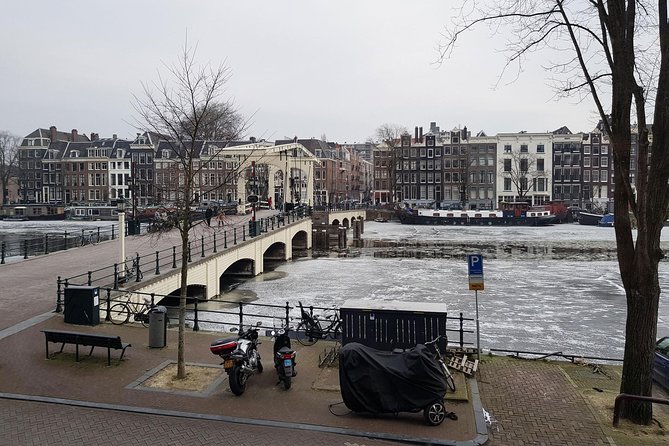
The address leads you to a typical Amsterdam canal building. These homes are often slim and deep, with steep staircases shaped by centuries of urban design. That character is part of the appeal, but it is also a practical issue. Fusina lives upstairs, and the climb is long and steep. If anyone in your party has trouble with stairs, this is worth considering before you pay.
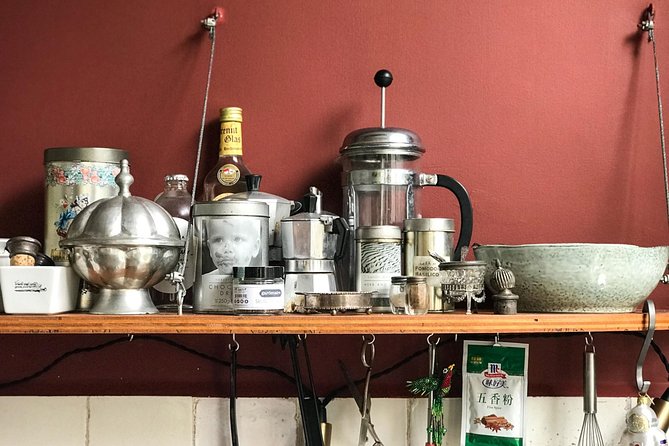
Inside, the setting is a private home rather than a restaurant or cooking school. You see the everyday shape of an Amsterdam apartment, including the compact kitchen. The limited space helps the visit feel personal, but it also means the group may need to take turns around the stove.
That distinction matters. You are not entering a spacious classroom with rows of counters, separate pans, printed recipe stations, and room for every person to work at once. I would treat this as a home-based cooking visit first, and a structured cooking course second.
A few more options to weigh up in Amsterdam
- Cooking course Italian regional cuisines
★ 5.0 · 1 review
Meeting Fusina in her canal-side kitchen
Fusina welcomes you into her home and begins with an introduction to Dutch pancakes. Pannenkoeken are thin, broad pancakes, somewhere between a standard breakfast pancake and a crepe. Dutch cooks often combine the filling with the batter as it cooks, rather than folding the finished pancake around a filling.
The lesson focuses on two types. The savory pancake uses bacon, described here as Dutch pancetta. The sweet pancake uses local apples, often prepared with a caramelized flavor. You learn how the batter is mixed, how the ingredients are added, and how the pancake is handled in the pan.
The flipping is part of the fun. Fusina encourages you to try the traditional pan flip, and several people have managed it successfully after her guidance. A first attempt may twist, fold, or land somewhere it should not. That is not a disaster. It is one of the few cooking lessons where a slightly imperfect flip becomes part of the memory.
Fusina’s teaching style is praised for being patient and clear. She also talks about ingredients, food shopping, local customs, and the way Dutch households use familiar foods. You may hear about her family and grandmother’s recipe, along with stories about Amsterdam and everyday life in the Netherlands.
The social side is important. If you enjoy asking questions and learning through conversation, the setting works well. If you want a fast technical class with constant activity, the pace may feel loose.
Making the bacon pancake
The savory pancake is usually the first major dish. Bacon cooks into the thin batter, giving the pancake crisp, salty edges and a smoky center. This version has earned particular praise, and it is a good introduction to the difference between Dutch pannenkoeken and the smaller, thicker pancakes many people know from home.
You get to see how the bacon affects the cooking process. The filling is not simply spooned into a finished pancake. It becomes part of the pancake as the batter sets in the pan. Timing matters, since you want the batter cooked through while keeping the bacon pleasant to eat.
This is also where the kitchen’s size can shape the experience. A couple or small group can likely gather around the work area and take turns comfortably. A family of four should not assume that all four people will independently make both a sweet and a savory pancake. The available information includes one disappointing account from a family who felt that the children did most of the hands-on work while the adults watched.
That does not make the activity unsuitable for families. In fact, other experiences describe children enjoying the process and later making Dutch pancakes at home. But I would contact the provider in advance if equal cooking time matters to everyone in your group.
Preparing the apple pancake
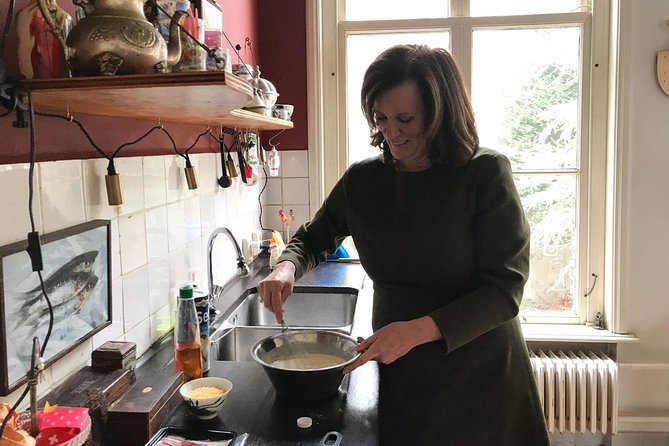
The sweet pancake uses apples and gives the class a gentler, dessert-like finish. Caramelized apple adds sweetness and a soft fruit flavor, while the thin batter keeps the result lighter than a heavy cake.
This part of the lesson shows how one basic batter can become two very different dishes. You learn a practical Dutch cooking idea: use a simple foundation, then change the character of the meal with local ingredients. That makes the class useful beyond the one lunch you eat in Amsterdam.
The menu can change with the season. Vegetarian options are available, but you need to request one when booking. The same applies to allergies, dietary restrictions, and cooking preferences. Do not wait until you arrive, since Fusina needs notice to plan the ingredients.
The class is conducted in English. That keeps the instructions accessible to international visitors and makes it easier to ask about food customs, family traditions, and daily life.
A different kind of day out entirely:
- Amsterdam: Van Gogh Museum Ticket
★ 4.7 · 52,054 reviews - Amsterdam Classic Saloon Boat Cruise with Drinks and Cheese
★ 5.0 · 31,825 reviews - Amsterdam Luxury Canal Cruise + Unlimited Drinks & Bites option
★ 5.0 · 30,518 reviews - Amsterdam: Heineken Experience Ticket
★ 4.6 · 30,055 reviews
Sitting down for a homemade Dutch lunch
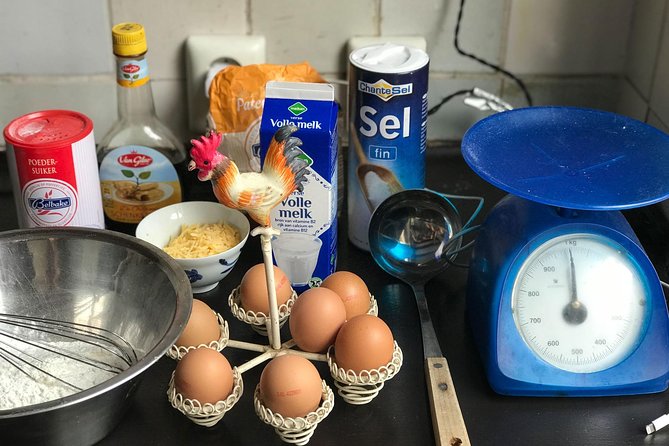
After roughly an hour and a half of cooking, you sit down at Fusina’s kitchen table. The meal includes one savory pancake, one sweet pancake, a traditional Dutch treat, and wine. Two glasses of Dutch wine are included per person.
Additional local foods may appear, such as Dutch cheese and apple pie. These extras help turn the lesson into a simple home meal rather than a single-dish demonstration. The food is not presented as a grand restaurant lunch. It is basic, familiar, and tied to the way a local might share food at home.
I like this part because the table gives the experience room to breathe. You can eat what you helped prepare, compare the bacon and apple versions, and talk with Fusina without watching the clock at every moment. She shares stories about her family, Amsterdam, Dutch customs, and local food choices.
The wine also helps mark the change from instruction to conversation. Alcoholic drinks are included, but you should mention any preference or restriction ahead of time if needed.
One point deserves clear explanation: this is a personal meal, not a tasting menu. If you want many courses, chef-level presentation, or a detailed food tour, this may feel modest. If you want pancakes made in a local home, a canal view, and time to talk, the simplicity is part of the appeal.
What the canal-home setting adds
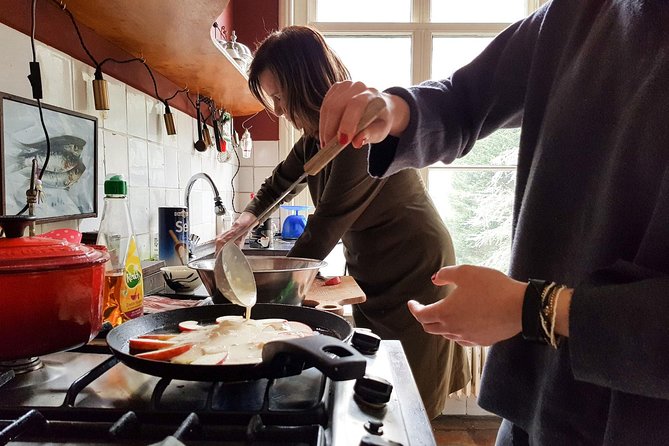
Amsterdam’s canal houses are among the city’s most recognizable buildings. Their narrow fronts and steep staircases are not decorative theater. They shape how people live, move furniture, carry groceries, and organize a kitchen.
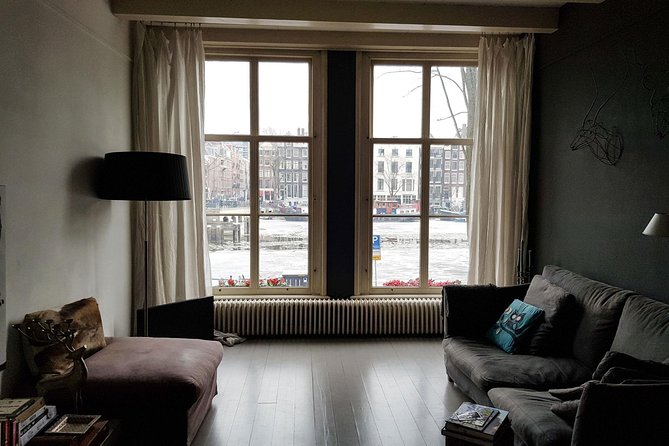
That makes the home setting more meaningful than a standard cooking venue. You get a glimpse of the built environment from the inside, including the compact proportions that are easy to miss while walking along the canals. The view over the water is another pleasant part of the visit.
At the same time, a private home requires good manners and flexibility. Keep shoes, phones, and personal items under control, especially in a small space. Children should be watched carefully around furniture and dishes. One family reported that a plate broke after a child tripped in the cramped kitchen area. The host declined payment, but the incident shows why a calm pace and attention to the room matter.
This is not a criticism of the apartment. It is practical advice. You are entering someone’s home, not a commercial kitchen built for heavy foot traffic.
Is $109 per person a fair price?
The listed price is $109 per person, with group discounts available. That is a serious amount for pancakes, so it helps to understand what you are buying.
You are paying for a private activity, access to a local home, hands-on instruction, a meal, two glasses of wine, and personal conversation. For a couple or a small group that values local contact, the price can be fair. The canal setting and private format add something that a café breakfast cannot provide.
The value is less clear if your only goal is learning a recipe. Dutch pancakes are simple, and you may make only a small number during the session. A family of four could spend about $436 before any discount, so expectations need to be precise.
I would ask one direct question before booking: How much hands-on cooking time will each person receive? Also ask whether each member of the group will prepare both pancake styles or work together on a shared batch. That small clarification could make the difference between a memorable family activity and an expensive demonstration.
The high overall rating of 4.8 from 45 ratings and the 93 percent recommendation figure suggest that the format works very well for most people. The praise centers on Fusina’s welcome, patience, food knowledge, canal view, and conversation. The lower scores focus on the mismatch between the words cooking class and the reality of a compact home kitchen.
Both points can be true. This is a well-liked home visit with cooking, but it may not satisfy someone seeking a conventional practical class.
Who will enjoy this Amsterdam activity most?
I would recommend it most strongly to couples, solo visitors, parents with older children, and small groups who enjoy meeting a local host. It works especially well for people who want a quieter break from Amsterdam’s busy streets and museums.
Teenagers may enjoy the challenge of flipping a pancake. Younger children can take part, but the steep stairs and compact kitchen require care. The activity can also suit a birthday or special occasion, especially since the meal creates time for conversation rather than rushing from one sight to the next.
Food-focused visitors should decide what kind of food experience they want. If you want local ingredients, practical tips, and a homemade dish, this offers plenty. If you expect a market visit, a full food tour, several recipes, or a polished culinary school setup, you may be disappointed.
The experience is also a good fit if you want to learn about Dutch life through food. Fusina’s stories about family, local shopping, customs, and Amsterdam give context that a recipe alone cannot provide.
Practical details that can affect your day
You receive confirmation when booking, and the experience is offered in English. It is a private activity, meaning only your own group participates.
The meeting point is both the start and end point. Hotel transportation is not included, so plan your route to Amstel 264 using public transportation or by walking from another central location.
The class takes about two hours, with about an hour and a half devoted to cooking before the meal. Since the format is hosted in a home, allow yourself a little mental space for conversation. This is not an attraction where you arrive, complete a task, and leave at once.
Free cancellation is available if you cancel at least 24 hours before the start time. Changes or cancellations made inside that window are not accepted for a refund. Cutoff times follow Amsterdam local time.
Should you book Fusina’s pancake class?
Book it if you want a personal home visit with food, not simply a recipe lesson. Fusina’s hospitality, canal-side apartment, stories, bacon pancakes, apple pancakes, and Dutch wine create a pleasant window into local life.
I would book this for a couple or small group that enjoys conversation and does not need a formal classroom. For a family or larger party, I would first confirm how the cooking will be divided and how many pancakes you will actually prepare.
At $109 per person, the experience is not a bargain breakfast. Its value lies in the welcome, setting, and human connection. If that sounds like the kind of Amsterdam memory you want, it is a thoughtful choice. If you want everyone cooking continuously with their own ingredients and tools, choose a purpose-built cooking school instead.
FAQ
Where does the Dutch pancake class begin?
The experience begins at Amstel 264, 1018 GX Amsterdam, Netherlands.
How long does the experience last?
It lasts approximately two hours. The hands-on pancake preparation takes about an hour and a half, followed by the meal.
Is this a private activity?
Yes. Only your own group participates.
What types of pancakes will I make?
You learn to make one savory Dutch pancake, typically with bacon, and one sweet pancake, typically with apples.
Is wine included?
Yes. Dutch wine is included, with two glasses served per person.
Is vegetarian food available?
Yes. A vegetarian option is available, but you must request it when booking.
Can I report allergies or dietary restrictions?
Yes. You should advise the provider of allergies, dietary restrictions, or cooking preferences when you book.
Is hotel pickup included?
No. You are responsible for reaching the meeting point, and hotel pickup and drop-off are not included.
Is the apartment easy to access?
The apartment is on the second floor, called the first floor in Europe, and requires climbing a long, steep staircase. The kitchen is narrow, as is typical of many Amsterdam canal homes.
Just added in Amsterdam
- Private Tour Zaanse Schans Windmills and Volendam in Jaguar★ 5.0 · 10 reviews
- Zaanse Schans and Giethoorn Unique Day Trip with Boat Cruise★ 4.5 · 17 reviews
- Windmills-Volendam-Giethoorn Private Tour in Jaguar★ 5.0 · 2 reviews
- Half-Day Private Guided Sightseeing Tour of Zaanse Schans★ 5.0 · 14 reviews
- Best of Netherlands: Zaanse Schans Mills, The Hague & Rotterdam★ 4.5 · 10 reviews
- Zaanse Schans Private Tour Windmills★ 5.0 · 18 reviews
- Zaanse Schans Windmills Edam Volendam and Marken from Amsterdam★ 5.0 · 1 review
- Zaanse Schans Edam Volendam Private Day Tour from Amsterdam★ 5.0 · 3 reviews
Workshops, compared.
Traditional Dutch Syrup Waffle Making Workshop
Read our review →Amsterdam Traditional Dutch Syrup Waffle Making Workshop
Read our review →
3-Course Meal in Historic 1st Class Waiting Rooms
Read our review →
Amsterdam Light Festival Winter Walk with Stroopwafel Workshop
Read our review →
Distilling Class @ Spirited Union Rum Co. (Amsterdam)
Read our review →
Cocktail workshop @ Spirited Union Rum Co. (Amsterdam)
Read our review →Browse the lists this tour appears in