
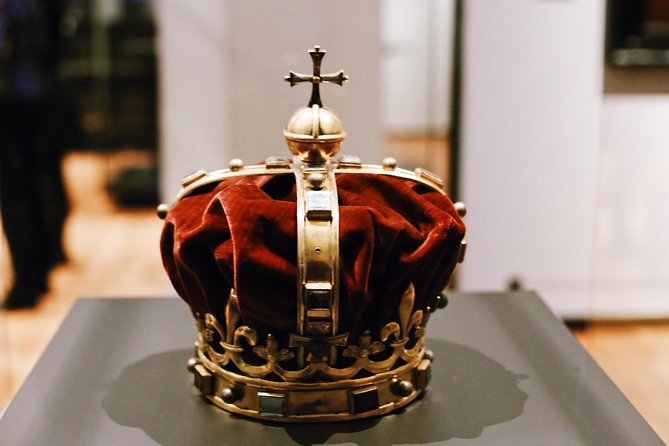
Review · RIJKSMUSEUM TICKETS
Rijksmuseum & Amsterdam City Center – Exclusive Guided Tour
Amsterdam rewards a slow walk. This five-and-a-half-hour experience pairs the Rijksmuseum’s Dutch masterpieces with a private stroll through canals, churches, courtyards, and old trading streets. I like the way the museum visit gives you the background for the city walk, and I like having a dedicated guide who can explain why Rembrandt, Vermeer, leaning houses, and canal mansions all belong to the same story.
The private format is another strong point, especially if you want to ask questions or adjust the pace. Guides such as Jacopo, Victoria, Josje, Giuseppina, and Paola have been praised for clear explanations, warmth, and a real feel for art. The main caution is the $287.18 per-person price, which is a serious spend, and lunch is extra.
In This Review
- Key details that shape the day
- Why the Rijksmuseum is the right place to begin
- The lunch break and the change of rhythm
- From St. Nicholas Basilica to the Weeping Tower
- Nieuwmarkt, De Waag, and Amsterdam’s trading past
- Courtyards, churches, and the Dutch East India Company
- Quiet corners at Begijnhof and the canal houses
- Anne Frank House and the Jordaan finish
- What the private format is worth
- Practical details before you book
- Who should choose this Amsterdam tour?
- Should you book it?
- FAQ
- How long does the tour last?
- What time does the tour start?
- Where does the tour begin?
- Is the Rijksmuseum admission included?
- Is lunch included?
- Is the Anne Frank House included?
- Can I cancel for a full refund?
Key details that shape the day
- Rijksmuseum first: Spend about two and a half hours with the museum’s major works, including Rembrandt, Vermeer’s The Milkmaid, 17th-century dollhouses, and the famous library.
- Private attention: Your guide is reserved for your party unless you select the save-book semi-private option.
- A long city walk: The route covers old Amsterdam from St. Nicholas Basilica and the Weeping Tower to Begijnhof, Dam Square, the Jordaan, and Papeneiland.
- Lunch break included: The schedule includes a pause, but you pay for your own meal.
- Mostly on foot: Expect cobblestones, bridges, canals, and regular photo stops. Moderate physical fitness is advised.
- Rain or shine: The tour runs in all weather, so footwear and a waterproof layer matter.
Why the Rijksmuseum is the right place to begin
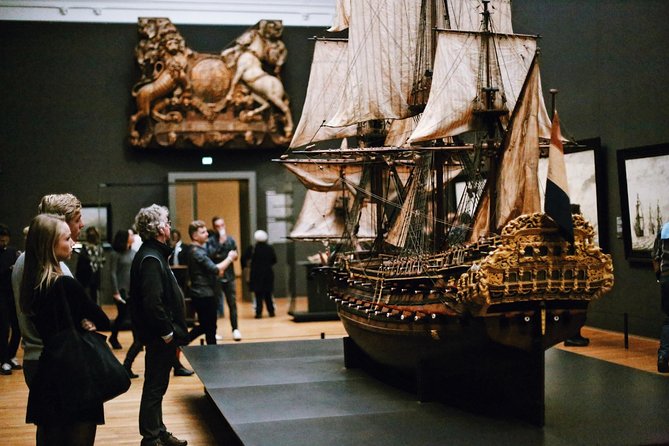
The Rijksmuseum is often compared with the Louvre, though its focus is more specific: Dutch art and history across the centuries. You will not see all 8,000 or so objects on display in two and a half hours, and you should not expect to. The value of a guide is knowing what to skip.
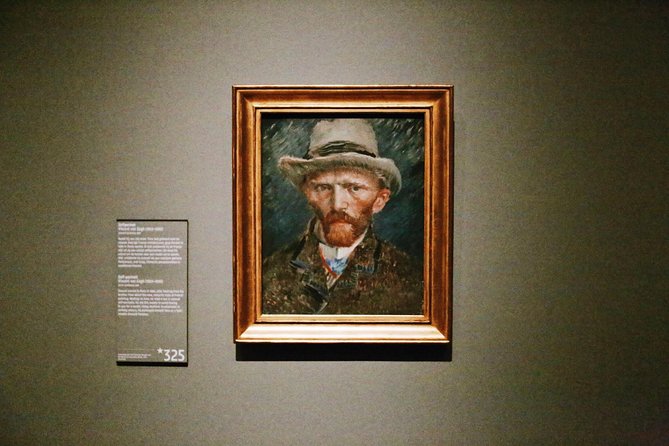
The visit centers on major Dutch names, including Rembrandt and Vermeer, while leaving room for objects that are easy to miss when you explore alone. The 17th-century dollhouses are a good example. They are not just pretty miniatures. They offer a look at domestic life, household display, and the wealth of Amsterdam’s merchant age.
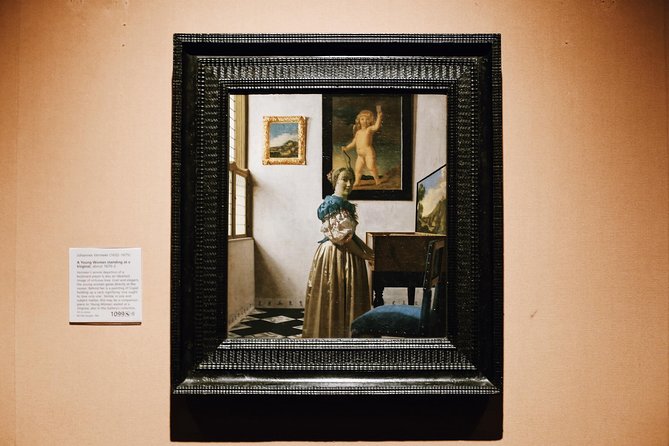
Vermeer’s The Milkmaid gives the tour a quieter note. Rather than treating it as a famous painting to check off, your guide can explain the small choices that make the scene work: the domestic setting, the light, and the careful attention given to an ordinary task. That is where guided museum time earns its keep. A label tells you what you are seeing. A good guide helps you see why it matters.
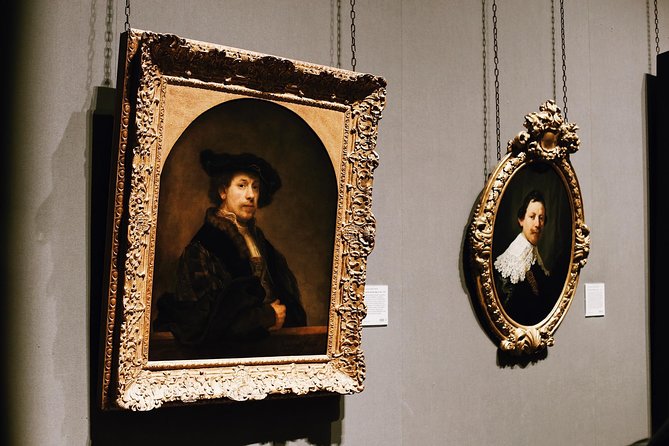
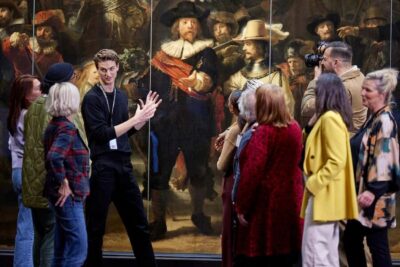
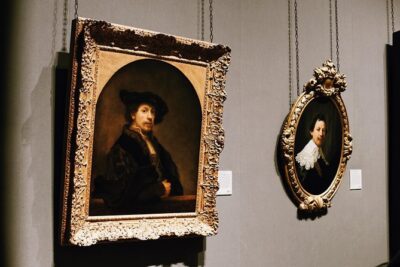
Rembrandt provides the larger drama. His paintings and etchings connect personal expression with the money, religion, and social structure of 17th-century Amsterdam. The guide can also point out the artist’s contemporaries and show how his work fits into the wider collection.
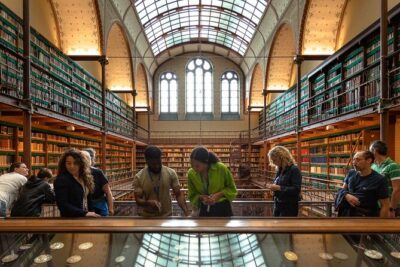
One especially unusual stop inside the museum is the 19th-century library. It adds a change of pace from paintings and gives you a sense of how research, books, and collecting shaped the institution. Some rooms require quiet or restrict speaking, so your guide may explain the details before you enter.
The museum can become crowded, particularly around major works and school groups. One guide, Jacopo, was praised for moving cleverly around school parties while still covering the expected highlights and more. That kind of route management matters. A private guide cannot remove every crowd, but can keep the visit from becoming a slow shuffle from one packed room to another.
More Rijksmuseum tickets:
- Amsterdam: Rijksmuseum Entry Ticket
★ 4.7 · 25,535 reviews - Amsterdam: City Canal Cruise and Rijksmuseum
★ 4.5 · 2,129 reviews - Rijksmuseum Amsterdam Small-Group Tour with Private Upgrade
★ 4.5 · 1,547 reviews
The lunch break and the change of rhythm
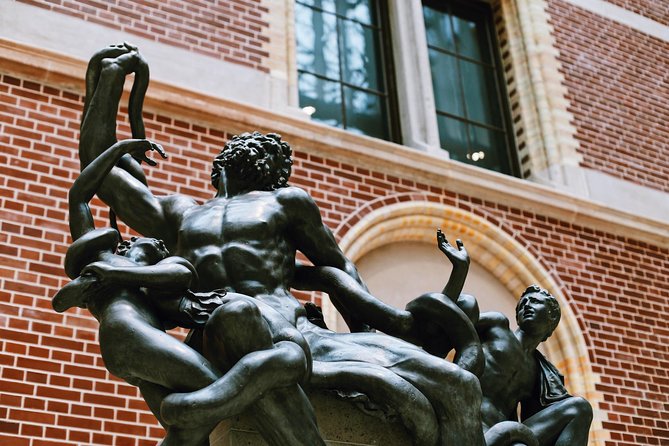
After the museum, you get a lunch break before the walking portion. Food is not included, so budget for it separately. The supplied details do not specify a restaurant, meal length, or menu, which gives you flexibility but also means you should not expect a hosted lunch.
This pause is useful. A morning in a major museum can be mentally tiring, and the second half asks you to walk, listen, look up, and keep track of Amsterdam’s many names. If you want the day to feel comfortable rather than crammed, use the break to sit down properly instead of treating it as a quick snack.
The walking tour is not simply a list of postcard views. It connects architecture and public spaces to the city’s development. Amsterdam’s medieval gate, the Amstel River, its canal rings, and its port all help explain why the city grew in the shape it did.
From St. Nicholas Basilica to the Weeping Tower
The route includes St. Nicholas Basilica, Amsterdam’s main Roman Catholic church. Its late 19th-century construction reflects the return of public Catholic worship after roughly three centuries of prohibition. The building also mixes several architectural styles and artistic movements, giving your guide plenty to point out in a short ten-minute visit.
The Weeping Tower, or Schreierstoren, shifts the story back toward Amsterdam’s medieval walls and seafaring life. Its popular name comes from the belief that women cried there as husbands left the port for war or fishing. It is a brief stop, but it gives emotional weight to the city’s maritime past.
From there, Zeedijk introduces another side of old Amsterdam. The street is associated with the city’s Chinatown and includes Asian shops, restaurants, markets, and the Zeedijk Buddhist temple, described as the largest Chinese-style Buddhist temple in Europe. This is a useful reminder that Amsterdam’s center has never been culturally frozen in one period.
Nieuwmarkt, De Waag, and Amsterdam’s trading past
Nieuwmarkt has served as a place for trade and social life since the 17th century. Its position just inside the old city gate made it practical for people buying and selling fresh produce. Today, it is also a lively nightspot and market square.
The square’s main historic building is De Waag, a 15th-century structure that began as a city gate and part of the city walls. Over time, it served as a guildhall, museum, and fire station. I like this stop because the building’s changing jobs tell you more than a single date can. Amsterdam reused its old structures as the city changed.
The tour then points out the Trippenhuis and the Klein Trippenhuis. The contrast is the joke and the lesson: the Trippenhuis is Amsterdam’s widest home, about 22 meters across, while the Klein Trippenhuis opposite is one of the narrowest. Amsterdam’s buildings often turn practical constraints into memorable architecture.
The same theme appears at the Kleine Trippenhuis, where high land taxes encouraged tall, narrow homes. Your guide can connect this familiar canal-house shape to economics rather than treating it as a random quirk. That makes the street feel readable.
A few more options to weigh up in Amsterdam
- Amsterdam: Van Gogh Museum Ticket
★ 4.7 · 52,054 reviews - Amsterdam Classic Saloon Boat Cruise with Drinks and Cheese
★ 5.0 · 31,825 reviews - Amsterdam Luxury Canal Cruise + Unlimited Drinks & Bites option
★ 5.0 · 30,518 reviews - Amsterdam: Heineken Experience Ticket
★ 4.6 · 30,055 reviews
Courtyards, churches, and the Dutch East India Company
At the Oost-Indisch Huis, you step into the courtyard of the Dutch East India Company headquarters. This was the home of the company often described as the world’s first multinational corporation. The stop is short, but the setting helps explain the commercial power behind Amsterdam’s grand houses and expanding trade networks.
The Zuiderkerk adds a religious marker. Designed by Hendrick de Keyser, it was Amsterdam’s first purpose-built Protestant church. Its tower remains one of the city’s recognizable landmarks, and its presence helps you track the changes brought by the Reformation.
The route passes Museum Het Rembrandthuis, the house where Rembrandt lived and worked from 1639 to 1656. You do not enter as part of the stated tour, so this is a look from outside rather than a second museum visit. The building still matters because it connects the painter from the Rijksmuseum to a real Amsterdam address. The museum inside holds Rembrandt’s etchings and paintings by his contemporaries, which may make it a good separate visit if you have another opening in your schedule.
Next comes the Stopera, the complex containing city hall and the Dutch National Opera and Ballet. Its construction took at least 60 years to reach completion, an unusually long gestation that gives the modern building a place in the city’s ongoing story.
Quiet corners at Begijnhof and the canal houses
Huis aan de Drie Grachten is a rare 17th-century canal house positioned where three canals meet, with façades facing in three directions. It is a compact architectural detail, but exactly the sort of thing you might miss without someone directing your eyes.
Begijnhof offers a calmer pause. This enclosed courtyard and garden once housed Beguines, unmarried women who lived together under vows of chastity. It remains one of Amsterdam’s oldest hofjes, or almshouse courtyards, and includes two churches. The quiet setting contrasts sharply with the open streets and busy canals outside.
Dam Square brings the tour into one of Amsterdam’s most recognizable public spaces. The Royal Palace, the New Church, and the National Monument all sit here, and frequent events make the square a central stage for the city. It can feel broad and exposed after the narrow lanes, but that change helps you understand the different roles Amsterdam’s spaces play.
At Herengracht, the focus turns to wealth. The Golden Bend is lined with some of the city’s most ornate canal mansions from the Dutch Golden Age. Look at the width, façades, and position of these homes as signs of status. The canal is not just scenery. It is a record of who could afford the best land.
Anne Frank House and the Jordaan finish
The route pauses outside the Anne Frank House. You do not enter, and admission is not included for this stop. That distinction matters because many people assume a mention of the house means a museum visit. If you want to go inside, you need a separate ticket and separate planning.
Next door is Westerkerk, whose tower is the tallest church tower in Amsterdam. The pairing creates a powerful place to discuss wartime memory, religion, and the city’s built environment, even during a short exterior stop.
In the Jordaan, the route looks for details at De Drie Hendricken on Bloemgracht 87 to 91. Gable stones and carved symbols on the façades once helped identify trades, homes, and stories. These small decorations reward anyone who enjoys looking above street level.
The Coöperatieve Vereniging Karthuizerhof is Amsterdam’s largest hofje. Like Begijnhof, it was built around a quiet courtyard, but its purpose was to house poor and elderly residents. Seeing more than one hofje helps you compare the city’s charitable traditions rather than treating the first courtyard as an isolated curiosity.
Noorderkerk was built for the Jordaan in the 17th century. Its cross-shaped floor plan reflects new Protestant ideas about worship. This is a good final church stop because the shape itself becomes part of the lesson.
The day ends at Het Papeneiland, a brown café dating to 1642 at the corner of Prinsengracht and the canal. It is said to serve the city’s best apple pie, though the tour details do not promise a tasting. You can treat it as a pleasant endpoint and decide for yourself.
What the private format is worth
At $287.18 per person, this is not a budget introduction to Amsterdam. The price makes the most sense for a small private party that wants one guide for both art and city history, rather than booking separate experiences.
You are paying for about five and a half hours, museum admission, the guided Rijksmuseum visit, and the walking tour. Private transportation between locations is included if necessary, though most of the city section is on foot. Hotel pickup and drop-off are not included, and gratuities are optional.
The strongest value comes from the guide’s role. Josje was praised for making the Rijksmuseum’s treasures easier to understand. Giuseppina was appreciated for focusing on major works while adding background stories. Victoria handled bad weather and even a bicycle-chain problem with professionalism, while another difficult visit was rescued after a power outage through careful follow-up by the tour team.
Those details suggest a provider that places real weight on guide quality and problem-solving. Still, the price is easier to justify for two or more people sharing the private arrangement than for one solo visitor.
Practical details before you book
The listed meeting point is Cobra Café on Hobbemastraat, with a 10:00 a.m. start. The route information also refers to St. Nicholas Basilica as a designated meeting point, so confirm the exact starting place with Babylon Tours Amsterdam before the morning of the tour.
You need to provide a mobile phone number with the country code. The tour runs rain or shine, and you should expect enough walking for the moderate-fitness requirement to matter. Wear comfortable shoes and bring weather protection.
Large bags and suitcases are not allowed inside the Rijksmuseum. Only handbags or small, thin backpacks can pass security. Occasional museum closures can happen without warning. If opening is delayed by more than an hour, an alternative is provided, but the stated policy does not offer a refund or discount in that situation.
The tour is offered in English. It is private unless you select the semi-private saving option. Free cancellation is available up to 24 hours before the start time. Changes or cancellations inside that window are not accepted for a refund.
Who should choose this Amsterdam tour?
I would choose this for a first visit when you want the Rijksmuseum and historic center handled in one well-shaped day. It suits people who enjoy context, ask questions, and prefer a guide to make decisions about which paintings and streets deserve your attention.
It also works well for families or mixed groups. An art specialist can keep the museum from feeling like a long march through galleries, then connect those paintings to real places outside. The private setup lets your group pause for photos and ask about details that a large group might skip.
I would think twice if you want a leisurely museum day, a long lunch, or extensive time inside the Anne Frank House or Rembrandthuis. Those places are passed from outside, and the walking route covers many stops in short bursts. This is a broad introduction, not an in-depth visit to every site.
Should you book it?
Book it if you value a strong guide and want Amsterdam’s art, trade, religion, architecture, and wartime memory tied together in one day. The praise for Jacopo, Victoria, Josje, Giuseppina, and Paola points to the experience’s best feature: a good guide can turn famous sights into connected stories.
Skip it if $287.18 per person feels too high, or if you prefer to explore at your own pace with separate museum and walking tickets. For the right group, though, this is an efficient and thoughtful way to get your bearings, see the Rijksmuseum’s essential works, and walk far beyond the usual canal-photo circuit.
FAQ
How long does the tour last?
The experience lasts approximately five hours and 30 minutes, including a lunch break.
What time does the tour start?
The listed start time is 10:00 a.m.
Where does the tour begin?
The listed meeting point is Cobra Café, Hobbemastraat 18, 1071 ZB Amsterdam. The route details also refer to St. Nicholas Basilica as a designated meeting point, so confirm the exact location before the tour.
Is the Rijksmuseum admission included?
Yes. The guided museum tour and entrance fees are included.
Is lunch included?
No. The tour includes a lunch break, but lunch is at your own expense.
Is the Anne Frank House included?
No. The tour pauses outside the Anne Frank House, and admission is not included.
Can I cancel for a full refund?
Yes, if you cancel at least 24 hours before the experience start time. Cancellations or changes made less than 24 hours in advance are not refunded or accepted.
Just added in Amsterdam
- Private Tour Zaanse Schans Windmills and Volendam in Jaguar★ 5.0 · 10 reviews
- Zaanse Schans and Giethoorn Unique Day Trip with Boat Cruise★ 4.5 · 17 reviews
- Windmills-Volendam-Giethoorn Private Tour in Jaguar★ 5.0 · 2 reviews
- Half-Day Private Guided Sightseeing Tour of Zaanse Schans★ 5.0 · 14 reviews
- Best of Netherlands: Zaanse Schans Mills, The Hague & Rotterdam★ 4.5 · 10 reviews
- Zaanse Schans Private Tour Windmills★ 5.0 · 18 reviews
- Zaanse Schans Windmills Edam Volendam and Marken from Amsterdam★ 5.0 · 1 review
- Half Day Keukenhof Tulip Paradise Trip from Amsterdam★ 5.0 · 1 review
Rijksmuseum Tickets, compared.
Rijksmuseum Amsterdam Small-Group Tour with Private Upgrade
Read our review →
Rijksmuseum Entry Ticket and Canal Cruise Combo
Read our review →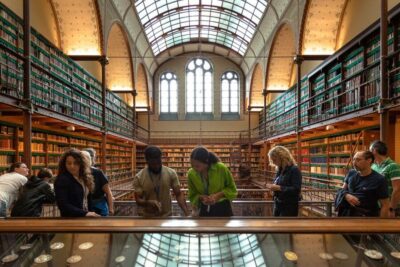
Rijksmuseum Amsterdam Exclusive Guided Tour w/ Reserved Entry
Read our review →
Van Gogh & Rijksmuseum w/ Reserved Entry Semi-Private 8ppl Max
Read our review →
Van Gogh & Rijksmuseum w/ Reserved Entry Exclusive Guided Tour
Read our review →Browse the lists this tour appears in