
Review · VAN GOGH MUSEUM TICKETS
Van Gogh Museum Private Tour
Van Gogh’s story comes alive here. This two-hour private tour of Amsterdam’s Van Gogh Museum links the paintings to the artist’s changing life, from the dark potato pictures to the bright works of Arles. I especially like the personal guide and the clear route through the permanent collection, which helps you see more than you might on your own.
I also like the Whisper System, since you can hear the guide without crowding around a single speaking point. The main drawback is the price, $263.20 per person, which is a serious spend for two hours. The tour also serves adults aged 18 and older only, and you cannot simply remain in the museum afterward if you carry large bags, liquids, or thick jackets.
In This Review
- Key points to know before you book
- Why a private Van Gogh tour can be worth it
- Meeting at Cobra Café near Museumplein
- Stop one: Van Gogh’s many self-portraits
- Stop two: Peasants, Millet, and The Potato Eaters
- Stop three: Paris from 1886 to 1888
- Stop four: Arles, sunflowers, and the Yellow House
- Stop five: Saint-Rémy and Van Gogh’s changing mood
- Stop six: Auvers and the final paintings
- The guides and the listening system
- Who gets the most value from this visit?
- Practical details and cancellation
- Should you book the Van Gogh Museum Private Tour?
- FAQ
- How long is the Van Gogh Museum private tour?
- What language is the tour offered in?
- Is admission to the Van Gogh Museum included?
- Where does the tour begin and end?
- Can children join the tour?
- Can I cancel for a full refund?
Key points to know before you book
- Six focused museum stops: The route follows Van Gogh from his early work through Paris, Arles, Saint-Rémy, and Auvers.
- Private attention: Only your own group participates, so you can ask questions and set the pace within the two-hour schedule.
- Strong guide feedback: Sylvia, Giulia, and Kiran are praised for clear explanations, patience, and an engaging style.
- Useful audio equipment: The Whisper System helps you hear the guide while moving through the galleries.
- A short museum visit: The compact format works well between other Amsterdam plans.
- Adult-only format: Every participant must be at least 18 years old.
Why a private Van Gogh tour can be worth it
The Van Gogh Museum is not a place where the paintings need help looking beautiful. Color, brushwork, and familiar titles do much of the work. Yet a guide can change how you look at them, especially when the museum is presenting several periods of Van Gogh’s short career in one building.
The value here is not just admission. It is the thread connecting the rooms. You begin with Van Gogh’s early interest in peasant life, follow him to Paris and the influence of modern painting, then move south to Arles, on to Saint-Rémy, and finally to Auvers-sur-Oise. That order gives you a way to read the collection as a developing life rather than a wall of famous canvases.
I think the private format suits anyone who wants conversation instead of an audio device. You can ask why a particular painting matters, how Van Gogh changed his palette, or what a recurring subject tells you about his concerns. The guide still has to keep the tour moving, but the small setting makes questions much easier.
The cost is the point to consider carefully. At $263.20 per person, this is not a casual add-on for a budget day in Amsterdam. It makes better financial sense for visitors who care strongly about Van Gogh, want a guided introduction, or are splitting the cost with a group. Group discounts are available, though the exact savings are not specified.
More Museum Tours in Amsterdam
- Amsterdam: Van Gogh Museum Ticket
★ 4.7 · 52,054 reviews - Moco Museum Amsterdam Entrance Tickets with Banksy & More
★ 4.4 · 10,088 reviews - Amsterdam: The Upside Down Museum Entrance Ticket
★ 4.4 · 9,506 reviews
Meeting at Cobra Café near Museumplein
The tour begins at Cobra Café, Hobbemastraat 18, near Amsterdam’s Museumplein. The museum itself is at Museumplein 6, so the start and finish are close together, but you should still allow enough time to find the café and meet the guide without rushing.
The area is near public transportation, which makes the appointment practical from other parts of Amsterdam. Since the visit lasts about two hours, I would schedule it alongside other Museumplein sights rather than treat it as a full-day activity.
A useful packing tip matters here. You can stay in the museum after the guided visit only if you are traveling lightly, with a small jacket and small handbag. Thick winter coats, suitcases, large bags, and liquids affect that option. The safest plan is to regard the tour as a complete museum visit and avoid carrying bulky items.
Stop one: Van Gogh’s many self-portraits
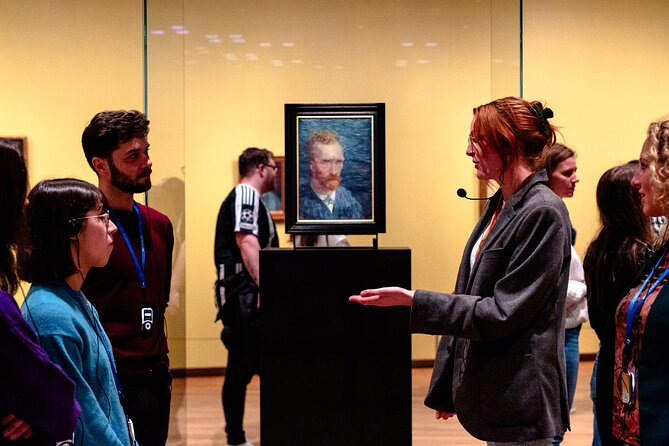
The opening section focuses on Van Gogh’s self-portraits and takes about 20 minutes. This is a smart place to begin because the paintings offer an immediate way into his working life.
Van Gogh repeatedly painted himself partly because models cost money, but the self-portraits also show his changing approach to color, clothing, brushwork, and expression. Seen together, they do not feel like a single fixed image of the artist. They show a painter testing ideas on the nearest available subject.
This stop also gives your guide room to explain how Van Gogh used his own face as a kind of study. You can look closely at how thick marks, contrasting colors, and directional strokes alter the mood. With a guide beside you, these differences are easier to spot than when you are moving quickly through the museum alone.
The 20-minute limit is both useful and restrictive. It keeps the tour on schedule, but anyone who wants long periods of quiet looking may feel hurried. Private does not mean unlimited time at each canvas.
Stop two: Peasants, Millet, and The Potato Eaters
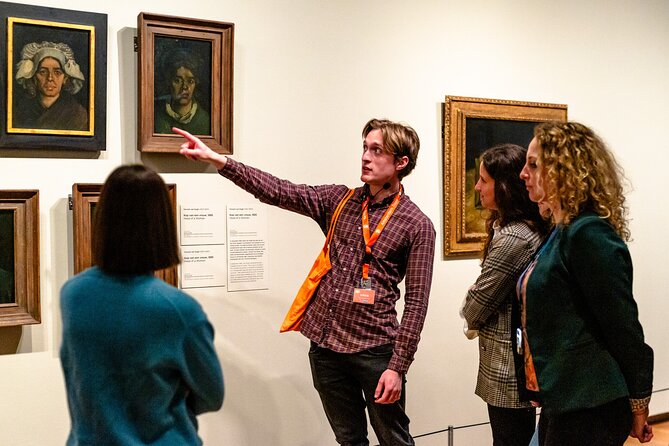
The next 20-minute section brings you to Van Gogh’s early work and his interest in rural labor. It includes paintings by Jean-François Millet and Jules Breton, Woman Lifting Potatoes, the wall of portraits known as Head of a Peasant Woman, and The Potato Eaters.
This room helps explain why Van Gogh’s early art can feel so different from the bright paintings that made him famous. His figures are tied to work, hardship, and ordinary daily life. The Potato Eaters is especially important because it shows his effort to paint people as part of the world they inhabited, rather than as polished studio subjects.
I like this stop because it prevents the common mistake of treating Van Gogh as only the painter of sunflowers and swirling skies. His early work is darker and less immediately charming, but it gives you a better sense of his purpose.
The Millet and Breton paintings add useful context. You can compare the subjects and see how Van Gogh learned from artists he admired while forming his own rougher, more intense style. The guide can also help you understand why a work that may seem visually heavy is central to Van Gogh’s development.
More Van Gogh Museum tickets:
- Amsterdam: Van Gogh Museum Ticket and City Canal Cruise
★ 4.6 · 3,899 reviews - Amsterdam: Van Gogh Museum Ticket & Canal Cruise
★ 4.5 · 3,304 reviews - Van Gogh Museum Amsterdam Exclusive Tour w/ Reserved Entry
★ 5.0 · 1,760 reviews - Van Gogh Museum Tour Reserved Entry Semi Private
★ 5.0 · 1,437 reviews
Stop three: Paris from 1886 to 1888
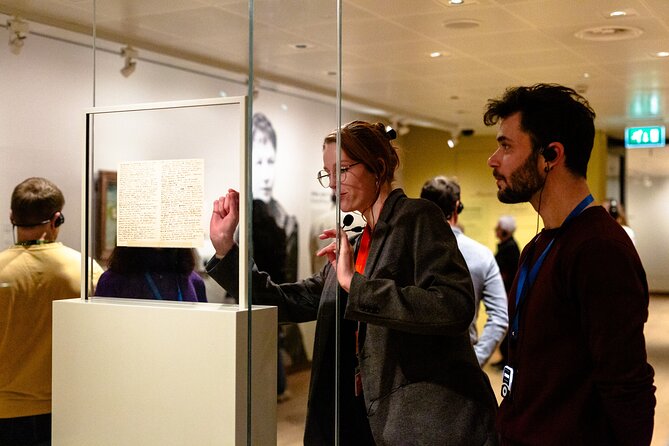
The route then moves to Van Gogh’s Paris years, from 1886 to 1888. This stop includes Self Portrait with Felt Hat, Still Life with Absinthe, In the Café: Agostina Segatori in Le Tambourin, and Garden with Courting Couples.
Paris brought a major shift. Van Gogh encountered new ideas, new colors, and a more modern way of painting. The work becomes lighter and more experimental, and the city gives him subjects beyond the peasant scenes of his early period.
Self Portrait with Felt Hat is a good painting to study for this change. Rather than seeing it only as another image of Van Gogh, look at the marks and color choices. The painting shows an artist pushing himself toward a fresher style.
Still Life with Absinthe and the café scene add the feel of urban life. They also show how Van Gogh could use an ordinary object or social setting to test color and composition. Garden with Courting Couples shifts the focus outdoors, where the influence of contemporary painting becomes easier to see.
Again, the guide’s role is important. You are not just told that Paris changed Van Gogh. You can follow the change in front of you, painting by painting. The private setting also gives you a chance to ask about the artists and styles that influenced him during this period.
Stop four: Arles, sunflowers, and the Yellow House
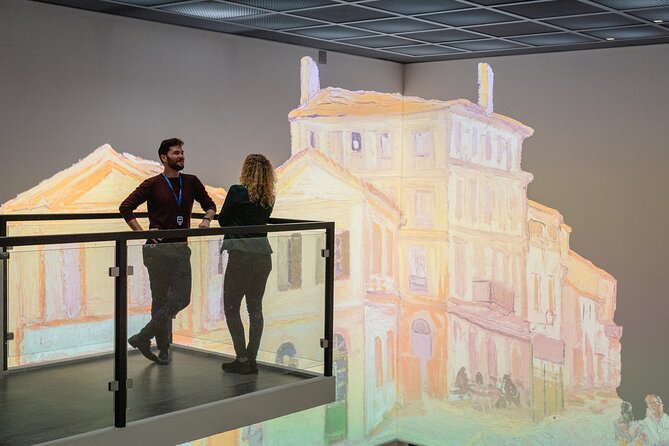
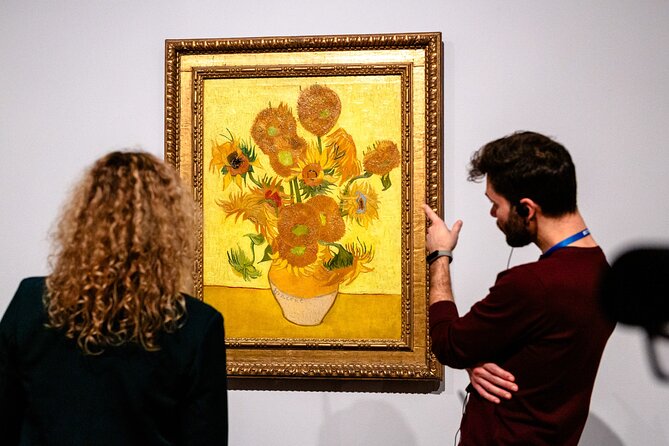
The Arles section is likely the most familiar part of the tour. Van Gogh moved to the south of France in 1888, and the route includes Sunflowers, Almond Blossoms, The Bedroom, Japanese paintings copied from prints, and The Yellow House.
The color shift is immediate. The southern light and Van Gogh’s interest in Japanese prints helped push his work toward flatter shapes, bold outlines, intense yellows, and more confident brushwork. The Japanese paintings are especially useful because they reveal that Van Gogh was not working in isolation. He studied, copied, and adapted images that attracted him.
Sunflowers is the obvious centerpiece, but The Bedroom rewards close attention. Its simple furniture and unusual perspective show how Van Gogh could make a modest interior feel personal and charged. The Yellow House connects the paintings to his wish for a shared artistic home, adding emotional context without turning the visit into a biography lecture.
Almond Blossoms offers another side of this period. The subject is delicate, but the paint remains direct and purposeful. Your guide can help you compare it with the darker early works and see how far Van Gogh had moved in only a few years.
This section can be busy because the paintings are so well known. The Whisper System helps here. You can stand at a reasonable distance and still follow the guide, rather than pressing close to hear every sentence.
Stop five: Saint-Rémy and Van Gogh’s changing mood
On the third level, the tour turns to Saint-Rémy-de-Provence. The selected works include Almond Blossoms, Wheatfield with a Reaper, Iris, and Pieta after Delacroix. This section lasts about 20 minutes.
These paintings show Van Gogh continuing to work with powerful color and restless brushwork while dealing with a more difficult period of his life. The guide can give you a way to look at the work without reducing every painting to a symptom or a piece of personal tragedy.
Wheatfield with a Reaper is a strong example of Van Gogh transforming a working scene into something forceful and symbolic. Iris offers a different experience, with a subject that feels more decorative but still carries his distinctive handling of paint.
Pieta after Delacroix is useful for showing Van Gogh’s connection to earlier art. He did not simply reject tradition. He borrowed from artists he respected and changed the result through his own color and brushwork.
Almond Blossoms appears again in the route, which may seem repetitive at first. The repeated title reflects the fact that the museum route is grouped by period and gallery, and your guide can help explain why the work matters in this later phase. If you are short on time, the structured visit makes sure you at least see the principal works without wandering.
Stop six: Auvers and the final paintings
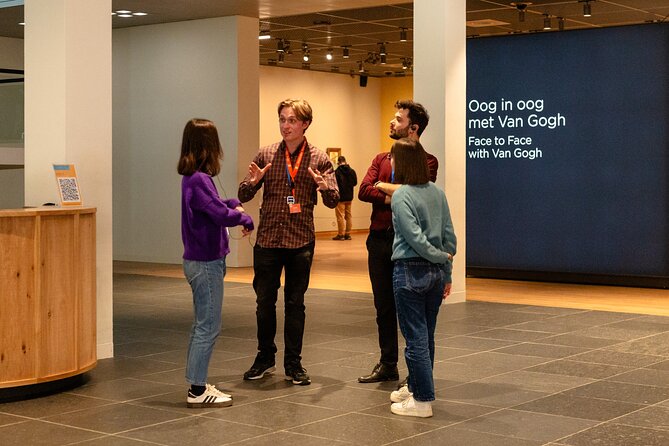
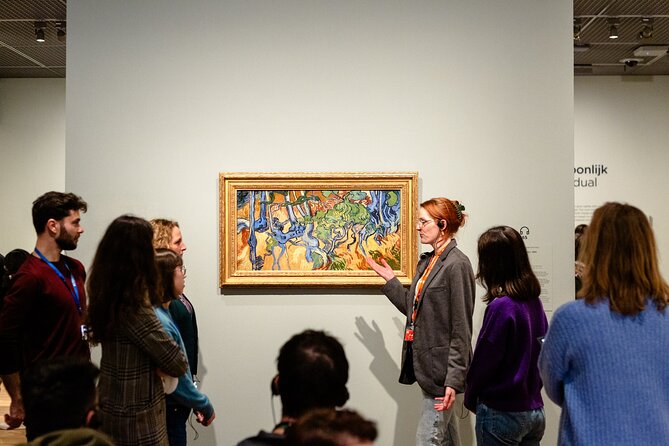
The last stop is the Auvers Room, also on level three, and takes about 15 minutes. It includes Tree Roots and Wheatfield with Crows.
This is a brief but weighty ending. The paintings are connected with the final period of Van Gogh’s life, and the guide can place them within the larger journey you have followed through the museum. Tree Roots invites close looking at the tangled forms and forceful paint. Wheatfield with Crows is more open and unsettled, and it often leaves visitors with questions rather than a neat final message.
The short time here can work well. After moving through several periods, you receive a concentrated finish instead of another long gallery talk. Still, if these late works are the reason you came, you may want to tell the guide early in the visit so your interest can shape the discussion.
The tour does not promise time in every room of the museum. It offers a selected route through major works and periods. That is a benefit for first-time visitors who want order, but less ideal for returning visitors with a personal list of lesser-known paintings.
The guides and the listening system
The strongest part of this experience is the human explanation. Sylvia is praised for making the visit interactive and fun while still teaching a great deal about Van Gogh. Giulia is described as patient, easy to follow, and willing to answer questions. Kiran is noted for clear explanations, good pacing, and a storytelling style that made Van Gogh’s life more engaging.
The Whisper System is more than a small technical extra. Museum galleries can make normal conversation awkward, especially when a guide needs to speak while the group is looking at a painting. The earpieces let you keep your eyes on the art and hear the explanation clearly.
You should still expect the pace to be purposeful. The guide has six sections to cover in two hours, so this is not a slow, silent study session. I would use the visit to get a strong framework, then return to one or two favorite works if the museum’s rules and your belongings allow you to remain afterward.
Who gets the most value from this visit?
I would recommend this tour most strongly to:
- First-time Van Gogh Museum visitors who want help making sense of the collection
- Art lovers who prefer questions and conversation to a recorded audio guide
- Couples or small groups willing to pay more for private attention
- Adults with a tight Amsterdam schedule
- Visitors who want Van Gogh’s career explained in chronological order
It may be less suitable for families with children under 18, since the experience is adult-only. It is also not the best fit if you prefer to spend a long time with just a few paintings or explore the museum without a fixed route.
The price makes the most sense when you value the guide’s interpretation. If you only want admission and a quick look at famous works, a private two-hour experience may feel expensive. If you want the paintings connected into a clear story and appreciate being able to ask questions, the added cost has a stronger case.
Practical details and cancellation
The tour is offered in English, with a private guide in your chosen language listed among the included features. Confirmation is sent within 48 hours of booking, subject to availability.
Most people can participate, and the museum is near public transportation. Food and drinks are not included, so plan those before or after the visit. Free cancellation is available if you cancel at least 24 hours before the start time. Cancellations or changes made less than 24 hours ahead are not refunded or accepted.
Should you book the Van Gogh Museum Private Tour?
Book it if you want a short, guided path through Van Gogh’s career and are prepared to pay for personal attention. Sylvia, Giulia, and Kiran are all praised for clear, patient, engaging explanations, and the Whisper System helps you hear them without fuss.
Skip it if your main goal is a low-cost museum entry, a child-friendly outing, or several hours of independent browsing. For the right audience, this is a well-focused introduction that turns a famous collection into a readable story, with enough room for questions and a manageable two-hour schedule.
FAQ
How long is the Van Gogh Museum private tour?
The guided visit lasts approximately two hours.
What language is the tour offered in?
The tour is offered in English. A private guide in your chosen language is included among the tour features.
Is admission to the Van Gogh Museum included?
Yes. Admission tickets to the listed museum stops and the permanent collection tour are included.
Where does the tour begin and end?
The tour begins at Cobra Café, Hobbemastraat 18, 1071 ZB Amsterdam. It ends at the Van Gogh Museum, Museumplein 6, 1071 DJ Amsterdam.
Can children join the tour?
No. This experience is available only to adults aged 18 and older.
Can I cancel for a full refund?
Yes, if you cancel at least 24 hours before the experience start time. Cancellations or changes made less than 24 hours before the start time are not refunded or accepted.
Just added in Amsterdam
- Private Tour Zaanse Schans Windmills and Volendam in Jaguar★ 5.0 · 10 reviews
- Zaanse Schans and Giethoorn Unique Day Trip with Boat Cruise★ 4.5 · 17 reviews
- Windmills-Volendam-Giethoorn Private Tour in Jaguar★ 5.0 · 2 reviews
- Half-Day Private Guided Sightseeing Tour of Zaanse Schans★ 5.0 · 14 reviews
- Best of Netherlands: Zaanse Schans Mills, The Hague & Rotterdam★ 4.5 · 10 reviews
- Zaanse Schans Private Tour Windmills★ 5.0 · 18 reviews
- Zaanse Schans Windmills Edam Volendam and Marken from Amsterdam★ 5.0 · 1 review
- Half Day Keukenhof Tulip Paradise Trip from Amsterdam★ 5.0 · 1 review
Van Gogh Museum Tickets, compared.
Van Gogh Museum Amsterdam Exclusive Tour w/ Reserved Entry
Read our review →
Van Gogh Museum Tour Reserved Entry Semi Private
Read our review →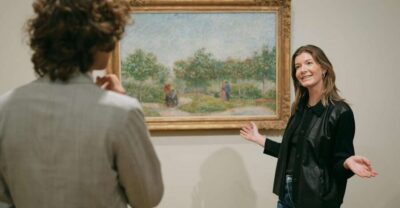
Combo Ticket: Van Gogh Museum Ticket and 1-Hour Canal Cruise
Read our review →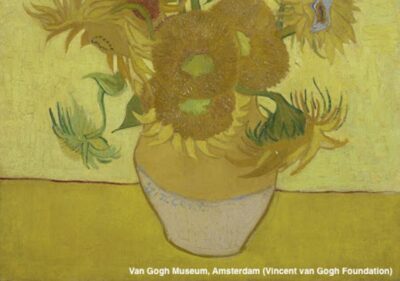
Browse the lists this tour appears in