
Review · WALKING TOURS
Amsterdam Central Walking Tour
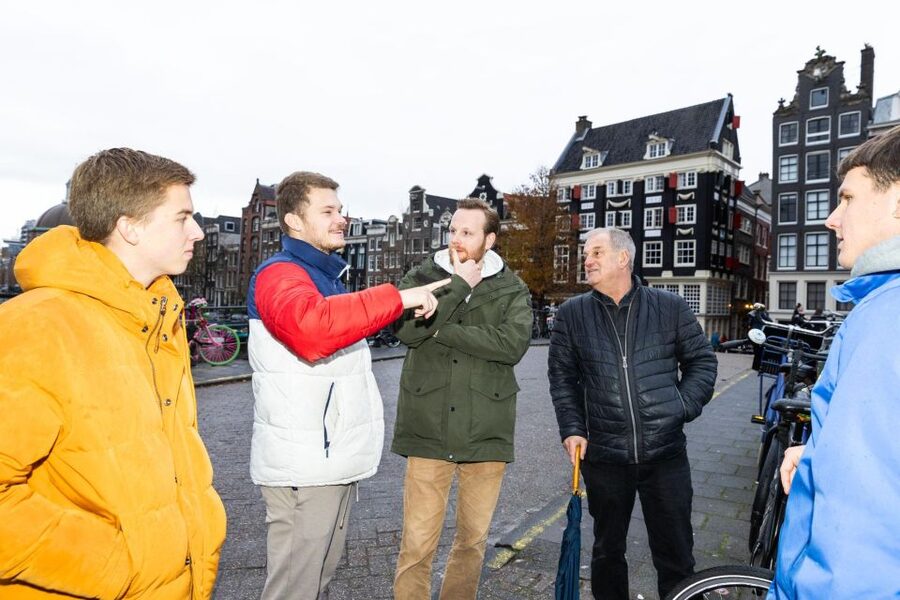
Amsterdam tells its best stories on foot. Yellow Bike’s two-hour walk links canals, crooked houses, old working-class streets, and modern social history with a local guide who keeps the city human. I especially like the small groups of no more than 12 and the break at a traditional Dutch café. The main drawback is simple: two hours goes quickly, and the tour covers a lot of ground in cold, wet weather.
I also like that the route goes beyond postcard views. You hear about herring, beer, wooden pilings, squatting, student protest, LGBTQ+ rights, and Anne Frank in one compact walk. Guides such as Willem and Sid have been praised for being warm, engaging, and clear in English, though one booking described the tour as less organized and light on information.
In This Review
- Six details that make this Amsterdam walk worth considering
- Starting at Nieuwezijds Kolk in Amsterdam’s oldest center
- Westerlijke Wallen and the city’s oldest stories
- Crooked houses, herring, and the Nieuwe Haarlemmersluis
- Brouwersgracht and Amsterdam’s old beer trade
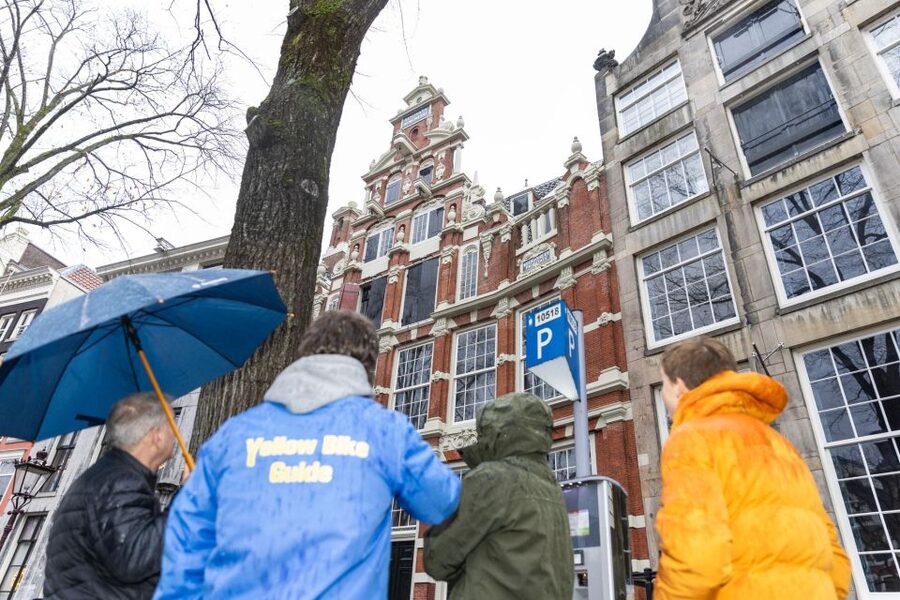
- Bartolotti House and the city’s grand canal wealth
- The Gay Monument and Anne Frank House
- Westertoren, Jordaan, and a warm brown café
- Negen Straatjes, Spui, and Amsterdam’s protest culture
- Is $26 a fair price for two hours?
- Winter clothing and mobility advice
- Who will enjoy this walk most?
- Should you book the Yellow Bike Amsterdam Central Walking Tour?
- FAQ
- How long does the Amsterdam Central Walking Tour last?
- Where does the tour begin?
- Where does the tour finish?
- What languages are available?
- Is the café drink included?
- What should I wear?
- What happens if it rains?
Six details that make this Amsterdam walk worth considering
- A true central-city route: You begin near Nieuwezijds Kolk and finish at Dam Square before returning to the same meeting point.
- Small groups: The maximum is 12 people, and the group can be smaller. One winter departure became a private walk for two participants.
- More than old buildings: The guide covers Amsterdam’s Provo movement, squatting history, LGBTQ+ rights, wartime memory, and current local issues.
- A brown café stop: You get time in a traditional Dutch pub, but drinks are not included.
- A respectful Red Light District visit: The guide explains the Westerlijke Wallen without encouraging photos, lingering, or rude behavior.
- Useful in winter: The tour runs rain or shine, so warm clothing, gloves, a hat, scarf, and sturdy shoes matter.
Starting at Nieuwezijds Kolk in Amsterdam’s oldest center
The meeting point is Yellow Bike at Nieuwezijds Kolk 29. Look for the Yellow Bike sign and check in at the counter. This is a practical starting point because it sits close to the old center, where Amsterdam’s story begins with water, trade, defense, and crowded streets.
You return to the same address after the walk. The stated duration is two hours, although one winter departure lasted about one hour and 45 minutes. That small difference is not a concern for most people, but I would avoid booking anything immediately afterward. Amsterdam’s narrow streets, busy crossings, and frequent stops can make the pace a little loose.
The route is offered in Dutch and English. A local guide leads the walk, and the small group size should make it easier to ask questions. One participant who ended up with a private tour praised Sid for explaining local culture and history in an approachable way. Willem also received particular praise for mixing old stories with politics, religion, and current local matters.
More Walking Tours in Amsterdam
- Anne Frank’s Story – Guided Walking Tour through Amsterdam
★ 5.0 · 11,619 reviews - Amsterdam: Life of Anne Frank and World War II Walking Tour
★ 4.8 · 10,467 reviews - Absolutely Amsterdam – the Essential Introductory Walking Tour
★ 5.0 · 3,629 reviews
Westerlijke Wallen and the city’s oldest stories
The opening section takes you through the oldest part of Amsterdam and toward the Westerlijke Wallen, the western section of the Red Light District. The point here is not shock value. The guide frames the area around respect, local rules, and the people who live and work there.
You are told not to take photos, and you should not linger. That advice is both practical and polite. Amsterdam’s Red Light District is a working neighborhood, not a stage set, and this tour treats it that way. If you want a loud, sensational walk through the area, this is not that experience.
This section also gives you a useful introduction to the city’s relationship with water. Amsterdam’s buildings sit on wooden poles driven into the wet ground. That engineering decision explains much of the city’s tilted appearance, though the walk presents the crooked houses as more than a photo stop. You begin to see how age, foundations, water, and narrow plots shaped the city.
Crooked houses, herring, and the Nieuwe Haarlemmersluis
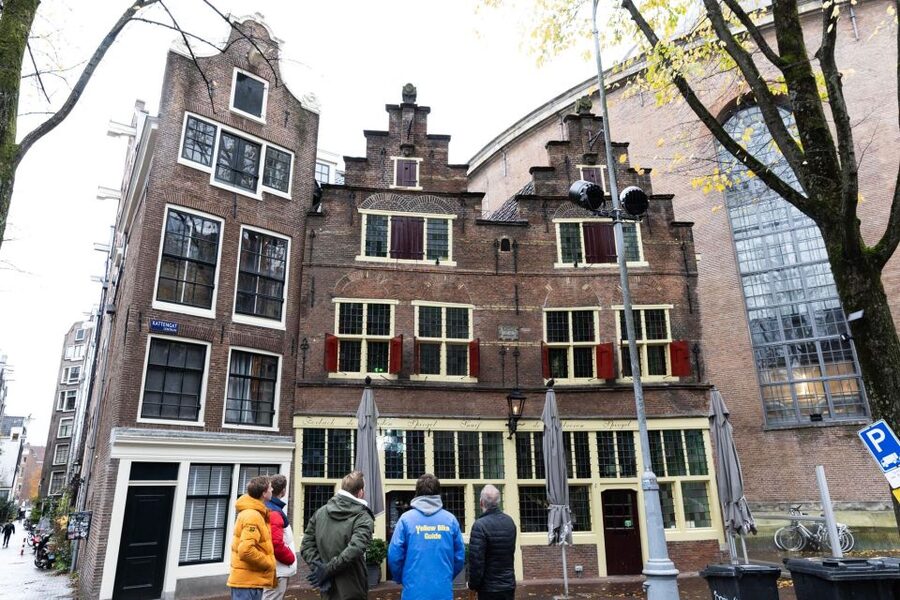
Amsterdam’s leaning houses are among the easiest sights to admire without context. The guide adds the missing piece by explaining why the buildings tilt and how the wooden foundations helped make construction possible in such wet ground.
At the Nieuwe Haarlemmersluis, the focus shifts to seawater and flood control. You learn how Amsterdam has worked to keep saltwater out of its canals and protect the city from the water that made its growth possible. This is one of the tour’s practical strengths: canals are not just pretty waterways. They are part of an ongoing fight with water.
The herring trade brings another layer to the route. Herring was a major part of Amsterdam’s past, tied to trade, food, and the city’s growth. This stop helps connect the grand canal houses with the working economy that supported them.
At the Koepelkerk, you hear the story of the copper-covered Lutheran church and its link to a major fire. The building becomes a reminder that Amsterdam has survived disaster and change many times. The church’s unusual exterior also gives you something specific to look for instead of simply walking past another historic building.
Brouwersgracht and Amsterdam’s old beer trade
Brouwersgracht offers a lesson in supplies and industry. Grain moved through this area to breweries, helping Amsterdam earn the nickname Booze Capital. The detail is memorable because it turns a handsome canal into an old business route.
I like stops such as this because they explain why canals were built and used. You are not just looking at water, brick, and house fronts. You are learning how food, grain, beer, and trade shaped the city.
The route also reaches Jan Roodenpoortstoren and Torensluis. Beneath the bridge at Jan Roodenpoortstoren are historic prison cells, an unusual detail that rewards careful listening. Torensluis is known as Amsterdam’s oldest bridge and was once part of the city’s defensive wall.
These places are easy to miss on your own. A map can show you where the bridge is, but it will not necessarily explain what was under it or how it fitted into the old defenses. That is where a local guide earns the price of admission.
A different kind of day out entirely:
- Amsterdam: Van Gogh Museum Ticket
★ 4.7 · 52,054 reviews - Amsterdam Classic Saloon Boat Cruise with Drinks and Cheese
★ 5.0 · 31,825 reviews - Amsterdam Luxury Canal Cruise + Unlimited Drinks & Bites option
★ 5.0 · 30,518 reviews - Amsterdam: Heineken Experience Ticket
★ 4.6 · 30,055 reviews
Bartolotti House and the city’s grand canal wealth
Bartolotti House changes the mood again. It is presented as one of Amsterdam’s finest mansions, with an intriguing story attached to its elegant facade. After hearing about breweries, prisons, and working neighborhoods, you get a clear look at the wealth that Amsterdam’s trade could produce.
The contrast matters. Amsterdam’s center is not one single story of grand houses and wealthy merchants. The route keeps switching between commerce, labor, religion, punishment, protest, and private life. That variety gives the walk more substance than a simple list of famous buildings.
You should keep your expectations realistic, though. This is an outdoor walking tour. You will admire these places from the street rather than spend extended time inside them. If you want museum interiors or long visits at individual landmarks, you will need separate plans.
The Gay Monument and Anne Frank House
The Gay Monument provides one of the most important modern-history stops. The guide explains the struggles and victories of the Dutch LGBTQ+ community and points out the connection to the world’s first gay marriage. This is a useful reminder that Amsterdam’s reputation for tolerance was not created overnight. It came through protest, legal change, and social pressure.
The route then reaches the Anne Frank House. The stop is a chance to reflect on World War II, Anne Frank, and the diary that made her story known around the world. The tour does not include entry to the house, so you should not expect an interior visit or a museum ticket.
That limitation is worth keeping in mind. The building can be one of Amsterdam’s most emotionally difficult places, and even seeing it from outside can carry weight. If you plan to visit the Anne Frank House separately, book that ticket on its own and allow extra time around it. This walk gives you context, not admission.
Westertoren, Jordaan, and a warm brown café
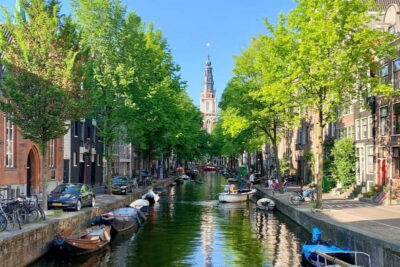
The Westertoren is Amsterdam’s tallest church tower and one of the route’s most recognizable sights. The guide explains its historical role while giving you a strong view of the city’s church architecture.
The nearby Jordaan was once a working-class enclave. Walking through this part of town helps you see a different side of central Amsterdam. Its lanes and canal views are attractive, but the area also carries the memory of labor, crowded housing, and changing fortunes.
Then comes the brown café stop. This is a short pause in a traditional Dutch pub, where you can warm up and take in the local atmosphere. Drinks are not included, so bring a little money if you want a coffee, beer, or another beverage. The stop is especially welcome in winter, when a two-hour walk can feel longer than expected.
One January participant described a cold Friday afternoon walk with Willem as highly informative and entertaining, even though the group finished after about one hour and 45 minutes. That is a useful clue about the guide’s role: the best part of the tour may be the conversation between the major sights.
Negen Straatjes, Spui, and Amsterdam’s protest culture
Negen Straatjes, or the Nine Streets, was once associated with artisans and is now known for boutiques and cafés. You get a pleasant change of pace here, with smaller streets and attractive storefronts rather than only major monuments.
The guide also explains the Provo movement at Spui. A small Provo statue marks the area’s connection with student protests, civil resistance, and cultural change. This is a strong feature for anyone who wants Amsterdam’s recent social history included alongside its medieval and commercial past.
Spuistraat adds the city’s squatting history. That subject can be easy to reduce to a slogan, but on a guided walk it becomes part of the city’s changing identity. The route shows how Amsterdam has made room for disagreement, protest, alternative housing, and cultural movements, even when those forces caused tension.
The final stretch includes Kalverstraat, the Netherlands’ best-known shopping street. Its upscale stores offer a sharp contrast with the old canal trade and working-class Jordaan. You end at Dam Square, then walk back to Yellow Bike at Nieuwezijds Kolk.
Is $26 a fair price for two hours?
At $26 per person, this tour is reasonably priced for a two-hour guided walk, especially with a local guide and a group capped at 12. The value comes from the range of subjects covered: canals, foundations, trade, religion, war, LGBTQ+ rights, protest, shopping, and neighborhood change.
The price also compares well with the possibility of a smaller group. One booking became a private walk, though you should not assume that will happen on your date. A smaller group can make a major difference in Amsterdam, where sidewalks and bridges are tight and stopping a large crowd can be awkward.
The café drink is extra, and the walk does not include admission to the Anne Frank House or other attractions. That is not a hidden cost, but you should budget separately if you want to visit interiors afterward.
I would call this a good-value orientation tour, not a full history course. You receive a broad introduction and plenty of leads for later exploring. If your main goal is to enter museums, climb towers, or spend 30 minutes at every stop, the short format will feel limited.
Winter clothing and mobility advice
The tour runs in all weather. Wear comfortable shoes, warm clothing, a hat, gloves, and a scarf. Amsterdam’s winter rain and wind can make a pleasant walk uncomfortable fast, and the coldest part may be the café-free stretches between stops.
The tour information says it is wheelchair accessible but also says it is not suitable for people with mobility impairments. Those statements do not fully match. If you use a wheelchair or have difficulty walking, contact Yellow Bike before booking and ask about the exact route, bridges, surfaces, and pace.
You also need to be comfortable walking for close to two hours, with outdoor stops and city traffic around you. The route is central and busy, so it suits people who enjoy seeing a lot in a short time.
Who will enjoy this walk most?
I would recommend it to first-time visitors who want to understand Amsterdam before exploring on their own. The mix of famous sights and less obvious subjects gives you useful bearings without turning the walk into a parade of dates.
It also suits repeat visitors who have seen Dam Square and the canals but want more on Provo, squatting, beer, herring, LGBTQ+ rights, and the city’s foundation system. Parents with older children may find the variety helpful. One 15-year-old participant was especially engaged, which suggests the guide can make the material accessible to younger people.
It is less suitable if you dislike walking in bad weather, want a quiet museum-style talk, or need a highly predictable schedule. One booking found the tour disorganized and short on information, so the experience may depend partly on the individual guide and the questions asked by the group.
Should you book the Yellow Bike Amsterdam Central Walking Tour?
Book it if you want a compact introduction to Amsterdam led by a local, with a small group and a healthy mix of landmark views and social history. I especially like the respectful approach to the Red Light District, the Provo and squatting material, and the way ordinary subjects such as herring, beer, and wooden pilings explain the city.
Skip it if you need indoor shelter, guaranteed access to attractions, or a tour built for limited walking. For most visitors who pack warm clothes and keep their schedule flexible, $26 is a fair price for two hours of useful orientation. Free cancellation up to 24 hours before departure and reserve-now, pay-later booking also make it easier to fit into an uncertain Amsterdam itinerary.
FAQ
How long does the Amsterdam Central Walking Tour last?
The tour is scheduled for two hours. One recorded departure finished after about one hour and 45 minutes.
Where does the tour begin?
It begins at Yellow Bike, Nieuwezijds Kolk 29. Look for Yellow Bike and check in at the counter.
Where does the tour finish?
The walk ends at Dam Square, after which the group walks back to Yellow Bike at Nieuwezijds Kolk 29.
What languages are available?
The tour is offered in Dutch and English.
Is the café drink included?
No. The tour includes a stop at a traditional Dutch café, but beverages are not included in the price.
What should I wear?
Wear comfortable shoes and warm clothing. A hat, gloves, and scarf are also recommended, especially for the winter walk.
What happens if it rains?
The tour takes place rain or shine. You should dress for wet and cold conditions.
Just added in Amsterdam
- Zandvoort: Driving Experience at the Formula 1 Race Track★ 4.6 · 5 reviews
- Zaanse Schans: Half-Day Private Guided Tour★ 5.0 · 4 reviews
- Amsterdam: Zaanse Schans and Giethoorn Day Trip with Cruise★ 4.8 · 89 reviews
- Zaandam: Paint a Perfect Portrait workshop★ 5.0 · 5 reviews
- Amsterdam: Zaanse Schans E-Bike Tour with Windmills & Cheese★ 4.5 · 12 reviews
- Your Own Amsterdam. The Old Side★ 5.0 · 1 review
- From Amsterdam: The Hague Private Trip and Mauritshuis Entry★ 4.3 · 4 reviews
- VIP Private Full Day Tour of the Netherlands★ 4.8 · 6 reviews
Walking Tours, compared.

Anne Frank’s Story – Guided Walking Tour through Amsterdam
Read our review →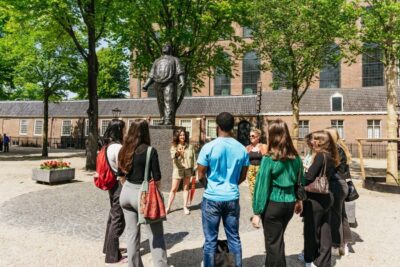
Life of Anne Frank and World War II Walking Tour
Read our review →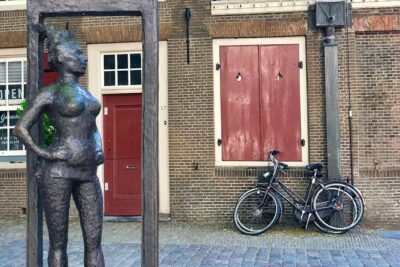
Absolutely Amsterdam – the Essential Introductory Walking Tour
Read our review →
Anne Frank Walking Tour – Guided in EN/DE/IT/ES
Read our review →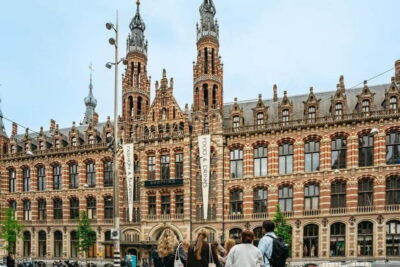

Anne Frank Walking Tour Amsterdam Including Jewish Cultural Quarter
Read our review →Browse the lists this tour appears in