
Review · JEWISH HERITAGE & WWII TOURS
Amsterdam: Cycling along the World War Two spots
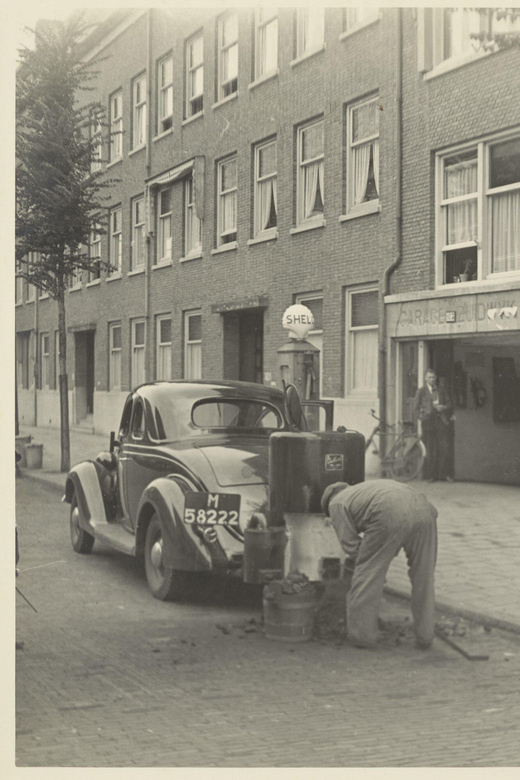
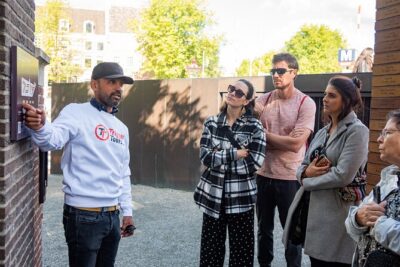
History is closer than you think. This three-hour bike tour connects Amsterdam South with the wartime raids, resistance sites, German offices, and Jewish homes that are easy to miss from a sightseeing boat or walking route. I especially like the visit to Merwedeplein 37-II, where Anne Frank lived with her family before hiding, and the clear focus on real addresses rather than broad wartime storytelling. I also like that retired historians lead the ride, bringing a serious personal interest to places that can otherwise look like ordinary city streets.
The main consideration is that the bike rental costs extra, and the tour moves between several sites by bicycle. You should be comfortable cycling in Amsterdam before booking. The listed price is $47 per person, not including the rental, and the group information says it is limited to one participant, so confirm the exact arrangement when booking.
In This Review
- Key points at a glance
- Why Amsterdam South tells a different wartime story
- Meeting at Leidseplein and getting ready to ride
- Victorieplein and the June 20, 1943 raid
- Merwedeplein 37-II, where the Frank family lived
- Waalstraat 48 and the story of Lex van Weren
- C. Troostplein and the machinery of occupation
- Museumplein as a wartime stronghold
- Gestapo headquarters, resistance sites, and wartime violence
- What the three-hour format does well
- Is $47 a fair price?
- Who should book this bicycle tour?
- Should you book it?
- FAQ
- Where does the tour meet?
- How long does the experience last?
- What language is the tour conducted in?
- Is bicycle rental included?
- What is the listed price?
- What is the tour about?
- Does the route visit Anne Frank’s former home?
- Does the tour visit Museumplein?
- Who leads the tour?
- Can I cancel the booking?
Key points at a glance
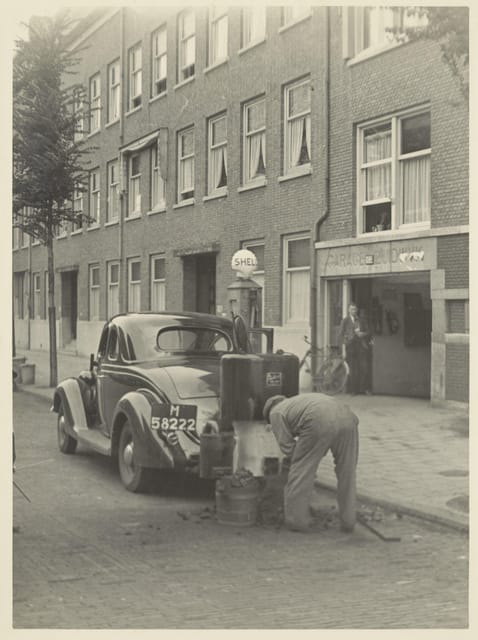
- Anne Frank’s former Amsterdam home: Stop at Merwedeplein 37-II, the third-floor apartment where the Frank family lived before going into hiding.
- The June 20, 1943 raid: Visit Victorieplein, tied to a major roundup of Jewish residents in Amsterdam South.
- A survivor’s wartime story: See Waalstraat 48, connected with Lex van Weren, who survived Auschwitz.
- Museumplein as a German stronghold: Learn how the square was taken over by German military, police, and Nazi civil offices.
- Small, history-focused format: Three retired historians guide the tours in English, with a listed duration of three hours.
- Simple starting point: Meet at Leidseplein beside the entrance to the Apple Store, then visit the bike rental shop together before the ride.
Why Amsterdam South tells a different wartime story
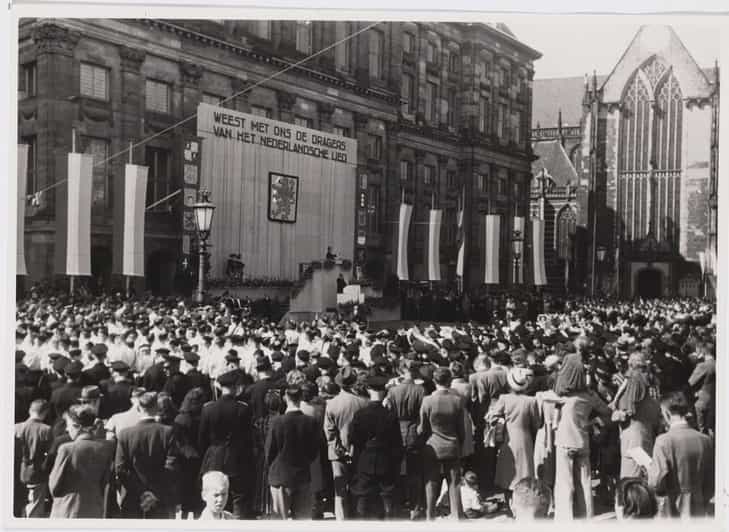
Amsterdam’s wartime past is often reduced to the Anne Frank House and the Secret Annex. Those places matter, but this tour takes you beyond the best-known address and into the streets where Jewish families lived, raids took place, resistance activity unfolded, and German power was organized.
Amsterdam South is especially suited to this kind of tour because several important sites sit within the same broad part of the city. You move from residential streets to major public squares, then to places linked with the German occupation and Dutch collaboration.
I like the way a bicycle changes your sense of distance. You do not simply hear that several sites were connected. You ride from one to the next, seeing how homes, squares, offices, and military positions fit into the city around them.
The subject is serious. This is not a light sightseeing ride with a few wartime facts added for color. Expect discussion of persecution, raids, executions, battles, resistance, and the destruction caused by the occupation. It suits you best if you want a focused history tour rather than a general introduction to Amsterdam.
More Bike Tours in Amsterdam
- Amsterdam: Guided Bike Tour City Centre in EN/DE/FR/ES
★ 4.7 · 4,187 reviews - Countryside Bike Tour from Amsterdam: Cheese, Clogs & a Windmill
★ 5.0 · 1,485 reviews - Amsterdam: Hidden Gems & Highlights Guided Bike Tour
★ 4.8 · 1,404 reviews
Meeting at Leidseplein and getting ready to ride
The meeting point is Leidseplein, next to the entrance of the Apple Store. That is a busy central location, so give yourself enough time to find the correct side of the square and identify the meeting place without rushing.
The bike rental is not included in the $47 tour price. You visit the rental shop together before the tour begins, which is useful if you need help choosing or collecting a bicycle, but it also means the final cost will be higher than the advertised tour price.
The tour lasts three hours. That gives the guides enough time to explain several sites without turning every stop into a long lecture. Still, you are covering ground, so the format will feel more active than a walking history tour.
The experience is conducted in English. The tour is described as a small group, with the booking information listing a limit of one participant. That wording is unusual, so I would confirm whether your date is private or simply subject to a very small maximum before you pay.
Victorieplein and the June 20, 1943 raid
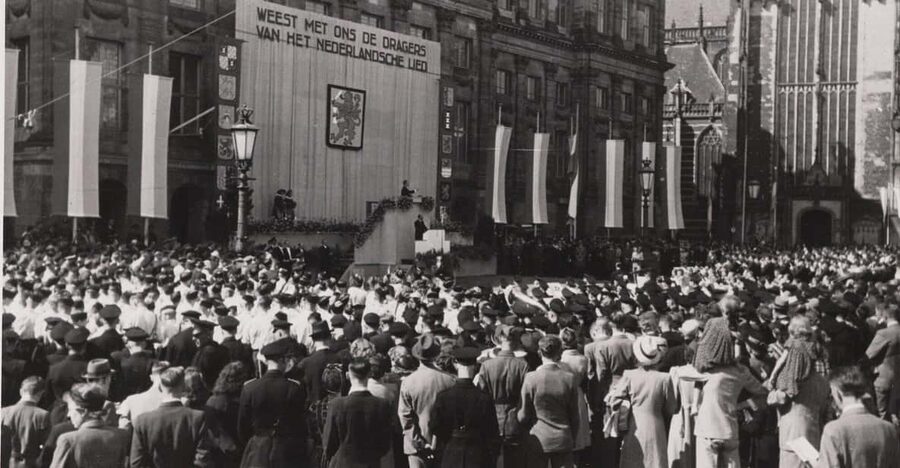
One of the key stops is Victorieplein, connected with a major raid on June 20, 1943. The Dutch word razzia is often used for these roundups, and the stop helps place that event in a real neighborhood rather than leaving it as a date in a textbook.
A public square can seem harmless when you arrive by bicycle. That contrast is part of the point. The surrounding buildings and traffic belong to everyday Amsterdam, yet the site is linked with the organized seizure of Jewish citizens during the German occupation.
Your guide can use the location to explain how persecution reached into ordinary residential districts. The value here is not a grand monument or a preserved battlefield. It is the connection between a normal-looking city space and the people who were taken from the area.
You should be prepared for difficult material. The tour deals directly with the fate of Jewish Dutch citizens, so this is not the right choice if you want to avoid painful wartime subjects.
Merwedeplein 37-II, where the Frank family lived
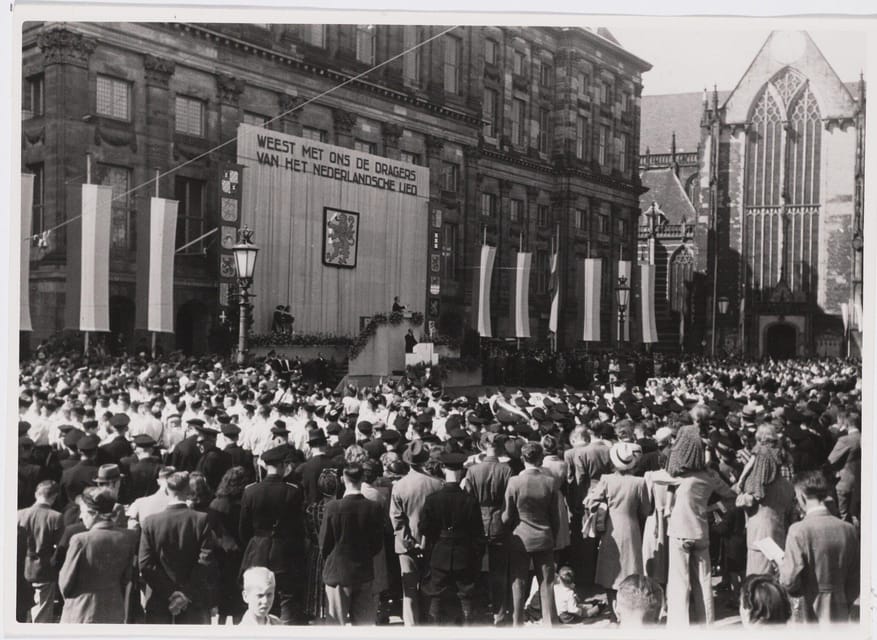
Merwedeplein 37-II, on the third floor, was home to Anne Frank, her parents, and her sister before the family went into hiding. This stop adds an important part of the story that many visitors miss.
The Secret Annex is the famous address, but the apartment at Merwedeplein represents the family’s earlier life in Amsterdam. It places Anne Frank within a neighborhood, rather than presenting her only through the final period of her life in hiding.
I find this kind of stop valuable because it makes the story more complete. You can think about the family as residents of Amsterdam before the hiding period, living in a home connected with the wider Jewish community of the city.
Do not expect this address to function like a museum visit. The attraction is the historical location and the explanation from the guide, not an interior exhibition. You will be viewing the site as part of a moving bicycle route.
More Jewish heritage and wartime walks in Amsterdam:
- Amsterdam: Life of Anne Frank and World War II Walking Tour
★ 4.8 · 10,467 reviews - Anne Frank Walking Tour Amsterdam Including Jewish Cultural Quarter
★ 5.0 · 1,879 reviews - Amsterdam: Dutch WWII Resistance Museum Entry Ticket
★ 4.7 · 951 reviews - Anne Frank and Jewish Quarter Amsterdam Private Walking Tour
★ 5.0 · 684 reviews
Waalstraat 48 and the story of Lex van Weren
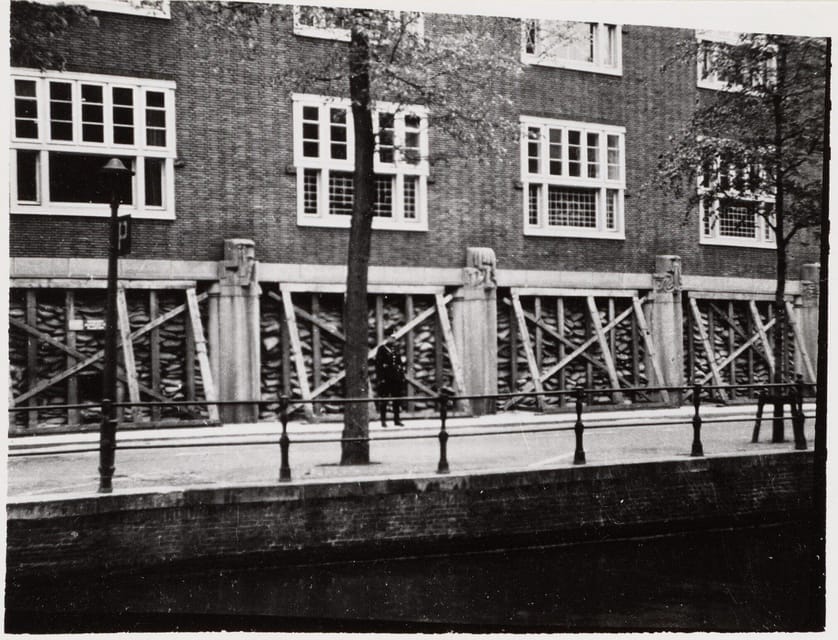
At Waalstraat 48, the tour refers to Lex van Weren, who lived there and survived Auschwitz. This is another residential address with a direct human connection to the occupation.
The stop gives the tour a useful balance. Anne Frank’s story is widely known, but the history of Amsterdam’s Jewish residents includes many other lives, choices, losses, and survival stories. Lex van Weren’s connection to the address helps widen the picture.
I appreciate that the route includes places tied to individuals rather than only government buildings and military sites. A home can tell you how closely the war pressed into daily life. It also reminds you that the city’s wartime story cannot be reduced to one family.
As with Merwedeplein, the importance is in the guide’s explanation. Waalstraat 48 is not described as a major museum or memorial complex. You are visiting a location and listening to its story before cycling onward.
C. Troostplein and the machinery of occupation
C. Troostplein is linked with a meeting between Rauter, a senior German official in the Netherlands, and Reichsführer Heinrich Himmler. The stop shifts the focus from Jewish homes and raids to the officials who directed the occupation.
That change matters. The tour is not only about what happened to victims. It also examines the German command structure and the people responsible for enforcing Nazi policy.
A site connected with high-ranking officials can be harder to understand than a home address. There may be no obvious visual clue that a major meeting took place there. This is where the retired historians add value, explaining why the location mattered and how it fitted into the occupation’s wider system.
The tour’s guides are three retired historians with a strong interest in the German occupation during the Second World War. Their background suggests a more serious approach than a standard city tour. One guide is described as friendly and very well informed, which is a welcome combination for a subject that needs care as well as facts.
Museumplein as a wartime stronghold
Museumplein is normally associated with art museums and open public space. During the war, the Germans transformed it into a stronghold. The square became a center for military headquarters, civil services, and the Amsterdam headquarters of the Dutch Nazi party, the NSB.
This is one of the route’s strongest contrasts. A place now linked with culture and open space was once used to display and organize occupation power. The German army headquarters and civil offices gathered there, making the square an important center of control.
The tour also covers Heinrich Himmler’s visit to Museumplein in 1941. That detail connects the square with the highest levels of the SS and Gestapo leadership.
I like this stop because it shows how the occupation changed public space. You are not looking at an isolated ruin. You are seeing how familiar Amsterdam locations were given new military and political purposes.
The subject becomes broader here, moving from specific addresses to the structure of German rule and Dutch collaboration. If you enjoy seeing how a city functioned under occupation, Museumplein may be the most revealing section of the route.
Gestapo headquarters, resistance sites, and wartime violence
The route includes the former Gestapo headquarters in Amsterdam, which was partly destroyed by an Allied air attack in 1944. It also visits resistance safe houses and places connected with executions, raids, and battles between Dutch resistance members and German soldiers.
These stops give the ride a wider scope. You learn not only where persecution was organized, but also where opposition took shape and where armed conflict reached Amsterdam’s streets.
A resistance safe house is particularly useful in this context because it shows the practical side of resistance. The term can sound abstract until it is tied to a real building and a city neighborhood. The tour also acknowledges the risks involved, including executions and battles, rather than presenting resistance as a simple story of heroes and villains.
The former Gestapo headquarters brings another layer of context. Its partial destruction in 1944 points to the wider war and the Allied effort against German positions, while also reminding you that Amsterdam was not cut off from the military conflict elsewhere in Europe.
The exact sequence of these stops is not specified, and the guide may adjust the route. That is normal for a bicycle tour covering several locations. You should expect a connected overview rather than a long visit inside each site.
What the three-hour format does well
Three hours is a useful length for this subject. A shorter ride could leave you with disconnected addresses, while a much longer outing might become tiring, especially when the material is emotionally heavy.
The bicycle lets the guide cover more ground than a walking tour. You can visit residential streets, squares, and public buildings in one outing, then return to central Amsterdam without spending the whole day on wartime history.
The tradeoff is pace. You will not have unlimited time at each location, and most of the value comes from listening carefully while stopped. If you want to study plaques, enter museums, or spend a long time photographing buildings, this tour may feel too structured.
The listed group size is especially important. A very small group should make it easier to ask questions and keep the discussion focused. Since the booking information lists one participant, I would clarify the group setup before booking so you know exactly what kind of experience to expect.
Is $47 a fair price?
At $47 per person, the tour is reasonably priced for three hours of guided instruction, but the bike rental must be added. The final cost therefore depends on the rental charge, which is not provided here.
The price makes more sense if you value interpretation rather than simply being shown locations. You are paying for a route built around specific wartime sites and for the attention of guides who are retired historians with a passion for this period.
It is less attractive if you already know Amsterdam’s occupation history well and only want to cycle around independently. You could visit some addresses on your own, but you would lose the connections between them, especially the way Jewish homes, German offices, public squares, and resistance sites fit together.
The free cancellation policy allows cancellation up to 24 hours before the tour for a full refund. You can also reserve and pay later, which helps if you are still arranging your Amsterdam schedule.
Who should book this bicycle tour?
I would choose this experience if you want a serious, place-based look at Amsterdam during the Second World War. It is a good fit for history-minded visitors, people interested in Anne Frank’s life before the Secret Annex, and anyone who wants to understand the German occupation beyond the city’s major museums.
You should be comfortable on a bicycle and willing to spend three hours with difficult subject matter. The tour is conducted in English, and the cycling format means you need to manage both the historical information and the physical movement between stops.
I would not choose it as a first general tour of Amsterdam. It does not focus on canals, architecture, art, food, or the city’s broader daily life. It is a specialist outing, and that focus is exactly what gives it value.
Should you book it?
Book this tour if you want to connect Amsterdam’s wartime history with real addresses, especially Merwedeplein 37-II, Victorieplein, Waalstraat 48, and Museumplein. The retired historian guides, the small format, and the attention to Jewish life, German control, and resistance make it more meaningful than a quick list of famous sites.
Skip it if you dislike cycling, need a broad sightseeing tour, or want indoor museum visits. Remember to budget for the bike rental and confirm the unusual one-participant group listing. For the right audience, this is a thoughtful and focused way to see how the occupation shaped Amsterdam South.
FAQ
Where does the tour meet?
The meeting point is Leidseplein, next to the entrance of the Apple Store.
How long does the experience last?
The bicycle tour lasts three hours.
What language is the tour conducted in?
The live tour is conducted in English.
Is bicycle rental included?
No. The cost of renting a bicycle is not included. You visit the bike rental shop together before the tour begins.
What is the listed price?
The listed price is $47 per person, before the separate bike rental cost.
What is the tour about?
The tour focuses on World War Two sites in Amsterdam, especially the German occupation, the persecution of Jewish Dutch citizens, resistance activity, raids, executions, and battles.
Does the route visit Anne Frank’s former home?
Yes. The route visits Merwedeplein 37-II, the third-floor home where Anne Frank lived with her parents and sister before the family went into hiding.
Does the tour visit Museumplein?
Yes. The tour explains how Museumplein was transformed into a German stronghold during the war and how German military, civil, and Dutch Nazi offices were concentrated there.
Who leads the tour?
The tours are led by three retired historians who have a strong interest in the history of the German occupation during the Second World War.
Can I cancel the booking?
You can cancel up to 24 hours in advance for a full refund. The experience also offers a reserve-now, pay-later option.
Just added in Amsterdam
- Private Tour Zaanse Schans Windmills and Volendam in Jaguar★ 5.0 · 10 reviews
- Zaanse Schans and Giethoorn Unique Day Trip with Boat Cruise★ 4.5 · 17 reviews
- Windmills-Volendam-Giethoorn Private Tour in Jaguar★ 5.0 · 2 reviews
- Half-Day Private Guided Sightseeing Tour of Zaanse Schans★ 5.0 · 14 reviews
- Best of Netherlands: Zaanse Schans Mills, The Hague & Rotterdam★ 4.5 · 10 reviews
- Zaanse Schans Private Tour Windmills★ 5.0 · 18 reviews
- Zaanse Schans Windmills Edam Volendam and Marken from Amsterdam★ 5.0 · 1 review
- Zaanse Schans Edam Volendam Private Day Tour from Amsterdam★ 5.0 · 3 reviews
Jewish Heritage & WWII Tours, compared.
Life of Anne Frank and World War II Walking Tour
Read our review →
Anne Frank Walking Tour Amsterdam Including Jewish Cultural Quarter
Read our review →
Oranjehotel World War II Prison Entrance Ticket
Read our review →
Anne Frank and Jewish Quarter Amsterdam Private Walking Tour
Read our review →
Anne Frank and Jewish Quarter Walking Tour (TOP RATED)
Read our review →
Browse the lists this tour appears in