
Review · JEWISH HERITAGE & WWII TOURS
Amsterdam: Dutch WWII Resistance Museum Entry Ticket
Some museums make history feel personal. Amsterdam’s Dutch Resistance Museum does this through ordinary letters, forged papers, underground newspapers, film clips, and the difficult choices faced by Dutch people under Nazi occupation. You move through the 1940s with an audio guide, following stories of resistance, cooperation, fear, courage, and survival.
I like the museum’s human scale and its clear treatment of resistance beyond armed action. Strikes, hiding places, escape routes, espionage, document forgery, and secret newspapers all have a place here. I also value the dedicated section on the Dutch East Indies, which widens the story beyond Europe and explains what happened under Japanese rule.
The main drawback is time. This is not a quick, 30-minute stop, and the small entrance can fool you. If you want to listen to the audio at most stations and read the personal accounts, allow two to three hours. The material is also sobering, so it may not suit anyone looking for a light museum visit.
In This Review
- Key points before you go
- Why this museum matters in Amsterdam
- Entering the 1940s through photographs and street scenes
- Resistance in many forms, not just combat
- Personal stories make the history stick
- The difficult choices of occupation
- Why the Dutch East Indies section deserves your time
- How long should you allow?
- Price, value, and practical comfort
- Who will appreciate this museum most?
- Should you book the Dutch Resistance Museum?
- FAQ
- Where is the Dutch WWII Resistance Museum located?
- How much does admission cost?
- How long is the ticket valid?
- How long should I spend inside?
- Is an audio guide included?
- Which languages are available for the audio guide?
- Does the museum have a live guide?
- Is the museum wheelchair accessible?
- Can I cancel my booking?
Key points before you go
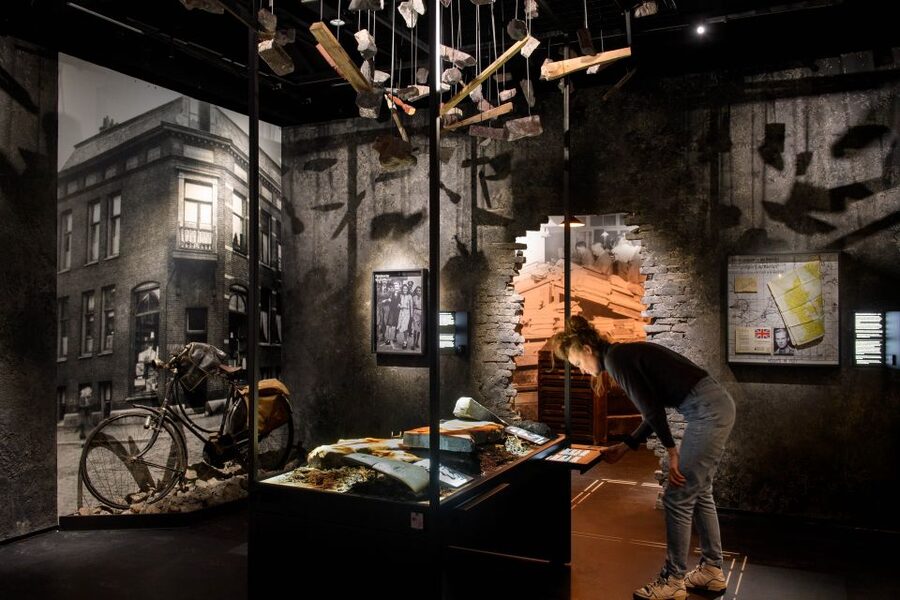
- Plan for two to three hours: The museum looks modest from outside, but there is much more inside than the entrance suggests.
- Use the handheld audio guide: It works by scanning codes at exhibits, letting you choose which stories to hear and how much detail to take in.
- Expect more than military history: The focus is on civilians, daily decisions, resistance groups, collaborators, and those persecuted by the Nazi regime.
- Look for the interactive propaganda displays: These help show how public messages and political pressure shaped life during the occupation.
- Do not skip the Dutch East Indies section: It covers the experiences of people living under Japanese terror in the former Dutch colonies.
- Good access for different needs: The museum is wheelchair accessible, and the audio system can help you sit and listen when walking becomes tiring.
Why this museum matters in Amsterdam
Amsterdam has several sites connected with the Nazi occupation, but the Dutch Resistance Museum gives you a wider picture than one famous hiding place or one family story. It asks what happened across Dutch society, from the invasion and occupation to liberation and the difficult years that followed.
That wider view matters. Resistance was not one single movement, and courage did not always look dramatic. A person who printed a newspaper, hid a neighbor, forged an identity card, or helped someone reach safety was taking a serious risk. So was a worker joining a strike, a family sharing food, or a courier carrying information.
The museum also avoids presenting the Dutch population as one united block. You encounter resistance groups, frightened civilians, people forced into impossible choices, and collaborators. That balance gives you a more honest understanding of occupation. Military events are here, but the heart of the experience is social and personal.
The subject is especially useful if your knowledge of World War II comes mainly from the broad European story or from Anne Frank’s experience. Anne Frank’s story is important, but this museum helps you see the many other lives surrounding it, including those of people who resisted, survived, suffered, or made morally difficult choices.
More Museum Tours in Amsterdam
- Amsterdam: Van Gogh Museum Ticket
★ 4.7 · 52,054 reviews - Moco Museum Amsterdam Entrance Tickets with Banksy & More
★ 4.4 · 10,088 reviews - Amsterdam: The Upside Down Museum Entrance Ticket
★ 4.4 · 9,506 reviews
Entering the 1940s through photographs and street scenes
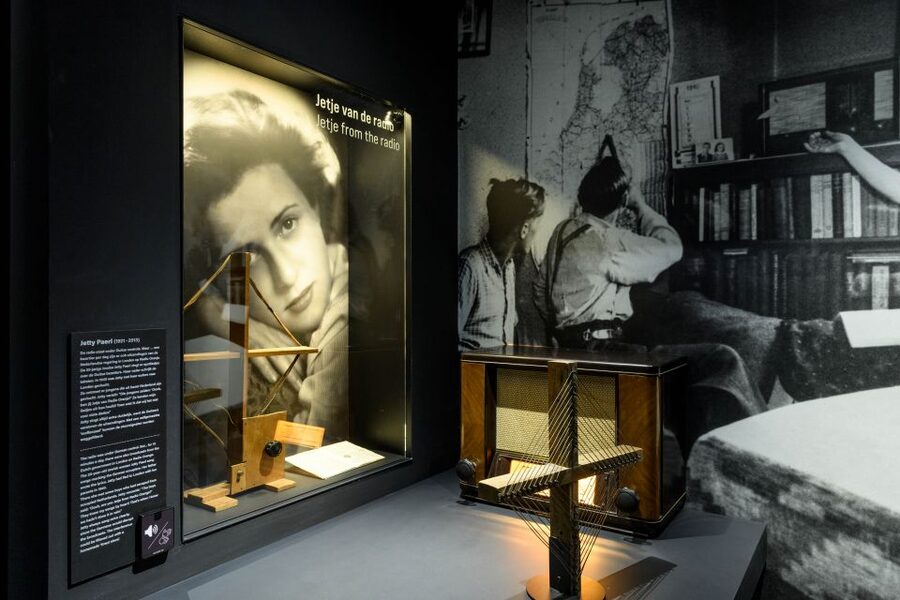
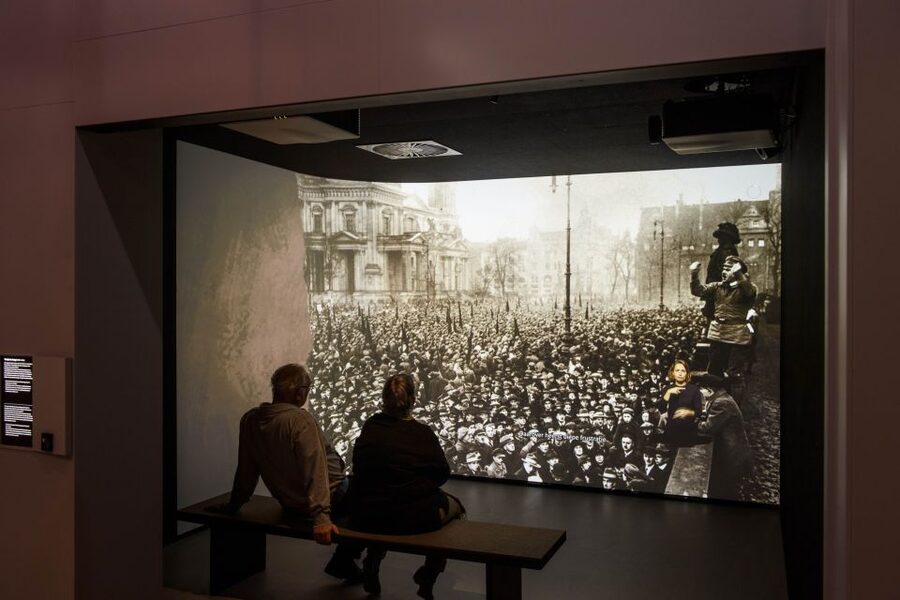
The exhibition begins by placing you in the Netherlands during the German occupation. Walls covered with photographs help create the feel of wartime streets, while objects and displays fill in the political and social setting.
This approach works because you are not asked to absorb a long block of dates first. Instead, you get visual clues and personal material that make the period easier to follow. Film clips, photographs, documents, and objects show how military occupation reached into everyday life.
You may notice how quickly ordinary routines became controlled by rules, shortages, surveillance, and fear. The exhibition connects major events with the small decisions people had to make each day. That is one of its strongest features. Rather than treating history as something that happened only to governments and armies, it shows how it affected homes, workplaces, families, and neighborhoods.
If you have only partial knowledge of World War II, the layout is easy to follow. If you already know the main events, the personal accounts add detail and emotional weight. I would still suggest starting at the beginning rather than rushing to the displays that interest you most, since the chronological flow gives the later choices more meaning.
Resistance in many forms, not just combat
The museum covers a broad range of resistance activities. Armed resistance is included, but it is only one part of the story.
You learn about strikes, forged identity documents, hiding networks, underground newspapers, escape routes, and espionage. Each form of resistance carried different risks. A forged document could protect someone from arrest, while an underground newspaper could challenge official propaganda and spread news that the authorities wanted to suppress.
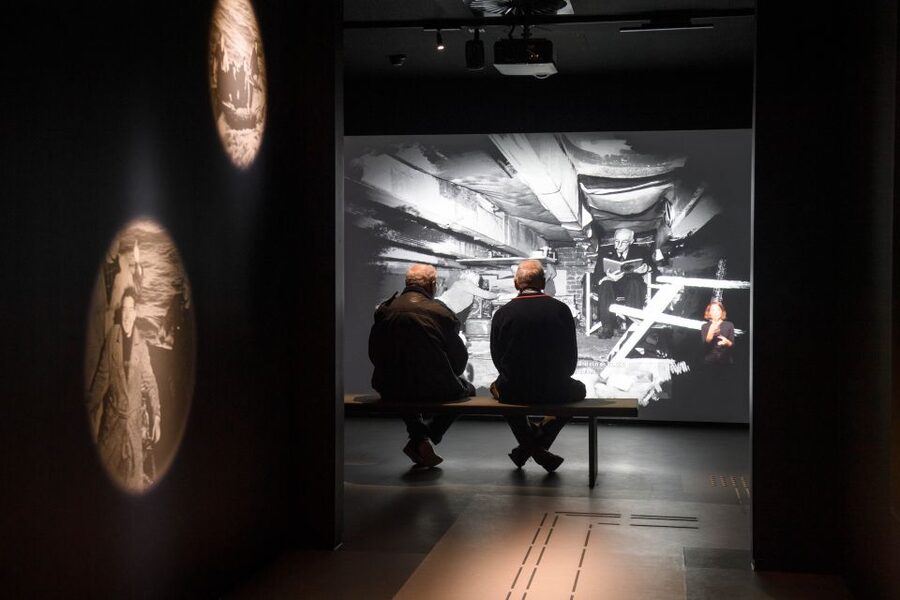
The section on people who helped others go into hiding is particularly important because it shows the planning and danger behind an act that can sound simple in hindsight. Finding a place, arranging food, passing messages, and avoiding detection all required trust and discipline.
The displays also show that resistance was not always clean or simple. Groups had to make choices under pressure, and individuals had limited information. You are encouraged to think about what you might have done when every option carried danger.
Interactive propaganda displays add another useful layer. They show how public messages worked and how the tone of official material could influence people. This is one of the more engaging parts of the museum, particularly if you are visiting with teenagers or anyone who prefers displays that ask for participation rather than passive reading.
Personal stories make the history stick
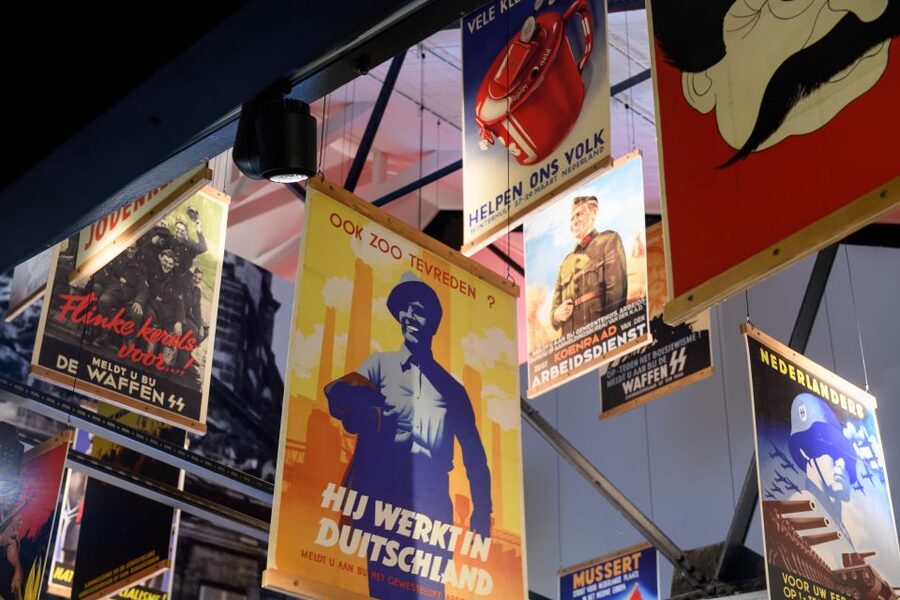
The museum’s greatest strength is its use of individual lives. Personal documents bring the period down to human size. A letter, photograph, official paper, or recorded account can tell you more about fear and uncertainty than a page of military statistics.
The audio guide lets you choose stories at many exhibits by scanning a code with the provided handheld unit. You do not have to listen to every piece of information, which gives you control over the pace. If you enjoy detailed history, you can stay longer. If you are tiring, you can choose the main points and keep moving.
The technology is also useful for accessibility. One person described using the handheld device while sitting down because of back and sciatic pain. That is a practical advantage, not just a technical one. You can pause, listen, and rest without losing the thread of the exhibition.
The audio is available in Dutch, English, French, German, Italian, Spanish, and Portuguese. English speakers should have no trouble following the main route, and the system makes it easier to understand documents or displays that might otherwise require more reading.
A small caution: the scanner can be sensitive. One visitor found that the audio occasionally started over after scanning. It is not a major problem, but take a moment to check that the correct track has begun before moving away from the exhibit.
More Jewish heritage and wartime walks in Amsterdam:
- Amsterdam: Life of Anne Frank and World War II Walking Tour
★ 4.8 · 10,467 reviews - Anne Frank Walking Tour Amsterdam Including Jewish Cultural Quarter
★ 5.0 · 1,879 reviews - Anne Frank and Jewish Quarter Amsterdam Private Walking Tour
★ 5.0 · 684 reviews - Amsterdam: Anne Frank and Jewish Quarter Tour
★ 4.7 · 434 reviews
The difficult choices of occupation
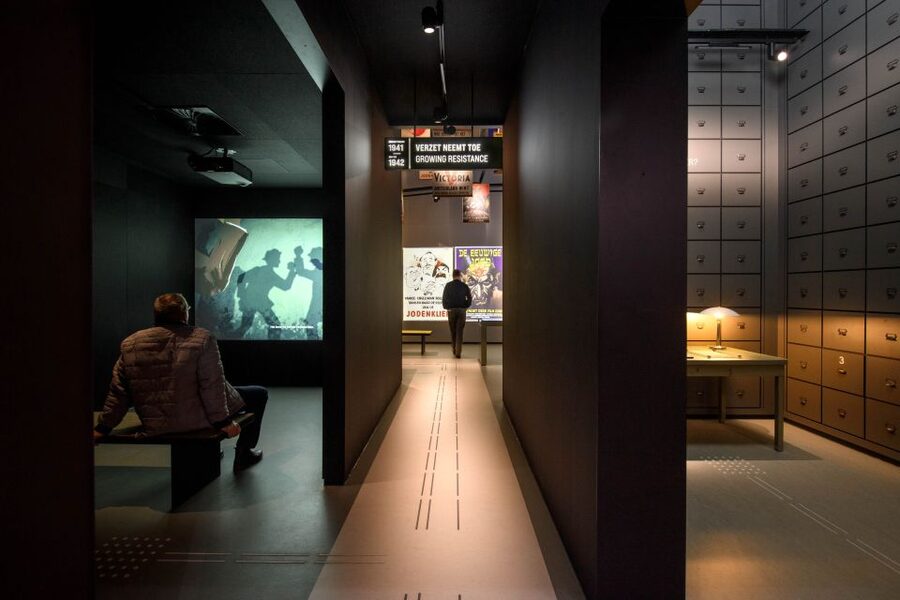
This is not a museum about heroes only. It is also about pressure, compromise, and the ways people responded when the law itself became an instrument of persecution.
You see how occupation created dilemmas for civilians. Some people resisted openly or secretly. Some helped others at great personal risk. Some tried to keep their families safe by staying out of trouble. Others cooperated with the authorities. The museum gives you room to consider these choices without reducing everyone to a simple label.
That makes the experience thought-provoking rather than merely informative. You are not just learning what happened. You are considering how fear, ideology, hunger, loyalty, and survival affected behavior.
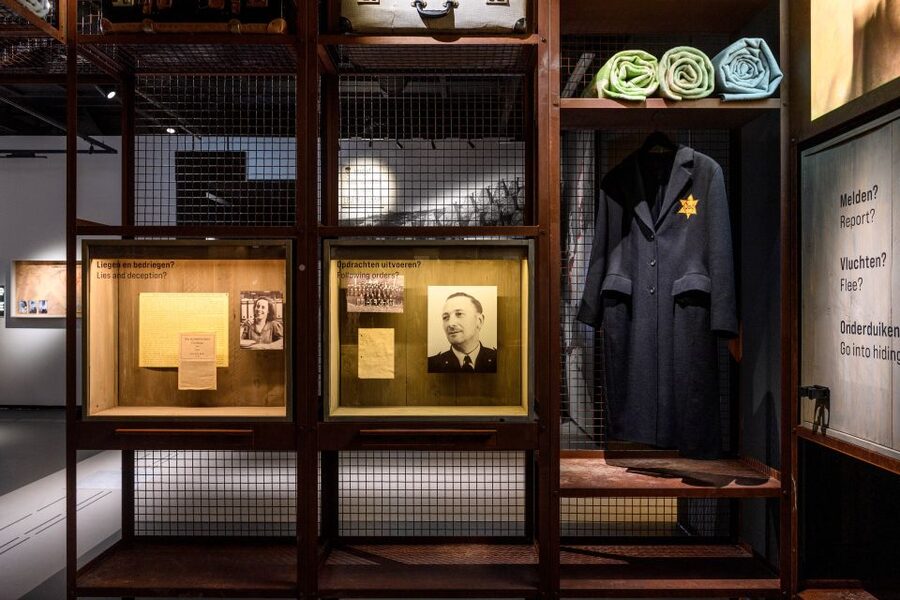
The focus on the Jewish Dutch population is painful but necessary. The museum explains persecution within the broader wartime story and shows the danger faced by those targeted by Nazi Germany. Personal testimony and documentary material make this section moving, so give yourself time rather than treating it as a passage to the next room.
The museum also follows some people’s lives after the war. That is a welcome touch. Liberation did not erase what had happened, and the later lives of survivors and participants help you understand that the story continued long after the occupation ended.
Why the Dutch East Indies section deserves your time
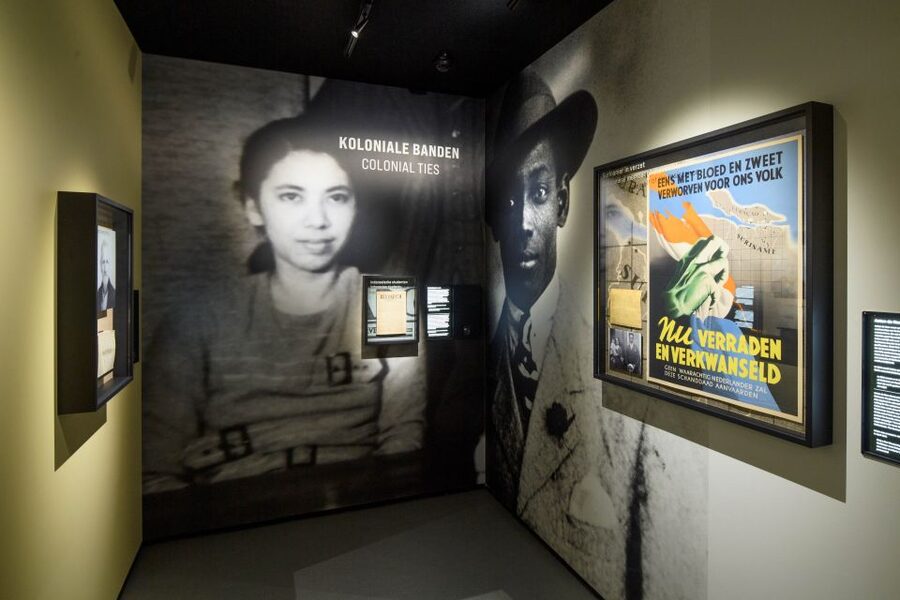
Many people arrive expecting a museum focused only on the Netherlands in Europe. The dedicated section on the former Dutch East Indies expands the picture considerably.
Here you learn about the experiences of people living under Japanese rule. The displays describe a period of terror and hardship that is easy to miss when World War II is presented only through events in Europe.
This section is valuable for visitors with family connections to Indonesia or the former Dutch colonies, but you do not need that background to appreciate it. It shows that the Dutch wartime experience did not end at the European border. Colonial history, occupation, imprisonment, and displacement were all part of the lives of people connected to the Netherlands.
Allow extra time here if this subject is important to you. One family connection can make the material especially emotional, but the section has value even without one. It adds context and prevents the museum from presenting the Dutch wartime story too narrowly.
How long should you allow?
Two hours is the shortest sensible visit if you want to see the main displays and listen to a good selection of audio. Several people found that two and a half hours worked well.
Three hours is better if you want to hear nearly every station, read the documents, watch the films, and spend time with the interactive displays. The museum can occupy much of a day for a serious history enthusiast, although the official ticket is valid for one day rather than for a fixed short time slot.
Do not build this visit into a tight schedule. One person had to leave early because another tour was booked. That is avoidable. Give yourself a generous window, especially if you are traveling with someone who reads every panel or has a strong interest in World War II.
The subject matter also affects the pace. You may want quiet time after some sections rather than rushing straight to another attraction. The nearby area includes other sites connected with wartime Amsterdam, including the Hollandse Schouwburg memorial, which can be paired with the museum if you want to continue the subject.
Price, value, and practical comfort
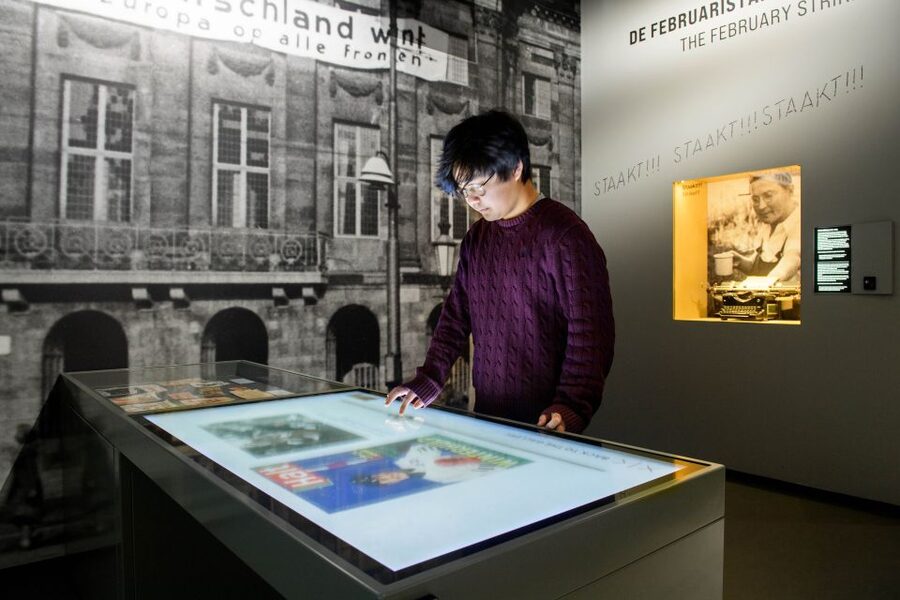
At about $21 per person, the ticket is not the cheapest museum admission in Amsterdam, but I consider it good value for the amount of material. The audio guide is included, and you can easily spend two to three hours inside.
The value comes from the depth and control. You are not paying for a short display with a few famous objects. You get a complete exhibition about occupation and resistance, multiple languages, films, personal accounts, and an audio system that lets you decide how much detail you want.
The museum is wheelchair accessible. The handheld audio units also make the visit more manageable if standing or walking for long periods is difficult. Seating is useful, although the supplied information does not specify how many seats are available, so plan your pace rather than relying on frequent rest points.
There is no food or drink included with the ticket. A restaurant is attached to the museum, making it possible to pause for a meal after the visit, but the museum admission itself covers only entry and the audio guide.
To enter, show your ticket at the museum counter. The ticket is valid for one day, and availability should be checked for the starting times offered on your chosen date. You can cancel up to 24 hours in advance for a full refund, and the reserve now, pay later option may help if your Amsterdam schedule is still shifting.
Who will appreciate this museum most?
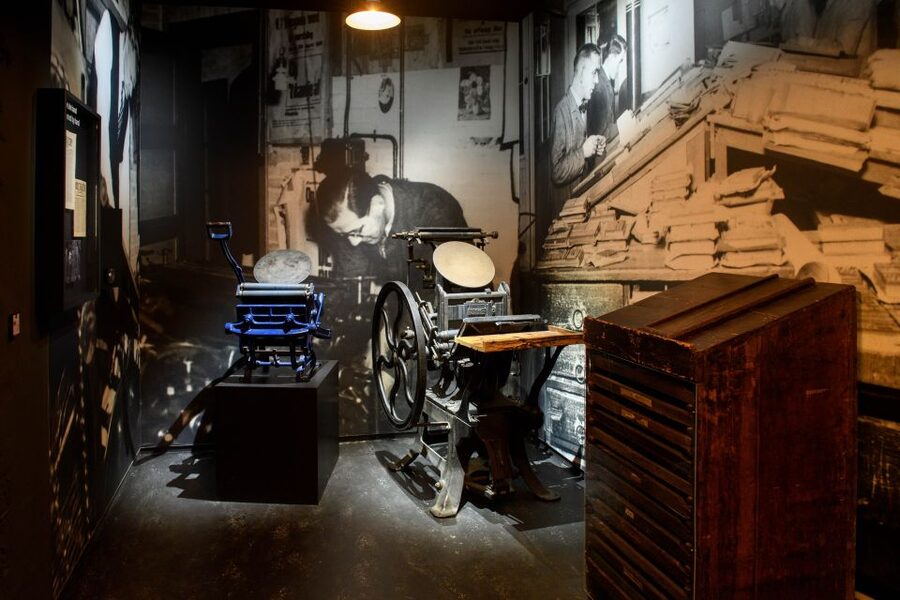
I would recommend it to anyone interested in World War II, modern European history, Jewish history, resistance movements, or the moral choices created by occupation.
It also works well for families with older children and teenagers, especially those who respond to personal stories, films, and interactive displays. The audio guide helps people with different reading speeds follow the material without needing a live guide.
History enthusiasts should allow the full three hours. Casual museum visitors can still enjoy it, but you should know that this is a serious, information-heavy experience. It is not designed as a quick photo stop.
The museum may be less suitable if you want a cheerful break from Amsterdam’s canals and nightlife. The accounts of persecution, imprisonment, fear, and loss are emotionally heavy. That is not a flaw, but it is worth planning your day around.
Should you book the Dutch Resistance Museum?
Yes, if you want to understand Amsterdam during the Nazi occupation through the lives of ordinary people. The museum is clear, thoughtful, accessible, and unusually good at showing that resistance included much more than armed action.
Book it if you can spare at least two hours, and choose a time that leaves room for three. Use the audio guide, take breaks when needed, and do not skip the Dutch East Indies section.
You can pass if your Amsterdam schedule is already packed with museums or if World War II history is not a priority. For everyone else, the $21 ticket buys a serious and well-organized experience that adds essential context to the city’s wartime past.
FAQ
Where is the Dutch WWII Resistance Museum located?
The museum is in Amsterdam, in North Holland, Netherlands. Show your ticket at the museum counter when you arrive.
How much does admission cost?
The listed price is $21 per person.
How long is the ticket valid?
The ticket is valid for one day. Check availability for the starting times offered on your chosen date.
How long should I spend inside?
Allow at least two hours for the main displays. Two to three hours is a better plan if you want to listen to many audio stations and read the documents in detail.
Is an audio guide included?
Yes. A handheld audio guide is included with admission.
Which languages are available for the audio guide?
The audio guide is available in Dutch, English, French, German, Italian, Spanish, and Portuguese.
Does the museum have a live guide?
No live guide is included. The ticket includes entry and an audio guide.
Is the museum wheelchair accessible?
Yes, the museum is wheelchair accessible.
Can I cancel my booking?
Yes. You can cancel up to 24 hours in advance for a full refund. The reserve now, pay later option is also available.
Just added in Amsterdam
- Private Tour Zaanse Schans Windmills and Volendam in Jaguar★ 5.0 · 10 reviews
- Zaanse Schans and Giethoorn Unique Day Trip with Boat Cruise★ 4.5 · 17 reviews
- Windmills-Volendam-Giethoorn Private Tour in Jaguar★ 5.0 · 2 reviews
- Half-Day Private Guided Sightseeing Tour of Zaanse Schans★ 5.0 · 14 reviews
- Best of Netherlands: Zaanse Schans Mills, The Hague & Rotterdam★ 4.5 · 10 reviews
- Zaanse Schans Private Tour Windmills★ 5.0 · 18 reviews
- Zaanse Schans Windmills Edam Volendam and Marken from Amsterdam★ 5.0 · 1 review
- Zaanse Schans Edam Volendam Private Day Tour from Amsterdam★ 5.0 · 3 reviews
Jewish Heritage & WWII Tours, compared.
Life of Anne Frank and World War II Walking Tour
Read our review →
Anne Frank Walking Tour Amsterdam Including Jewish Cultural Quarter
Read our review →
Oranjehotel World War II Prison Entrance Ticket
Read our review →
Anne Frank and Jewish Quarter Amsterdam Private Walking Tour
Read our review →
Anne Frank and Jewish Quarter Walking Tour (TOP RATED)
Read our review →

Anne Frank and the Jewish History of Amsterdam Private Tour
Read our review →Browse the lists this tour appears in