
Review · JEWISH HERITAGE & WWII TOURS
Oranjehotel World War II Prison Entrance Ticket
Some places teach history by making it personal. The Oranjehotel does this through prison cells, photographs, letters, and recorded voices from people held during the Nazi occupation of the Netherlands. I like the careful presentation of prisoner stories, and I like that the included audioguide lets you move at your own pace in English, Dutch, German, or French. The main consideration is that this is a compact memorial, not a large museum, and some people may find there is less to see than expected for a full day ticket.
The strongest moment is Cell 601, the notorious death cell. It gives the visit a direct, physical focus: more than 250 prisoners were sentenced to death and executed by firing squad after being held here. The subject is painful, but the exhibition also covers solidarity, faith, hope, resistance, and the effects imprisonment had on families after the war.
In This Review
- Key points to know before you go
- Why the Oranjehotel matters in Dutch history
- Start with the audioguide and numbered route
- Cell 601 brings the death sentences close
- Documents, photographs, and voices tell the wider story
- Resistance, solidarity, and the cost paid after liberation
- How the experience works for families
- Is $15 good value for the visit?
- Allow time to think after leaving Cell 601
- Should you book the Oranjehotel ticket?
- FAQ
- Where is the Oranjehotel located?
- How much does admission cost?
- How long is the ticket valid?
- Is an audioguide included?
- Which audioguide languages are available?
- Is there a live guided tour?
- Can I enter Cell 601?
- Is the Oranjehotel wheelchair accessible?
- Can I cancel my booking?
Key points to know before you go
- Cell 601 is the emotional center: You enter the death cell connected with prisoners who were sentenced to execution.
- The audioguide carries the visit: Recorded stories, witness interviews, and audio fragments add human detail to the documents and photographs.
- This is a self-guided memorial: You follow the numbered exhibition route rather than joining a live guided tour.
- The story reaches beyond the prison: Displays explain the rise of resistance, family disruption, and the difficult years after liberation.
- It works for older children: Families with children from age 6 upward have found material that prompted questions and discussion, though the subject is serious.
- The price is reasonable for a focused history visit: At $15 per person, you are paying for a thoughtful memorial experience rather than a full-day attraction with many rooms or activities.
Why the Oranjehotel matters in Dutch history
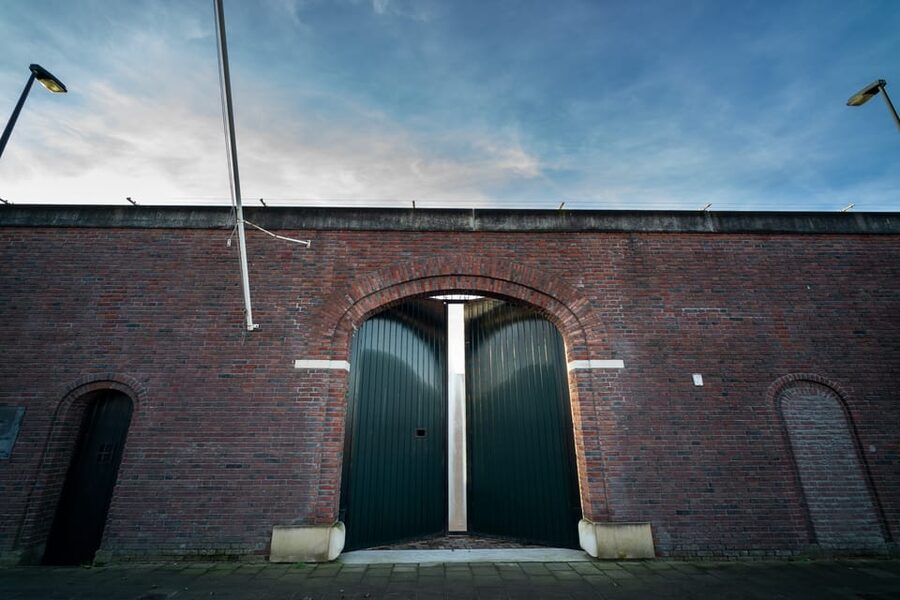
The Oranjehotel was the Nazi prison in the Netherlands where people suspected of resisting the occupation were detained. The building became a place of fear, uncertainty, hunger, and waiting. For some prisoners, it was only one stage before transfer elsewhere. For more than 250 people, it became their final destination.
That number matters because the museum does not present the war as a distant set of military events. It shows how occupation entered ordinary lives. A person could be arrested, separated from family, kept in insecure conditions, and left without knowing what would happen next. The exhibition also shows how the resistance grew, giving useful context to the people whose names and stories appear inside.
I appreciate this balance. The prison is not treated only as a place of death. You also learn about courage, shared support, religious faith, and the belief that freedom could return. That wider view keeps the visit from becoming a simple catalogue of suffering.
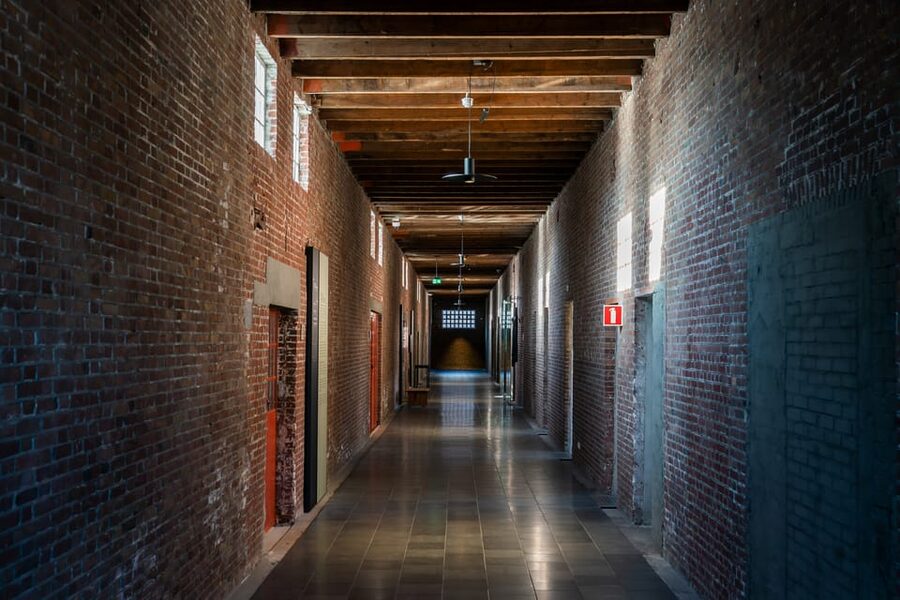
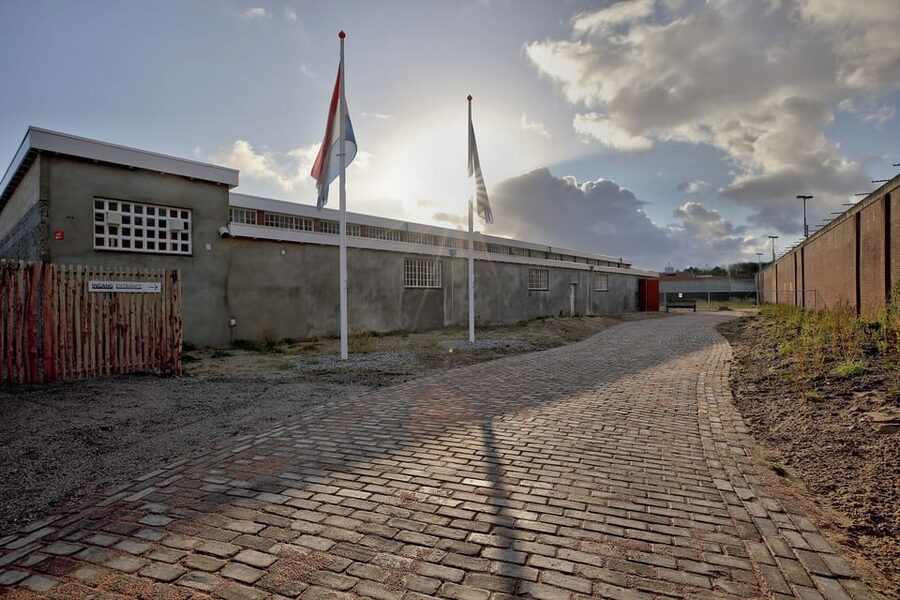
The building itself is part of the lesson. Instead of placing the subject safely behind polished museum walls, the memorial uses the former prison setting to show how confinement shaped daily life. Even the smaller scale helps. You are not swept through a giant collection. You stop, listen, and take in one account at a time.
More Jewish heritage and wartime walks in The Hague:
- Amsterdam: Life of Anne Frank and World War II Walking Tour
★ 4.8 · 10,467 reviews - Anne Frank Walking Tour Amsterdam Including Jewish Cultural Quarter
★ 5.0 · 1,879 reviews - Amsterdam: Dutch WWII Resistance Museum Entry Ticket
★ 4.7 · 951 reviews
Start with the audioguide and numbered route
There is no live guided tour. On arrival, staff provide the information needed to begin, and you follow the exhibition by numbered points with an audioguide. This format gives you control over the pace, which is useful in a memorial where some material deserves quiet attention.
The audioguide is available in English, Dutch, German, and French. The spoken material includes prisoner stories, interviews, and audio fragments, while photographs and documents give the accounts a visible connection to real people. I like this combination more than a wall of dates. You hear the human voice, then see the evidence that supports the story.
Plan to pause rather than rush from number to number. The exhibition asks you to read, listen, and reflect. A fast pass would give you the outline, but a slower visit gives you a better sense of how arrest, imprisonment, and uncertainty affected both prisoners and relatives.
The self-guided structure also has a small drawback. If you prefer to ask questions as you go, there is no guide walking beside you with extra explanation. Staff are described as friendly and helpful at the entrance, but the main interpretation comes through the audio and written displays.
Cell 601 brings the death sentences close
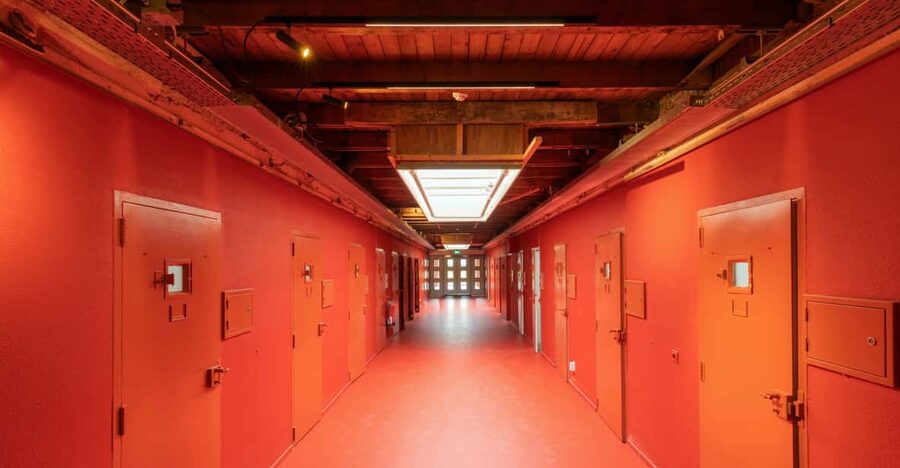
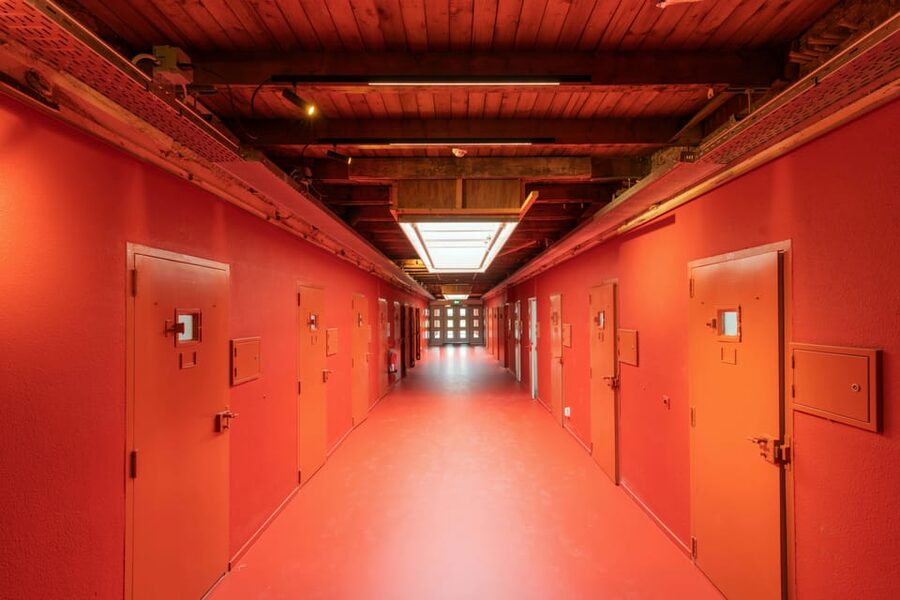
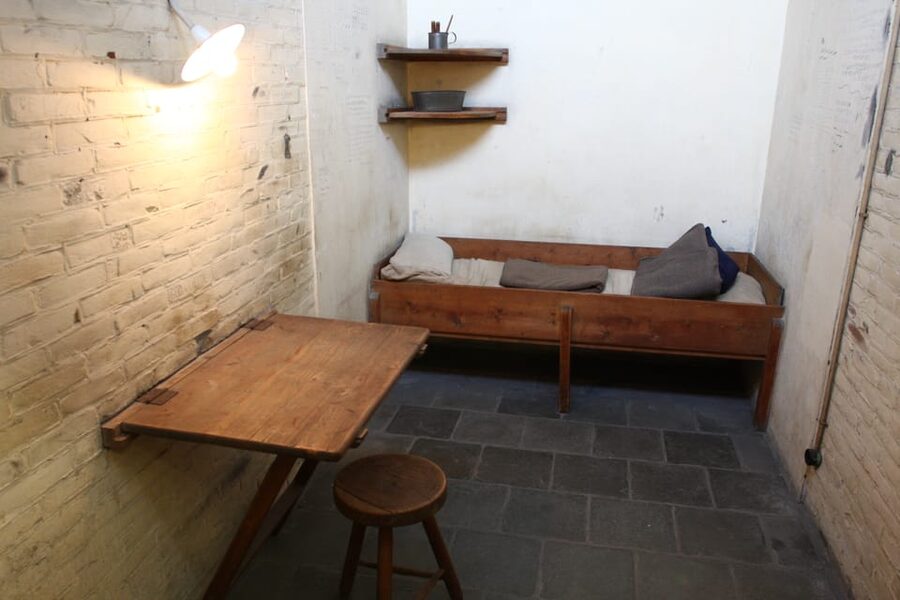
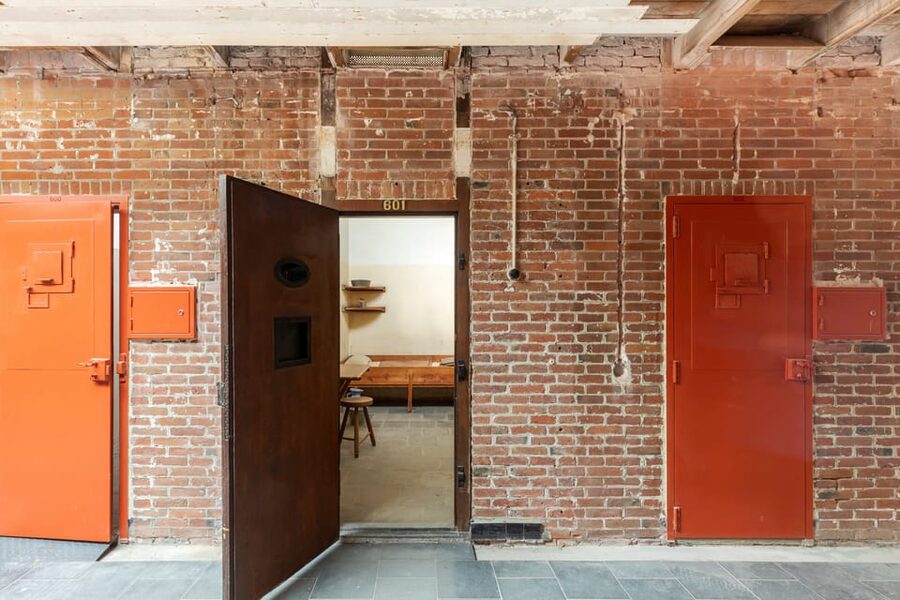
Cell 601 is the part most people will remember. You enter the notorious death cell, a stark space linked to the prisoners who were sentenced to execution. It is not a theatrical attraction, and that restraint is appropriate. The power comes from knowing what the room represented to the people held there.
The cell gives a physical shape to words such as fear and waiting. A document or photograph can explain an event, but a prison cell makes you consider the confined space and the uncertainty surrounding the prisoner. You are likely to spend less time here than in the wider exhibition, yet it may stay with you longest.
One useful point to keep in mind is that there is only one unchanged cell available to enter. If you expect to walk through a large number of preserved cells, the visit may feel limited. A few people have specifically wished that more cells had remained unchanged. The museum’s strength is its storytelling, not the number of rooms you can inspect.
Documents, photographs, and voices tell the wider story
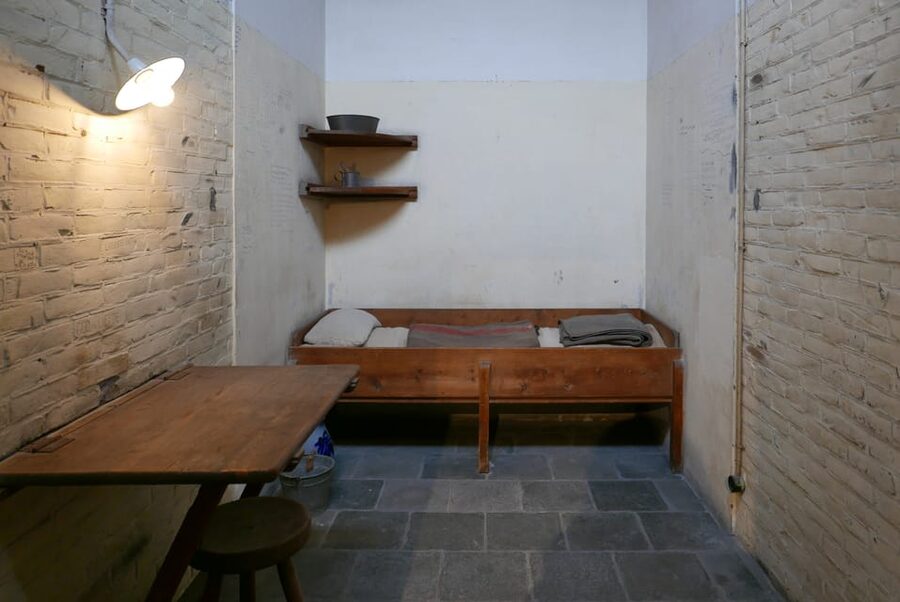
After the cell, the exhibition moves through the experience of imprisonment under occupation. You learn about hunger, insecurity, injustice, and the uncertainty faced by people who did not know if they would be released, transferred, or executed.
Photographs and documents help anchor the accounts. The material is not only about famous resistance figures. The focus includes men, women, and children who passed through the prison, along with the families left outside. That family angle is particularly useful because imprisonment did not end at the prison gate. Relatives faced fear, disrupted lives, and the long effects of losing someone to arrest or execution.
The recorded witness material gives the exhibition an intimate tone. You are not simply reading a general explanation of the occupation. You hear stories shaped by individual memory, including the emotional weight of waiting and the small signs of human support that helped people endure.
I also like the way the exhibition links the prison to later deportation and imprisonment. One person who had previously visited Sachsenhausen found the Oranjehotel helpful for connecting the Dutch experience with the wider Nazi prison system. You do not need prior knowledge of Sachsenhausen to understand the display, but the connection adds value if you have studied other wartime memorials.
A few more options to weigh up in The Hague
- The Hague: Mauritshuis Entrance Ticket
★ 4.7 · 2,706 reviews - The Hague: City Canal Cruise
★ 4.6 · 2,024 reviews - The Hague: Madurodam Miniature Park Entry Ticket
★ 4.6 · 1,559 reviews - The Hague: The Pier SkyView Ticket with Drink and Snack
★ 4.4 · 1,398 reviews
Resistance, solidarity, and the cost paid after liberation
The visit explains the rise of resistance in the occupied Netherlands. This gives the prison a political setting and shows why people were arrested. It also helps you see that resistance was not one simple, unified action. The exhibition presents a world of danger, difficult choices, and consequences.
Just as important, the story does not stop when the war ends. You learn about the effects on families and about consequences after the war. That wider time span makes the memorial more honest. Liberation did not instantly erase grief, missing relatives, disrupted homes, or the scars left by imprisonment.
Stories of solidarity and faith in freedom offer some relief within the difficult material. They do not soften what happened, but they show how prisoners and families kept a sense of humanity. I find that this is one reason the visit feels more meaningful than a display focused only on executions and Nazi policy.
The tone is respectful throughout. The exhibition allows time at each part, which is important when the content concerns real people rather than abstract statistics. You are encouraged to think, not entertained into moving on.
How the experience works for families
The Oranjehotel can work well for families, but you should prepare children for the subject before arriving. Families with children aged 6, 10, and 13 have found that the material held their attention and led to questions during the visit. An eight-year-old has also found it interesting.
That does not mean every young child will respond in the same way. The prison deals with death, fear, hunger, and injustice. Younger children may understand the basic story but need help discussing what they hear. Older children and teenagers are likely to gain more from the sections on resistance, freedom, and the effects on families.
I would give children permission to ask direct questions and allow them a quiet pause if the material becomes heavy. The self-guided format helps because you can move more slowly or spend less time at a difficult section. It also makes it possible to talk together afterward, perhaps over a meal or while continuing into The Hague.
For adults, the visit works best if you want history with a moral and human focus. It is not a light stop between shopping and sightseeing. You may leave thoughtful rather than cheerful, which is exactly right for a memorial of this kind.
Is $15 good value for the visit?
At $15 per person, the ticket is fairly priced for a specialized memorial with an audioguide. You get admission, the recorded interpretation, access to Cell 601, and the full exhibition route. There are no food or drinks included, but that is not a serious drawback for this type of attraction.
The value depends on what you want from a museum. If you measure value by the number of rooms, artifacts, or hours filled, the Oranjehotel may feel modest. One person described the experience as powerful but limited because there is not a great deal to see. That is a fair warning.
If you value clear interpretation, first-person accounts, and a preserved site connected to Dutch wartime history, the price makes sense. The material is presented with care, and you are free to spend the amount of time that suits you. The ticket is valid for one day, so you have flexibility around the available starting times, but the visit itself is best treated as a focused stop rather than a day-long attraction.
You can also cancel for a full refund up to 24 hours in advance, and the reserve-now-pay-later option keeps the booking flexible. Wheelchair access is available, which makes the site more practical for a wider range of visitors.
Allow time to think after leaving Cell 601
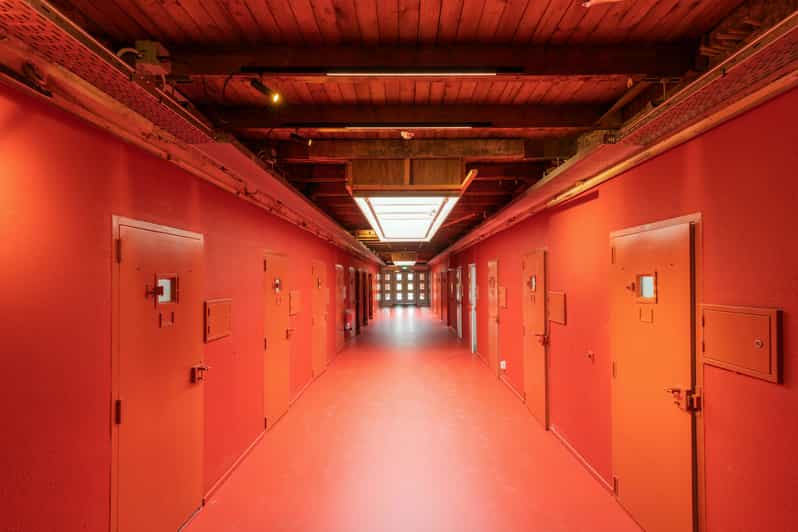
The exhibition is emotionally demanding, and you may want a little space afterward. One family paired the visit with tea and cake before cycling into The Hague. That is a sensible way to handle it: the memorial gives you the hard facts, then the city offers room to talk and reset.
Do not judge the experience by whether you had a lovely time. That is not the purpose here. A good visit should help you understand what imprisonment meant, how occupation changed daily life, and why freedom cannot be treated as an abstract idea.
The most praised qualities are the friendly welcome, the clear information, the careful preservation, and the emotional force of the personal stories. Those qualities matter more than size. The Oranjehotel succeeds because it makes the history of The Hague and the Netherlands feel close, specific, and human.
Should you book the Oranjehotel ticket?
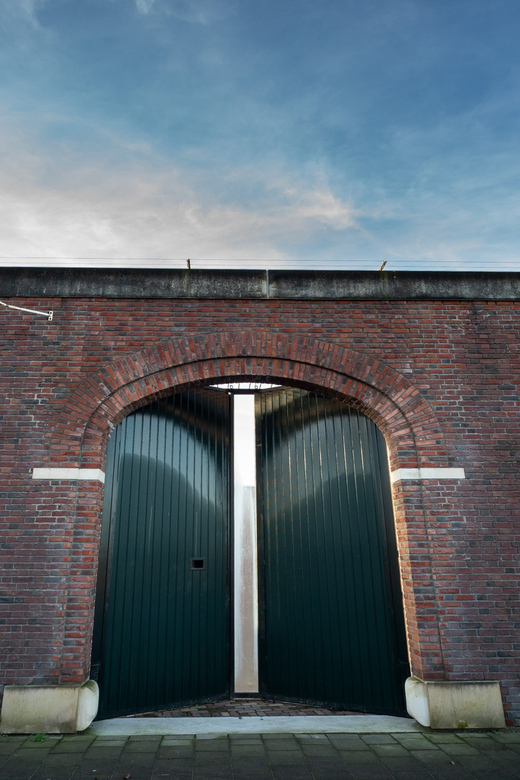
Book it if you want a serious, well-presented look at the Netherlands under Nazi occupation. I especially recommend it if you are interested in resistance history, have visited other wartime sites, or are traveling with older children and teenagers who can discuss difficult subjects.
Think twice if you want a large museum filled with many preserved prison rooms or a lively guided attraction. There is only one unchanged cell, and the experience relies heavily on the audioguide, documents, photographs, and spoken testimony.
For $15, this is a strong choice for a thoughtful visit in The Hague. Go slowly, listen closely, and leave time afterward for conversation. The Oranjehotel is not designed to entertain you. It is designed to help you remember people who faced injustice, fear, and imprisonment while holding on to hope and freedom.
FAQ
Where is the Oranjehotel located?
The Nationaal Monument Oranjehotel is at Van Alkemadelaan 1258, 2597 BP Den Haag, Netherlands.
How much does admission cost?
Admission costs $15 per person.
How long is the ticket valid?
The ticket is valid for one day.
Is an audioguide included?
Yes. An audioguide is included with admission.
Which audioguide languages are available?
The audioguide is available in English, Dutch, German, and French.
Is there a live guided tour?
No. You explore the memorial yourself with the audioguide and follow the numbered route.
Can I enter Cell 601?
Yes. The ticket includes access to Cell 601, the notorious death cell.
Is the Oranjehotel wheelchair accessible?
Yes. The experience is wheelchair accessible.
Can I cancel my booking?
Yes. You can cancel up to 24 hours in advance for a full refund. You can also reserve now and pay later.
Just added in The Hague
- The Hague Walking Tour★ 4.5 · 16 reviews
- The Hague: Powerboat Tour Scheveningen★ 4.5 · 15 reviews
- The Hague Tower Guided Tour★ 4.5 · 45 reviews
- The Hague: Private Boattour up to 10 persons★ 4.9 · 37 reviews
- The Hague: Private Custom Walking Tour With A Local Guide★ 4.5 · 13 reviews
- The Hague: Ping Pong Table Rental at a Secret Ping Pong Bar★ 4.5 · 7 reviews
- The Hague: Prison Gate Museum★ 4.5 · 58 reviews
- The Hague: One Way Boat Ticket to or from Delft★ 4.5 · 52 reviews
Jewish Heritage & WWII Tours, compared.

Life of Anne Frank and World War II Walking Tour
Read our review →
Anne Frank Walking Tour Amsterdam Including Jewish Cultural Quarter
Read our review →

Anne Frank and Jewish Quarter Amsterdam Private Walking Tour
Read our review →

Anne Frank and Jewish Quarter Walking Tour (TOP RATED)
Read our review →

Anne Frank and the Jewish History of Amsterdam Private Tour
Read our review →Browse the lists this tour appears in