
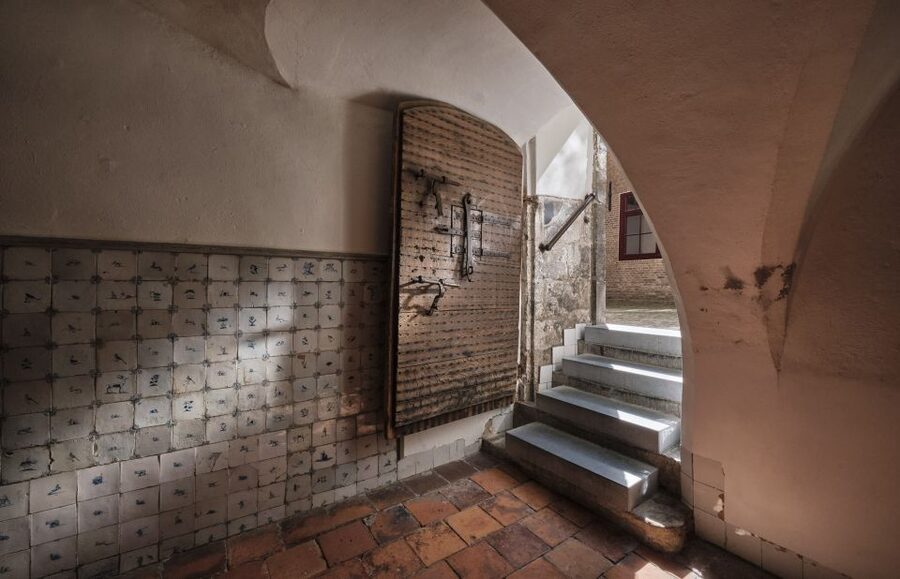
Review · MUSEUMS
The Hague: Prison Gate Museum
Dark stories live behind these walls. The Prison Gate Museum in The Hague lets you walk through a medieval gateway turned jail and courthouse, with old cells, punishment tools, and Dutch political drama packed into one compact visit. I like the carefully staged historical story and the chance to see where famous prisoners, including Johan and Cornelis de Witt, were held. I also like its central setting beside the Hofvijver.
The main drawback is simple: there is no guided tour included. You explore on your own, so the visit works best if you are willing to read, pause, and connect the exhibits to the building’s long story. At $18 per person, it is a fair buy for history fans, but a quick look may feel costly if you only have a passing interest in old prisons.
In This Review
- Key points to know before entering
- A medieval gateway beside the Hofvijver
- From city entrance to court of punishment
- Seeing the old cells up close
- The De Witt brothers and a darker chapter
- Torture and punishment tools
- A self-guided visit, not a guided tour
- Is $18 a fair price?
- Who will enjoy this museum most?
- Should you book the Prison Gate Museum?
- FAQ
- Where is the Prison Gate Museum located?
- How much does admission cost?
- Is a guided tour included?
- How long is the ticket valid?
- Can I cancel my booking?
- Can I reserve now and pay later?
- What is included with admission?
Key points to know before entering
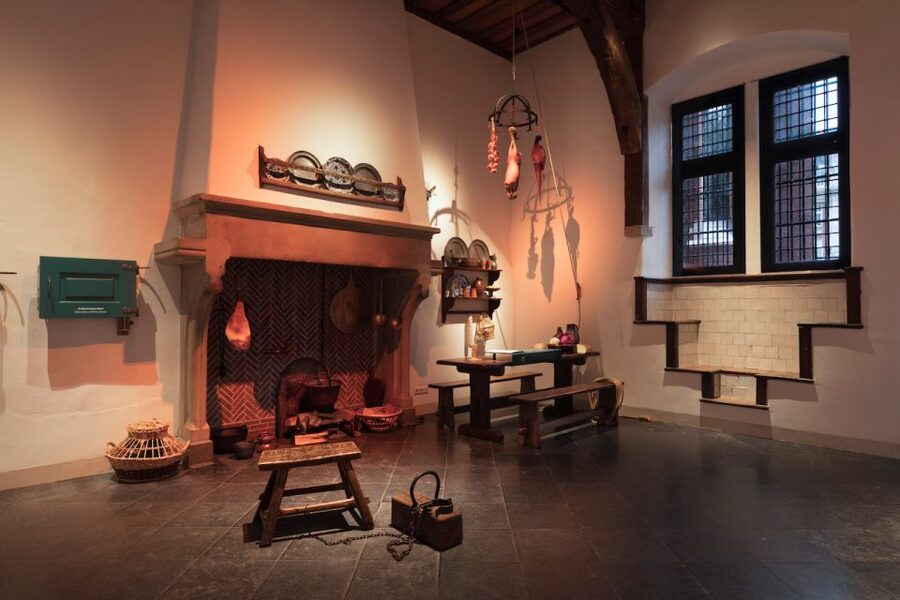
- A medieval gateway became a prison: The building first served as an imposing entrance to The Hague’s Binnenhof in the 13th century.
- Dutch history happened here: Johan and Cornelis de Witt were imprisoned here, linking the building to one of the country’s most dramatic political episodes.
- Cells and punishment tools are the focus: You can see old prison spaces and a national collection of torture and punishment instruments.
- The visit is self-guided: Entry is included, but a guide is not.
- The setting is especially good: The museum sits beside the Hofvijver, in the historic heart of The Hague.
- Booking is flexible: The ticket is valid for one day, and you can cancel up to 24 hours ahead for a full refund.
A medieval gateway beside the Hofvijver
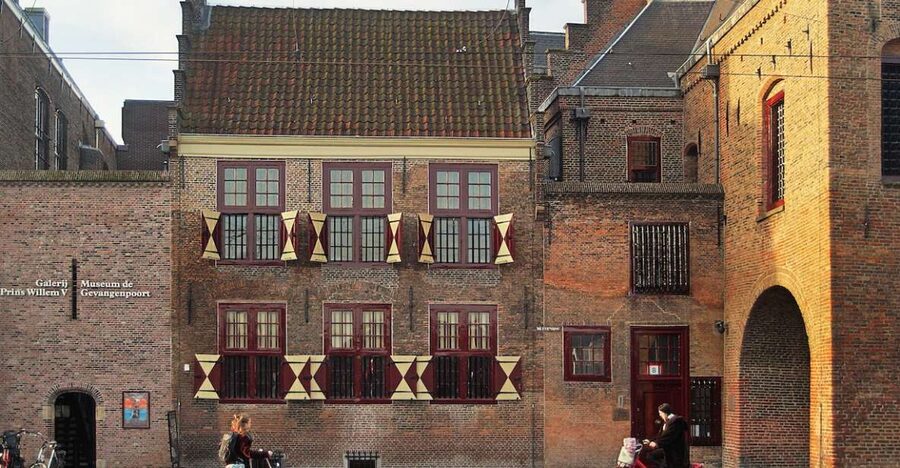
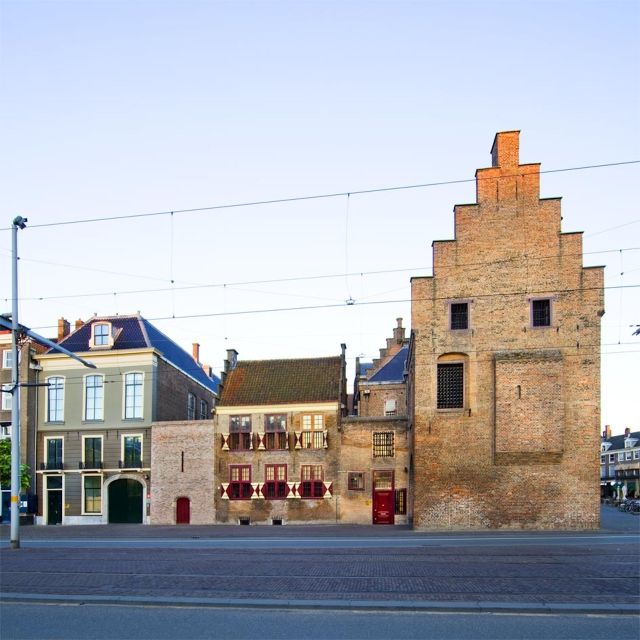
The Prison Gate Museum, known as Rijksmuseum de Gevangenpoort, occupies a building with a double life. In the 13th century, it formed the gateway to the Binnenhof, the political center of The Hague. Later, the same structure became a prison and courthouse used by the Hof van Holland.
That change gives the visit its punch. You are not looking at a prison built in isolation. You are moving through a former entrance to the center of Dutch power, then seeing how it was adapted for confinement, trials, and punishment.
The location beside the Hofvijver helps you place the museum in the city. The water and historic government buildings create a calm setting outside, while the subject inside is often grim. That contrast is part of the experience. You can be looking across one of The Hague’s most recognizable views, then turning your attention to locked doors, cramped cells, and old instruments of pain.
If you are already visiting the Binnenhof area, the museum is an easy addition. It also works well as a short history stop between other sights in central The Hague. The ticket is valid for one day, but the actual visit is best treated as a focused museum visit rather than an all-day activity.
More Museum Tours in The Hague
- The Hague: Escher in The Palace Museum Ticket
★ 4.6 · 896 reviews - Royal Delft: Delftblue Factory and Museum Admission Ticket
★ 4.5 · 145 reviews - The Hague: Panorama Mesdag Museum Entry Ticket
★ 4.8 · 143 reviews
From city entrance to court of punishment
The building’s first role matters because it explains its design and place in Dutch history. A gateway is meant to control movement. Once it became a prison and courthouse, that same sense of passage took on a darker meaning: people entered as suspects, debtors, or prisoners and waited to learn what would happen next.
The museum presents this change through the building itself. Instead of viewing objects in a modern gallery with no connection to their original setting, you see the cells and rooms where imprisonment and legal judgment were part of daily life.
The story centers on crime and punishment in earlier times. You learn how suspects waited for trial, how defaulters were imprisoned, and where verdicts were delivered. These details make the museum more useful than a simple display of old locks and tools. They show that punishment was tied to social rank, money, legal process, and political power.
One question the museum raises is whether poor and rich prisoners were treated in the same way. The answer is part of the visit’s appeal. The building helps you consider how justice worked when status could shape your treatment behind bars.
Because the experience is self-guided, you control the pace. You can move quickly through familiar material or slow down when the connection between a room and a historical event becomes clear. I would give yourself enough time to read the explanations rather than treating the museum as a quick photo stop.
Seeing the old cells up close
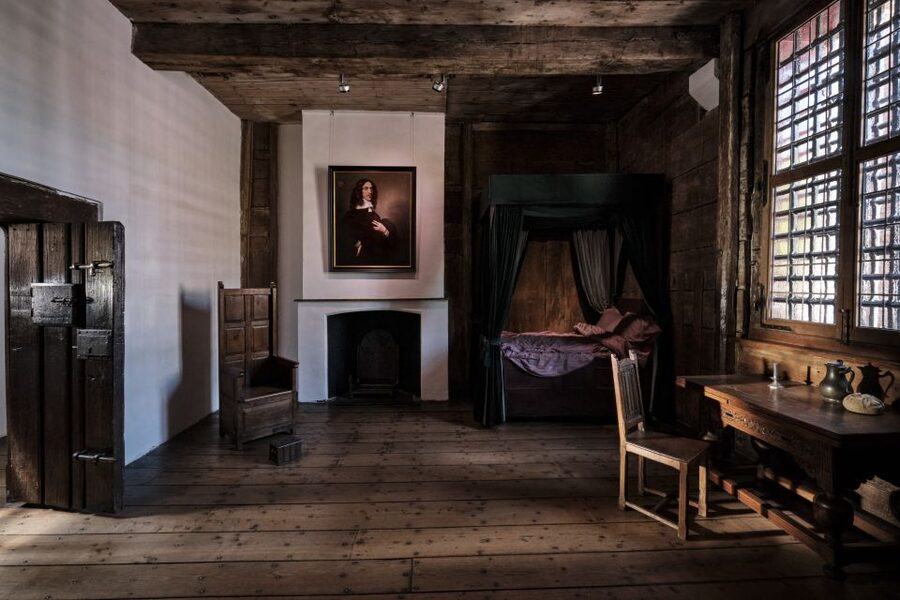
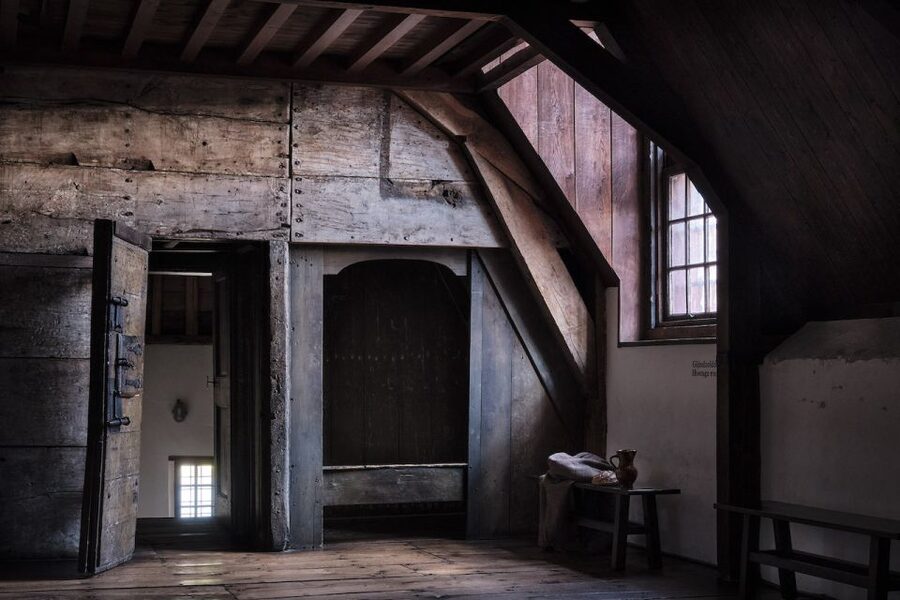
The centuries-old prison cells are the heart of the museum. They give the visit a physical edge that a book or city walking tour cannot match. You are not only learning that people were confined here. You can look at the spaces where prisoners waited, often with little control over what came next.
The cells also help explain the difference between a historical prison and a modern museum display. Their value comes from the rooms themselves, their position inside the old gateway, and the way they support the larger story of the courthouse.
You might find the atmosphere unsettling, especially if you focus on the uncertainty faced by prisoners awaiting trial. The museum does not need a large collection of decorative objects to make its point. The architecture and the confinement spaces do much of the work.
This part is particularly suitable for visitors who enjoy social history. You learn not just about rulers and grand buildings, but about suspects, debtors, prisoners, and the machinery of punishment. Families with older children may also find the cells easier to understand than a long political exhibit, though the subject matter can be grim.
The museum’s presentation has been described as appealing and clear, with the prison’s history told through a connected story. That storytelling approach is important in a building with many rooms. Without a guiding thread, old cells could blur together. A strong narrative helps you understand why each area matters.
The De Witt brothers and a darker chapter
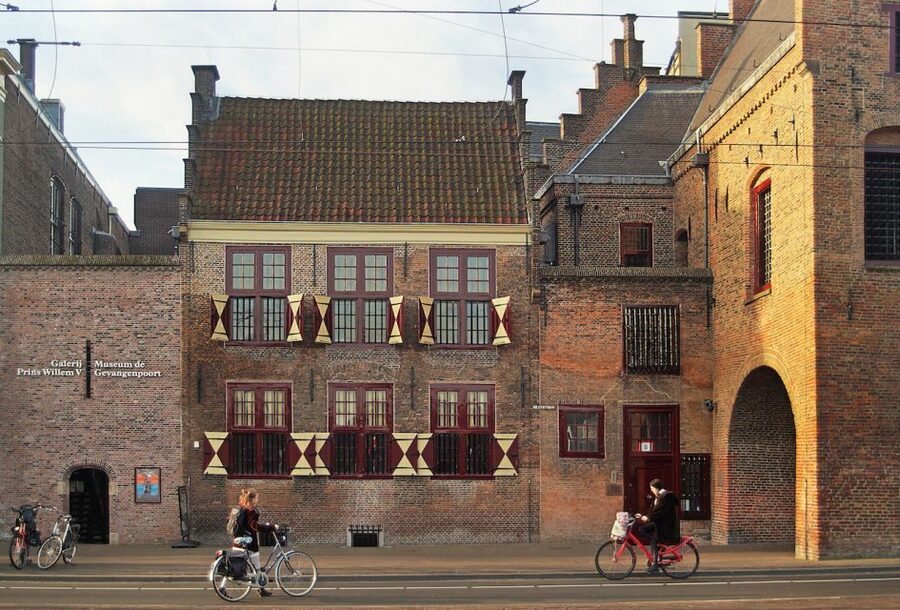
The museum is tied to the murder of Johan and Cornelis de Witt, two major Dutch political figures. Their imprisonment here makes the building more than a general example of old justice. It places you at a site linked to a major moment in national history.
You do not need to know every detail of Dutch politics before arriving. The basic point is enough to make the rooms feel more specific: important people were held here, and events connected to this prison had consequences far beyond its walls.
This is one of the strongest reasons to visit if you are studying The Hague’s political past. The city is often associated with government, diplomacy, and international law. The Prison Gate adds an earlier and more severe chapter, showing how authority, accusation, and public punishment once operated in the same historic center.
I like this connection because it turns an old building into a place of decisions and conflict. You are not simply touring a preserved structure. You are considering how law and politics affected real people, including figures who later became central to Dutch history.
The De Witt story may also be the part that makes the museum memorable after you leave. Old cells can be hard to distinguish from one another, but a specific historical event gives the building a clear identity.
A different kind of day out entirely:
- The Hague: Mauritshuis Entrance Ticket
★ 4.7 · 2,706 reviews - The Hague: City Canal Cruise
★ 4.6 · 2,024 reviews - The Hague: Madurodam Miniature Park Entry Ticket
★ 4.6 · 1,559 reviews - The Hague: The Pier SkyView Ticket with Drink and Snack
★ 4.4 · 1,398 reviews
Torture and punishment tools
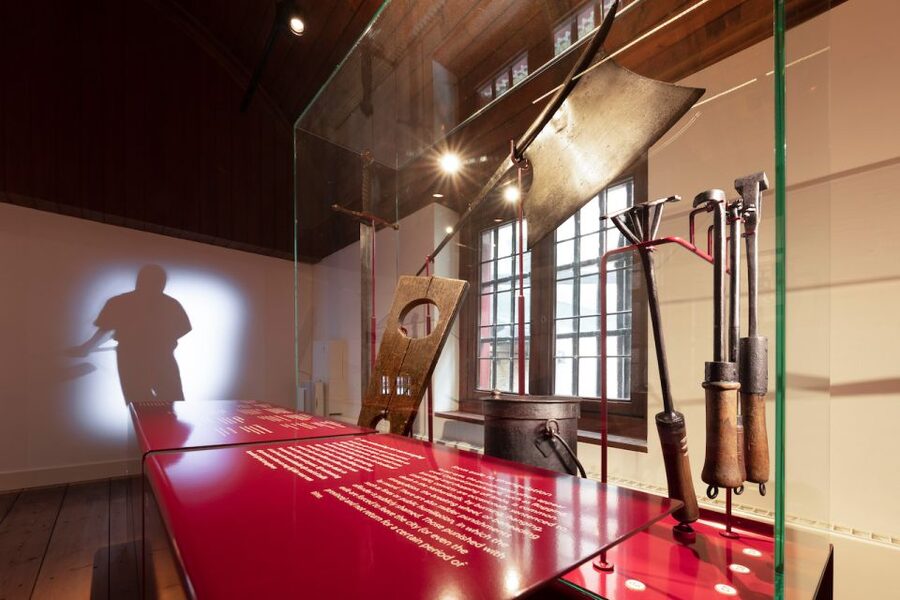
The museum also presents a national collection of torture and punishment instruments. This is the most confronting part of the visit, and it will not suit everyone.
The collection helps explain what punishment looked like before modern legal systems and prison standards developed. It also forces you to separate courtroom language from physical reality. A verdict was not merely a spoken decision. It could lead to harsh and painful consequences.
You should expect a serious presentation rather than a light attraction. The instruments are included because they show how justice was carried out, not because the museum is trying to make suffering entertaining. If you are sensitive to displays of violence, you may want to spend less time in this section.
For many visitors, the tools provide the clearest link between the legal process and the prisoner’s experience. The cells show confinement. The courthouse story explains judgment. The instruments show what punishment could mean once judgment was reached.
This section also gives the museum an educational purpose. You leave with a better sense of how ideas about crime, proof, punishment, and human treatment have changed. That is more valuable than simply seeing unusual objects behind glass.
A self-guided visit, not a guided tour
The ticket includes admission, Wi-Fi, and use of the wardrobe. It does not include food, drinks, or a guided tour. Most important, the experience is explicitly without a guide.
That setup gives you freedom, but it also places more responsibility on you. If you prefer a guide who explains context, answers questions, and sets the pace, this may feel less satisfying. If you like exploring independently, you can spend extra time with the parts that interest you most.
The museum’s story-based presentation helps offset the lack of a guide. Still, I would not rush. Read the explanations, notice how the rooms relate to the building’s former functions, and keep the De Witt brothers in mind as you move through the site.
The included Wi-Fi may be useful if you want to look up a name or historical reference while inside, but the main value comes from the physical building and displays. The wardrobe is practical, especially if you are carrying a coat or small items during a day of sightseeing.
There is no food or drink included, so plan to eat before or after your visit. That is not a serious problem in central The Hague, but it is worth remembering if you are arranging a full day around the museum.
Is $18 a fair price?
At $18 per person, the museum is reasonably priced for a historic site with preserved cells, a courthouse story, political connections, and a national collection of punishment instruments. The value is strongest if you enjoy history, architecture, or the darker side of legal culture.
The price is less attractive if you expect a long guided experience. There is no guide included, and the ticket covers entry rather than a full-day program with meals or other sights. You are paying for access to a significant building and its exhibits, not for a bundled tour.
I would compare it with the cost of other central attractions before booking, but I would not judge it by the number of hours alone. A short visit can still be worthwhile when the setting is this closely tied to Dutch history.
The flexible booking terms make the decision easier. You can reserve now and pay later, and cancellation is free up to 24 hours in advance. The ticket is valid for one day, so you can fit the visit around your plans once you know the available starting times.
Who will enjoy this museum most?
I would recommend the Prison Gate Museum to you if you like:
- Dutch political history and the story of the De Witt brothers
- Historic buildings with original functions
- Old prison cells and courtroom customs
- Museums about crime, law, and punishment
- Self-guided visits where you can set your own pace
- Compact cultural stops in the center of The Hague
You may want to skip it if torture displays make you uncomfortable or if you need a guide to explain every stage of a visit. The museum’s subject is serious, and the self-guided format rewards patience more than speed.
It is also a good choice for a rainy day in The Hague. The building gives you a focused indoor activity, while its position beside the Hofvijver keeps you close to the city’s major historic sights. You can combine it with a look at the Binnenhof area without turning the day into a long museum circuit.
The strongest feature is the combination of place and story. Many museums explain the past through objects alone. Here, the building itself was part of the process. You can see where people were held, learn how cases were handled, and connect the prison to a major Dutch political tragedy.
Should you book the Prison Gate Museum?
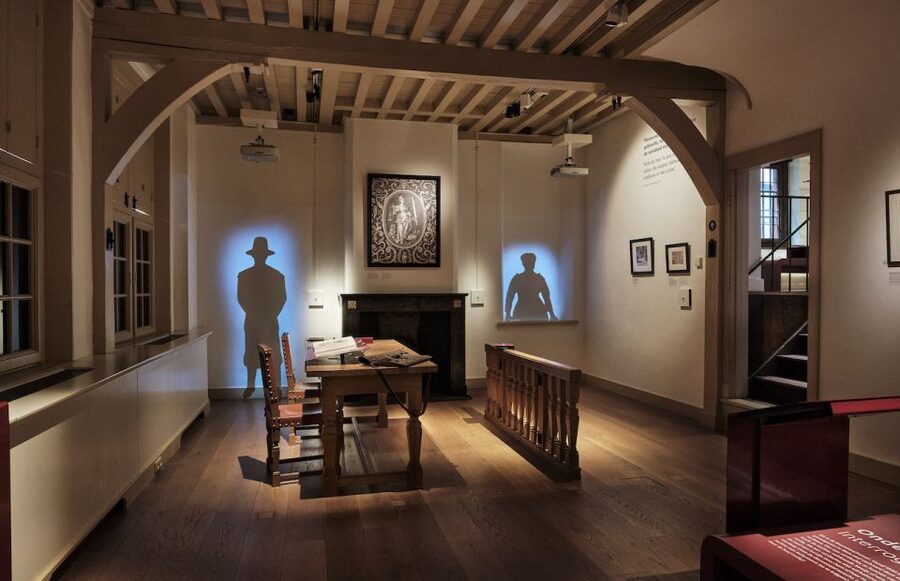
Book it if you want a focused, atmospheric history visit in The Hague and the themes of prison life, Dutch politics, and old punishment interest you. The preserved cells, the Hofvijver setting, and the De Witt connection give the museum more weight than a basic prison exhibit.
I would be more cautious if you want a guided tour or dislike difficult material. Since the ticket does not include a guide, you need to read and explore independently. For the right visitor, $18 is a fair price for a historic building that lets you encounter Dutch law and politics at close range.
FAQ
Where is the Prison Gate Museum located?
The museum is in The Hague, in South Holland, Netherlands. It is beautifully situated beside the Hofvijver.
How much does admission cost?
The listed price is $18 per person.
Is a guided tour included?
No. The experience is without a guide, and the guided tour is not included.
How long is the ticket valid?
The ticket is valid for one day. You should check availability for the available starting times.
Can I cancel my booking?
Yes. You can cancel up to 24 hours in advance for a full refund.
Can I reserve now and pay later?
Yes. The booking option allows you to reserve your spot and pay later.
What is included with admission?
Entry to the museum, Wi-Fi, and use of the wardrobe are included. Food and drinks are not included.
Just added in The Hague
- The Hague Walking Tour★ 4.5 · 16 reviews
- The Hague: Powerboat Tour Scheveningen★ 4.5 · 15 reviews
- The Hague Tower Guided Tour★ 4.5 · 45 reviews
- The Hague: Private Boattour up to 10 persons★ 4.9 · 37 reviews
- The Hague: Private Custom Walking Tour With A Local Guide★ 4.5 · 13 reviews
- The Hague: Ping Pong Table Rental at a Secret Ping Pong Bar★ 4.5 · 7 reviews
- The Hague: One Way Boat Ticket to or from Delft★ 4.5 · 52 reviews
- The Hague : Must-See attractions Private Walking Tour★ 4.8 · 9 reviews
Museums, compared.

Moco Museum Amsterdam Entrance Tickets with Banksy & More
Read our review →


Amsterdam’s Weirdest Museum: Believe It or Not!
Read our review →


Browse the lists this tour appears in