
Review · MUSEUMS
Amsterdam: National Holocaust Museum Entry Ticket
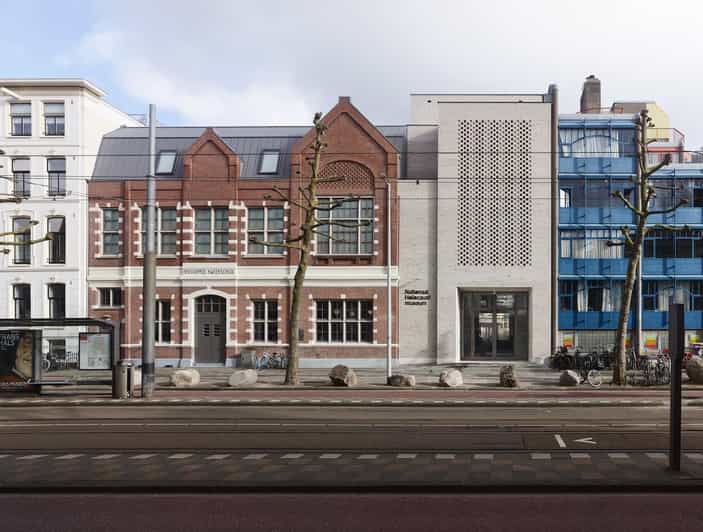
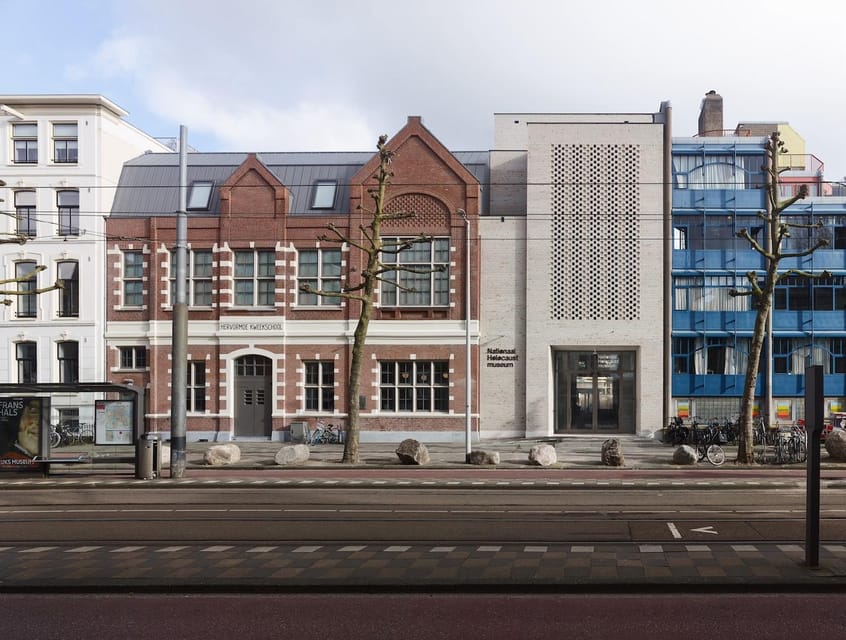
The past is impossible to ignore here. Amsterdam’s National Holocaust Museum uses the former Hervormde Kweekschool to explain how Jewish life in the Netherlands changed from ordinary and shared to persecuted and destroyed. I especially like the personal accounts and the way the museum gives victims recognizable faces. I also like that your ticket includes the nearby Hollandsche Schouwburg, turning one museum visit into a wider look at Amsterdam’s wartime history.
This is serious, slow-looking museum time, not a quick stop between canals and cafés. The displays contain a great deal of material, and some visitors may need several hours or a second visit to take it all in. The museum can also become crowded, with a few exhibits designed for only one or two people at a time.
In This Review
- Key points to know before you go
- Why the National Holocaust Museum matters
- Entering the former Hervormde Kweekschool
- Before the war: ordinary Jewish life in the Netherlands
- Persecution explained step by step
- Personal accounts, artifacts, and interactive displays
- The Hollandsche Schouwburg adds essential context
- How long should you plan?
- Crowds, signage, and the practical side
- Is $24 good value?
- Who will appreciate this visit most?
- My verdict: book it if you can make time
- FAQ
- Where is the National Holocaust Museum located?
- What does the museum cover?
- What is special about the Hervormde Kweekschool?
- Does the ticket include another site?
- How long is the ticket valid?
- How much does admission cost?
- Is the museum wheelchair accessible?
- Can you take photographs?
- Is an audio guide available?
Key points to know before you go
- The former Hervormde Kweekschool was a place where Jewish children were hidden and helped to escape.
- Your $24 ticket covers two important sites, the National Holocaust Museum and the Hollandsche Schouwburg.
- The museum explains daily Jewish life before the war, not only the years of Nazi persecution.
- Personal stories, artifacts, audio, and interactive holograms make the subject direct and human.
- Plan several hours, since the amount of reading and listening can be substantial.
- The ticket remains valid for seven days after first activation, giving you flexibility to split the visit.
Why the National Holocaust Museum matters
The museum tells the story of Jewish life in the Netherlands before, during, and after the Second World War. That wider frame matters. You do not begin with victims as statistics. You first see a society in which Jews and non-Jews lived alongside one another with the same rights.
That makes the later persecution easier to understand. The Nazi takeover did not arrive as one single event. Rights were removed step by step, systems were put in place, and Jewish people were isolated, gathered, deported, and murdered.
The museum explains that approximately six million Jews were killed across Europe during the Holocaust, also called the Shoah. In the Netherlands, about three-quarters of the Jewish population was murdered. Those figures are difficult to grasp on their own, so the museum keeps returning to individual people, families, children, and everyday lives.
I find that approach more useful than a museum that offers only dates and military movements. You are asked to consider what was lost, not just what happened.
More Museum Tours in Amsterdam
- Amsterdam: Van Gogh Museum Ticket
★ 4.7 · 52,054 reviews - Moco Museum Amsterdam Entrance Tickets with Banksy & More
★ 4.4 · 10,088 reviews - Amsterdam: The Upside Down Museum Entrance Ticket
★ 4.4 · 9,506 reviews
Entering the former Hervormde Kweekschool
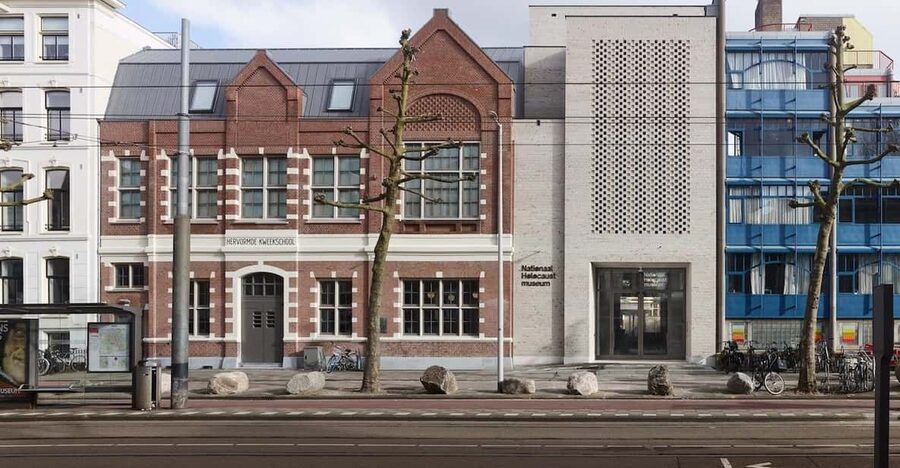
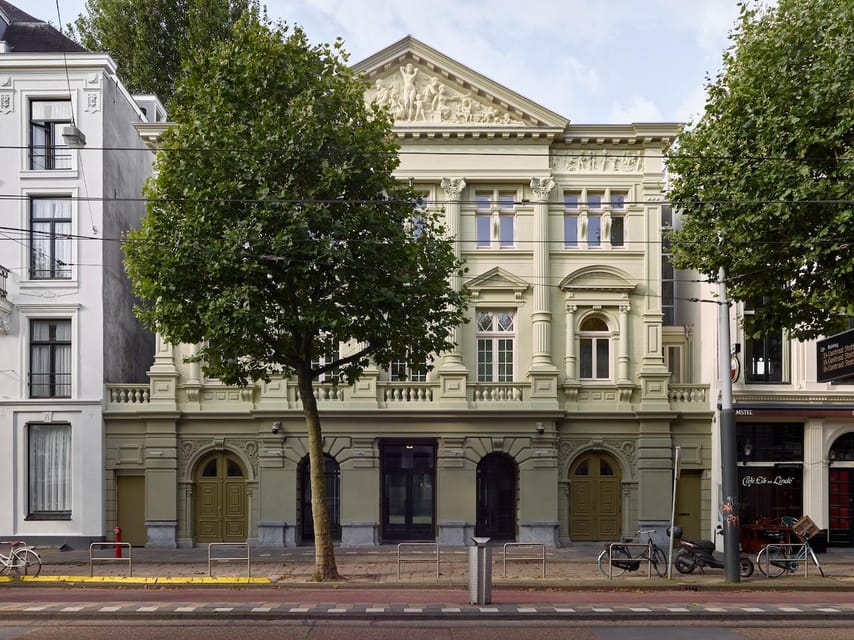
The museum occupies the former Hervormde Kweekschool, a building with a direct connection to the story it presents. During the occupation, the Nazis used an adjacent daycare as a gathering and deportation point for Jewish children.
The Kweekschool became part of an escape effort. Henriëtte Pimentel, the director of the daycare, helped hundreds of children get away, including through the school. That fact gives the building a particular weight. You are not simply looking at a neutral gallery space. The rooms are tied to the choices made by children, parents, staff, rescuers, and persecutors.
The museum uses this setting to show both danger and courage. It does not turn the rescue story into an easy tale of heroes and villains. The larger history remains painful, but the building helps you understand how small actions could matter when an entire system was designed to destroy Jewish life.
Allow time at this section. The building itself is part of the evidence, and rushing from label to label can make you miss that connection.
Before the war: ordinary Jewish life in the Netherlands
One of the strongest parts of the visit is the attention given to Jewish life before the war. The museum shows that Jewish people were not defined by persecution. They had homes, work, families, communities, religious practices, friendships, and daily routines.
This opening section gives you a needed point of reference. When you see how people lived before the occupation, the later loss feels personal rather than abstract. The story is not only about what the Nazis did. It is also about the lives and communities that existed before those crimes.
You may want to spend more time here than expected. It can be tempting to hurry toward the wartime material, but the ordinary details are important. They show Jewish Dutch life as part of Dutch society, with shared rights and connections between Jewish and non-Jewish neighbors.
The museum’s overall approach is direct. It presents the history without softening the crimes, yet it also avoids reducing people to symbols. That balance is one reason the exhibition has been praised for its sensitive handling.
Persecution explained step by step
The central story follows the Nazi persecution of Jews in the Netherlands during the Second World War. The museum shows how discrimination became organized and how bureaucracy helped produce mass murder.
You will encounter written explanations, photographs, personal accounts, and objects. The material covers the removal of rights, the separation of Jewish people from the rest of society, the gathering of children, and the deportations that followed.
The value here is in seeing the process rather than only the final horror. The exhibition makes clear that atrocity depended on a series of decisions and systems. That lesson gives the museum present-day importance without needing dramatic presentation.
Several visitors have found the displays emotional and sobering. That is fair warning, especially if you are visiting with children or if Holocaust museums are difficult for you. The museum does not treat the subject as entertainment. You should expect a quiet, serious visit.
A different kind of day out entirely:
- Amsterdam Classic Saloon Boat Cruise with Drinks and Cheese
★ 5.0 · 31,825 reviews - Amsterdam Luxury Canal Cruise + Unlimited Drinks & Bites option
★ 5.0 · 30,518 reviews - Amsterdam: Heineken Experience Ticket
★ 4.6 · 30,055 reviews - Amsterdam: Rijksmuseum Entry Ticket
★ 4.7 · 25,535 reviews
Personal accounts, artifacts, and interactive displays
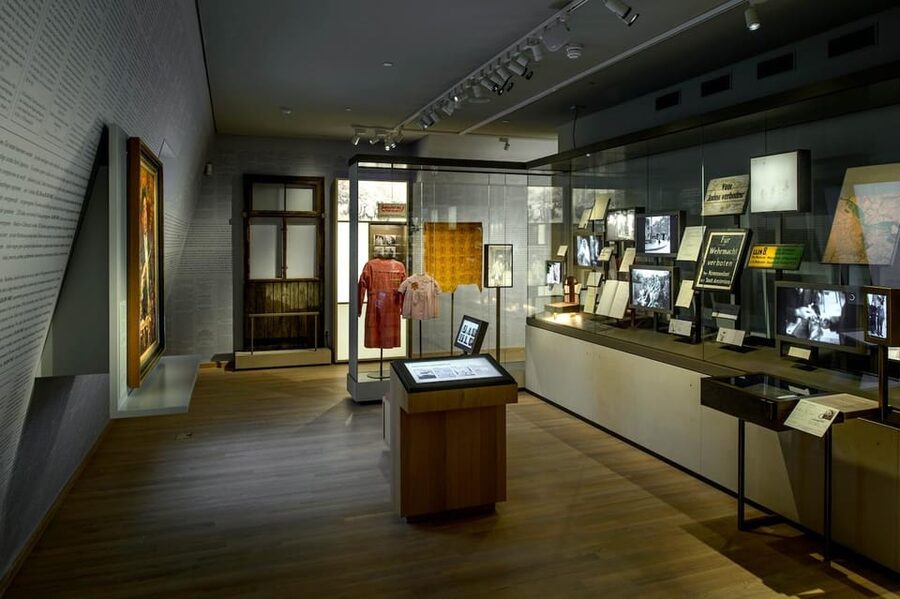
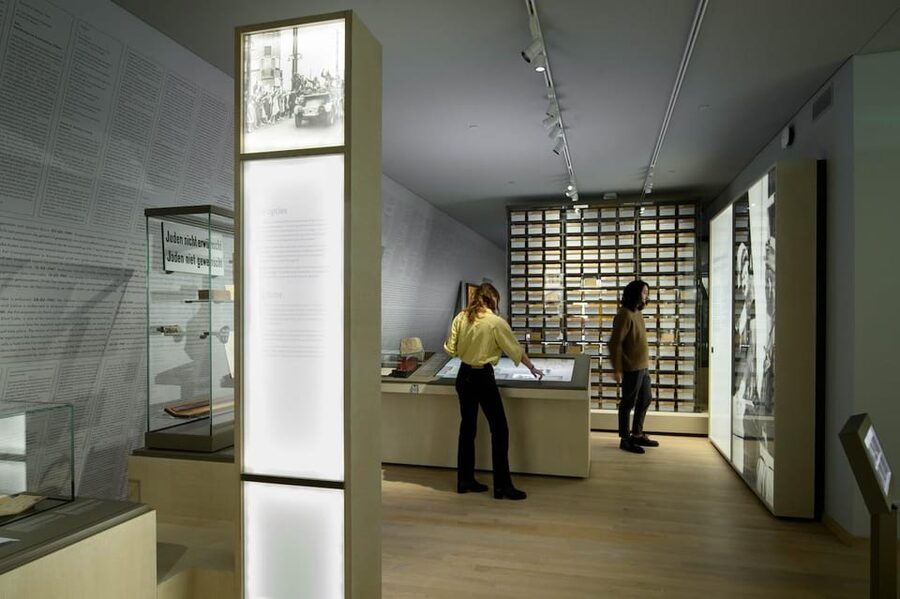
The museum gives victims recognizable faces. Personal stories help you connect the large numbers to real people, and the artifacts offer physical reminders of lives interrupted.
The layout has been praised for being clear and well organized. Labels and explanations are generally easy to follow, and the audio guide adds useful detail as you move through the galleries. One practical warning: an audio account has sometimes switched from English to Dutch, so check the language if the narration changes unexpectedly.
Interactive holograms are another memorable feature. They allow you to ask questions and receive answers from recorded subjects. This can make the history feel unusually immediate, but it also adds to the amount of information you are processing.
That quantity is both a strength and a weakness. You will find plenty to read, watch, and hear, but you may not absorb it all in one pass. I would rather see a museum offer too much serious material than too little, yet you should plan your energy sensibly.
The Hollandsche Schouwburg adds essential context
The ticket also includes entry to the Hollandsche Schouwburg National Holocaust Memorial. This is not a minor extra. It gives you a second location connected to the persecution and deportation of Jews in Amsterdam.
Seeing both places helps you understand the citywide scale of the events. The National Holocaust Museum focuses on Jewish life, persecution, rescue, and memory. The Hollandsche Schouwburg adds another site of remembrance and helps connect the museum’s story to Amsterdam itself.
You do not have to force both visits into one rushed afternoon. Because the ticket is valid for seven days after first activation, you can split them across your stay. That flexibility is especially useful because the main museum contains enough material to fill several hours.
If your schedule allows only one short museum stop, this combined ticket may be harder to use well. If you can give the subject proper time, the two locations work better together than either would as a hurried visit.
How long should you plan?
The stated ticket validity is seven days from first activation, but that does not mean the museum itself is a seven-day activity. It means you can use the included access over that period, rather than completing everything in one visit.
For the National Holocaust Museum, I would reserve at least half a day if you want to read labels, listen to the audio, and pause at the personal accounts. Several people have needed hours, and one person had to leave before finishing because the museum was closing.
Pay attention to the closing time. A visitor was asked to leave at 4:58 p.m., with little or no extra buffer. Do not arrive near the end of the day and expect to see the entire exhibition.
The museum café has also been praised, making it a useful place to pause if you need time to process what you have seen. A break can help, especially if you are visiting both sites.
Crowds, signage, and the practical side
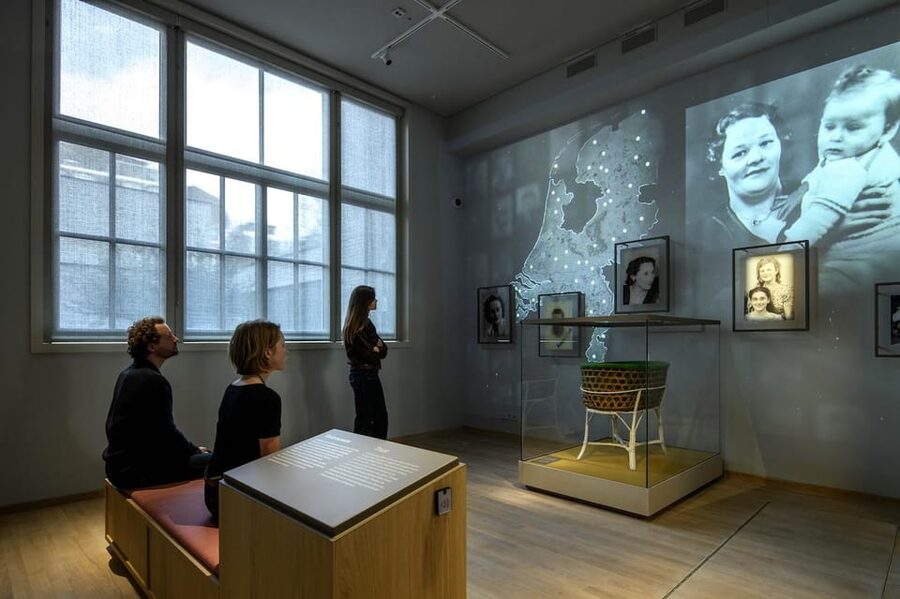
The museum is wheelchair accessible, and photography is allowed. Please keep your camera use respectful, particularly around personal artifacts, portraits, and memorial material.
Signage has not worked perfectly for everyone. The route can be unclear in places, and some displays are designed for only two people at a time. During busy periods, you may need to wait or choose to move on and return later.
The admission system also does not appear to remove all crowding. A booked time slot may not mean that every gallery is quiet or that you will have unlimited time before closing. Give yourself extra time and avoid treating the slot as a strict short appointment.
Staff are frequently described as friendly, passionate, and helpful. That makes a difference in a museum dealing with difficult material. Still, this is not a guided tour, so you should expect to move through the exhibition at your own pace rather than follow a guide from room to room.
Is $24 good value?
At $24 per person, the price is fair if you plan to visit both included sites and spend several hours with the material. You are paying not only for entry to one exhibition, but also for access to the Hollandsche Schouwburg and the option to spread the visits over seven days.
The value depends on how you use the ticket. A quick walk through the museum would make the price feel less convincing because the exhibition is built for careful reading and listening. If you give it half a day and add the second memorial site, the admission becomes easier to justify.
The audio guide and interactive features add value, especially if you want more explanation than the wall text provides. The personal accounts and artifacts also make the visit more substantial than a simple display of dates and photographs.
You should also consider the emotional cost in terms of time and attention. This is not a light attraction to fit between shopping and a canal cruise. The museum deserves a clear place in your day.
Who will appreciate this visit most?
I recommend it to anyone who wants to understand the Holocaust in the Netherlands through Dutch Jewish life, local places, and personal stories. It suits adults, students, history readers, and families who are ready for a serious museum visit.
It is also a good choice if you want more than a general account of the Second World War. The focus on Dutch Jews, the Hervormde Kweekschool, Henriëtte Pimentel, and the Hollandsche Schouwburg gives the experience a specific Amsterdam setting.
Families should think about age and temperament before visiting. The subject is painful, and the exhibition is detailed. Younger children may find the material difficult, though the right family conversation can make the visit meaningful.
You may want a different plan if you have only an hour, dislike extensive reading, or prefer museums with a lighter tone. The displays are carefully presented, but the history itself cannot be made easy.
My verdict: book it if you can make time
I would book this ticket if you want a serious and well-presented account of Jewish persecution in the Netherlands. The strongest reasons are the historic building, the personal stories, the clear presentation of how persecution developed, and the inclusion of the Hollandsche Schouwburg.
Go early enough to avoid a closing-time squeeze, and plan several hours rather than trying to race through. If the exhibition feels like too much in one sitting, use the seven-day validity to return or visit the second site on another day.
At $24, it is worthwhile for a thoughtful visit. It is not a casual Amsterdam attraction, but it is an important one, and the museum’s direct approach gives you plenty to consider long after you leave.
FAQ
Where is the National Holocaust Museum located?
It is in Amsterdam, in North Holland, at the former Hervormde Kweekschool.
What does the museum cover?
It covers Jewish life in the Netherlands before the Second World War, the persecution of Jews during the occupation, the liberation, and the way the Holocaust has been handled in Dutch national memory culture.
What is special about the Hervormde Kweekschool?
The building was connected to the rescue of Jewish children. The adjacent daycare was used as a gathering and deportation point, while Henriëtte Pimentel helped hundreds of children escape, including through the Kweekschool.
Does the ticket include another site?
Yes. The ticket includes entry to the Hollandsche Schouwburg National Holocaust Memorial.
How long is the ticket valid?
The ticket is valid for seven days from first activation.
How much does admission cost?
The listed price is $24 per person.
Is the museum wheelchair accessible?
Yes, the museum is wheelchair accessible.
Can you take photographs?
Yes, photography is allowed. You should use your camera respectfully, particularly around memorial displays and personal artifacts.
Is an audio guide available?
An audio guide is available and has been praised for providing useful information throughout the museum. Check the language if an account unexpectedly switches from English to Dutch.
Just added in Amsterdam
- Private Tour Zaanse Schans Windmills and Volendam in Jaguar★ 5.0 · 10 reviews
- Windmills-Volendam-Giethoorn Private Tour in Jaguar★ 5.0 · 2 reviews
- Half-Day Private Guided Sightseeing Tour of Zaanse Schans★ 5.0 · 14 reviews
- Zaanse Schans and Giethoorn Unique Day Trip with Boat Cruise★ 4.5 · 17 reviews
- Best of Netherlands: Zaanse Schans Mills, The Hague & Rotterdam★ 4.5 · 10 reviews
- Zaanse Schans Private Tour Windmills★ 5.0 · 18 reviews
- Zaanse Schans Windmills Edam Volendam and Marken from Amsterdam★ 5.0 · 1 review
- Zaanse Schans Edam Volendam Private Day Tour from Amsterdam★ 5.0 · 3 reviews
Museums, compared.
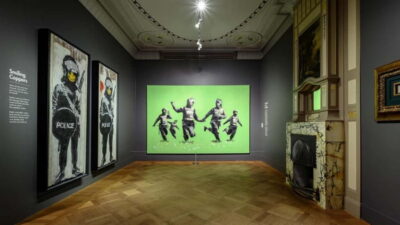
Moco Museum Amsterdam Entrance Tickets with Banksy & More
Read our review →


Amsterdam’s Weirdest Museum: Believe It or Not!
Read our review →
Browse the lists this tour appears in