
Review · EINDHOVEN TOURS
Eindhoven: journey to the future
Eindhoven makes tomorrow walkable. I like the tour’s focus on human-centered city design and its lively link between Philips, modern architecture, technology, and daily life. I also like that it is private, so your group can ask questions and set a calm pace. The main drawback is the price: at $285.94 per person for about three hours, this is a costly walking tour, especially for a solo visitor.
The route is strongest when you enjoy ideas as much as landmarks. Guide Anna, also written as Anya in one account, is praised for an informed, warm presentation and an easy pace. You will hear about Eindhoven’s industrial past, its design schools, modern art, and famous inventions, but you should expect a conversation-led city walk rather than entry into a series of museums.
In This Review
- Key points to know before booking
- Starting at Eindhoven Central Station
- The Lichttoren and the city of light
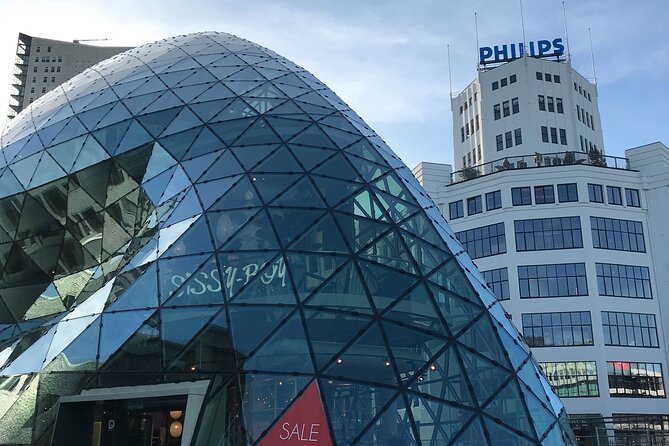
- De Blob and Eindhoven’s unusual future
- Philips, Einstein, and affordable museum access
- Hotel Mariënhage and the city’s older layer
- Design Academy Eindhoven in 30 thoughtful minutes
- Modern art, rival industrialists, and the Van Abbemuseum connection
- Industrial Eindhoven becomes a creative city
- What the three-hour format feels like
- Is $285.94 per person a fair price?
- Who should book this Eindhoven walk?
- FAQ
- How long does the Eindhoven tour last?
- Where does the tour begin?
- Where does the tour end?
- Is this a private tour?
- What language is offered?
- Are museum tickets, snacks, coffee, or tea included?
- Can I cancel for a full refund?
- Should you book this tour?
Key points to know before booking
- Philips shapes the whole story: The tour connects the Lichttoren, Witte Dame area, industrial buildings, and Eindhoven’s modern identity.
- Design is treated as a way of living: You will discuss public space, sustainability, well-being, and how cities can serve people better.
- The route is private: Only your group participates, giving you more room for questions and discussion.
- The pace is calm but content-heavy: Expect history, architecture, technology, museum access, and local personalities in roughly three hours.
- The meeting point is easy to reach: Begin at Monkey Coffee NS Eindhoven beside Eindhoven Central Train Station.
- The price needs careful thought: It may suit a small group sharing the cost, but it is expensive for a short walking experience.
Starting at Eindhoven Central Station
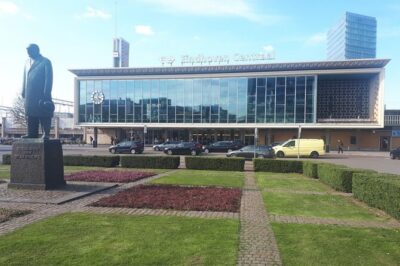
The tour begins at Monkey Coffee NS Eindhoven, at Stationsplein 22-13, directly by Eindhoven Central Train Station. That is a practical meeting point if you arrive by rail or are staying near the center. The activity also ends back at the same meeting point, so you will not need to work out a new return route.
The opening discussion asks a useful question: what does a city designed around people look like? Instead of treating Eindhoven as a collection of buildings, the guide introduces it as a place where urban planning, work, transport, public space, and quality of life fit together.
You will spend about 15 minutes here. That is not long, but it gives the rest of the walk a clear purpose. I like this beginning because it encourages you to watch how the city functions, not simply photograph it.
The tour presents Eindhoven as an attractive place to live, with attention to how planners think about human needs. Since the activity is private, you can ask the guide to explain a point in more depth or keep moving if your group has already found its bearings.
A few more options to weigh up in Eindhoven
- Eindhoven: Motion Experience Light Art Playground Ticket
★ 4.0 · 168 reviews - Vught: National Monument Concentration Camp Entry Ticket
★ 4.6 · 137 reviews - Eindhoven: PSV Stadium Museum Entry Ticket
★ 4.1 · 101 reviews
The Lichttoren and the city of light
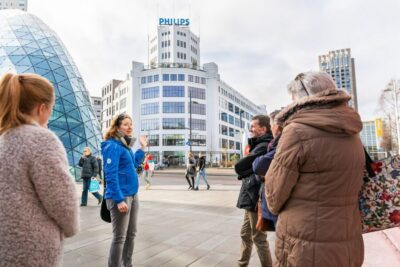
From the station, the route moves to the Lichttoren, one of the clearest reminders of Eindhoven’s Philips past. The stop lasts about 15 minutes and centers on a playful question: why is Eindhoven known as the city of light?
There are several possible answers. Philips became famous through its work in lighting and electrical products. The Lichttoren itself gives the city a literal light tower in the center. The tour also touches on the idea that Eindhoven’s glow can be seen from far above, adding a touch of scale to an otherwise local story.
This is a good example of the tour’s method. You do not just hear that Philips mattered. You are encouraged to connect industry, architecture, branding, and the way a city tells its own story.
The nearby Philips area also includes the Witte Dame, the company’s former headquarters, and De Admirant, a tall glass-and-steel building. These buildings help you see the change from factory city to design and technology center.
De Blob and Eindhoven’s unusual future
At De Blob, the tour turns from industrial memory to tomorrow’s possibilities. The building was designed by Massimiliano Fuksas and has a sharp, shell-like form made from solid and transparent materials. It is used as a shopping center, but its real value on this walk is architectural.
You will talk about 3D printing, solar-powered cars, and possible directions for human technology. The point is not to predict the future with certainty. It is to show how Eindhoven has made experimentation part of its public identity.
I find this section appealing because De Blob is easy to dismiss as an odd building if you see it without context. With an explanation, its shape becomes part of a wider discussion about new materials, changing cities, and the line between useful design and visual spectacle.
The stop is listed at about 15 minutes. That should be enough to discuss the building and its setting, but not enough for a long architectural study. If you are especially interested in design, ask questions here. The private format gives you a better chance to turn a short stop into a useful conversation.
Philips, Einstein, and affordable museum access
Between the named stops, the guide adds stories about Philips inventions and the time Albert Einstein visited Eindhoven. These details give the company a more human scale. You are not just following the rise of a large manufacturer. You are hearing how one local business helped draw major scientific and cultural attention to the city.
The Philips story also supplies a useful bridge to the Dutch museum system. The tour explains how people living in the Netherlands can visit major museums in Amsterdam as well as small local heritage museums without paying the full cost each time.
That subject matters because museum expenses can quickly reshape a trip. Even if you are only in Eindhoven for a short visit, understanding the country’s museum access system may help you plan later stops across the Netherlands. The tour does not include museum admission, but the advice can be practical for anyone building a longer rail-based itinerary.
One important limit: the supplied details do not promise entry into a Philips museum or any other museum. Treat this part as guided interpretation and local advice, not as an admission visit.
A different kind of day out entirely:
- Eindhoven: Philips Museum Entry Ticket
★ 4.3 · 95 reviews - Eindhoven: Next Nature Museum Entry Ticket
★ 3.9 · 83 reviews - Eindhoven: Bottle Distillery Tour and Tasting Experience
★ 4.9 · 74 reviews - Eindhoven: City Center Walking Tour
★ 4.7 · 43 reviews
Hotel Mariënhage and the city’s older layer
Hotel Mariënhage Eindhoven provides a sharp change of mood. The modern hotel and fine-dining setting occupy a former abbey with origins reaching back to the 13th century.
The stop lasts about 15 minutes. That is enough to point out the contrast between old religious foundations and new hospitality uses. You will see how a historic building can receive a new purpose without being treated as a frozen monument.
This is one of the tour’s most effective ideas: Eindhoven’s future is not presented as a rejection of its past. The city keeps reworking old spaces for modern life. An abbey becomes a hotel and restaurant, while former Philips buildings become places for conferences, exhibitions, work, and coffee.
You may not spend much time inside the property, and the tour does not include food or a restaurant visit. Snacks, coffee, and tea are not included. Still, this stop can help you decide where to return later if you want a meal or a closer look.
Design Academy Eindhoven in 30 thoughtful minutes
The longest named stop is Design Academy Eindhoven, with about 30 minutes devoted to the school and its approach. This is the intellectual center of the tour.
The academy is known for encouraging students to question normal design habits. Its favorite concerns include sustainability, well-being, quality of life, public spaces, and environmentally responsible living. The examples are deliberately unusual. Graduation projects have included bags made from cow stomachs and ideas about using plants to create organs compatible with the human body.
Those examples may sound strange at first. That is exactly the point. The academy treats design as a tool for asking difficult questions about materials, health, consumption, and the future rather than simply making attractive products.
I like this stop because it gives you a way to understand Eindhoven beyond Philips. The city’s current identity is not only about electronics or sleek buildings. It also comes from people willing to test ideas that may look impractical, uncomfortable, or even bizarre before they become useful.
The tour does not state that you will enter the academy or attend a graduation show. You should expect an explanation of the school and its influence from outside or within the route’s public spaces, depending on the guide’s arrangements. If you are visiting during a design event, ask whether any public exhibitions fit your schedule, but do not assume admission is part of this booking.
Modern art, rival industrialists, and the Van Abbemuseum connection
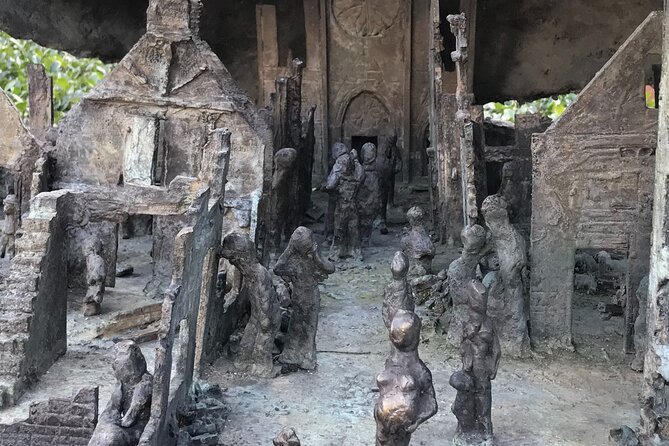
Another portion of the walk explains how Eindhoven became home to one of the Netherlands’ most influential museums of modern art and design. The story is tied to the passion of a local captain of industry and his rivalry with other industrial figures.
This gives the city’s cultural life a personal edge. Museums do not appear by magic. They often grow from money, ambition, competition, and a strong desire to shape how a city sees itself.
The tour’s information connects this cultural story to the broader Philips era. Industry created wealth and influence, while personal rivalries helped direct some of that energy toward art and design. For you, this makes the museum less of an isolated cultural stop and more of a piece in Eindhoven’s larger transformation.
The museum itself is discussed, but admission is not included in the tour details. If you want to visit it independently, keep that separate from the three-hour walking plan.
Industrial Eindhoven becomes a creative city
The final major section asks you to respect Eindhoven’s industrial heritage. With extra walking, you can see buildings that have become city icons and follow the change from an industrial center into a creative and technology-led city.
The description uses a memorable transformation: an industrial duck becoming a creative swan. The phrase is lighthearted, but the idea is serious. Eindhoven has not simply erased its factories and replaced them with shiny new towers. Its old buildings remain part of the city’s character, even as their uses change.
The Philips district is especially important here. You may see the Witte Dame, former industrial buildings, De Admirant, the Lichttoren, and De Blob as parts of one connected story rather than separate photo stops.
The final segment lasts about 30 minutes, with the option to walk farther. This is where comfortable shoes matter most. The tour is described as a walking experience, and the extra route may be worth it if your group enjoys architecture and urban change. If you prefer a short, low-effort outing, tell the guide early so your expectations match the plan.
What the three-hour format feels like
The listed stops add up to a substantial amount of explanation: roughly 15 minutes at the station, 15 at the Lichttoren, 15 at De Blob, 15 at Hotel Mariënhage, 30 at Design Academy Eindhoven, and 30 on the industrial heritage section. The full activity lasts about three hours, allowing time for walking and the shorter connecting stories.
This is not a rapid checklist of Eindhoven sights. The guide spends time explaining why places matter. That makes the experience a good fit for you if you enjoy asking questions and connecting architecture to economics, science, art, and daily life.
The calm pace is a real advantage. One account describes the experience as peaceful because the walk does not feel rushed. Another praises the guide’s ability to make the city’s past and present understandable. Anna is also credited with telling personal stories, which can make the tour feel more like a thoughtful walk with a local than a memorized speech.
The tradeoff is density. You will encounter many subjects in a short period: Philips, Einstein, lighting, urban planning, museums, design education, industrial reuse, and future technology. If you want detailed access to each site, three hours will not be enough. If you want a strong first framework for understanding Eindhoven, the format works better.
Is $285.94 per person a fair price?
At $285.94 per person, this is expensive for a three-hour city walk. The price is easier to justify for a small private group that values a tailored discussion, especially if the cost is shared among several people and group discounts apply.
The tour includes a guide, but not snacks, coffee, tea, museum admission, or other stated extras. You are paying for the private format, the guide’s preparation, and the chance to shape the conversation around your interests.
I would compare it with the value of your time. If you have only a few hours in Eindhoven and want a clear explanation of why the city matters, the tour may save you from piecing together Philips buildings, design institutions, and industrial sites on your own. If you are comfortable exploring independently, the price may feel too steep.
The strongest value comes for visitors interested in architecture, technology, design, urban planning, or Philips. It is less compelling if you mainly want major interiors, shopping, food, or a long list of standard sightseeing stops.
Who should book this Eindhoven walk?
I would recommend it to you if you enjoy cities that are still changing. It suits design students, architecture fans, technology enthusiasts, museum lovers, and curious first-time visitors who want more than a quick look at the central square.
It also works well for a private family group or a few friends who prefer a calm pace. The guide can focus on the subjects your group finds most interesting, though the supplied details do not promise a fully customized route.
You may want to skip it if you need a budget activity, if you dislike walking, or if you expect extensive indoor visits. Since the tour ends back at the station and stays near public transport, it is easy to fit before or after a train journey, but it remains a discussion-based walk rather than a full museum program.
Free cancellation is available if you cancel at least 24 hours before the local start time. Changes or cancellations made later are not accepted for a refund.
FAQ
How long does the Eindhoven tour last?
The tour lasts approximately three hours, including the walking time between stops and the guided discussions.
Where does the tour begin?
It begins at Monkey Coffee NS Eindhoven, Stationsplein 22-13, 5611 AC Eindhoven, Netherlands, in front of Eindhoven Central Train Station.
Where does the tour end?
The activity ends back at the same meeting point.
Is this a private tour?
Yes. Only your group participates in the activity.
What language is offered?
The tour is offered in English.
Are museum tickets, snacks, coffee, or tea included?
No. The listed inclusions cover a guide only. Snacks, coffee, tea, and museum admission are not included.
Can I cancel for a full refund?
Yes, if you cancel at least 24 hours before the experience start time. Cancellations made less than 24 hours in advance are not refunded.
Should you book this tour?
Book it if you want Eindhoven explained as a living experiment in industry, design, and city planning. The Philips story, the Lichttoren, De Blob, Design Academy Eindhoven, Hotel Mariënhage, and the industrial buildings all make more sense when linked together.
I would be more cautious at $285.94 per person if you are traveling alone or mainly want sightseeing on a budget. For a small group that values private guiding and thoughtful conversation, it can be a useful introduction to a city that rewards context. For everyone else, compare the cost with exploring the center independently and reserving your museum money for a separate visit.
Just added in Eindhoven
- Roermond Self Guided Sherlock Holmes Murder Mystery Game★ 4.5 · 3 reviews
- e-Scavenger hunt Den Bosch: Explore the city at your own pace★ 4.5 · 37 reviews
- Discover the best spots in Eindhoven with Outside Escape★ 4.5 · 40 reviews
- Discover the best spots in Den Bosch with Outside Escape★ 5.0 · 28 reviews
- Eindhoven: Guided bicycle tour of the Highlights of Eindhoven★ 5.0 · 27 reviews
- Eindhoven Private Walking Tour With A Professional Guide★ 5.0 · 1 review
- e-Scavenger hunt Roermond: Explore the city at your own pace★ 4.5 · 16 reviews
- e-Scavenger hunt Eindhoven: Explore the city at your own pace★ 4.5 · 28 reviews
Eindhoven Tours, compared.

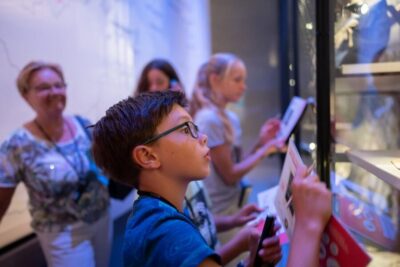
Vught: National Monument Concentration Camp Entry Ticket
Read our review →
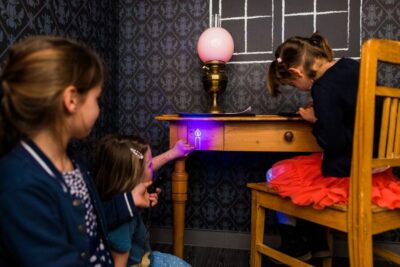
Discover the best spots in Eindhoven with Outside Escape
Read our review →Browse the lists this tour appears in