
Review · MUSEUMS
Eindhoven: Philips Museum Entry Ticket
Light bulbs changed Eindhoven forever. The Philips Museum shows how one small factory grew into a global technology company, using old products, hands-on displays, and a former lightbulb plant from 1891 to tell the story. I especially like the clear company timeline and the mix of practical inventions with social change. The main caution is that this is a museum visit, not a guided tour, so visitors who want a personal expert narrative may find the audio tour more useful than the displays alone.
The museum also gives you more than a look backward. Its brAInpower exhibition explores artificial intelligence, while temporary displays may add subjects such as football and Philips design. I like that the ticket includes scheduled activities and the Torchlight Treasure Hunt, though some popular activities, including the Museum Kids Factory and Mission Eureka group game, are not included.
In This Review
- Key points at a glance
- Why the old lightbulb factory matters
- Following the Philips timeline from light to television
- Gerard Philips and the company’s early direction
- From household products to healthcare technology
- brAInpower and the future of artificial intelligence
- Temporary exhibitions, football, and changing displays
- Audio tour, scheduled activities, and the Torchlight Treasure Hunt
- How much time and value should you expect for $14?
- The best way to plan your visit
- Who will enjoy the Philips Museum most?
- Should you book the Philips Museum ticket?
- FAQ
- Where is the Philips Museum located?
- How much does admission cost?
- How long is the ticket valid?
- Is the Philips Museum wheelchair accessible?
- Is a guided tour included?
- Which languages are available for the audio tour?
- What activities are included with admission?
- Are Mission Eureka and Museum Kids Factory included?
- Can I pay with cash at the museum?
Key points at a glance
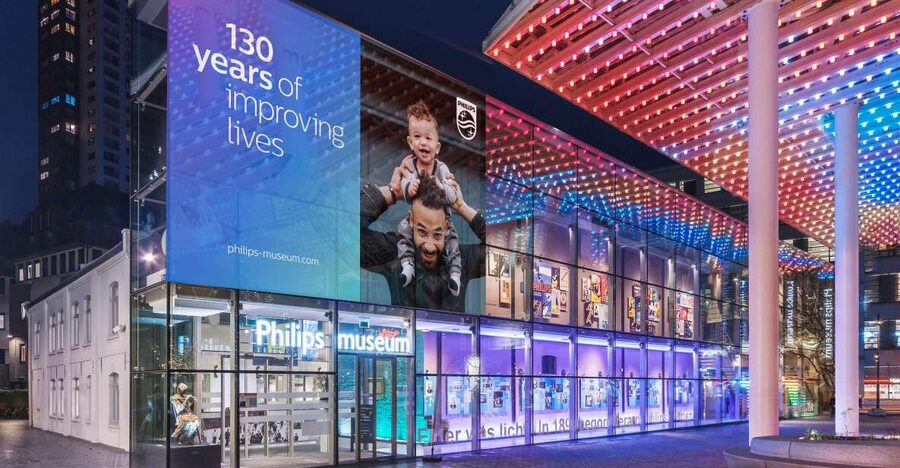
- See the original 1891 setting: The museum occupies a former lightbulb factory, giving Philips’ early story a real place rather than a generic gallery.
- Follow products through time: A company timeline connects electric light, radio, television, digital technology, and modern healthcare.
- Meet Gerard Philips: Displays offer a glimpse into the founder’s ideas, decisions, and working world.
- Look ahead with brAInpower: The AI exhibition links Philips’ past inventions with questions about technology’s future.
- Use the included extras: Audio tours, scheduled activities, temporary exhibitions, lockers, and a Torchlight Treasure Hunt are part of the admission.
- Plan for a self-guided visit: No guided tour is included, and food, drinks, Mission Eureka, and Museum Kids Factory cost extra or are unavailable with this ticket.
Why the old lightbulb factory matters
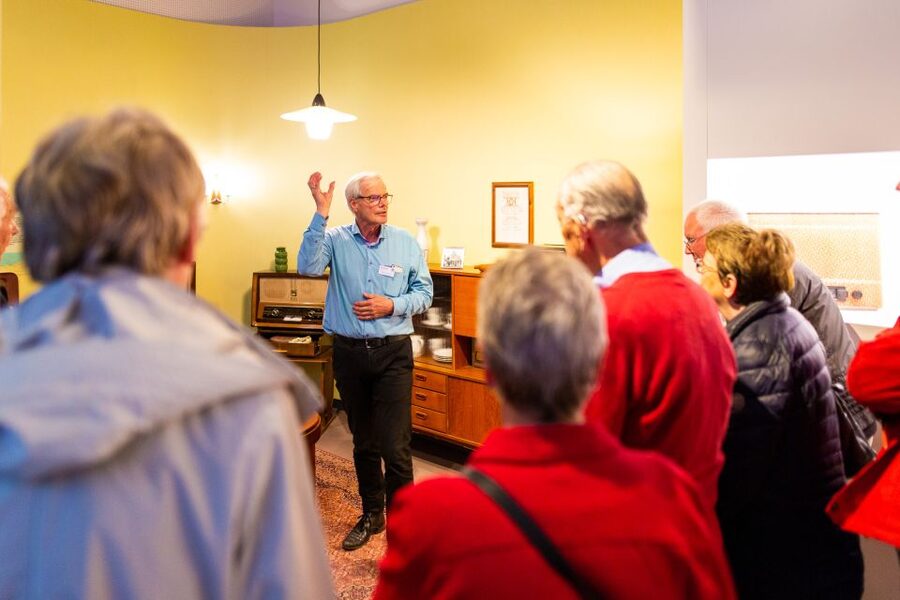
The Philips Museum is not housed in a purpose-built modern box. It occupies a lightbulb factory built in 1891, the place where Philips began making its name through electric lighting. That setting gives the opening part of the visit a useful sense of scale: you are not simply looking at an old bulb in a glass case. You are seeing the kind of industrial setting that helped change daily life.
Electric light is easy to take for granted now. The museum’s early displays help you consider what it meant when reliable electric lighting began spreading through homes, workplaces, and public spaces. The subject is practical rather than abstract. Philips technology affected how people worked, read, communicated, and spent their evenings.
I find this historical starting point important because the museum is really about more than products. It is about how inventions alter ordinary routines. The displays trace that change step by step, making the story easier to follow even if your knowledge of Philips begins and ends with light bulbs, televisions, or electric toothbrushes.
The building also gives the visit a clear beginning. You travel back to 1891, then move forward through Philips’ development. That simple structure helps keep the museum from feeling like a random collection of household objects.
More Museum Tours in Eindhoven:
- Eindhoven: PSV Stadium Museum Entry Ticket
★ 4.1 · 101 reviews - Eindhoven: Next Nature Museum Entry Ticket
★ 3.9 · 83 reviews - Amsterdam: Van Gogh Museum Ticket
★ 4.7 · 52,054 reviews
Following the Philips timeline from light to television
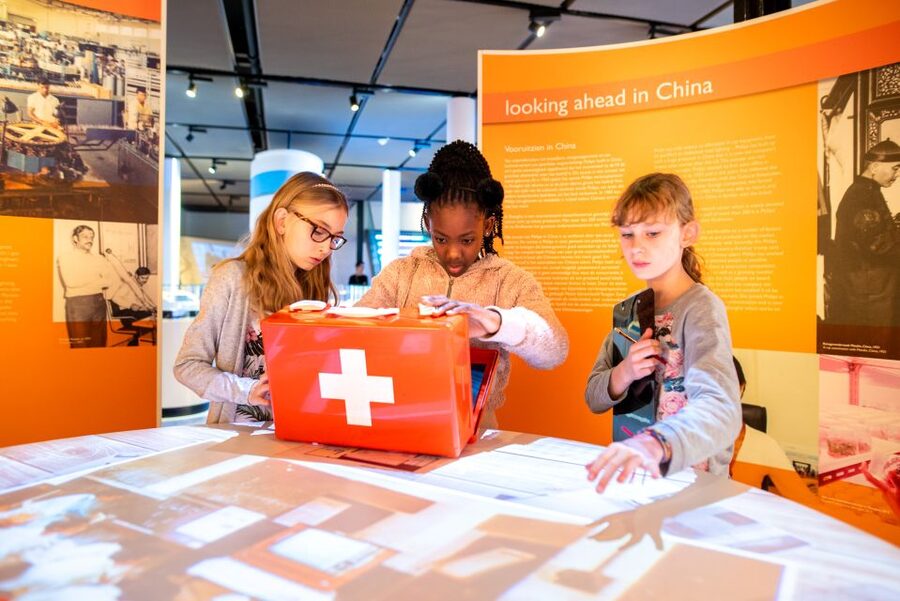
The company timeline is the backbone of the museum. You move through Philips’ story in sequence, seeing how one invention led into another period of technical and social change. This works well for visitors who prefer a clear narrative instead of isolated displays.
The early focus is electric light and the production of light bulbs. From there, the museum follows Philips into radio, television, and the beginning of the digital age. Each stage shows a company responding to changing habits and new forms of communication.
Radio is especially useful in the story because it marks a shift from technology that simply improves the home to technology that brings news, entertainment, and voices into it. Television pushes that change further. Philips products became part of how families experienced events and entertainment without leaving home.
The museum’s treatment of these products is likely to trigger memories, even if you did not grow up with the exact models on display. Older radios, televisions, and other Philips inventions show how quickly everyday technology can move from cutting-edge to old-fashioned. That contrast gives the displays some humor. Yesterday’s futuristic device can look surprisingly bulky beside today’s pocket-sized technology.
I like the way this sequence connects objects to society. You are not only asking what a product did. You are also considering how it changed behavior. That makes the museum more engaging than a simple catalogue of Philips products.
The drawback is that anyone expecting a full technical breakdown of every invention may want more detail than the main displays provide. The museum’s strength is its broad story, from industry to daily life. If you want highly specialized engineering information, use the audio tour and allow enough time to read the supporting material.
Gerard Philips and the company’s early direction
The museum gives attention to Gerard Philips, one of the company’s founders. This section helps put a person behind the name and offers a glimpse into his thoughts and actions as Philips developed.
That human angle matters. Large companies can seem impersonal when you only see logos, products, and dates. Learning about Gerard Philips makes the early period easier to understand as a series of choices made by real people working with new technology and uncertain markets.
You should pay attention to how the founder’s role fits into the wider story. The museum does not present Philips as a company that appeared fully formed. Instead, it shows a business that kept changing as technology, communication, and consumer needs changed around it.
For me, this is one of the more useful parts of the visit for understanding Eindhoven. Philips was not just a brand headquartered somewhere else. Its early work helped shape the city’s identity and its connection with technology.
The founder displays are also a good reason to avoid rushing through the opening rooms. If you walk straight to the most interactive material, you may miss the context that makes the later sections more meaningful.
From household products to healthcare technology
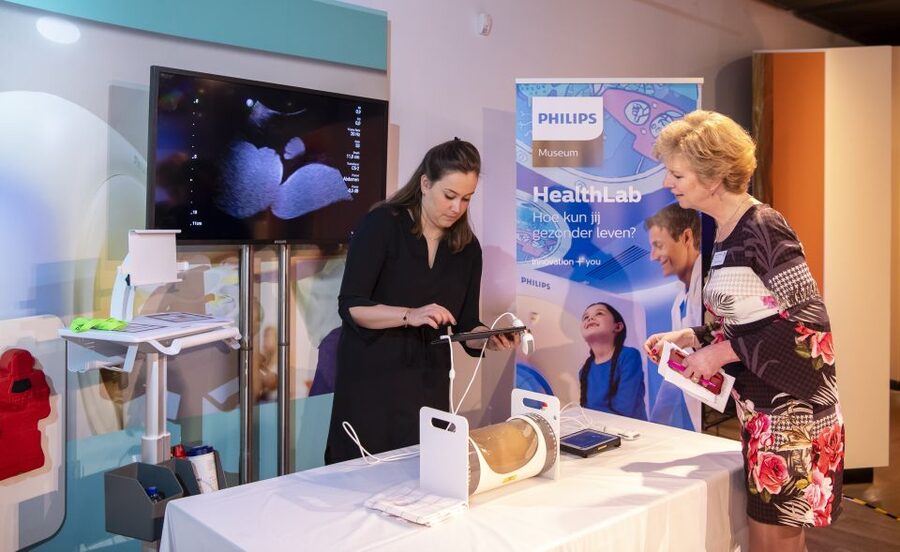
Philips’ story does not stop with domestic electronics. The later displays explain how the company moved toward major innovations in healthcare. This shift gives the museum a modern ending and shows how a familiar consumer brand changed its direction.
The transition from household products to healthcare is worth noting because it reflects a wider pattern in technology. A company may begin with one practical need, then apply its research and manufacturing experience to problems that affect hospitals and patient care.
The museum presents Philips as a company that keeps reinventing itself. The point is not simply that Philips made many products. The larger idea is that innovation only matters when it responds to a real change in people’s lives.
You may find this section less immediately nostalgic than the radios and televisions. That is part of its value. The older objects invite recognition, while the healthcare material asks you to think about where Philips fits today.
The museum’s stated goal, improving people’s lives, links the early lightbulb work with current healthcare technology. That connection gives the visit a consistent theme, even as the products themselves change.
A few more options to weigh up in Eindhoven
- Eindhoven: Motion Experience Light Art Playground Ticket
★ 4.0 · 168 reviews - Vught: National Monument Concentration Camp Entry Ticket
★ 4.6 · 137 reviews - Eindhoven: Bottle Distillery Tour and Tasting Experience
★ 4.9 · 74 reviews - Eindhoven: City Center Walking Tour
★ 4.7 · 43 reviews
brAInpower and the future of artificial intelligence
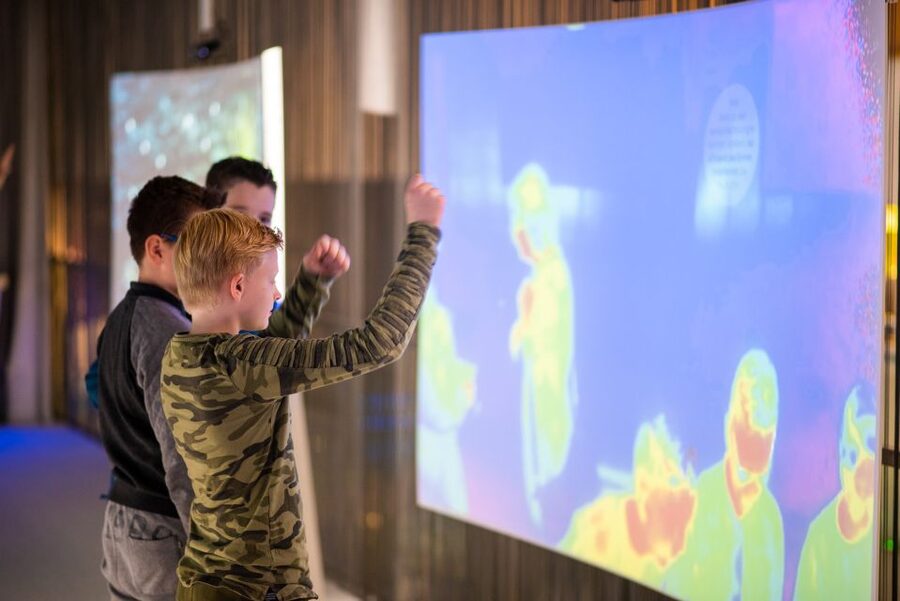
The brAInpower exhibition looks at the history and future of artificial intelligence, including Philips’ role in that development. It adds a forward-looking section to a museum that could otherwise feel focused mainly on the past.
This is a smart contrast. After walking through a century of products, you are asked to consider what comes next. AI can sound remote or overly technical, but placing it beside Philips’ earlier inventions makes the subject easier to connect with. New technology often becomes understandable when you see it as part of a longer chain of tools that changed how people live.
I like the fact that the AI section prevents the museum from becoming only a nostalgia stop. It gives younger visitors a subject connected to their own future, while older visitors can compare today’s concerns with earlier moments of technological change.
The exact balance between history and interactive material may depend on current exhibition arrangements. Still, brAInpower is one of the strongest reasons to visit now rather than treat the museum as a display of old Philips appliances.
If you are visiting with children, the AI exhibition may provide more immediate engagement than long historical text panels. If you are visiting alone, it gives you a thoughtful pause between the product timeline and the temporary exhibits.
Temporary exhibitions, football, and changing displays
Your admission includes temporary exhibitions called Eyecatchers and PSV, Eendracht maakt macht. The PSV display brings football into the museum, adding a local and emotional subject to the technology story.
That football connection is useful because Eindhoven is not only a city of industry and inventions. PSV is part of local identity, and the exhibition gives the museum a broader connection with the city around it. Even if you are not a devoted football fan, it can show how shared institutions shape public life.
Temporary exhibitions also make the museum less fixed. The permanent Philips timeline gives you the main story, while changing displays can provide a reason for local residents and repeat visitors to return.
You should check what is on display when you visit if a particular temporary exhibition matters to you. The information provided confirms Eyecatchers and PSV, Eendracht maakt macht, but temporary content can change over time.
Audio tour, scheduled activities, and the Torchlight Treasure Hunt
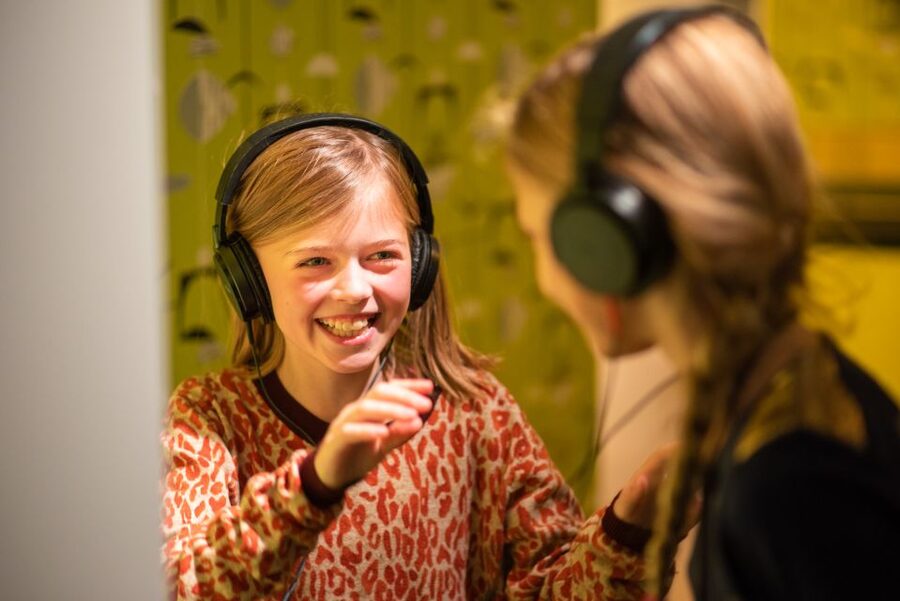
A self-guided visit does not have to mean a silent visit. An audio tour is available in Dutch, English, German, French, Turkish, Spanish, and Italian. That is helpful if you want more explanation than the labels provide or if you prefer to set your own pace.
The host or greeter languages are Dutch and English. The audio options are broader, so check the language you need when you arrive or reserve your visit.
The ticket also includes scheduled activities such as Mini Lectures and the performance The Lamp. These can add structure to your day, but they are scheduled rather than available continuously. Check the day’s times when you enter so you do not accidentally miss one.
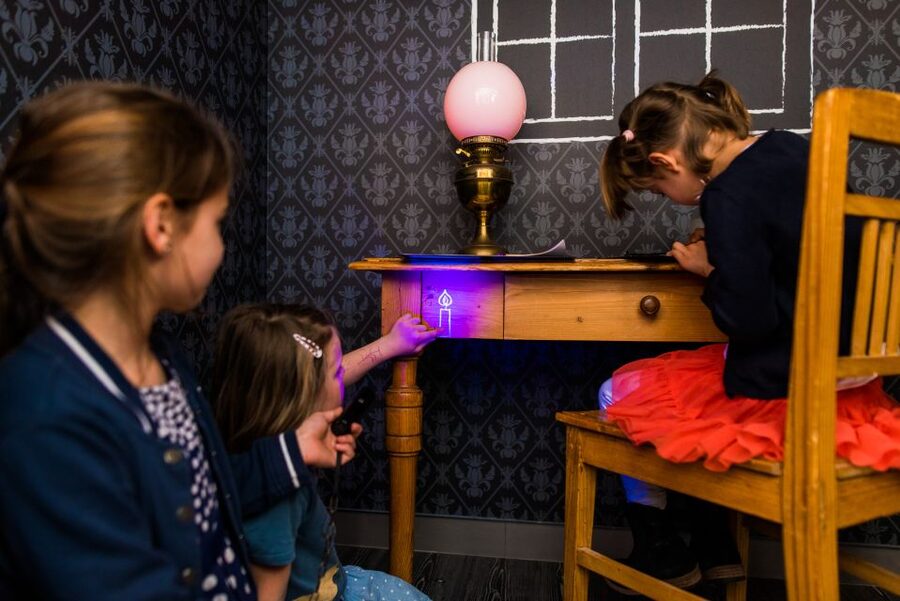
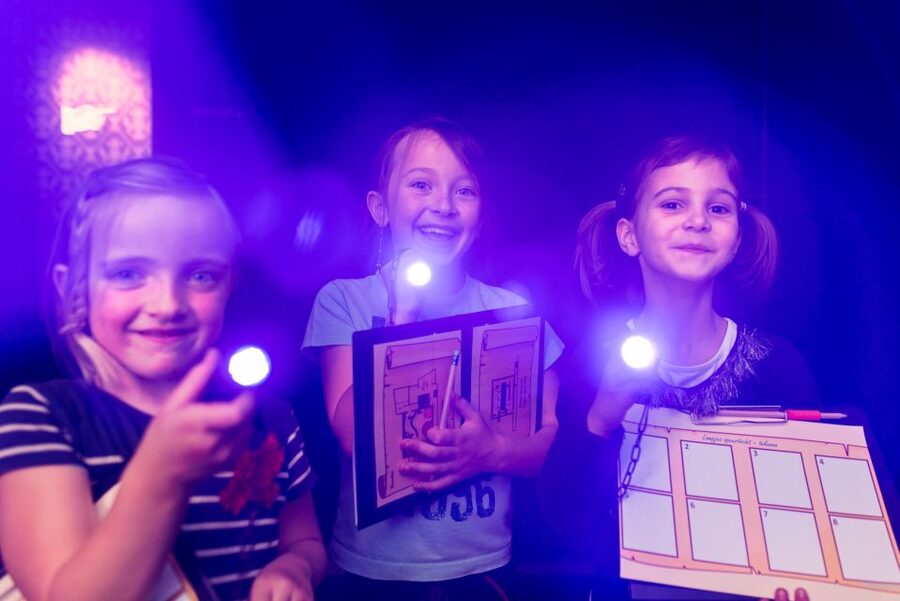
The Torchlight Treasure Hunt is another included activity. It adds a playful layer to the visit and may be especially useful for families who need a task to keep younger children interested in the timeline.
Do not assume every family or group activity is included. Museum Kids Factory and the Mission Eureka group game are specifically excluded. A guided tour is also not part of this ticket, and food and drinks are not included.
How much time and value should you expect for $14?
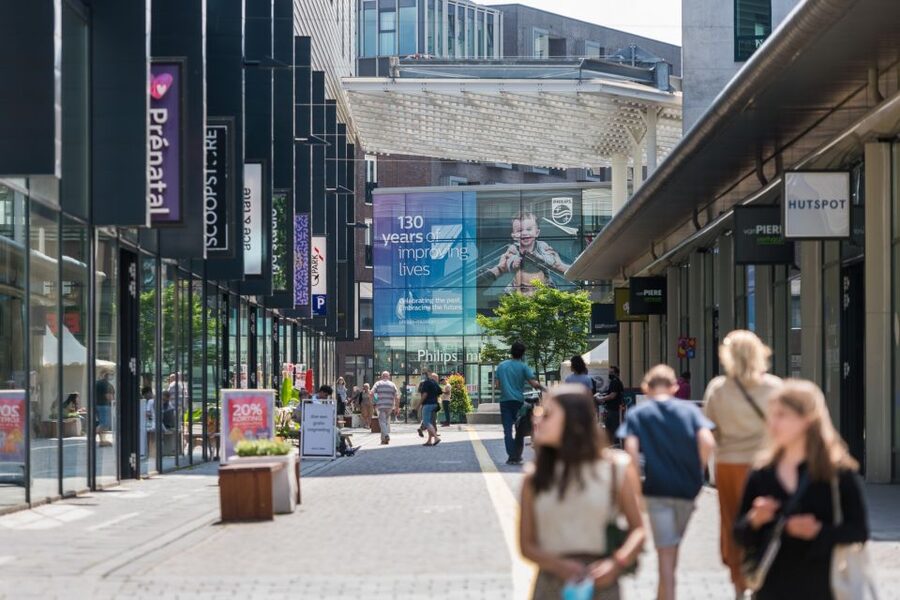
At $14 per person, this ticket is reasonably priced if you spend time with the timeline, use the audio tour, and catch one or more scheduled activities. The value is strongest for anyone interested in Eindhoven, industrial history, design, consumer technology, or AI.
It is less compelling if you only want a quick look at historic light bulbs. The museum offers several layers, and the price makes more sense when you treat it as a half-day cultural stop rather than a short photo opportunity.
The ticket is valid for one day, with starting times shown through availability. That gives you room to fit the museum around other plans in Eindhoven. It is close to a central area of the city, and parking lots are nearby, which makes the visit simple to combine with time downtown.
You also get storage lockers for baggage or personal belongings. That small convenience matters if you are carrying shopping bags, daypacks, or luggage during a city stop.
The average rating is 4.3 from 95 reviews, which fits the experience as a well-liked, focused museum rather than a universal must-see. The strongest appeal is its clear story, central location, relatively quiet morning atmosphere, and interactive AI and football material.
Museum or student card holders should present the card to receive a discount. Cash is not accepted, so plan to pay by another method.
The best way to plan your visit
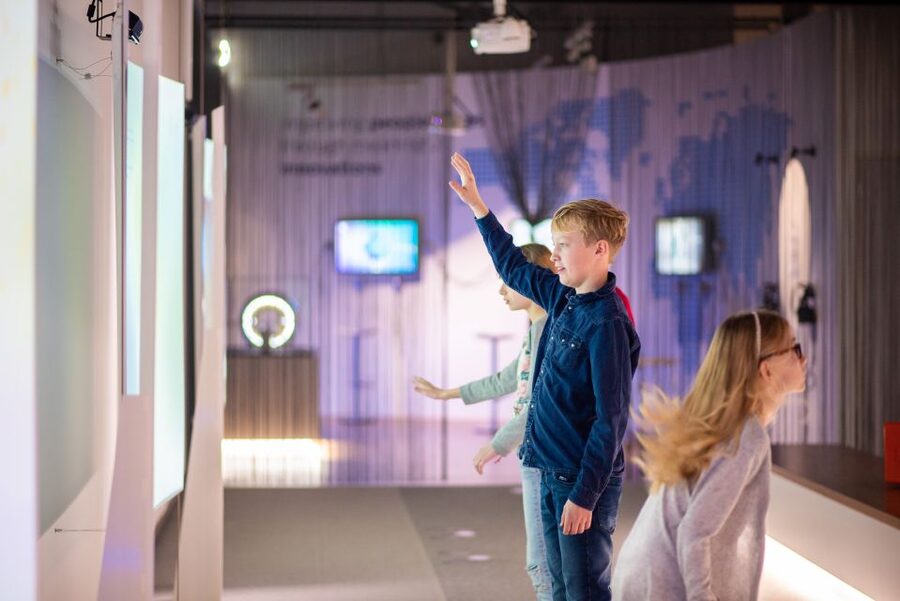
Morning is a sensible time to go if you prefer a quieter museum. The available feedback specifically points to fewer people in the morning, which should make it easier to read displays, use interactive elements, and take your time with the product timeline.
Start with the early factory and Gerard Philips sections. Then follow the timeline in order instead of jumping immediately to AI or the temporary exhibitions. The museum’s main strength is the way each period builds on the last.
After the permanent story, visit brAInpower and the temporary displays. Finish by checking the schedule for Mini Lectures or The Lamp. If you have children, include the Torchlight Treasure Hunt early enough that it does not become a rushed final activity.
The museum is wheelchair accessible. Lockers are available, and the central location makes it practical for a day in Eindhoven without complex transport planning.
Who will enjoy the Philips Museum most?
I would recommend this museum to anyone who likes seeing how technology enters ordinary life. It suits adults interested in business and industrial history, families looking for interactive material, and visitors who want a local Eindhoven experience rather than a general art museum.
It also works well for people who already know Philips products. Recognizing an old radio or television gives the visit a personal spark, but you do not need that connection to follow the story.
The museum may be less satisfying if you want a guided, highly specialized technical tour. There is no guided tour included, and the main focus is the company’s development and social effect rather than detailed engineering instruction.
Football fans should allow time for the PSV exhibition. Anyone curious about current technology should make room for brAInpower. Families should check the scheduled activities and remember that Museum Kids Factory and Mission Eureka are not included.
Should you book the Philips Museum ticket?
Book it if you want a clear, local story about Eindhoven’s industrial roots, with enough interactive and modern material to keep the visit from feeling stuck in the past. The 1891 factory setting, the product timeline, Gerard Philips displays, AI exhibition, and included audio tour make $14 fair value.
Go in with the right expectations. This is a self-guided museum visit, not a guided tour or a full-day entertainment attraction. Choose a morning slot for a calmer experience, bring a museum or student card if you have one, and check the schedule for Mini Lectures and The Lamp.
For a short city break in Eindhoven, this is an easy museum to add. It gives you a better sense of why Philips matters to the city, while showing how a lightbulb company moved into radio, television, digital technology, AI, and healthcare.
FAQ
Where is the Philips Museum located?
The museum is in Eindhoven, in North Brabant, Netherlands. It is close to a central area of Eindhoven, with parking lots nearby.
How much does admission cost?
The listed price is $14 per person. Museum or student card holders should present their card for a discount.
How long is the ticket valid?
The ticket is valid for one day. You should check availability for the available starting times.
Is the Philips Museum wheelchair accessible?
Yes. The museum is wheelchair accessible.
Is a guided tour included?
No. A guided tour is not included with this entry ticket. An audio tour is available.
Which languages are available for the audio tour?
The audio tour is available in Dutch, English, German, French, Turkish, Spanish, and Italian.
What activities are included with admission?
Included activities may include Mini Lectures, the performance The Lamp, the Torchlight Treasure Hunt, and temporary exhibitions such as Eyecatchers and PSV, Eendracht maakt macht.
Are Mission Eureka and Museum Kids Factory included?
No. The Mission Eureka group game and Museum Kids Factory are not included with this ticket.
Can I pay with cash at the museum?
No. Cash is not accepted.
Just added in Eindhoven
- Eindhoven: journey to the future★ 5.0 · 6 reviews
- Roermond Self Guided Sherlock Holmes Murder Mystery Game★ 4.5 · 3 reviews
- e-Scavenger hunt Den Bosch: Explore the city at your own pace★ 4.5 · 37 reviews
- Discover the best spots in Eindhoven with Outside Escape★ 4.5 · 40 reviews
- Discover the best spots in Den Bosch with Outside Escape★ 5.0 · 28 reviews
- Eindhoven: Guided bicycle tour of the Highlights of Eindhoven★ 5.0 · 27 reviews
- Eindhoven Private Walking Tour With A Professional Guide★ 5.0 · 1 review
- e-Scavenger hunt Roermond: Explore the city at your own pace★ 4.5 · 16 reviews
Museums, compared.
Moco Museum Amsterdam Entrance Tickets with Banksy & More
Read our review →


Amsterdam’s Weirdest Museum: Believe It or Not!
Read our review →
Browse the lists this tour appears in