

Review · EINDHOVEN TOURS
Vught: National Monument Concentration Camp Entry Ticket
Camp Vught makes Nazi occupation personal. This former SS concentration camp, also called Konzentrationslager Herzogenbusch, is the only SS concentration camp outside Nazi Germany, and its exhibits connect large events to individual lives. I like the careful use of personal objects and stories, and I like that the visit continues outdoors with a reconstructed barracks, watchtowers, and the original crematorium. The main consideration is the serious subject matter, plus a walk of about 4 kilometers to the execution site.
The $14 admission is fair for a full day of access, especially since it covers the memorial center, outdoor grounds, and audio guide. You should allow time for both the permanent exhibition and the open-air sections, since rushing through this place would miss much of its meaning. Children under 10 are not permitted, and the visit may feel demanding for anyone expecting a light sightseeing stop.
In This Review
- Key points to know before visiting
- Why Camp Vught matters in the Netherlands
- Start inside with Seven Seasons and 32,000 Stories
- The camp model and reconstructed barracks
- Watchtowers, crematorium, and the children’s memorial
- Barrack 1B and the four later uses of the site
- The execution site requires a serious walk
- The railway and the freight wagons
- How much time should you allow?
- Accessibility and practical comfort
- Who should visit Camp Vught?
- Opening hours and date planning
- Should you book Camp Vught?
- FAQ
- How much does entry to Camp Vught cost?
- How long is the ticket valid?
- Is a guided tour included?
- Which audio guide languages are available?
- Is Camp Vught wheelchair accessible?
- How long is the walk to the execution site?
- Are children allowed to visit?
- Can I cancel my booking?
Key points to know before visiting
- The only SS concentration camp outside Nazi Germany: Camp Vught offers a direct look at Nazi imprisonment in occupied Netherlands.
- Seven Seasons and 32,000 Stories: The permanent exhibition uses personal accounts and objects tied to people from 35 nationalities.
- Barrack 1B is original: This is the last remaining original barracks from the camp.
- The outdoor route adds important context: You can see watchtowers, a camp model, the crematorium, freight wagons, and memorials.
- The execution site is a 4-kilometer walk: It lies in the woods away from the museum and requires comfortable shoes.
- An audio guide is included: English, Dutch, German, and French options make the visit easier to follow.
Why Camp Vught matters in the Netherlands
Camp Vught was known during the Second World War as Konzentrationslager Herzogenbusch. Its location in North Brabant gives you a chance to learn about the Nazi occupation of the Netherlands through a place where imprisonment, deportation, and execution happened on a large scale.
The memorial center does not treat the camp as a distant chapter in a textbook. It focuses on the people held there and on the way the Nazi regime affected families, communities, and the occupied country. Stories from 35 nationalities help you see that this was not one single experience. Prisoners arrived with different backgrounds, beliefs, and wartime circumstances, yet all faced the machinery of persecution.
I appreciate that the site combines indoor displays with physical remains and reconstructions. A museum can explain dates and policies, but a barracks, watchtower, railway wagon, or crematorium gives the subject a fixed place. You are not simply reading about Camp Vught. You are moving through the area where these events unfolded.
This is a memorial visit, not a casual attraction. The tone is quiet and respectful, and the material can be upsetting. Give yourself enough time to pause. The point is not to collect information as quickly as possible, but to understand what happened to people who were imprisoned there.
A few more options to weigh up in Eindhoven
- Eindhoven: Motion Experience Light Art Playground Ticket
★ 4.0 · 168 reviews - Eindhoven: PSV Stadium Museum Entry Ticket
★ 4.1 · 101 reviews - Eindhoven: Philips Museum Entry Ticket
★ 4.3 · 95 reviews
Start inside with Seven Seasons and 32,000 Stories
Begin at the memorial center with the permanent exhibition Camp Vught: Seven Seasons and 32,000 Stories. The title points to the scale of the camp and to the many individual experiences hidden inside that number.
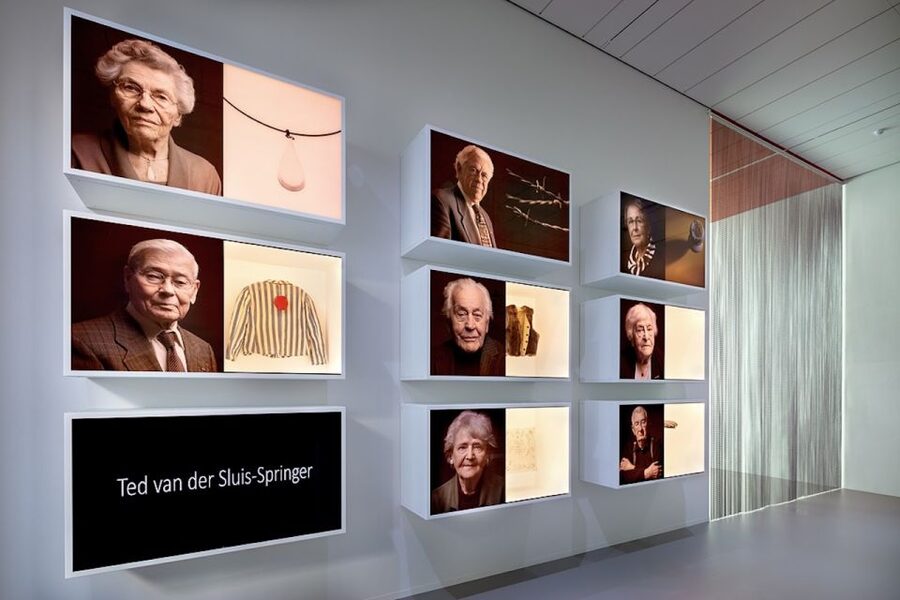
The exhibition uses personal stories and objects to explain the camp’s origins and the lives of the people held there. This approach gives the visit a human focus. Instead of seeing only a timeline of Nazi policy, you encounter evidence connected to real people.
I find personal objects especially useful at sites like this because they make the past easier to grasp without making it feel theatrical. A small possession, a written account, or a personal detail can show what imprisonment meant in daily life. The supplied information does not list every object on display, so you should expect a varied collection rather than a fixed set of named artifacts.
The exhibition also places Camp Vught within the occupation of the Netherlands. That wider setting matters. You learn not only about the camp itself, but also about the political conditions and Nazi control that shaped the lives of people outside its fences.
Use the included audio guide if you want more explanation as you move through the displays. It is available in English, Dutch, German, and French. An audio guide is helpful here because the subject has layers, and the extra narration can help you connect the objects, stories, and dates.
The camp model and reconstructed barracks
After the indoor exhibition, head outside to the former camp area. A model of the original camp helps you understand its size and layout before you walk among the remaining features.
The model is a practical stop, not just a display. Concentration camps were large, controlled spaces, and it can be hard to picture their arrangement from a few surviving structures. Looking at the model first lets you place the barracks, watchtowers, railway connections, and other areas in relation to one another.
The reconstructed barracks offers a closer sense of how the camp was organized. It is important to know that the reconstructed building is not the last original barracks. That is Barrack 1B, which you can visit as a separate part of the grounds.
Barrack 1B is the final remaining original barracks from Camp Vught. Its survival gives it particular weight. The building itself connects directly to the camp period, while the reconstructed barracks helps complete the picture of how the site once functioned.
Barrack 1B has different opening hours from the main museum. It is open Wednesday from noon to 5:00 PM and Saturday and Sunday from 1:00 PM to 5:00 PM. During the school holiday period from December 23 through January 5, it opens Monday through Friday from noon to 5:00 PM and Saturday and Sunday from 1:00 PM to 5:00 PM.
Plan around those hours if seeing the original barracks is important to you. The main memorial center and Barrack 1B do not always operate on the same schedule.
Watchtowers, crematorium, and the children’s memorial
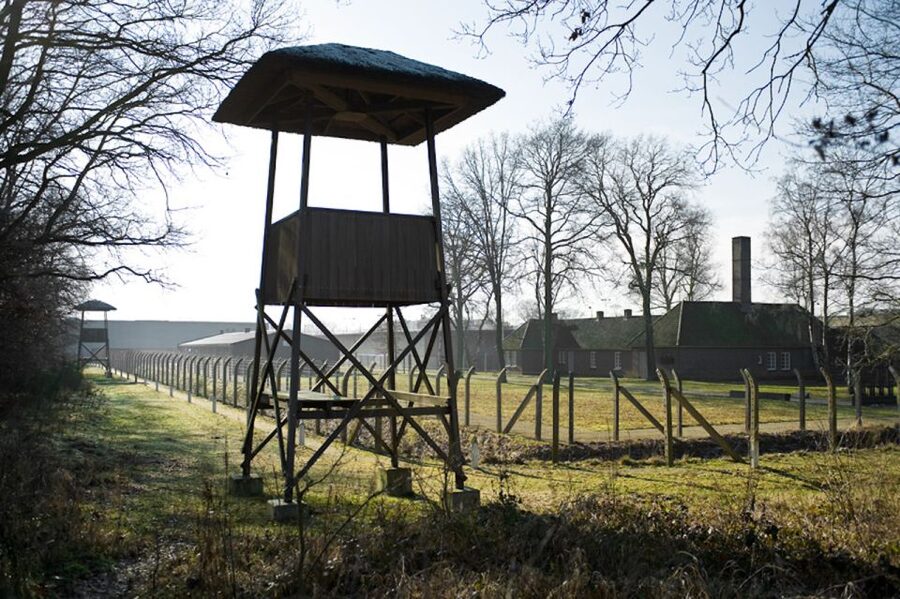
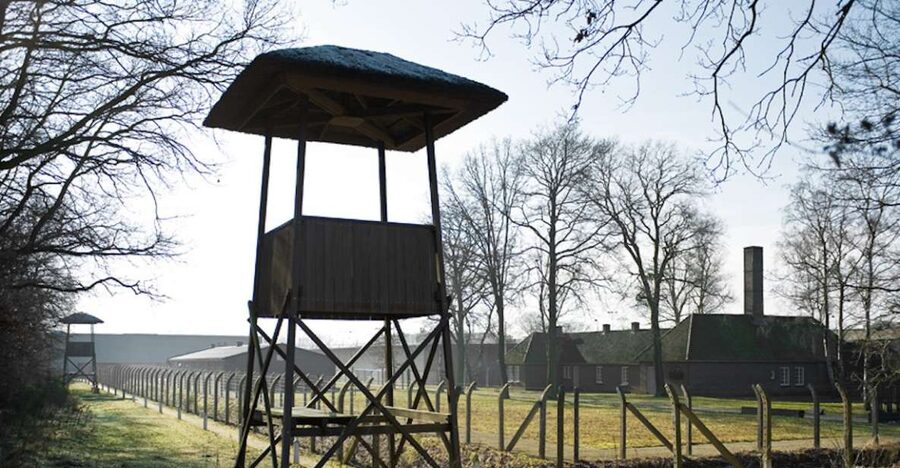
Several watchtowers remain in the outdoor area. These structures show the physical control built into the camp. Their presence also changes the way you see the site. A watchtower is not merely an old building here. It represents surveillance, confinement, and the absence of freedom.
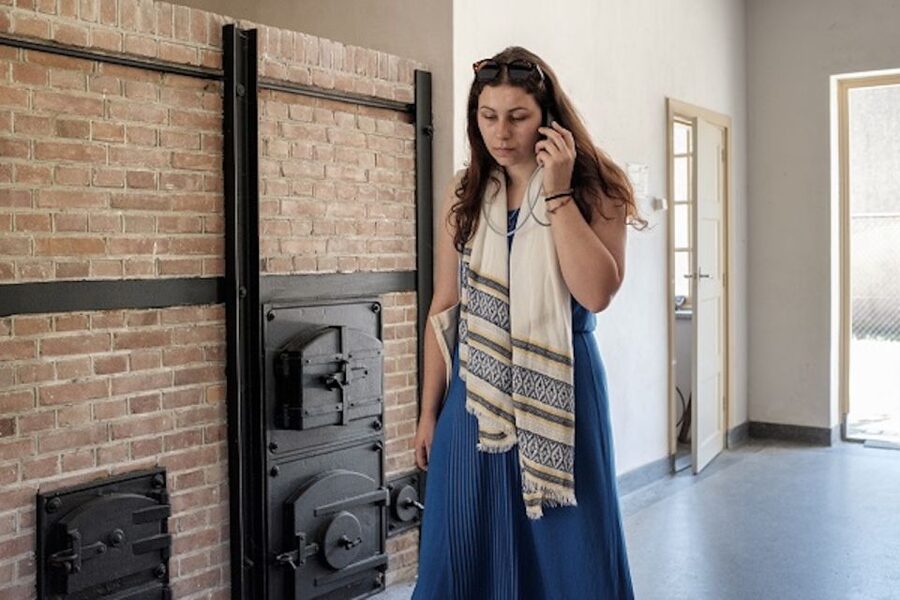
The original crematorium is another major stop. It is a difficult place, but an essential one for understanding the violence carried out at Camp Vught. You should expect a serious atmosphere and give this part of the visit time rather than treating it as a quick photo stop.
The grounds also include a memorial to the children’s transports of June 1943. This is one of the places where the broad story of wartime persecution becomes painfully specific. The reference to children brings home the fact that Nazi persecution affected families and young people, not only adult political prisoners or soldiers.
I like the way these outdoor features work together. The model explains the camp’s structure, the barracks show where people lived, the watchtowers show control, and the crematorium and children’s memorial confront you with the consequences. Each stop adds a different piece of the story.
A different kind of day out entirely:
- Eindhoven: Next Nature Museum Entry Ticket
★ 3.9 · 83 reviews - Eindhoven: Bottle Distillery Tour and Tasting Experience
★ 4.9 · 74 reviews - Eindhoven: City Center Walking Tour
★ 4.7 · 43 reviews - Discover the best spots in Eindhoven with Outside Escape
★ 4.5 · 40 reviews
Barrack 1B and the four later uses of the site
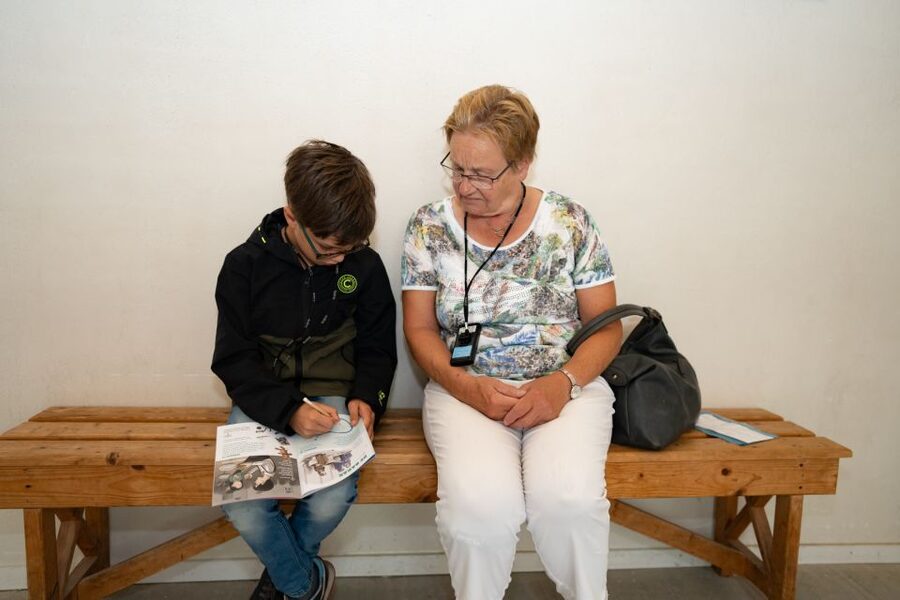
The exhibition If Walls Could Speak covers four periods connected to the site. The first is the concentration camp period from 1943 to 1944.
The other three periods show what happened after the concentration camp era:
- The site was used as a residence for German civilian evacuees.
- Dutch people suspected of collaboration were held there.
- Moluccan KNIL soldiers and their families lived at the site.
This later history is valuable because Camp Vught did not stop being a place of residence and control in 1944. The site changed purpose, and the people connected to it changed too. Seeing these four periods together prevents you from viewing the grounds as if their story ended when the concentration camp closed.
The exhibition title encourages you to pay attention to the building itself. Barracks can appear plain from the outside, but walls hold layers of use. In Barrack 1B, those layers include the original camp period and later chapters involving German civilians, Dutch collaborators, and Moluccan families.
You may find this section especially useful if you want to understand Dutch history beyond the standard story of occupation and liberation. It shows how one location carried different meanings for different groups over time.
The execution site requires a serious walk
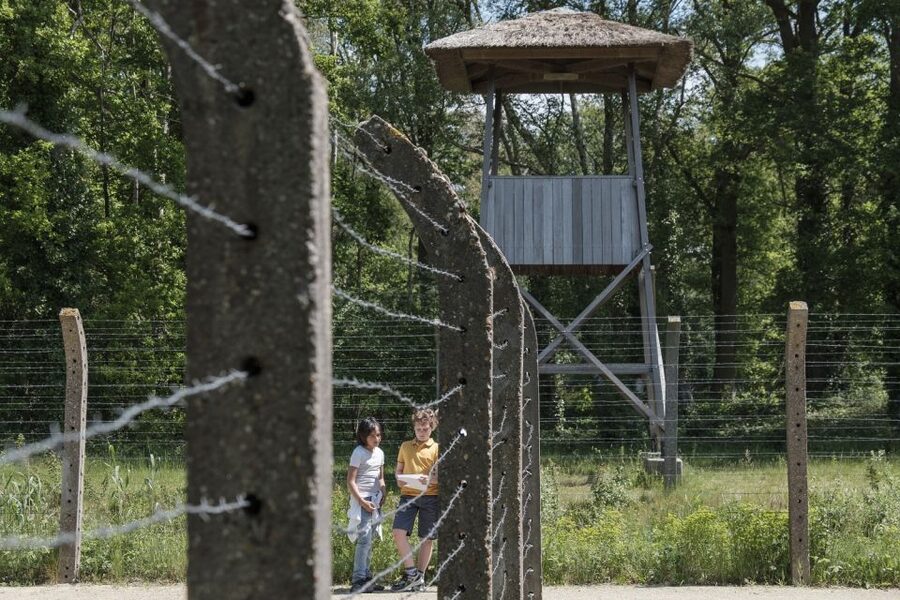
The former execution site is in the woods, within walking distance of the museum. The route is approximately 4 kilometers, so this is not a short stroll from the exhibition rooms.
At the site, a monument marks the actual place where 329 men were executed. The walk creates a physical separation from the main museum, and that distance can give you time to think about what you have already seen. At the same time, it adds effort and may be too much for anyone with limited mobility or little time.
Wear comfortable shoes and weather-appropriate clothing. The route is outdoors, and conditions can change. Comfortable clothes are also recommended for the rest of the visit.
If you want to include the execution site, do not arrive near closing time. The exact time you need will depend on your walking pace and how long you spend at the monument, but the 4-kilometer route deserves room in your schedule. The site is best treated as a central part of the visit, not an optional quick add-on.
The railway and the freight wagons
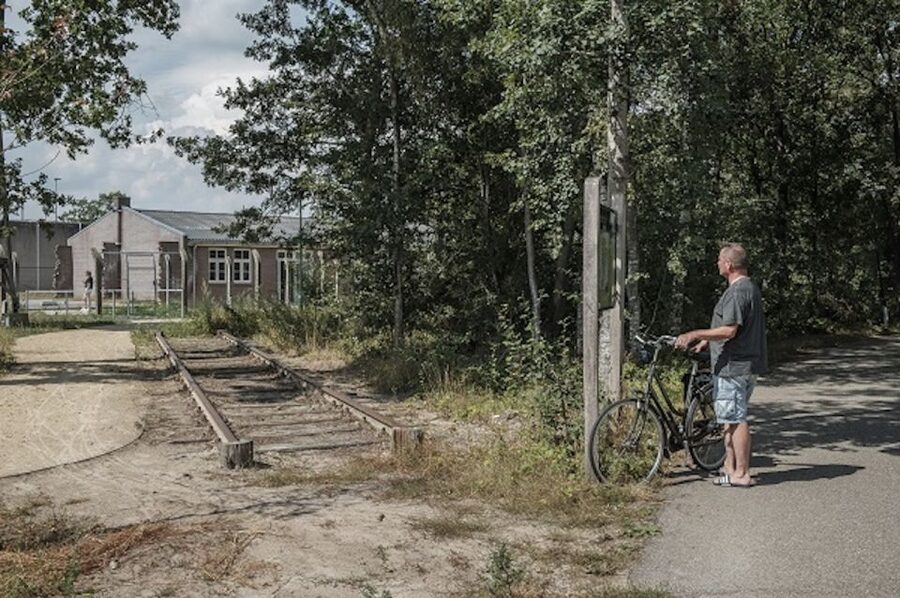
Along the access road to the museum, you can see two restored freight wagons. They follow the line of the former camp railway and recall the role of rail transport in persecution and deportation during the Second World War.
The wagons are stark objects. They do not need much decoration or explanation to communicate their purpose. Their position along the former railway line also links the museum entrance to the wider system that brought prisoners to camps and moved people against their will.
I recommend paying attention to them both when arriving and when leaving. After the exhibitions, you may understand the wagons differently than you did at the beginning. They are a reminder that the camp was part of a much larger network.
How much time should you allow?
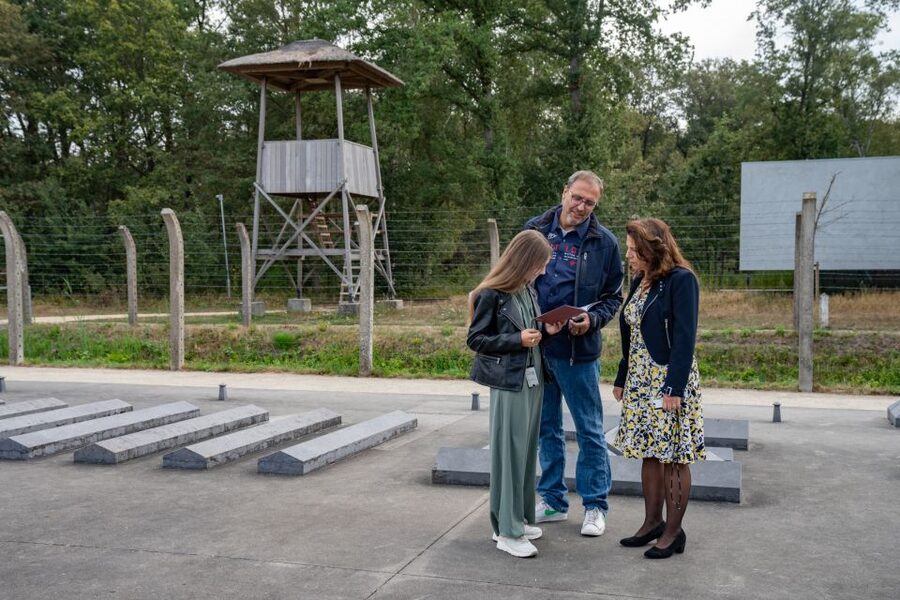
Your ticket is valid for one day, which is useful because Camp Vught has several parts to see. You can spend time inside with the permanent exhibition, visit the outdoor camp area, look through Barrack 1B, and walk to the execution site.
There is no need to force everything into a short visit. The indoor displays require concentration, while the outdoor route requires walking and pauses. If you want the full picture, plan a substantial portion of your day rather than squeezing the museum between other appointments.
The $14 price is good value for the amount included. You receive entry to the memorial center and its permanent exhibition, access to the outdoor features, and an audio guide. A guided tour is not included, so you should not expect a personal guide leading a group through the site.
That is not automatically a weakness. The audio guide lets you move at your own speed and stop when you need a break. If you prefer to ask questions as you go, the absence of a guided tour may matter more.
The free cancellation option up to 24 hours before the visit and the reserve-now, pay-later choice add flexibility. These details are useful if your schedule in the Netherlands is still changing.
Accessibility and practical comfort
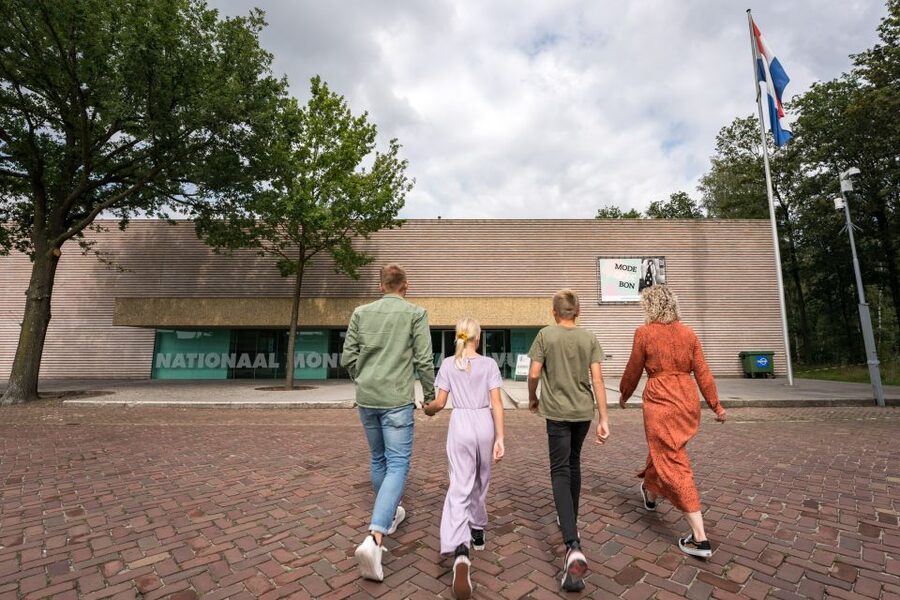
Camp Vught is wheelchair accessible. One wheelchair is available to borrow at the national memorial, and another is available in Barrack 1B. Ask the counter staff if you need one.
Portable museum chairs are available in the hall. You can take one with you if you need to stop and rest during the visit. Free lockers are available in the cloakroom, and umbrellas are also provided.
People accompanying wheelchair users can receive free entry. The same applies to people accompanying visitors with visual impairments. These arrangements make the visit more workable for people who need support.
The execution-site walk still deserves special thought because it is approximately 4 kilometers. Accessibility at the museum does not necessarily mean every outdoor section will suit every visitor. Ask staff for practical advice if the woodland route is a concern.
Who should visit Camp Vught?
This visit suits adults and older children who can handle serious wartime material. Children under 10 are not suitable for the experience, and the subject matter may be difficult even for older children. Parents should consider the child’s maturity before booking.
I would recommend Camp Vught to you if you want to understand the occupation of the Netherlands through personal accounts and a real historic site. It is also a good choice if you value museums that connect indoor evidence with outdoor remains.
You should think twice if you have only a small amount of time, do not want emotionally heavy subject matter, or cannot manage the outdoor walking route. The memorial center itself may still be meaningful, but the full experience includes more than a short museum visit.
The 4.6 rating from 137 reviews reflects strong overall approval, and the most useful praise is simple: the site is viewed as respectful and worth visiting, with an inspirational story at the end of the visit singled out by one verified reviewer. That fits the character of Camp Vught. It is painful, but it is not presented only as a place of despair. The memorial work also asks you to think about people, memory, and what remains after persecution.
Opening hours and date planning
The stated regular hours are Monday through Friday from 10:00 AM to 5:00 PM and Saturday and Sunday from noon to 5:00 PM. Check the current schedule before setting out, especially because Barrack 1B follows separate hours.
The museum is closed on December 25 and December 31. Free entrance is offered on December 8, 2024, and the museum also offers free admission on May 4, National Memorial Day.
Those dates can affect your plans. Free admission may mean a busier visit, while the shorter weekend hours make an early start sensible. Always confirm the current opening details before you travel, since holiday schedules can change.
Should you book Camp Vught?
Book this if you want a serious, well-presented memorial visit with personal stories, original remains, and a clear connection to the occupation of the Netherlands. The $14 ticket offers a strong amount of material for the price, and the included audio guide gives you useful support without locking you into a group schedule.
Make time for the outdoor grounds, Barrack 1B, freight wagons, and the 4-kilometer walk to the execution site. If you can only spare a brief stop, you may not absorb the visit properly. Bring comfortable shoes, dress for the weather, and approach Camp Vught as a place for reflection rather than a quick attraction.
FAQ
How much does entry to Camp Vught cost?
The entry ticket costs $14 per person.
How long is the ticket valid?
The ticket is valid for one day.
Is a guided tour included?
No. A guided tour is not included, but an audio guide is provided.
Which audio guide languages are available?
The audio guide is available in English, Dutch, German, and French.
Is Camp Vught wheelchair accessible?
Yes, the memorial is wheelchair accessible. One wheelchair can be borrowed at Camp Vught National Memorial, and another is available in Barrack 1B.
How long is the walk to the execution site?
The walking route to the former execution site is approximately 4 kilometers.
Are children allowed to visit?
Children under 10 years are not suitable for this activity.
Can I cancel my booking?
Yes. You can cancel up to 24 hours in advance for a full refund. You can also reserve your place and pay later.
Just added in Eindhoven
- Eindhoven: journey to the future★ 5.0 · 6 reviews
- Roermond Self Guided Sherlock Holmes Murder Mystery Game★ 4.5 · 3 reviews
- e-Scavenger hunt Den Bosch: Explore the city at your own pace★ 4.5 · 37 reviews
- Discover the best spots in Eindhoven with Outside Escape★ 4.5 · 40 reviews
- Discover the best spots in Den Bosch with Outside Escape★ 5.0 · 28 reviews
- Eindhoven: Guided bicycle tour of the Highlights of Eindhoven★ 5.0 · 27 reviews
- Eindhoven Private Walking Tour With A Professional Guide★ 5.0 · 1 review
- e-Scavenger hunt Roermond: Explore the city at your own pace★ 4.5 · 16 reviews
Eindhoven Tours, compared.


Discover the best spots in Eindhoven with Outside Escape
Read our review →
e-Scavenger hunt Den Bosch: Explore the city at your own pace
Read our review →Browse the lists this tour appears in