
Review · MUSEUMS
Gouda: Museum Gouda Entry Ticket
Gouda’s story is bigger than cheese. I like Museum Gouda for its surviving 16th-century altar paintings and its clear focus on the city itself. I also like the giant interactive model showing Gouda in 1562. The main drawback is that your $19 ticket covers entry only, so you should not expect a guide or audio guide to explain every artwork.
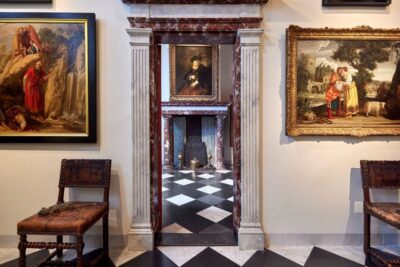
Set in a 14th-century guest house, the museum gives you a compact way to understand Gouda beyond its famous market stalls. You can move from religious art to civic portraits, then to French and Dutch paintings and the decorative pottery that gave the city an international name.
In This Review
- Key points to know before you go
- Start in a 14th-century guest house
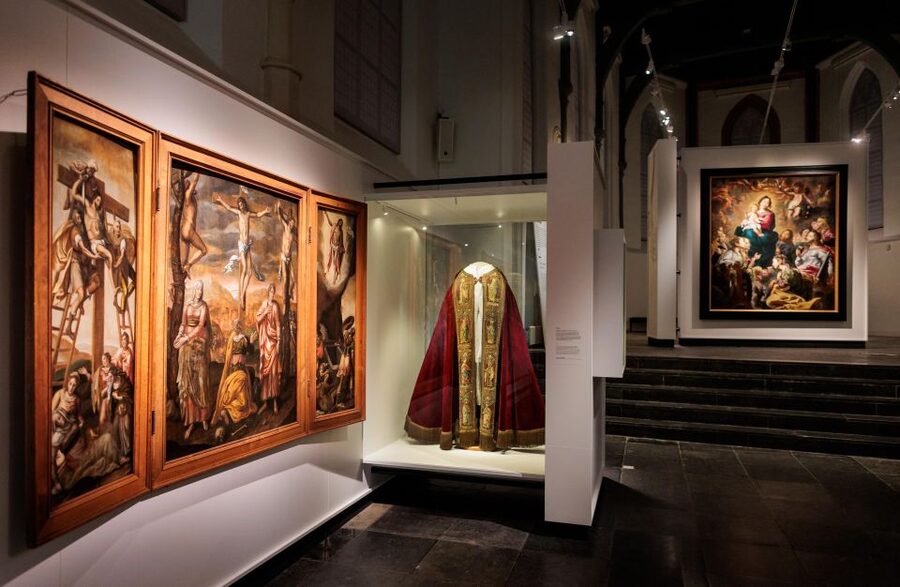
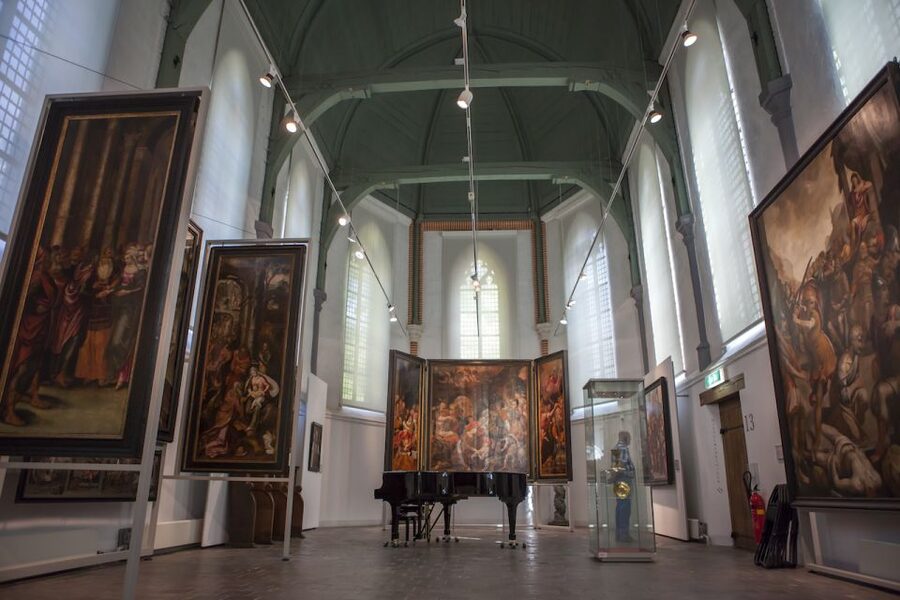
- The altar paintings that survived the iconoclasm
- Gouda in 1562, shown at a giant scale
- Civic guards, militia portraits, and public identity
- Ferdinand Bol, Isaac Israels, and later Dutch art
- Gouds plateel, Gouda’s decorative pottery
- Temporary exhibitions can change the visit
- Is the $19 ticket good value?
- Who will enjoy Museum Gouda most?
- My practical verdict
- FAQ
- How much does the Museum Gouda entry ticket cost?
- How long is the ticket valid?
- Is a guide or audio guide included?
- What languages are available?
- Is Museum Gouda wheelchair accessible?
- Can I cancel the ticket?
Key points to know before you go
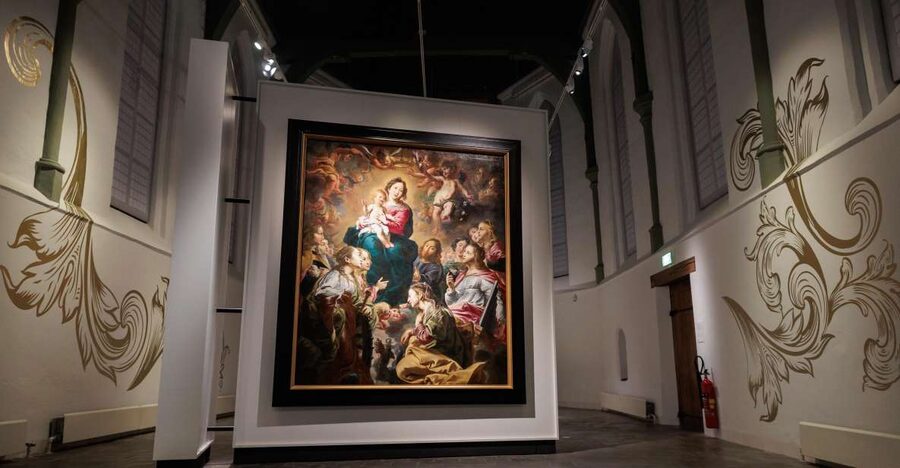
- See rare altar paintings: Several 16th-century religious works survived the iconoclasm that destroyed much church art across the Netherlands.
- Study Gouda in 1562: A large interactive maquette shows how the city looked in the 16th century.
- Follow six centuries of art: The collection covers the 16th through 20th centuries, including works by Ferdinand Bol and Isaac Israels.
- Understand civic Gouda: 17th-century civic guard pieces and militia group portraits reveal how the city presented itself.
- Look for Gouda pottery: Gouds plateel, the city’s colorful decorative pottery, forms an important part of the later collection.
- Plan for an independent visit: English and Dutch are available, but a guide and audio guide are not included.
Start in a 14th-century guest house
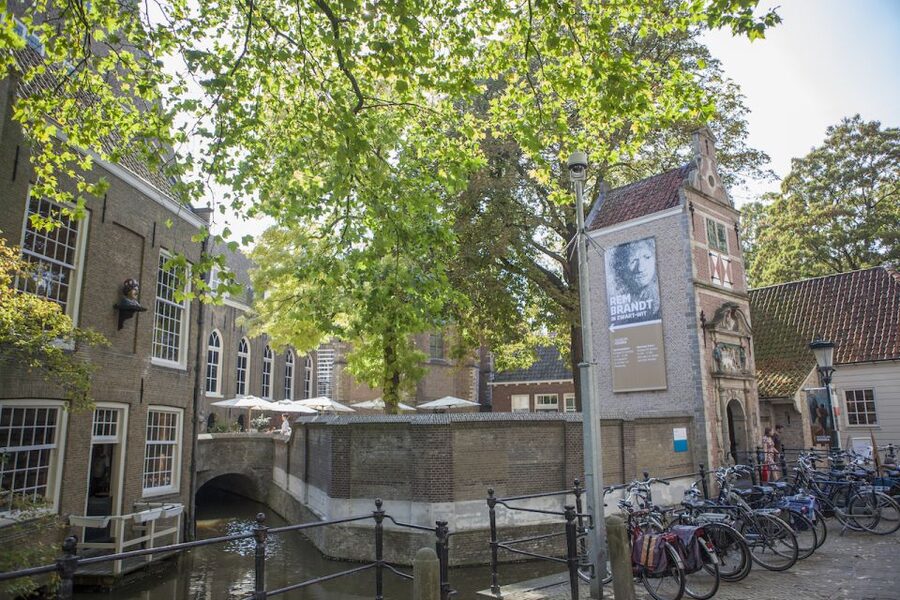
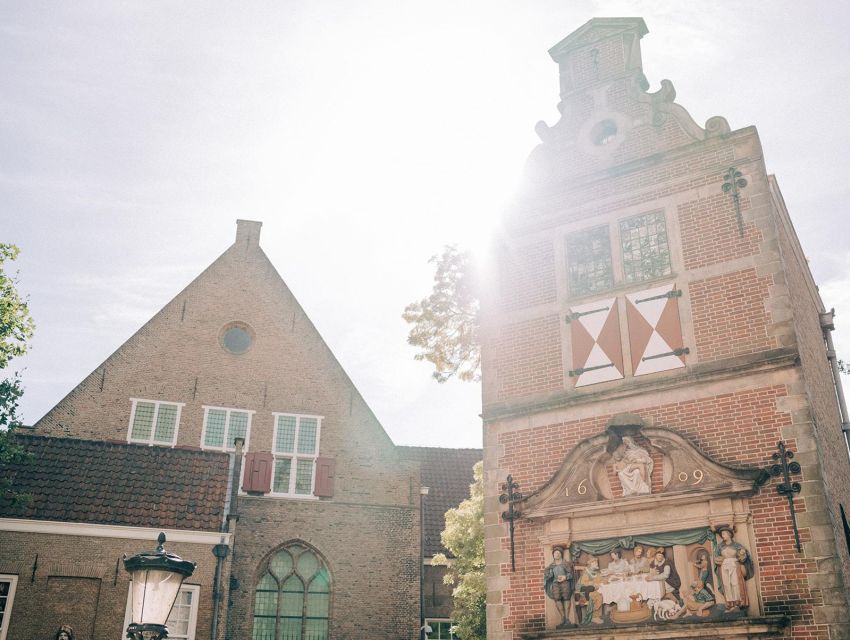
The setting gives Museum Gouda an immediate sense of place. You are not entering a modern art hall detached from the city. You are walking into an old building that helps connect the collection with Gouda’s long civic and religious past.
The museum’s permanent displays and temporary exhibitions cover about 600 years. That broad span matters because Gouda changed greatly over time, and the collection lets you see those changes through different kinds of objects rather than through paintings alone.
I would begin by taking a slow look at the layout and then moving through the displays in their historical order, if that is how the current presentation is arranged. The experience works best when you treat it as a story about a city, not just a parade of famous names.
The entry ticket is valid for one day, so you have room to visit at your own pace. The stated duration is one day rather than a fixed tour length, which makes this a useful stop if you prefer to pause over a few works instead of rushing through a timed group visit.
More Museum Tours in Gouda:
- Amsterdam: Van Gogh Museum Ticket
★ 4.7 · 52,054 reviews - Moco Museum Amsterdam Entrance Tickets with Banksy & More
★ 4.4 · 10,088 reviews - Amsterdam: The Upside Down Museum Entrance Ticket
★ 4.4 · 9,506 reviews
The altar paintings that survived the iconoclasm
The most important early works are the altar paintings that escaped the iconoclasm of the 16th century. During that period, religious images across the Netherlands were attacked or removed, so surviving altar pieces carry value beyond their appearance.
You can look at these works as art, but you can also read them as survivors. They show the kind of religious imagery that once played a central role in church life, and their survival helps explain what Gouda’s churches and religious institutions may once have contained.
One 16th-century triptych is specifically part of the collection. A triptych is made of three connected panels, often designed to fold, and it gives you a useful example of how religious art was built for both devotion and display.
This section may appeal most to you if you enjoy Northern European art or want context for the Netherlands before its best-known 17th-century painters. It is less likely to satisfy you if you only want large, famous paintings with long English explanations beside them.
That is the practical catch. The ticket does not include a guide, and an August 2025 visitor found the lack of an audio guide disappointing. If you need detailed commentary for each work, bring your own background knowledge or allow extra time to read whatever labels are provided.
Gouda in 1562, shown at a giant scale
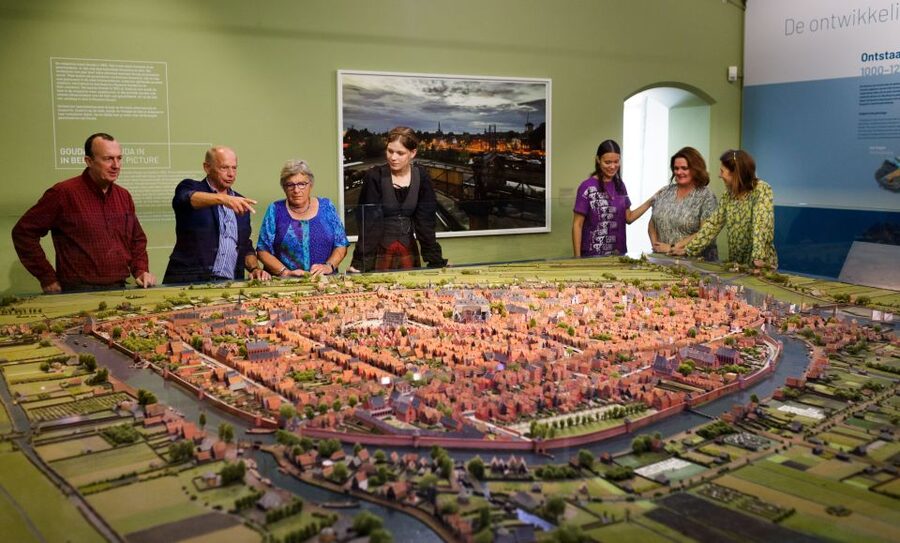
The large interactive maquette of Gouda in 1562 is one of the museum’s most useful features. Instead of asking you to imagine the old city from a few paintings, it gives you a physical view of Gouda at a particular moment.
A model like this helps turn history into something you can see at once. You can get a sense of the city’s shape, its buildings, and the way urban Gouda looked before modern development changed its appearance.
The date is important. Sixteenth-century Gouda was not simply a smaller version of the present city. The maquette gives you a reference point for the religious art and civic objects nearby, helping you picture the world in which they were made.
I would spend time here before moving quickly through the rest of the collection. It is the sort of display that can orient you fast, especially if you are visiting Gouda for the first time and want to understand how the museum connects to the streets outside.
The word interactive suggests that you do more than look at a static model, though the available information does not specify exactly how the interaction works. You should expect it to be a major visual feature rather than a guided presentation.
Civic guards, militia portraits, and public identity
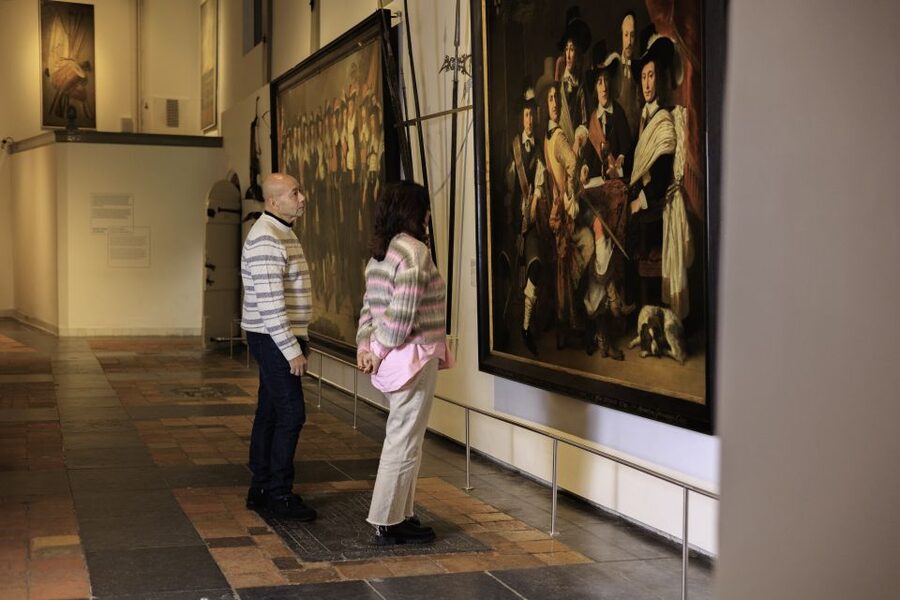
The 17th-century civic guard pieces and militia group portraits shift the mood from church art to public life. These works show how Gouda’s citizens and institutions represented themselves.
Group portraits can seem formal at first glance, but they offer useful clues. Pay attention to the people included, their poses, their clothing, and the way the composition gives importance to certain figures. Even without a long explanation, these details point to rank, civic pride, and the role of organized local groups.
This part of the collection also balances the religious art. You are no longer looking only at objects connected to worship. You are seeing a city concerned with its officials, public image, and shared responsibilities.
I like this change of subject because it keeps the museum from feeling like a single-period art collection. Gouda appears here as a working city with institutions and social structures, not only as a place with old churches and pottery workshops.
Still, the independent format matters. If you are unfamiliar with Dutch civic guard paintings, you may want more context than the displays provide. The museum is a good choice for an observant visitor who enjoys looking closely, but it may feel thin if you expect a full spoken explanation at every stage.
A few more options to weigh up in Gouda
- Gouda: Gouda Cheese Experience Entry Ticket
★ 4.6 · 578 reviews - Gouda: Historical Canal Cruise
★ 4.3 · 158 reviews - Gouda: Open Boat City Canal Cruise
★ 4.4 · 156 reviews - 2-Hour Walking Tour in Gouda All inclusive
★ 5.0 · 48 reviews
Ferdinand Bol, Isaac Israels, and later Dutch art
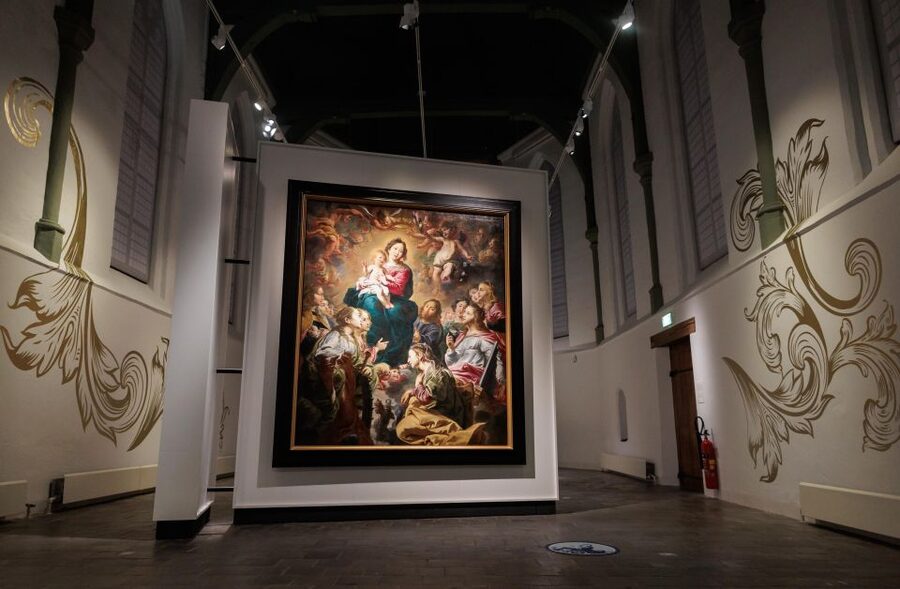
The collection includes works by Ferdinand Bol and Isaac Israels, giving you a chance to connect Gouda with wider Dutch and French art movements.
Ferdinand Bol is linked with the 17th-century Dutch art world, while Isaac Israels represents a later period. Seeing these names in a Gouda museum helps broaden your view of the city. Gouda was not sealed off from the major artistic currents of the Netherlands.
The collection also includes many 19th-century French and Dutch works. That period adds variety in subject and style, and it prevents the visit from ending with the civic guard portraits.
You should keep your expectations measured. The information provided does not identify particular masterpieces, galleries, or painting titles by Bol or Israels. Think of these works as part of a wider collection that traces artistic change, rather than as a museum built around one celebrated painting.
A Japanese visitor gave the museum a top rating and singled out works connected with Vermeer and Rembrandt, along with a tower subject. Since the collection information specifically names Bol and Israels, I would treat the museum as a place with several links to major Dutch art, not as a dedicated Vermeer or Rembrandt museum.
Gouds plateel, Gouda’s decorative pottery
The pottery section gives the museum a strong local finish. Gouds plateel is the decorative pottery associated with Gouda, and it helps explain why the city became known for more than its cheese.
Pottery also changes the way you think about local production. Paintings tell you about patrons, faith, and public identity. Ceramic objects show how design, craft, and commerce shaped the city’s reputation.
Look for the relationship between form and decoration. The appeal is not only in individual pieces, but in seeing how Gouda’s pottery developed into a recognizable local product during the 20th century.
The collection also includes the Gouda clay pipe. That small object connects the museum to another local craft tradition and reminds you that city history is often found in ordinary goods as much as in grand paintings.
This section should appeal to design fans and visitors who like applied arts. It also gives families or mixed-interest groups something different from religious paintings and formal portraits.
Temporary exhibitions can change the visit
Do not skip the temporary exhibitions. They are part of the museum experience, but their subjects and contents change, so you should check what is showing on your chosen date.
The permanent collection already covers a broad period. Temporary displays can give you a more focused look at one artist, object type, or period, and they may be the part of the visit that changes most from one trip to the next.
Because the ticket is valid for one day, you can take your time with both the permanent displays and any temporary exhibition. The absence of a fixed itinerary is useful here. You can spend longer with the maquette, move quickly through familiar material, and return to a temporary show if it deserves another look.
Is the $19 ticket good value?
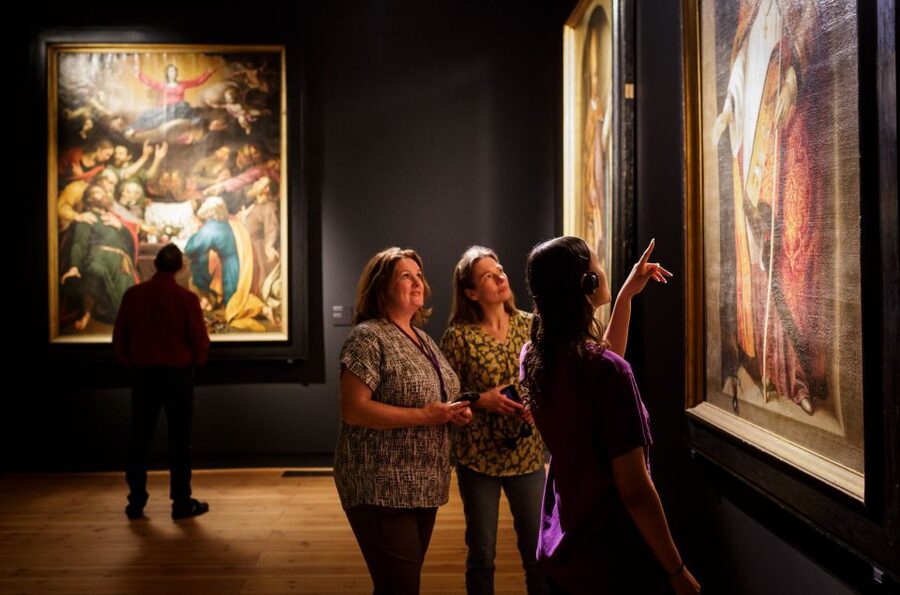
At $19 per person, Museum Gouda is not a bargain-priced quick stop, but it can offer fair value if you want a full picture of the city’s past.
The price includes entry to the museum, its permanent collection, and temporary exhibitions, but not food, drinks, parking, a guide, or an audio guide. That makes the value depend on your interests. If you enjoy art, local history, pottery, and old buildings, the ticket covers several subjects in one visit.
I would be less enthusiastic about the price if you only want to see one or two famous paintings. The available information does not promise a single headline masterpiece, and the museum’s strength is the range of its collection.
The one-day validity also helps. You are not buying a short, tightly timed presentation. You can use the museum as a substantial cultural stop in Gouda and set your own pace.
Free cancellation is available up to 24 hours before the visit, and you can reserve now while paying later. Those policies are useful if your Dutch itinerary is still shifting, though they do not change the museum’s artistic value.
Who will enjoy Museum Gouda most?
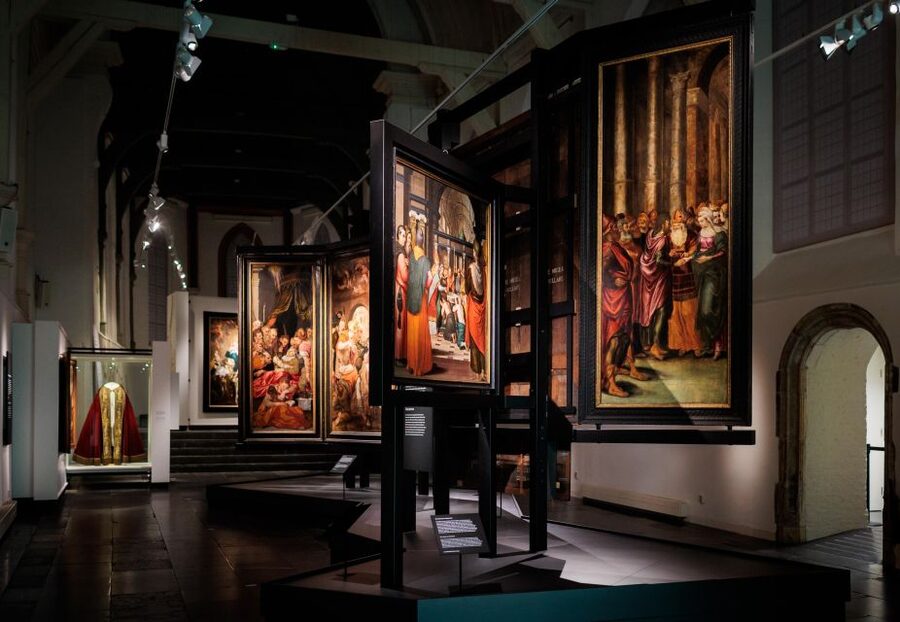
I would recommend it to you if you want to understand Gouda as a historic city rather than spend your entire visit around cheese and the central market.
It suits:
- Art lovers interested in Dutch and French works from the 16th to 20th centuries
- Visitors curious about religious art lost during the iconoclasm
- Design fans who want to see Gouds plateel
- Families who enjoy visual displays, especially the interactive city model
- Independent museum visitors comfortable exploring without a spoken guide
- Anyone with enough time for a thoughtful museum visit rather than a quick photo stop
You may want to skip it if you need a guided experience in English, an audio guide, or detailed interpretation for every object. One verified French-language review specifically criticized the lack of both a guide and an audio guide, and that is a fair warning for visitors who prefer structured commentary.
The museum is wheelchair accessible. English and Dutch are the listed languages, and the host or greeter service is available in both.
My practical verdict
Book Museum Gouda if you want the city’s story told through paintings, civic objects, models, and pottery. The surviving altar pieces and the 1562 maquette are the strongest reasons to go, while the works by Ferdinand Bol and Isaac Israels add wider Dutch art context.
I would not book it expecting a guided tour or a single blockbuster collection. Instead, plan for an independent visit with a broad subject range. At $19, it makes the most sense for you if you can give the museum enough time to connect its religious art, public portraits, local crafts, and changing exhibitions.
FAQ
How much does the Museum Gouda entry ticket cost?
The ticket costs $19 per person.
How long is the ticket valid?
The ticket is valid for one day. The activity does not specify a fixed visit length or required starting time, so you should check availability when booking.
Is a guide or audio guide included?
No. The ticket includes entry only. A guide and audio guide are not included, so you should plan to explore the museum independently.
What languages are available?
English and Dutch are available. The host or greeter service is also listed in English and Dutch.
Is Museum Gouda wheelchair accessible?
Yes. Museum Gouda is listed as wheelchair accessible.
Can I cancel the ticket?
Yes. You can cancel up to 24 hours in advance for a full refund. You can also reserve now and pay later, which keeps your plans flexible.
Just added in Gouda
- Discover Gouda with a self-guided Outside Escape city game tour!★ 5.0 · 13 reviews
- 2-Hour Walking Tour in Gouda All inclusive★ 5.0 · 48 reviews
- e-Scavenger hunt Gouda: Explore the city at your own pace★ 4.5 · 19 reviews
- 90 Minutes Self-Guided Family Friendly Walking Tour in Gouda★ 5.0 · 2 reviews
- Historical Gouda: Private Tour with Local Guide★ 5.0 · 2 reviews
- Gouda Private Walking Tour: History, Architecture & Cheese★ 4.5 · 8 reviews
- Gouda Cheese and Delft Blue: Full-Day Private Tour★ 5.0 · 4 reviews
- Escape Xperience in Gouda: The Legend of Jacoba★ 5.0 · 2 reviews
Museums, compared.

Moco Museum Amsterdam Entrance Tickets with Banksy & More
Read our review →


Amsterdam’s Weirdest Museum: Believe It or Not!
Read our review →
Browse the lists this tour appears in