
Review · RIJKSMUSEUM TICKETS
The Rijksmuseum Tour: Small Guided Group with Museum Entry
Great museums need a good map. This two-hour Rijksmuseum tour gives you one, with an English-speaking guide who connects Dutch art to the political and artistic changes of Europe. I like the small group of 10 or fewer and the way the visit moves beyond famous paintings to explain why they were made.
I also like that entry is included and your guide meets you outside at Paulus Potterstraat 1. The main drawback is the short running time: two hours can introduce the museum well, but it cannot cover everything in this enormous collection, and the $63 price makes most sense if you value explanation over simply walking in alone.
In This Review
- Key points at a glance
- Why a guide helps inside the Rijksmuseum
- Meeting at Paulus Potterstraat 1
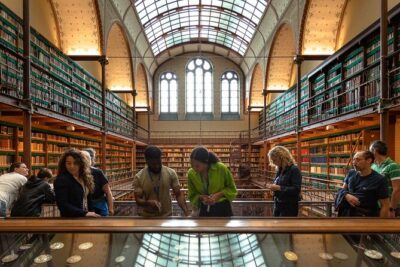
- The great hall and the museum’s long story
- Dutch independence and the Golden Age
- Rembrandt and the power of a human face
- Vermeer and the drama of ordinary life
- Van Gogh and the wider European picture
- The lower levels and the end of the story
- Is $63 a fair price?
- Who should book this Rijksmuseum tour?
- My verdict
- FAQ
- Where does the Rijksmuseum tour begin?
- Where does the activity end?
- How long does the tour last?
- Is the Rijksmuseum entry ticket included?
- What language is the tour offered in?
- How large is the group?
- Can I cancel for a full refund?
Key points at a glance
- A focused two-hour route: The guide leads you through major periods instead of leaving you to wander through the Rijksmuseum without a plan.
- Rembrandt, Vermeer, and Van Gogh: You can expect attention on some of the Netherlands’ best-known artists, along with the ideas behind their work.
- Dutch history through art: The route links medieval hardship, independence, the Dutch Golden Age, the Enlightenment, and later political change.
- Small group setting: With no more than 10 participants, it should be easier to hear the guide and ask a question.
- Entry ticket included: You meet outside the museum, enter with the guide, and avoid arranging a separate admission ticket.
- English only: The live tour is offered in English, and comfortable walking shoes are advised.
Why a guide helps inside the Rijksmuseum
The Rijksmuseum is the sort of place that can leave you admiring the art but unsure how the pieces fit together. You might see a grand portrait beside a still life, then turn a corner and meet a quiet domestic scene by Vermeer. Without some context, the visit can become a parade of names and dates.
This tour takes a chronological and historical approach. Instead of treating each painting as an isolated masterpiece, the guide explains how Dutch art changed as the country endured disease, religious and political upheaval, independence, prosperity, decline, and renewed outside control.
That approach matters because Dutch painting is often more than a pretty surface. A still life may reveal trade, wealth, food, mortality, or social status. A portrait can tell you who had power. A scene of ordinary life can show what a society valued, or what it wanted to believe about itself.
I like this kind of museum visit for a first trip to Amsterdam. You get a framework that can make a later solo visit more rewarding. You may not remember every date, but you are more likely to understand why Dutch art took the forms it did.
More Museum Tours in Amsterdam
- Amsterdam: Van Gogh Museum Ticket
★ 4.7 · 52,054 reviews - Moco Museum Amsterdam Entrance Tickets with Banksy & More
★ 4.4 · 10,088 reviews - Amsterdam: The Upside Down Museum Entrance Ticket
★ 4.4 · 9,506 reviews
Meeting at Paulus Potterstraat 1
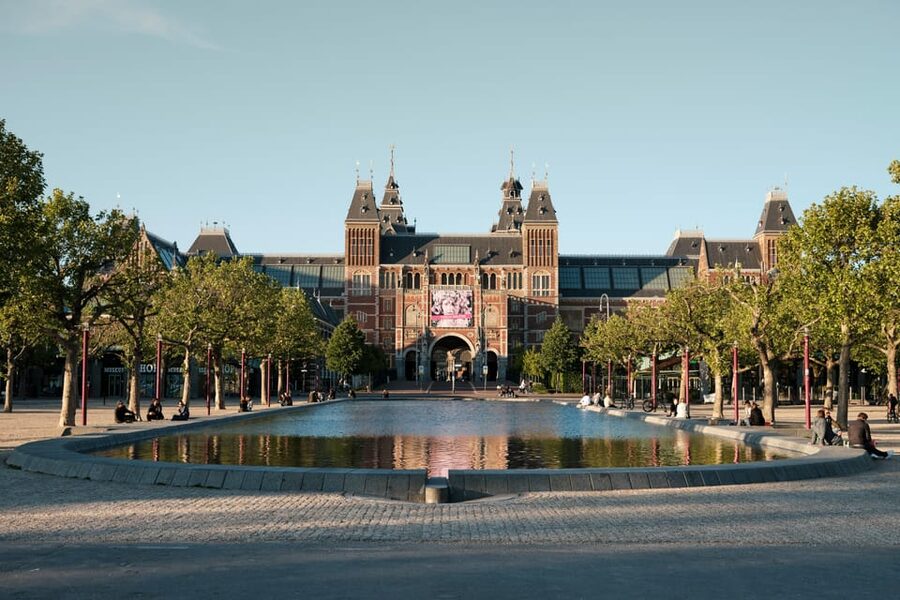
The meeting point is next to the museum entrance at Paulus Potterstraat 1. You are not being collected from a hotel, train station, or central meeting point, so you will need to make your own way there. Transportation is not included.
That arrangement is simple, but allow enough time to find the correct entrance and locate your guide. The museum is a major Amsterdam attraction, and arriving at the last minute can add needless stress. The guide will meet you outside, help you enter, and begin the visit from the museum’s great hall.
Entry is included in the $63 price. That is useful because you do not need to handle the admission separately, and your time inside begins with a clear purpose. The tour ends back at the meeting point, so you are free to continue around the museum afterward if you have the time and energy.
The group is limited to 10 people. That is not a private tour, but it is small enough to make a real difference in a museum. You should have a better chance of hearing the guide in crowded galleries, and questions are less likely to disappear into a large crowd.
The great hall and the museum’s long story
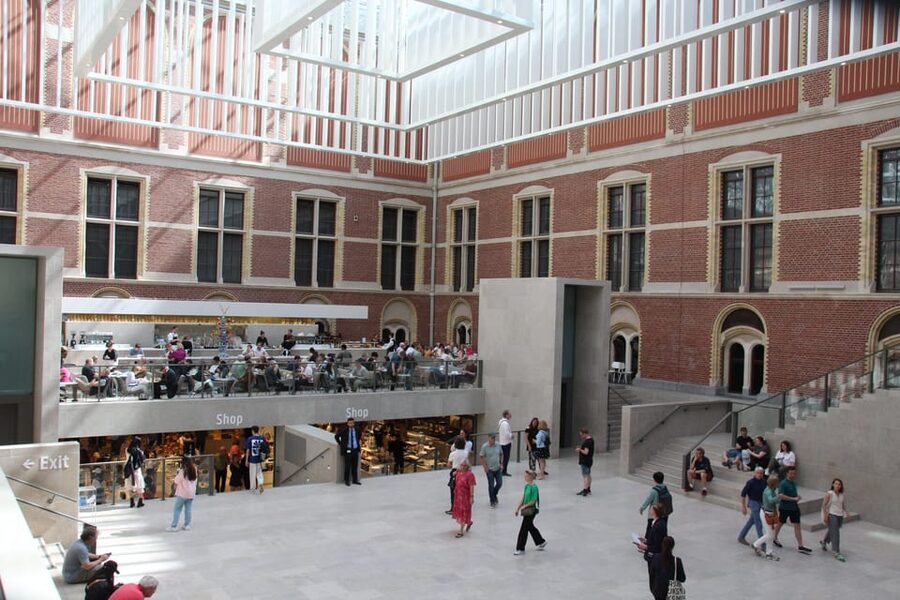
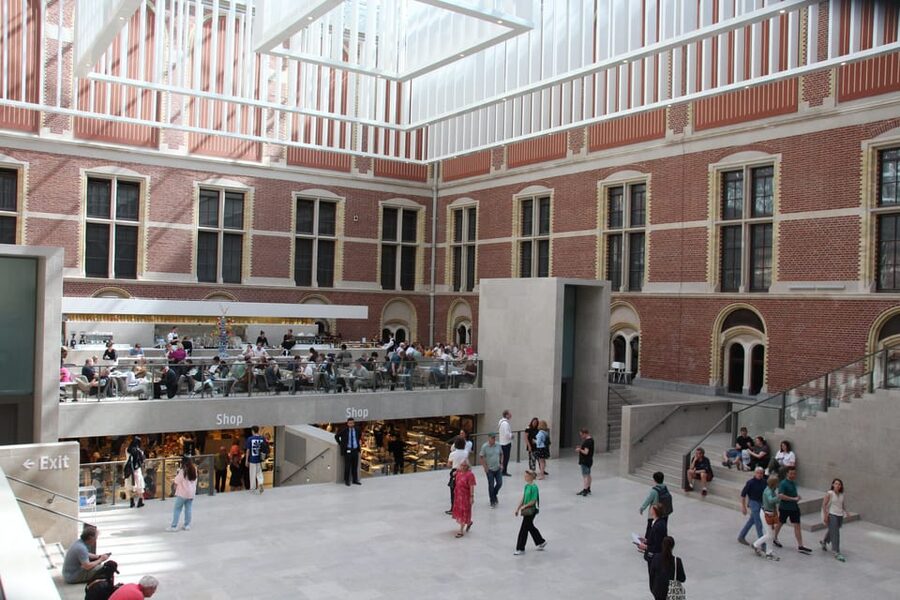
The tour begins inside the great hall, where the guide introduces the collections and sets out the broad route. This opening is important. The Rijksmuseum covers centuries of art and history, so a little orientation helps you understand what you are about to see.
The early part of the story looks at Dutch culture during the medieval period, including the hardship caused by the Black Death. The point is not simply to march through old dates. It is to show how instability, religion, and changing social structures created the conditions for later artistic developments.
You may find this section less immediately famous than the rooms containing Rembrandt or Vermeer. Still, it gives the tour its backbone. Art does not appear from nowhere, and the guide’s job is to show how earlier periods shaped the visual language that came later.
The tour also places Dutch developments beside wider European artistic movements. That comparison helps explain what was distinctive about the Netherlands and what was part of a larger European shift. If you know little about European art, the guide’s explanations should make the collection less intimidating. If you already know the basics, the historical links may give you useful connections between familiar names and periods.
Dutch independence and the Golden Age
The next major chapter is the rise of Dutch independence and the flowering of the Dutch Golden Age. This is the section many people picture when they think of the Rijksmuseum: prosperous towns, merchant wealth, powerful civic groups, and paintings that capture both public life and private interiors.
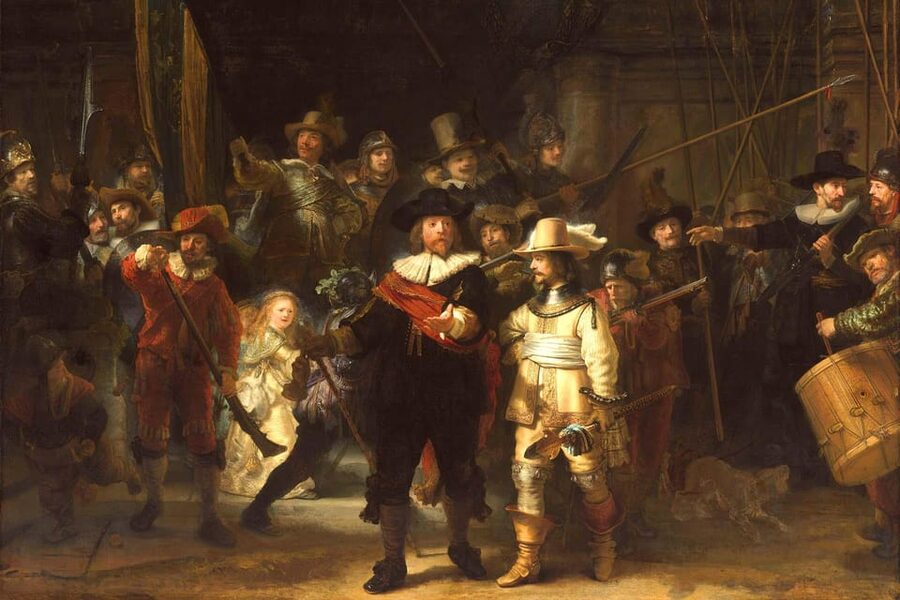
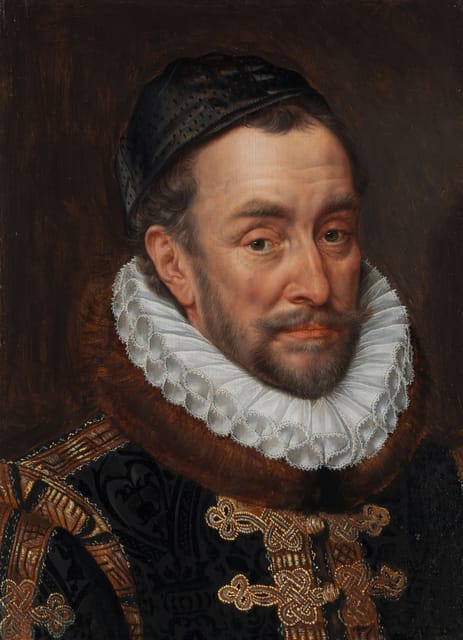
The tour uses the art to explain how a new republic presented itself. Portraits were not only records of faces. They could signal status, civic duty, family position, or professional success. Group paintings could show the importance of guilds and public institutions.
This is where the visit’s historical focus becomes especially useful. The Dutch Golden Age is often presented as a simple story of artistic brilliance. A better tour asks why that brilliance appeared at that moment, who paid for it, what subjects became popular, and what the paintings reveal about the society behind them.
Still lifes are a good example. You will learn why they became so popular and how ordinary objects could carry larger meanings. Food, flowers, glassware, books, and household goods could suggest prosperity, trade, pleasure, or the shortness of life.
The guide also discusses why artists chose everyday people as subjects for major works. That question leads away from the old idea that important art must show only saints, rulers, or mythological heroes. Dutch painters often found drama in merchants, families, workers, and people at home.
More Rijksmuseum tickets:
- Amsterdam: Rijksmuseum Entry Ticket
★ 4.7 · 25,535 reviews - Amsterdam: City Canal Cruise and Rijksmuseum
★ 4.5 · 2,129 reviews - Rijksmuseum Amsterdam Small-Group Tour with Private Upgrade
★ 4.5 · 1,547 reviews - Amsterdam: Rijksmuseum Entry Ticket and Canal Cruise Combo
★ 4.3 · 1,276 reviews
Rembrandt and the power of a human face
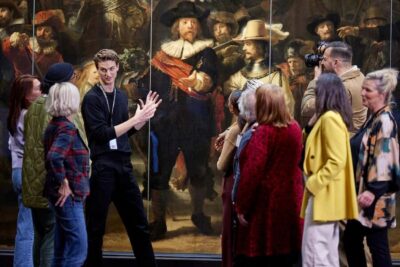
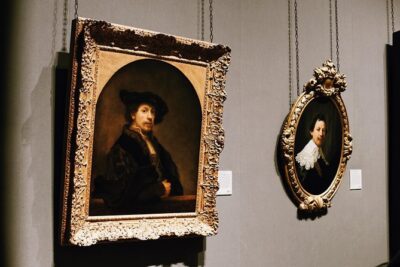
Rembrandt is one of the key names on this visit, and rightly so. His work gives the guide a chance to discuss portraiture, emotion, light, social identity, and the changing role of the artist.
I find Rembrandt most rewarding when someone helps me look past the famous name. You can ask what the subject’s expression is doing, how the light directs your attention, and how the painting creates a sense of a person rather than merely recording an appearance.
The tour’s small size should help here. In front of a major Rembrandt, the guide can point out details without having to compete with a large group. You may also have room to ask why one work feels formal while another feels intimate or psychologically exposed.
Do not expect a full Rembrandt seminar in two hours. The guide must share attention with many periods and artists. But a clear explanation of his place in Dutch art can give you a better way to look at his paintings after the tour ends.
Vermeer and the drama of ordinary life
Vermeer offers a different kind of lesson. His scenes can appear calm and simple, yet the quiet rooms and daily activities invite questions about light, privacy, work, and domestic life.
The tour uses Vermeer to show why ordinary people became suitable subjects for ambitious art. A person reading, working, or pausing indoors can become the center of a carefully built visual world. The subject may be simple, but the painting’s choices are not.
This is also a good place to consider the difference between seeing a famous painting and understanding why it matters. You can stand in front of a Vermeer and admire the color and light. With a guide, you also get a sense of the social and artistic changes that made such a scene meaningful.
As with Rembrandt, the tour cannot linger forever. The Rijksmuseum has too much to cover, and the guide is leading a historical route rather than offering a single-artist study. If Vermeer is your main reason for visiting, check the available start time and consider returning on your own after the tour.
Van Gogh and the wider European picture
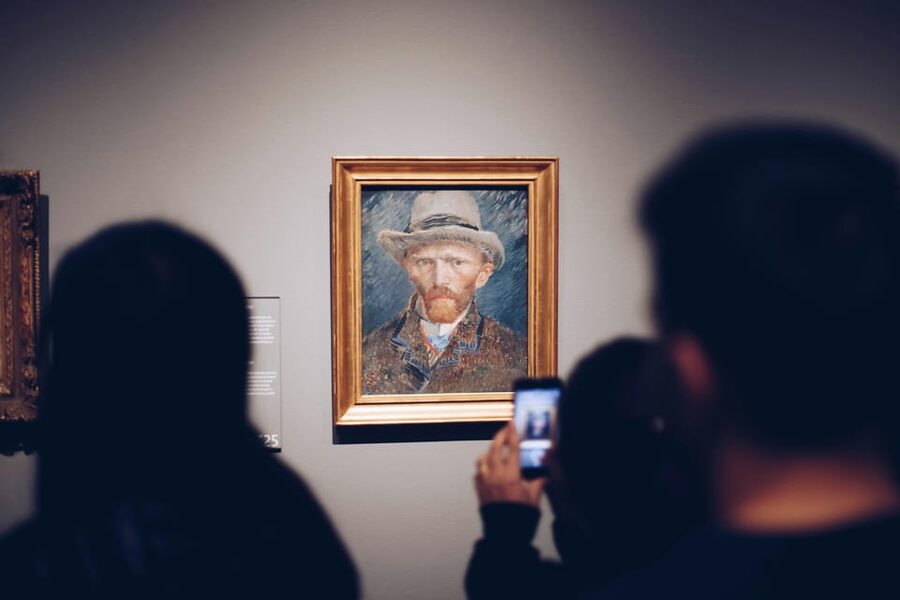
Van Gogh is included among the major artists discussed, giving the route a bridge between the Dutch masters and later European art. His presence helps show that the museum’s story does not end with the Golden Age.
The tour also connects Dutch art to larger European movements. That wider view is useful because it keeps the visit from becoming a national art lesson with no outside context. Styles develop through exchange, conflict, travel, changing ideas, and new views of the individual.
You may find the Van Gogh portion shorter than expected because the tour covers such a broad span. The Rijksmuseum is not devoted only to him, and this experience is not designed as a specialist Van Gogh visit. Still, placing his work within a longer artistic story can help you see the movement from earlier Dutch traditions toward later experimentation.
The lower levels and the end of the story
Near the end, the route goes to the lower levels and considers the decline of the Dutch Golden Age, the coming of the Enlightenment, and the loss of Dutch independence again. This closing section prevents the visit from ending with an overly polished picture of Dutch success.
That balance is one of the tour’s stronger features. Countries do not move through history in a straight line from hardship to greatness. Prosperity can weaken, political control can change, and a nation’s influence can continue even after its strongest period has passed.
The guide also explains how the Dutch republic affected wider world history, including developments that still matter today. You are not simply being shown paintings in chronological order. You are being asked to see the museum as a record of changing power, ideas, money, religion, and daily life.
The tour finishes back at the meeting point. From there, you can leave the museum or continue exploring if your admission arrangements allow and you have enough time. The activity itself lasts two hours, so plan separately if you want a longer visit.
Is $63 a fair price?
At $63 per person, this is not the cheapest way to enter the Rijksmuseum. The value depends on what you want from the visit.
If you mainly want to see a few famous paintings and move at your own pace, buying admission separately and using the museum independently may suit you better. You will have more time to pause, backtrack, or focus on one artist.
If you want an organized introduction, the price covers the entry ticket, a professional local guide, and a two-hour walking tour. You are paying for structure and interpretation, not just access. The small group also makes the cost easier to justify than a large coach-style museum visit.
I would consider this a good choice for a first visit, especially if European art history feels unfamiliar or confusing. It is less appealing for someone who already knows the Rijksmuseum well and prefers a quiet, unhurried visit.
The reserve-now-and-pay-later option gives you some flexibility, and cancellation is free up to 24 hours before the activity for a full refund. Those terms are useful when Amsterdam plans are still shifting, though you should still check the exact starting time before booking.
Who should book this Rijksmuseum tour?
I would recommend it to you if you want the museum’s major artists placed in a clear historical sequence. It suits first-time visitors, couples, families with older children, and anyone who would rather hear a good explanation than read every label alone.
It is also a sensible choice if you worry about getting lost in a huge museum. The guide gives you a route and a set of ideas to follow. The English language format works best if you are comfortable listening to an art discussion in English.
You should think twice if you want a specialist tour devoted to one painter. Two hours is enough for a strong introduction, but not enough for every major collection, every famous work, and long periods of quiet viewing.
Comfortable walking shoes are a practical must. You will be on your feet inside a large museum, and the experience is a guided walking tour rather than a seated lecture.
My verdict
I like the clear historical thread, the included admission, and the limited group size. The strongest praise attached to this experience centers on the guide’s warmth and expertise, with Tristan singled out as friendly and especially good at leading a carefully planned museum visit.
Book it if you want help making sense of Rembrandt, Vermeer, Van Gogh, Dutch still lifes, and the political story around them. Skip it if your main goal is maximum freedom or a full-day museum visit. At $63, it is a reasonable buy for structure and insight, but the short two-hour format means you should see it as an introduction, not the final word on the Rijksmuseum.
FAQ
Where does the Rijksmuseum tour begin?
Meet your guide next to the museum entrance at Paulus Potterstraat 1 in Amsterdam.
Where does the activity end?
The tour ends back at the meeting point.
How long does the tour last?
The guided visit lasts two hours. Starting times vary, so check availability before booking.
Is the Rijksmuseum entry ticket included?
Yes. The price includes entry to the Amsterdam Rijksmuseum and the guided walking tour.
What language is the tour offered in?
The live tour guide speaks English, and the activity is listed as English only.
How large is the group?
The tour is limited to 10 participants, making it a small-group experience.
Can I cancel for a full refund?
Yes. You can cancel up to 24 hours in advance for a full refund. You can also reserve now and pay later.
Just added in Amsterdam
- Private Tour Zaanse Schans Windmills and Volendam in Jaguar★ 5.0 · 10 reviews
- Half-Day Private Guided Sightseeing Tour of Zaanse Schans★ 5.0 · 14 reviews
- Zaanse Schans and Giethoorn Unique Day Trip with Boat Cruise★ 4.5 · 17 reviews
- Windmills-Volendam-Giethoorn Private Tour in Jaguar★ 5.0 · 2 reviews
- Best of Netherlands: Zaanse Schans Mills, The Hague & Rotterdam★ 4.5 · 10 reviews
- Zaanse Schans Private Tour Windmills★ 5.0 · 18 reviews
- Zaanse Schans Windmills Edam Volendam and Marken from Amsterdam★ 5.0 · 1 review
- Zaanse Schans Edam Volendam Private Day Tour from Amsterdam★ 5.0 · 3 reviews
Rijksmuseum Tickets, compared.
Rijksmuseum Amsterdam Small-Group Tour with Private Upgrade
Read our review →
Rijksmuseum Entry Ticket and Canal Cruise Combo
Read our review →
Rijksmuseum Amsterdam Exclusive Guided Tour w/ Reserved Entry
Read our review →
Van Gogh & Rijksmuseum w/ Reserved Entry Semi-Private 8ppl Max
Read our review →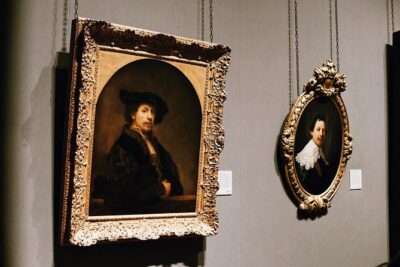
Van Gogh & Rijksmuseum w/ Reserved Entry Exclusive Guided Tour
Read our review →Browse the lists this tour appears in