
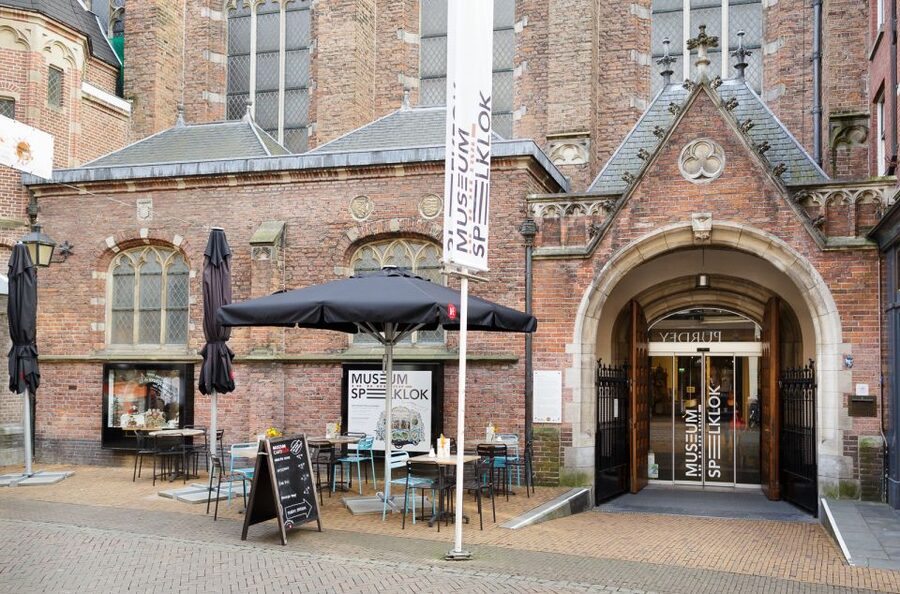
Review · MUSEUMS
Utrecht: Museum Speelklok Entry Ticket
Mechanical music still has a pulse. Museum Speelklok in Utrecht turns old music boxes, barrel organs, musical clocks, and self-playing orchestras into a lively day out. I like the chance to hear the machines working, not just look at silent museum pieces, and I like that the entry ticket includes a free hourly tour in English or Dutch. The main drawback is that some people may finish quickly without the tour, especially if they are not drawn to machinery or music history.
The strongest part is the live presentation. You can hear everything from a tiny music box to the huge street organ called Arabier, while the famous Violina adds a wonderfully strange centerpiece. Some displays invite hands-on contact, which makes the museum appealing to families, but there are no seats at certain presentations, so plan on standing.
In This Review
- Key points to know before you go
- Why Museum Speelklok is different from an ordinary museum
- Start with the Museum Expedition
- Join the hourly tour in English or Dutch
- Hear the smallest music box and the largest barrel organ
- Meet Arabier, the Dutch street organ
- Look for the Violina, the so-called 8th world wonder
- Restoration is part of the story
- How long should you spend inside?
- Is the $20 ticket good value?
- Who will enjoy Museum Speelklok most?
- Practical booking advice
- Should you book Museum Speelklok?
- FAQ
- Where is Museum Speelklok located?
- What does the entry ticket include?
- How long is the ticket valid?
- Is a museum tour included?
- What languages are available?
- Is Museum Speelklok wheelchair accessible?
- Can I bring food or drinks inside?
Key points to know before you go
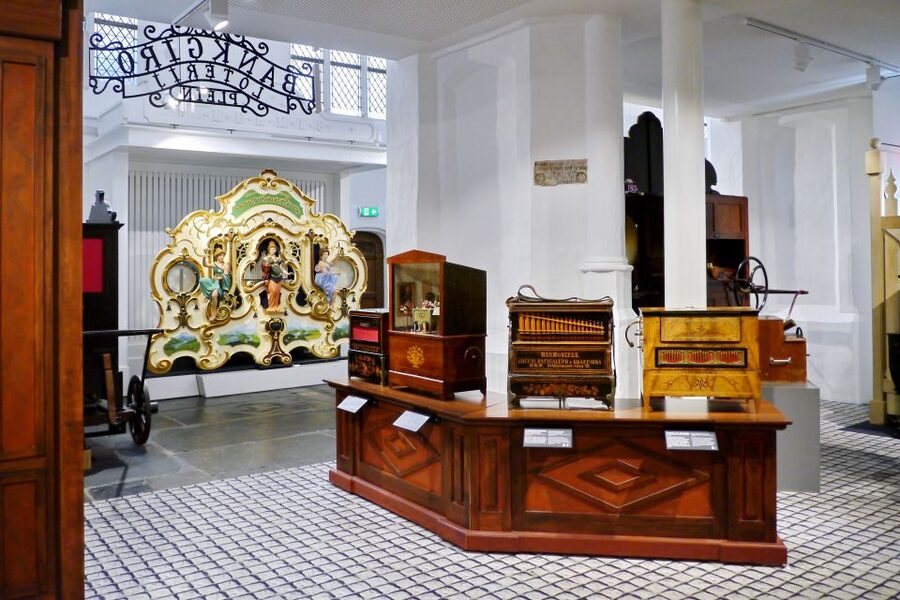
- Hear the machines in action: The museum presents mechanical instruments as working performers, including century-old pieces, barrel organs, and self-playing orchestras.
- Join the hourly English tour: The free tour adds the stories and engineering behind the instruments, and is the best way to get more from the visit.
- See Dutch street-organ culture: Arabier gives you a look at a traditional form of public music that is strongly tied to the Netherlands.
- Look for the Violina: This unusual instrument is presented as the so-called 8th world wonder and is one of the museum’s most memorable objects.
- Allow time for a full museum day: The ticket lasts for one day, but the amount of time you need depends on how closely you listen and whether you join the tour.
- Good for mixed-age groups: Children can respond to the moving parts and sounds, while adults can appreciate the craftsmanship and restoration work.
Why Museum Speelklok is different from an ordinary museum
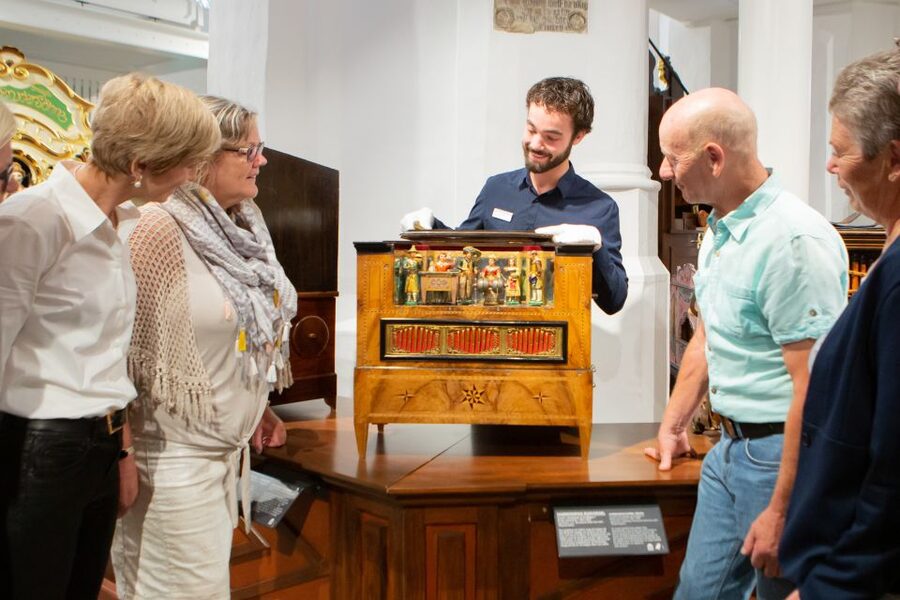
A museum of instruments can easily become a row of cases and labels. Museum Speelklok avoids that problem by making sound the main event. The machines are not merely objects from the past. They perform.
That difference matters. When you hear a mechanical orchestra begin, you understand at once how much work is hidden inside the wooden cabinets, metal cylinders, pipes, pins, gears, and moving parts. The sound gives the objects a purpose. You are not simply studying an old device. You are hearing the reason it was made.
The collection also covers a wide range of scale. At one end, you have the smallest music boxes, with their delicate and compact mechanisms. At the other, you have the large barrel organs and orchestrions that were built to fill a room with music. This changing scale keeps the visit from feeling repetitive.
I especially like the mix of technology and human skill. The machines may play by themselves, but they survive only because people restore and maintain them. That work is easy to overlook when an instrument is polished and ready for a performance. Here, the museum helps you notice the repair skills that keep these objects playing for future generations.
More Museum Tours in Utrecht:
- Utrecht: Centraal Museum Entrance Ticket
★ 4.4 · 72 reviews - Utrecht: Hoge Woerd Museum Entry Ticket with Audio Tour
★ 3.3 · 3 reviews - Amsterdam: Van Gogh Museum Ticket
★ 4.7 · 52,054 reviews
Start with the Museum Expedition
The Museum Expedition is the natural place to begin. It introduces the stories, technical craft, and music connected with the collection. Think of it as a guided route through the museum’s ideas, rather than a quick orientation at the front door.
This part is valuable because mechanical instruments can seem mysterious if you do not understand how they operate. The expedition gives you a way to connect the sound with the machinery. You begin to notice that these instruments are carefully designed systems, not magic in the literal sense, even if the effect can feel magical.
The presentation also gives the collection a human side. You learn about the people who built, used, repaired, and preserved the machines. That context turns an unusual museum into a story about creativity, entertainment, engineering, and patience.
A hands-on element may make this particularly appealing for families. One visitor specifically enjoyed being allowed to touch certain things during the presentation. That small detail matters. Children often understand a machine faster when they can see how it moves or feel part of the demonstration, rather than only reading a label.
Still, do not expect every part of the museum to be interactive. The main attraction remains listening and watching. If you prefer fast-moving exhibits, you may find the pace slow.
Join the hourly tour in English or Dutch
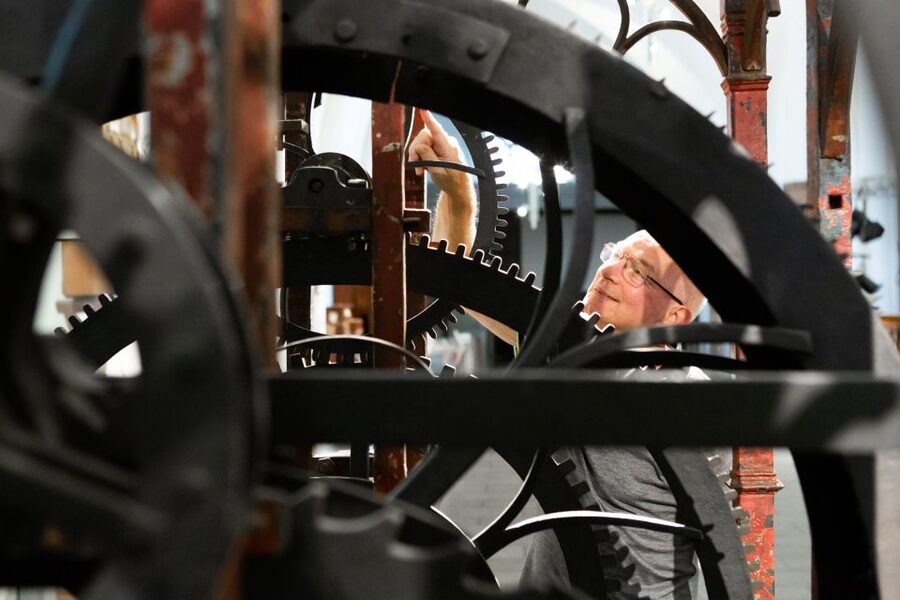
The free tour is included with admission and runs every hour in English and Dutch. If you speak English, confirm the next English departure when you arrive. The tour is one of the clearest ways to make the ticket feel worthwhile.
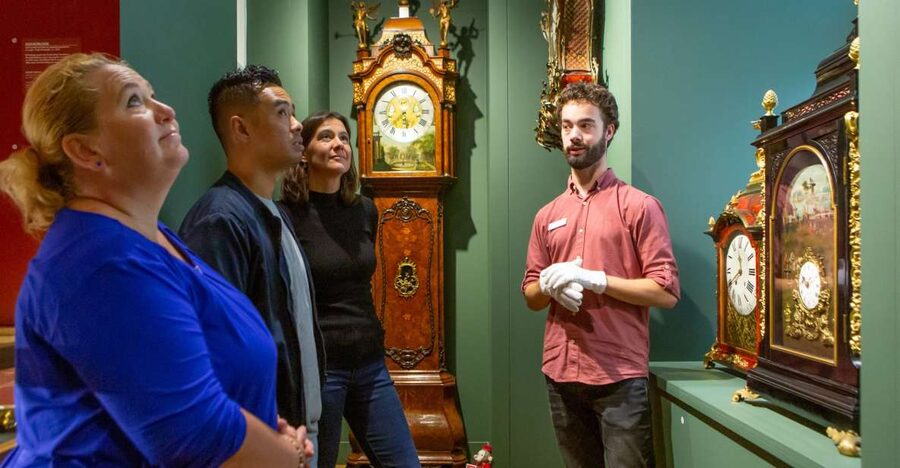
A mechanical instrument can look impressive without being easy to understand. A guide can explain what you are hearing, point out the moving parts, and tell you why a particular machine matters. The presentation is also described as informative and entertaining, a useful combination for a museum where the subject might otherwise sound technical.
The tour does not just list dates and names. It connects the music to the mechanics. You may hear about the creative choices behind a music box, the construction of a street organ, or the care needed to keep a self-playing orchestra working. The best moments come when the machine starts and the explanation becomes sound.
The tour is also a smart first stop for people who worry that the museum may be too specialized. You do not need a background in music, engineering, or Dutch culture. The guide supplies the framework, and then you can explore the displays with better ears.
The main practical caution is seating. A visitor praised the presentation and the chance to touch certain items, but wished there were seats for some demonstrations. If standing for a while is difficult, ask about seating before the presentation begins. The museum is wheelchair accessible, but the supplied information does not specify seating arrangements for each stop.
Hear the smallest music box and the largest barrel organ
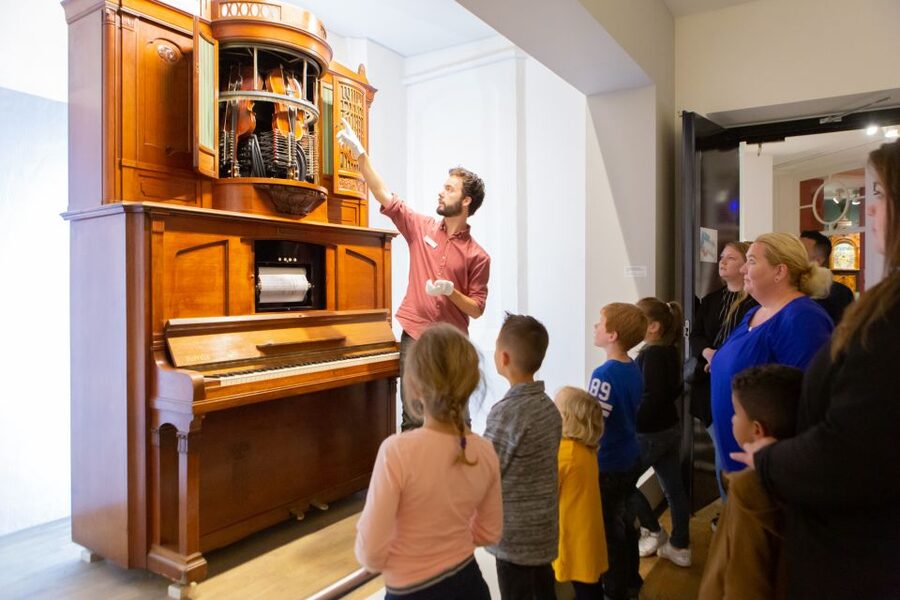
The size range gives the museum its rhythm. A small music box creates an intimate moment. You listen closely and appreciate how much sound comes from such a compact object.
Then the scale shifts. A large barrel organ produces a much bigger performance, with a physical presence that can make the machine feel almost theatrical. The contrast helps you understand why mechanical music developed in so many forms. Some instruments were designed for private enjoyment, while others were built for public spaces and larger crowds.
The machines can be more expressive than you expect. Their music comes from precise physical actions, yet the result can sound lively and full of character. The appeal is not only technical accuracy. It is the personality of each instrument, including the sounds, decorations, size, and method of playing.
I would listen carefully during each demonstration instead of treating the performances as background noise. Look at what moves. Notice how the machine’s size affects the sound. Watch for the points where the mechanism turns a coded pattern into music.
If you are visiting with children, this is where the museum may work best. The instruments make an immediate impression, and the change from tiny boxes to giant organs gives the visit a clear visual and musical progression.
A few more options to weigh up in Utrecht
- Utrecht: City Canal Cruise
★ 4.3 · 2,895 reviews - Utrecht: De Haar Castle & Park Entry Ticket
★ 4.7 · 1,350 reviews - Utrecht: DOMunder Entry Ticket with Guide
★ 4.4 · 706 reviews - Utrecht: Dom Tower Entry Ticket and Guided Tour
★ 4.6 · 513 reviews
Meet Arabier, the Dutch street organ
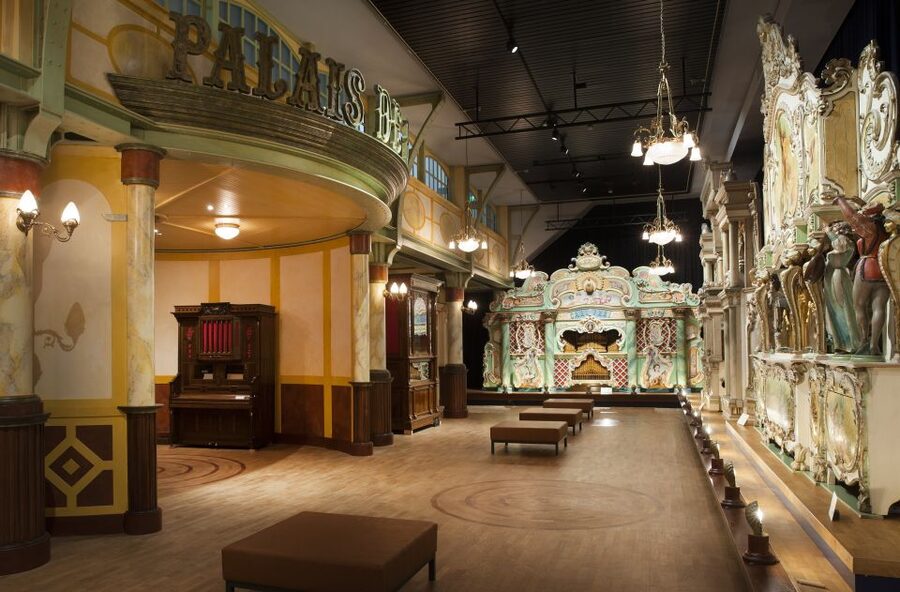
Arabier is one of the museum’s famous street organs and a useful introduction to Dutch public music. The name alone makes it easy to remember, but the sound is what gives the instrument its importance.
Street organs were made to be heard outdoors. They belong to a tradition of bringing music into public places through large, portable mechanical instruments. At Museum Speelklok, you can encounter that tradition in a setting where the construction and performance can be examined more closely.
Arabier also helps explain why these instruments were more than curiosities. A street organ could gather people, fill a public space, and make music available without a full orchestra. The machine combined engineering, decoration, and entertainment in one object.
Listen for the difference between a street organ and a small music box. The larger instrument has a broader presence, and its design reflects the need to project sound. A guide can help you understand the details, so this is another reason to join the tour rather than simply walk through on your own.
The museum’s collection of traditional Dutch street organs gives the visit a local connection. You are not just seeing old European machinery in the abstract. You are hearing an instrument type closely linked with Dutch public life and musical tradition.
Look for the Violina, the so-called 8th world wonder
The Violina is presented as the so-called 8th world wonder, which is a bold claim for an instrument. That playful description signals that this is not just another display in the collection.
The attraction comes from the combination of music, movement, and craftsmanship. Mechanical instruments can make familiar ideas feel strange again. A violin is normally associated with a musician’s hands and bow, but a mechanical version raises a different question: how can machinery reproduce the gestures needed to create music?
You do not need to know the engineering details to appreciate the effect. Watch the instrument operate, listen to its sound, and consider how much trial and error must have gone into making it work. The Violina is a good example of the museum’s central theme: technology can imitate performance, but the imitation requires extraordinary human ingenuity.
Because the Violina has such a distinctive reputation, it is worth asking when it will be demonstrated. Demonstration times can shape your visit, especially if you have limited time. The available information confirms hourly tours but does not provide a separate performance schedule for every instrument.
Restoration is part of the story
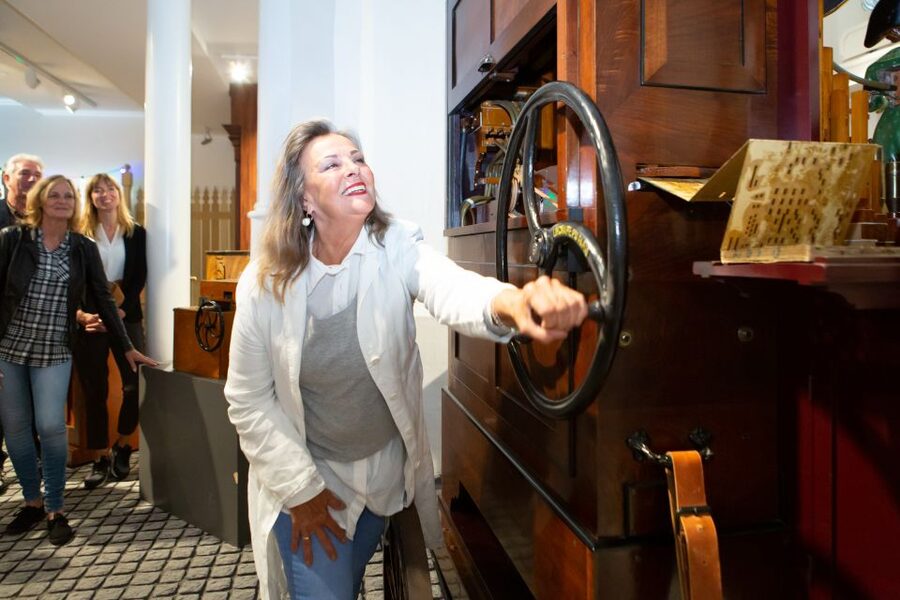
One of the most valuable ideas at Museum Speelklok is that preservation is active work. These machines cannot simply sit in a climate-controlled room and be expected to survive unchanged. They must be repaired, adjusted, and cared for.
That work adds weight to every performance. When an instrument plays, you are hearing the result of both its original makers and the modern specialists who keep it functioning. A century-old mechanism is not preserved by accident.
The museum lets you appreciate restoration as a form of craftsmanship. Tiny parts must work together. A small fault can affect the sound or stop the instrument altogether. The technical skill is hidden when everything goes well, which makes the successful performance even more impressive.
I would pay attention to any explanation of restoration during the tour. It is easy to focus on the music and forget the maintenance behind it. The museum’s best lesson is that old technology can remain useful and moving when people take the trouble to understand it.
How long should you spend inside?
The ticket is valid for one day, and the activity description gives a one-day duration rather than a fixed visit length. That flexibility is helpful. You can build the museum around the hourly tour and take your time with the collection.
A quick visit may work if you attend one presentation and walk through the main displays. The lower-rated experience described the museum as enjoyable but easy to finish quickly, which is a fair warning for anyone who prefers large museums with many rooms and constant activity.
You are more likely to enjoy a longer stay if you:
- Join the free tour in your preferred language.
- Listen to several machines rather than passing them silently.
- Spend time comparing small music boxes, orchestrions, street organs, and barrel organs.
- Pay attention to restoration and technical details.
- Visit with children who will enjoy the moving mechanisms.
- Plan around the demonstrations of Arabier and the Violina when possible.
The museum is not a place to rush through in ten minutes. At the same time, it may not fill an entire day for every person. The one-day ticket gives you freedom, but your ideal visit depends on your interest in mechanical music.
Is the $20 ticket good value?
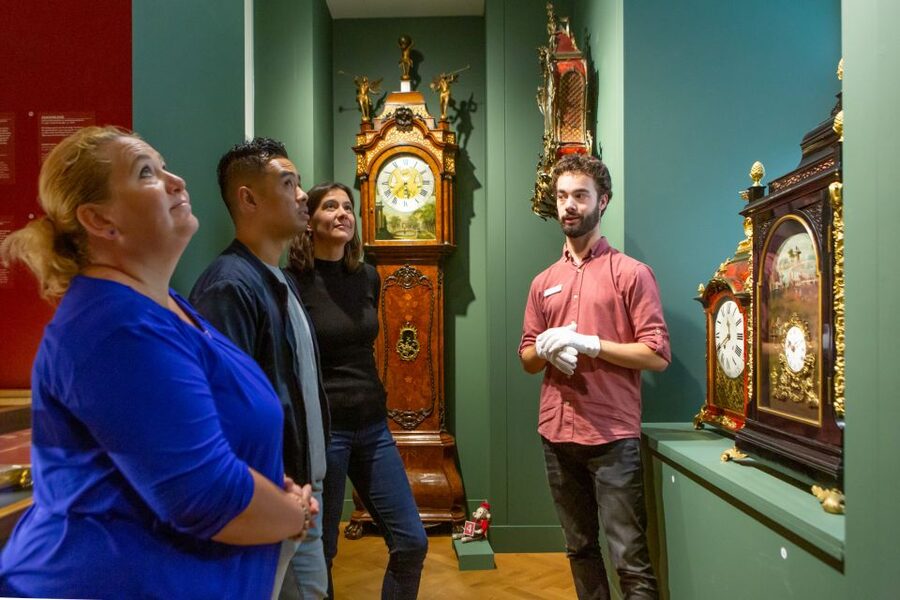
At $20 per person, the ticket is reasonably priced if you use the included tour and attend live demonstrations. You are paying for more than access to static displays. You get the chance to hear century-old machines, learn how they work, and see a collection that includes unusual large-scale instruments.
The value is strongest for families, music fans, people interested in engineering, and anyone looking for a museum that is different from the usual art or history collection. The hands-on moments can add extra appeal for children.
The value is less certain if you dislike guided presentations or expect hours of nonstop activity. One person found the museum enjoyable but felt they had seen enough fairly quickly. That does not make the ticket poor value, but it tells you to set the right expectation.
A free tour in English or Dutch helps the price. It gives you interpretation without an extra guide fee, and it helps turn a specialized collection into a more understandable visit. I would time my arrival so I could attend one soon after entering.
Food and drinks are not included, and food and drinks are not allowed inside. Transportation is also not included, so account for your route to Utrecht and any local transport separately.
Who will enjoy Museum Speelklok most?
I would recommend this museum to people who like unusual collections, working machines, and live demonstrations. It is also a strong family choice because sound and movement can hold a child’s attention better than long written panels.
Music lovers will appreciate the range of instruments, from tiny boxes to self-playing orchestras. Engineering-minded visitors will enjoy the mechanical problem solving. Adults who like Dutch culture should give special attention to the street organs, especially Arabier.
The museum may be less suitable for someone seeking a large art collection, a fast-paced attraction, or a quiet place to sit and browse. Certain presentations have no seating, and the museum’s appeal depends heavily on your willingness to listen and watch machines operate.
The wheelchair-accessible status is useful for planning, though the available details do not explain every route or seating arrangement. If you need a seat during demonstrations, ask the staff before joining.
Practical booking advice
The host and tour languages are English and Dutch. You can cancel up to 24 hours in advance for a full refund, and the reserve-now, pay-later option lets you hold a place without paying immediately.
Those terms are helpful if your Utrecht plans may change. Check the available starting times before booking, since the ticket lasts one day but the tour schedule is tied to hourly departures.
I would not book this as a transport-inclusive excursion. It is an admission ticket to Museum Speelklok, with the museum tour included. You need to arrange your own way to Utrecht and your own food before or after the visit.
Should you book Museum Speelklok?
Book it if you want an unusual, sound-filled museum with working instruments, a free English tour, and strong family appeal. The best reasons are the live demonstrations, the range from music boxes to barrel organs, and memorable machines such as Arabier and the Violina.
Think twice if you prefer to move quickly or need guaranteed seating during every presentation. The museum can feel brief without the tour, and the subject is specialized.
For most people, I would choose the ticket and join the first suitable hourly tour. That simple choice gives you the stories, the mechanics, and the music in one visit. At $20, it is a fair deal for a distinctive Utrecht stop that you will not confuse with an ordinary museum.
FAQ
Where is Museum Speelklok located?
Museum Speelklok is located in Utrecht Province in the Netherlands.
What does the entry ticket include?
The ticket includes the entrance fee and the museum tour.
How long is the ticket valid?
The activity has a duration of one day. Check availability for the starting times.
Is a museum tour included?
Yes. A museum tour is included, and a free tour is conducted every hour in English and Dutch.
What languages are available?
The host or greeter and tour information are available in English and Dutch.
Is Museum Speelklok wheelchair accessible?
Yes, the activity is listed as wheelchair accessible.
Can I bring food or drinks inside?
No. Food and drinks are not allowed inside, and they are not included with the ticket.
Just added in Utrecht
- Vecht River: Private Tour sightseeing Cruise with diner★ 5.0 · 5 reviews
- Utrecht Walking Tour with a local comedian as guide★ 4.8 · 5 reviews
- Utrecht Quiz Tour★ 3.2 · 31 reviews
- Utrecht: Vegan Food Bike Tour – 6 Tastings (excl. bike)★ 5.0 · 7 reviews
- Utrecht or Amsterdam Sidecar Tour. City, rural or TAILORMADE★ 5.0 · 2 reviews
- Utrecht: Lofen Palace with Entry Ticket & Guide (Dutch)★ 4.4 · 41 reviews
- Utrecht: Ludwig’s Original Pub Crawl with VIP Club Entry★ 3.3 · 42 reviews
- Utrecht: Domplein Highlights Tour★ 4.1 · 7 reviews
Museums, compared.
Moco Museum Amsterdam Entrance Tickets with Banksy & More
Read our review →


Amsterdam’s Weirdest Museum: Believe It or Not!
Read our review →
Browse the lists this tour appears in