
Review · HISTORICAL TOURS
Amsterdam: Financial History Tour
Money changed Amsterdam forever.
This private 2.5-hour walk follows that change from the old harbor to the canal belt, linking the world’s first stock exchange, the Dutch East India Company, early banking, and the city’s financial bubbles. I like the tour’s unusual angle, and I especially like that it includes a 100-year-old bank vault rather than stopping at street-side explanations. The guide also connects past institutions to modern multinational companies, giving you a useful way to see familiar Amsterdam streets.
You do not need a background in economics to enjoy it. The stories are about ambition, risk, war, trade, and greed as much as balance sheets. I also like the private-group format, which should give you more room to ask questions. The main drawback is the walking: the route covers about 3 kilometers, and the tour is not suitable for wheelchair users, people with mobility impairments, or people with visual impairments.
In This Review
- Key points to know before booking
- Why Amsterdam’s money story matters
- Starting at Bistro Berlage and the Beurs van Berlage
- From Dam Square to the Dutch East India Company
- The bank vault that gives the tour weight
- Amsterdam City Archives and the center of 18th-century banking
- Walking the canal belt with a financial filter
- How much value do you get for $165?
- The guide can shape the whole experience
- Who should book, and who should skip it?
- Should you book the Amsterdam Financial History Tour?
- FAQ
- Where does the Amsterdam Financial History Tour start?
- How long does the tour last?
- How far do you walk?
- What languages are available?
- Is the tour private?
- Is the bank vault included?
- What main places does the tour visit or pass?
- Is the tour suitable for wheelchair users?
- Can you cancel for a refund?
Key points to know before booking
- A 3-kilometer walk links Amsterdam’s financial milestones, from Beursplein to Amsterdams Lieverdje.
- The Beurs van Berlage is a major early stop, near the site associated with the world’s first stock exchange.
- The vault is the tour’s strongest hands-on feature, though Monday departures visit the V.O.C. headquarters instead.
- The story reaches from the Dutch East India Company to modern multinational headquarters, not just old banking buildings.
- The tour costs $165 per person, a high price that makes the private guide and special access important to the value.
- Edgar received specific praise for his guiding, with the vault singled out as the best part of the experience.
Why Amsterdam’s money story matters
Amsterdam is often introduced through canals, merchant houses, and the Dutch Golden Age. This tour asks a sharper question: how did the money behind that success work?
The answer involves financial tools that still shape daily life. Amsterdam became a center for organized trading, investment, lending, and large companies. The tour presents the city as a place where new ways of raising and moving money helped merchants finance voyages and expand business far beyond the Netherlands.
That idea gives the walk a useful focus. Instead of viewing grand buildings as pretty old facades, you begin to ask who paid for them, who took the risks, and who profited. You also hear about the world’s first stock exchange, the first limited company, and the first central bank.
Those claims make this more than a standard sightseeing walk. You are looking at the foundations of modern capitalism in the streets where some of those systems developed. The subject can sound dry on paper, but the promised stories include bubbles, bank robbery, and the financing of World War II. That mix should keep the tour grounded in human drama.
More History Tours in Amsterdam
- Amsterdam Food and Cultural Tour with Tastings
★ 5.0 · 2,442 reviews - Amsterdam: Haunted History and Ghost Walking Tour
★ 4.5 · 488 reviews - Amsterdam High-End Dutch Food & History Tour – Up to 8 guests
★ 5.0 · 482 reviews
Starting at Bistro Berlage and the Beurs van Berlage
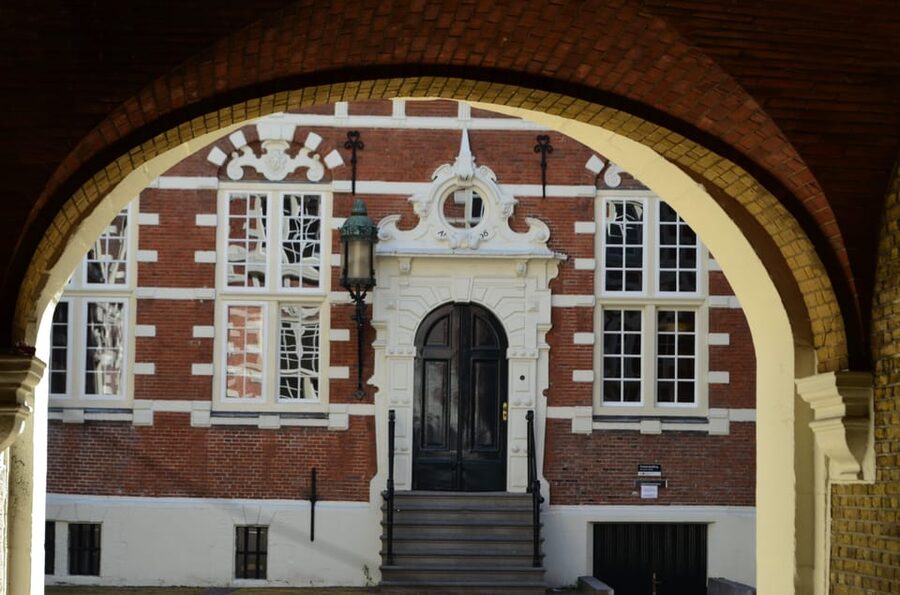
The meeting point is Bistro Berlage, in front of the Beurs van Berlage on Beursplein. This is a practical place to begin because the building immediately puts you beside one of the tour’s central subjects: organized trade and the rise of the stock exchange.
The Beurs van Berlage is not simply a quick photo stop. You receive a guided visit, and the building helps set the scene for Amsterdam’s commercial past. Its position by the old harbor matters too. Goods, ships, merchants, information, and money all met in this part of the city.
You should expect the guide to explain how the exchange system changed business. Rather than relying only on personal contacts and private deals, merchants could gather, trade interests, and respond to a wider flow of information. That shift made commerce faster, larger, and riskier.
The building is also a good early stop because it gives you something concrete before the tour moves into more abstract subjects. You can see where financial activity took place, then follow the story into institutions that are less obvious from the street.
From Dam Square to the Dutch East India Company
The route passes by Dam Square before turning to the Dutch East India Company, usually known by its Dutch initials, V.O.C. The company is one of the clearest examples of how Amsterdam’s financial inventions supported overseas trade.
The V.O.C. is described as the first multinational company in the world. That label is important because the company did more than send ships abroad. It organized large-scale investment, connected distant operations, and created a structure in which people could buy shares rather than personally finance an entire voyage.
That system spread risk among investors, at least in theory. It also created a powerful company with major influence. A financial history tour should not treat this only as a clever business breakthrough. The money supported expansion and trade on a huge scale, with serious human and political consequences.
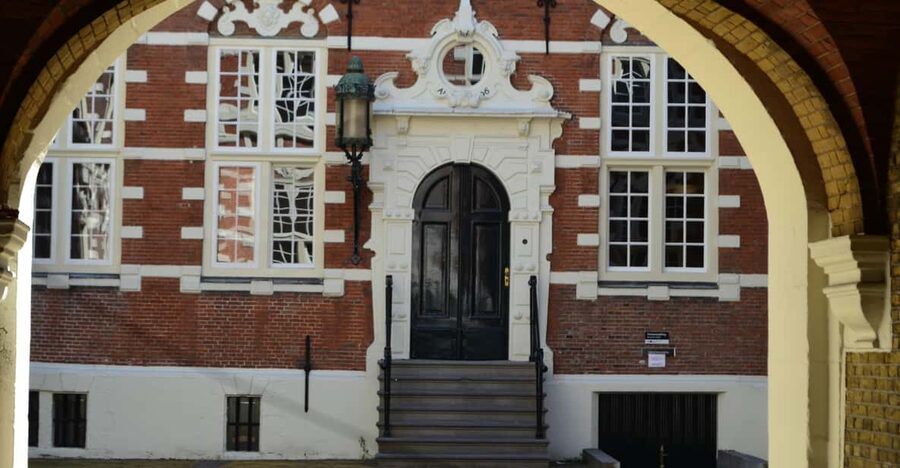
The tour also passes the former Stadsbank van Lening, Amsterdam’s municipal loan bank. Even without a long interior visit, the building adds a different side to the story. Finance was not only about wealthy merchants and overseas companies. Lending institutions also affected ordinary people who needed access to money.
On Monday tours, the included special visit changes from the old bank vault to the V.O.C. headquarters. That is an important planning detail. If the vault is your main reason for booking, avoid Monday or check the exact schedule before paying.
The bank vault that gives the tour weight
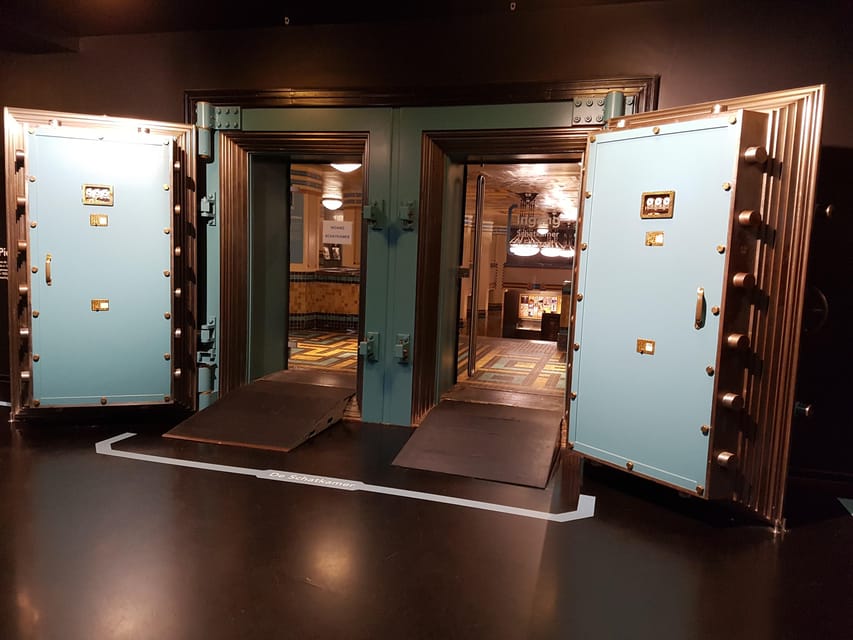
The visit to a 100-year-old bank vault is the most distinctive feature of this experience. One verified booking specifically praised Edgar as a fantastic guide and singled out the vault as the best part of the tour. That gives you a clear clue about where the tour’s strongest physical experience lies.
A vault turns financial history into something you can picture. You are no longer hearing only about money moving through ledgers or companies raising capital. You are entering a secure space designed to protect valuable assets, and that makes the practical side of banking easier to understand.
The available information does not specify every detail inside the vault, so you should not expect a guaranteed display of particular objects or a staged robbery scene. What you can count on is the visit itself, except on Mondays when the V.O.C. headquarters replaces it.
This is also where the tour’s stories about Dutch banking and the country’s greatest bank heist can gain extra force. The supplied details do not identify the heist or describe exactly how it is presented, so the guide’s explanation will matter. If crime stories help you remember history, this part should be especially appealing.
The tour also asks how World War II was financed. That is a serious subject, and it widens the discussion beyond Amsterdam’s 17th-century prosperity. You are not getting a simple story of clever merchants and economic success. You are also looking at how financial systems can support governments and wartime efforts.
A different kind of day out entirely:
- Amsterdam: Van Gogh Museum Ticket
★ 4.7 · 52,054 reviews - Amsterdam Classic Saloon Boat Cruise with Drinks and Cheese
★ 5.0 · 31,825 reviews - Amsterdam Luxury Canal Cruise + Unlimited Drinks & Bites option
★ 5.0 · 30,518 reviews - Amsterdam: Heineken Experience Ticket
★ 4.6 · 30,055 reviews
Amsterdam City Archives and the center of 18th-century banking
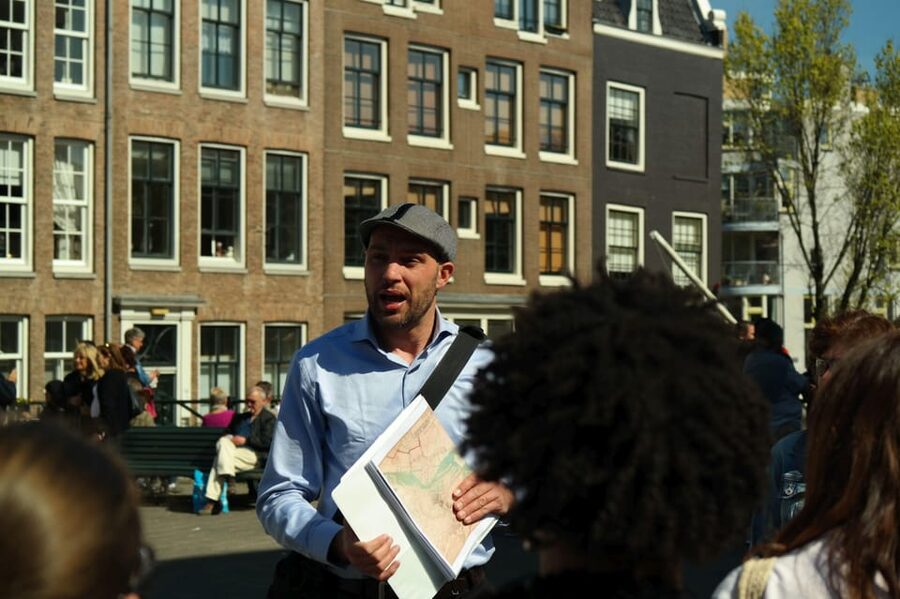
The route includes a visit to the Amsterdam City Archives. This is a valuable change of pace after the exchange and street-level stops. Archives help show how financial history is recorded, preserved, and interpreted.
The tour describes this area as the center of 18th-century banking. That period offers a useful contrast with the earlier rise of the V.O.C. The city’s financial role did not end when one company or one trading era passed its peak. Banking developed through changing institutions, changing risks, and changing links between local commerce and international finance.
You might find this stop more rewarding if you enjoy documents, institutions, and historical context than if you want a fast-moving sightseeing tour. The archive visit suggests a focus on explanation rather than spectacle. A private guide can also make a difference here, since you can ask how the documents and buildings connect to the wider story.
The tour’s subject becomes more personal at this stage. Banking is not just a national system. It affects who can borrow, who can invest, who can protect wealth, and who suffers when a financial bubble bursts. Amsterdam’s economic bubble receives attention during the walk, helping you see that speculation is not a modern invention.
Walking the canal belt with a financial filter
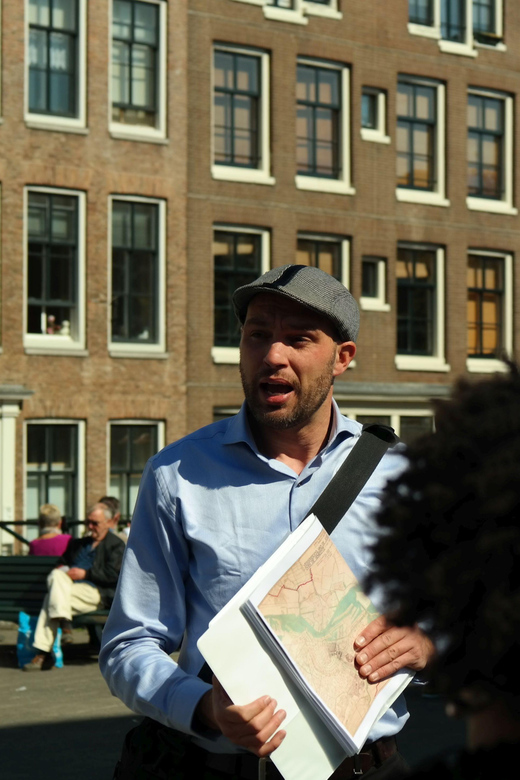
After the City Archives, you walk through the Grachtengordel, Amsterdam’s canal belt. The route finishes at Amsterdams Lieverdje, so the final section is a walk through one of the city’s most recognizable areas rather than a return to the starting point.
This part works best when the guide keeps connecting the architecture to business. The canal belt is famous for its elegant buildings, but the tour encourages you to read them as evidence of trade, investment, and accumulated wealth. The walk also includes headquarters of major companies from the 1500s to the present day.
That long time span is one of the tour’s strengths. You are not studying the Dutch East India Company as an isolated historical curiosity. You are following a line from early commercial organizations to multinational headquarters today.
The route covers about 3 kilometers over 2.5 hours. That is a moderate pace on paper, but the walking surface and weather can affect how it feels. Wear good shoes, and dress for the forecast. Amsterdam weather can make a canal walk pleasant or tiring, and there are no snacks or supplies included, so bring what you need.
How much value do you get for $165?
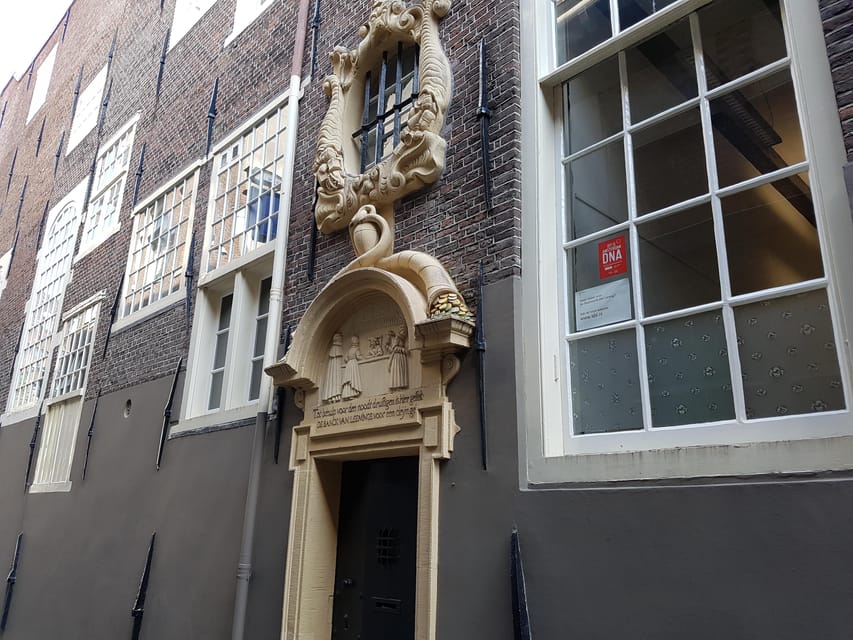
At $165 per person, this is not a budget walking tour. The price makes the format important. You are paying for a private guide, a focused subject, the Beurs van Berlage visit, the archive stop, and access to a century-old bank vault on most days.
The value is strongest for two kinds of visitors. First, it suits anyone who has already seen Amsterdam’s main sights and wants a new way to understand the city. Second, it suits people who enjoy economics, business, politics, or the stories behind major institutions.
The price is harder to justify if you mainly want canals, famous buildings, or a general introduction to Amsterdam. Much of the experience is about listening and making connections. It is not a sightseeing tour packed with major interiors, and there are no included snacks or transport.
The private-group setup helps the cost. You are not being folded into a large crowd, and a private guide can adjust the explanation to your interests. If your group includes someone curious about the stock exchange, banking, or the V.O.C., you can spend more time on those points instead of following a fixed lecture.
Free cancellation up to 24 hours before the tour and the option to reserve now and pay later reduce the booking risk. Still, the key question is not flexibility. It is whether you want to spend half a day examining the machinery behind Amsterdam’s wealth.
The guide can shape the whole experience
The available booking language lists Dutch and English as the tour languages. You should select the language that lets you follow financial terms and historical connections without strain.
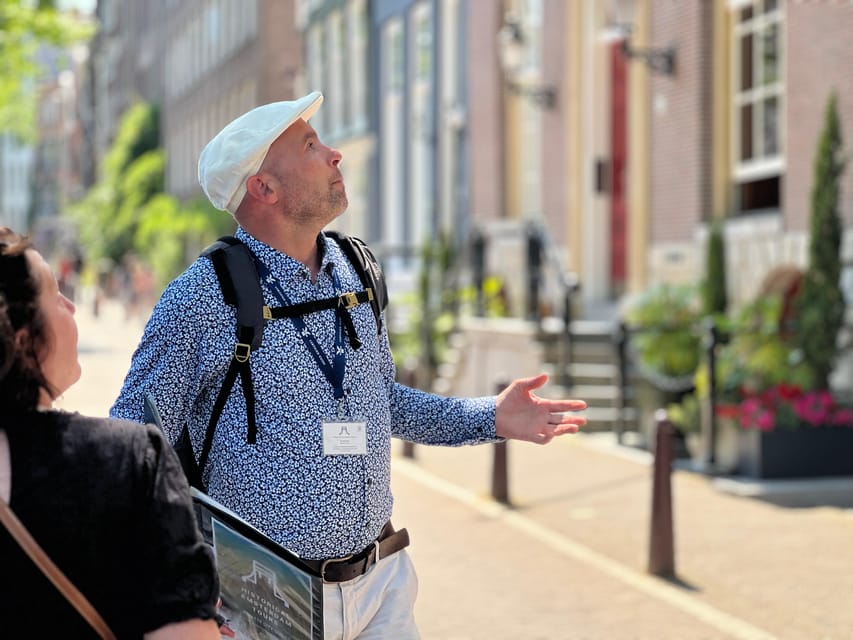
The only named guide connected with the experience is Edgar, who earned especially strong praise for his knowledge and for the vault visit. That is useful information, but it does not guarantee that Edgar will lead every departure. If having him as your guide matters, ask the provider before booking.
A good guide is particularly important on this tour because the subject includes several institutions and time periods. The stock exchange, V.O.C., municipal lending bank, central bank, archives, banking center, economic bubble, bank heist, and wartime finance could otherwise feel like a list of facts.
In a private group, you can ask for clarification when the story shifts from 17th-century trade to modern multinational business. You can also ask how the first limited company differed from later corporate forms, or how Amsterdam’s central bank fit into the city’s financial system. The tour should reward curiosity.
Who should book, and who should skip it?
I would recommend this tour to you if you want history with a clear theme and enjoy seeing familiar places from a different angle. It is also a good choice for repeat visitors, business-minded visitors, and anyone who likes stories about risk, power, institutions, and money.
You do not need a specific affinity for finance. The tour’s subjects include company expansion, banking, a bubble, a heist, and wartime funding. Those themes give the walk enough human conflict to interest people who would never choose a lecture on economics.
I would hesitate if you dislike walking or need step-free access. The tour is not suitable for people with mobility impairments, wheelchair users, or visually impaired people. The 3-kilometer route and weather exposure are practical limits, not minor footnotes.
I would also think twice if your main goal is a broad first-day overview of Amsterdam. This experience gives you a narrow but unusual lens. That is its appeal, but it also means you should already want a subject-driven tour rather than a checklist of major sights.
Should you book the Amsterdam Financial History Tour?
Book it if the idea of standing near the world’s first stock exchange, tracing the V.O.C.’s corporate model, and entering a 100-year-old bank vault sounds more interesting than another standard canal walk.
The vault is the deciding feature for me, especially since it received the strongest specific praise. Avoid Monday if that is your priority, because the V.O.C. headquarters visit replaces it then. At $165, this is a special-interest tour, but the private format and unusual access can make the price worthwhile for the right group.
Skip it if you want a low-cost, relaxed stroll or if accessibility is a concern. For everyone else, this is a smart way to understand how Amsterdam’s money helped shape the city, Europe, and the modern business world.
FAQ
Where does the Amsterdam Financial History Tour start?
The tour starts at Bistro Berlage, in front of the Beurs van Berlage on Beursplein.
How long does the tour last?
The tour lasts approximately 2.5 hours.
How far do you walk?
The route is approximately 3 kilometers.
What languages are available?
The live guide operates in Dutch and English.
Is the tour private?
Yes. The experience is offered for a private group.
Is the bank vault included?
A visit to a 100-year-old bank vault is included, except on Mondays, when the visit is to the V.O.C. headquarters instead.
What main places does the tour visit or pass?
The route includes the Beurs van Berlage, Dam Square, the former V.O.C. site, the Stadsbank van Lening, the Amsterdam City Archives, the Grachtengordel, and Amsterdams Lieverdje.
Is the tour suitable for wheelchair users?
No. The tour is not suitable for wheelchair users, people with mobility impairments, or visually impaired people.
Can you cancel for a refund?
Yes. You can cancel up to 24 hours in advance for a full refund. You can also reserve now and pay later.
Just added in Amsterdam
- Private Tour Zaanse Schans Windmills and Volendam in Jaguar★ 5.0 · 10 reviews
- Zaanse Schans and Giethoorn Unique Day Trip with Boat Cruise★ 4.5 · 17 reviews
- Windmills-Volendam-Giethoorn Private Tour in Jaguar★ 5.0 · 2 reviews
- Half-Day Private Guided Sightseeing Tour of Zaanse Schans★ 5.0 · 14 reviews
- Best of Netherlands: Zaanse Schans Mills, The Hague & Rotterdam★ 4.5 · 10 reviews
- Zaanse Schans Private Tour Windmills★ 5.0 · 18 reviews
- Zaanse Schans Windmills Edam Volendam and Marken from Amsterdam★ 5.0 · 1 review
- Zaanse Schans Edam Volendam Private Day Tour from Amsterdam★ 5.0 · 3 reviews
Historical Tours, compared.
Amsterdam Food and Cultural Tour with Tastings
Read our review →
Kinderdijk UNESCO World Heritage Entry Ticket
Read our review →
Hop-on Hop-off Old-Fashioned Heritage Tram Tour
Read our review →


Amsterdam High-End Dutch Food & History Tour – Up to 8 guests
Read our review →
Cruise through the Historic City Center with Guide
Read our review →
Browse the lists this tour appears in