
Review · JEWISH HERITAGE & WWII TOURS
Amsterdam: Jewish Quarter and History Guided Tour
Amsterdam’s quiet streets carry heavy stories. This two-hour walk makes the Jewish Quarter readable, linking the Portuguese Synagogue, Jewish Historical Museum, Dokwerker, and Auschwitz Monument to the lives of people who lived through Nazi occupation. I like the strong historical focus and the way the best guides, including James, Aaron, and Jyry, make room for difficult questions. The main drawback is pace: one guest found the tour moved quickly between stops, leaving little time to pause or study memorials.
I also like the choice between a private walk and a small shared group, especially for a subject that benefits from conversation. The tour costs about $23 per person, a fair price for two hours with a live English or Spanish guide, though you should confirm the meeting point and endpoint for your selected option.
In This Review
- Key points at a glance
- A serious walk through Amsterdam’s Jewish Quarter
- Starting beside the Amstel River
- Portuguese Synagogue and Jewish community life
- The Jewish Historical Museum and the Jewish Council
- The Dokwerker and the meaning of public memory
- The Auschwitz Monument and the weight of the walk
- Anne Frank House and the final stop
- How the guides handle a difficult subject
- Pace, group size, and practical comfort
- Is $23 a fair price?
- Who should book this Amsterdam history walk?
- Should you book it?
- FAQ
- How long is the Amsterdam Jewish Quarter tour?
- How much does the tour cost?
- Is the tour private or shared?
- Which languages are available?
- Does the tour include entry to Anne Frank House?
- What landmarks does the route include?
- What is included in the price?
- Can I cancel the booking?
Key points at a glance
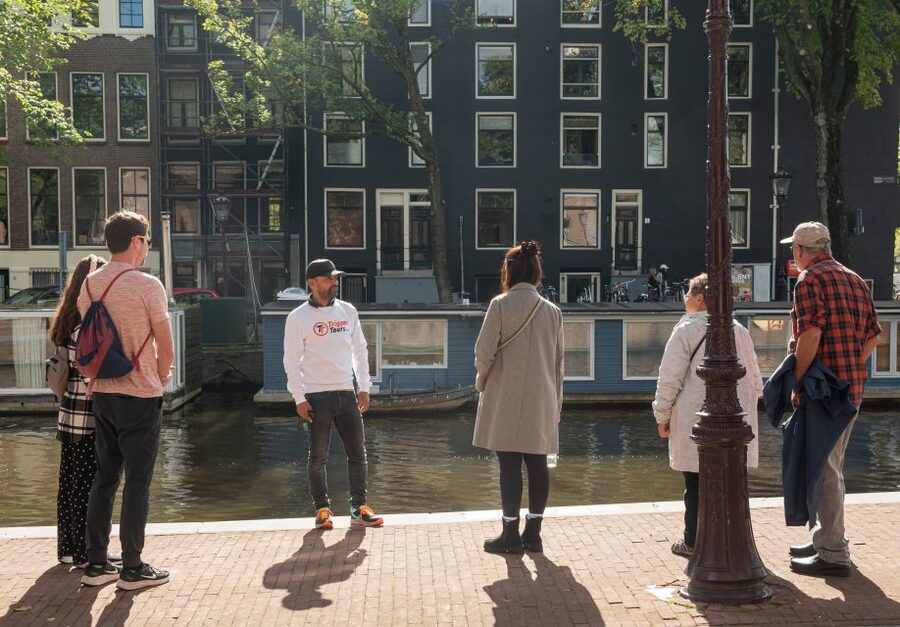
- A street-level look at wartime Amsterdam: Learn how occupation changed ordinary Jewish life from 1940 to 1945.
- Memorials with context: The Dokwerker and Auschwitz Monument mean far more when a guide explains the events behind them.
- A useful route through Jewish Amsterdam: The walk connects the Portuguese Synagogue, Jewish Historical Museum, Jewish Council headquarters, and Anne Frank House area.
- Strong guide-led experience: James receives especially warm praise for his clarity, patience, and sensitive handling of personal questions.
- Small groups can make a difference: A private or small-group format gives you more chance to ask about family history and difficult subjects.
- Allow for a solemn finish: This is a serious history tour, not a light sightseeing stroll, and the endpoint may vary by booking option.
A serious walk through Amsterdam’s Jewish Quarter
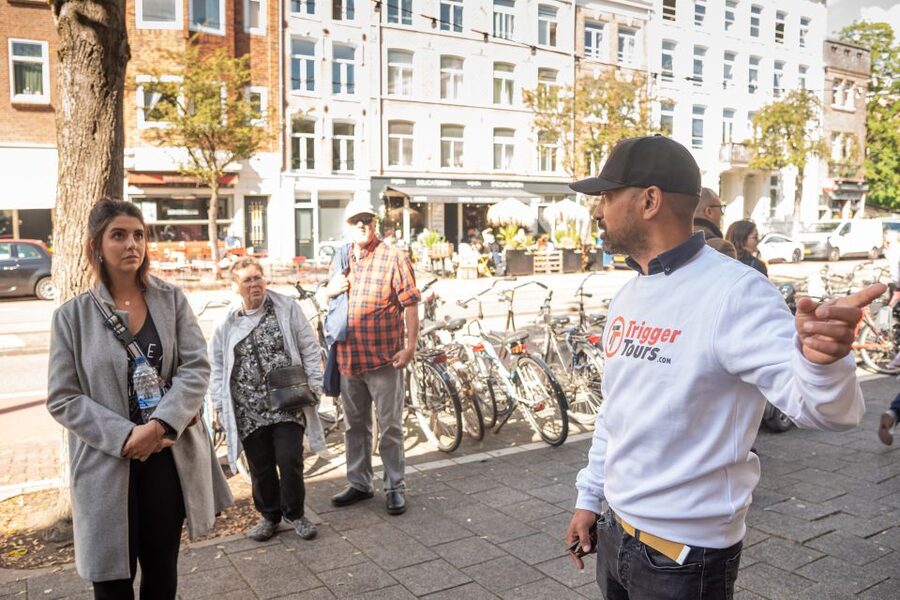
This tour is for seeing Amsterdam through the experience of its Jewish inhabitants, not simply ticking off old buildings. The guide explains how the Nazi occupation affected the capital and how laws, surveillance, forced registration, and deportation changed daily life.
That focus gives the walk its value. Without a guide, many streets and façades appear ordinary. With the right explanation, a building can become part of a story about community life, persecution, resistance, bureaucracy, and loss.
The subject is painful, and the tour does not try to soften it. At the same time, the strongest guides present the material with care and balance. James is repeatedly praised for being clear, patient, and respectful when questions become personal. Aaron is also singled out for his friendly manner and firm grasp of the subject. Jyry received praise for adjusting the discussion to the group and adding useful historical perspective.
You should expect a reflective experience. There is no food, entertainment, or indoor attraction included. The reward is a clearer understanding of Amsterdam’s Jewish community before and during World War II.
More History Tours in Amsterdam
- Amsterdam Food and Cultural Tour with Tastings
★ 5.0 · 2,442 reviews - Amsterdam: Haunted History and Ghost Walking Tour
★ 4.5 · 488 reviews - Amsterdam High-End Dutch Food & History Tour – Up to 8 guests
★ 5.0 · 482 reviews
Starting beside the Amstel River
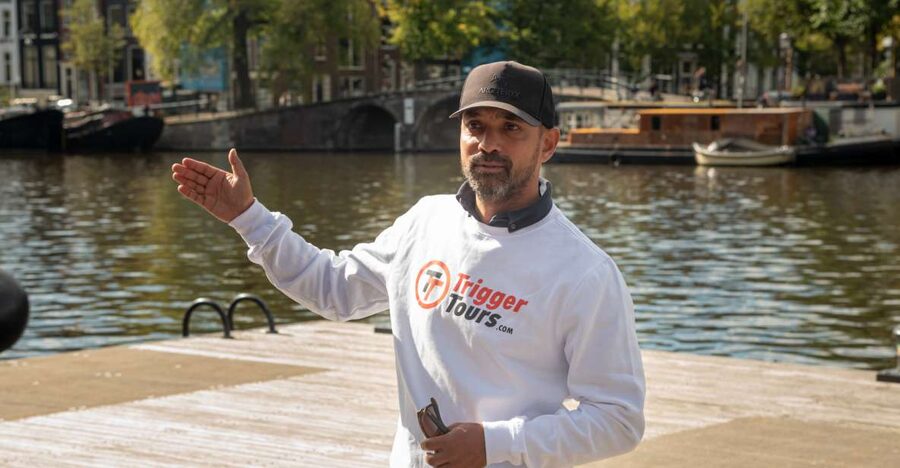
The walk begins near the Amstel River, though the exact meeting point depends on the option you book. From there, the guide sets the broad background: the Netherlands under Nazi rule from 1940 through 1945, with special attention to Amsterdam.
This opening matters because the tour is not only about the final years of the war. You first get a sense of the Jewish community that existed before persecution: its institutions, places of worship, neighborhoods, and links to wider Amsterdam.
I appreciate this approach. The wartime story has more meaning when you understand that this was a living community with families, businesses, religious buildings, social networks, and ordinary routines. The tour aims to show what was disrupted, not just list dates and tragedies.
The river is also a practical starting place for a walking route. You will be on foot for the full two hours, so wear shoes suitable for city streets and be ready for a steady pace. The information provided does not promise regular stops for sitting, so this is best suited to people comfortable walking and listening at the same time.
Portuguese Synagogue and Jewish community life
The Portuguese Synagogue is one of the major landmarks along the route. Its presence helps explain the long history of Jewish life in Amsterdam and the importance of religious and community institutions.
The guide uses places such as this to move beyond wartime events. You learn about the people connected to the quarter and the role these buildings played before the occupation. That wider frame prevents the area from becoming only a memorial zone.
For you, the important point is that the tour is about continuity as well as destruction. Amsterdam’s Jewish story did not begin in 1940, and the community cannot be understood only through the Holocaust.
The tour is a walking visit, not a listed interior tour of the Portuguese Synagogue. Treat this stop as part of the outdoor route unless your booking details say otherwise. The value comes from the guide’s explanation and the connection between the building and the surrounding streets.
The Jewish Historical Museum and the Jewish Council
The route also passes the Jewish Historical Museum and the former headquarters of the Jewish Council. These stops bring two different ideas into the same conversation: Jewish identity and the machinery of occupation.
The museum represents a place where Jewish life, religion, culture, and memory are preserved and explained. The Jewish Council headquarters points to the complicated administrative reality of the war years. A guide can explain how Jewish institutions and leaders were placed in an impossible position under Nazi rule.
That context is one reason I would not recommend walking this area alone if your main goal is historical understanding. You can see the buildings, but you may not know why a particular address matters or how one event connects to the next.
One useful feature of a small group is the chance to ask for clarification right away. Several people praised guides for answering difficult or personal questions without becoming theatrical. That is especially important here, since the history involves moral choices and painful family stories.
More Jewish heritage and wartime walks in Amsterdam:
- Amsterdam: Life of Anne Frank and World War II Walking Tour
★ 4.8 · 10,467 reviews - Anne Frank Walking Tour Amsterdam Including Jewish Cultural Quarter
★ 5.0 · 1,879 reviews - Amsterdam: Dutch WWII Resistance Museum Entry Ticket
★ 4.7 · 951 reviews - Anne Frank and Jewish Quarter Amsterdam Private Walking Tour
★ 5.0 · 684 reviews
The Dokwerker and the meaning of public memory
The Dokwerker is one of the route’s most important monuments. The sculpture is tied to the February Strike, a major act of protest against the persecution of Jewish people during the occupation.
A guide gives the monument a place in the larger story rather than treating it as a quick photo stop. You hear why it matters and how Amsterdam remembers the people who resisted Nazi measures.
This is a good example of the difference between a guided walk and a map-based stroll. A monument can look simple until someone explains the event, the people involved, and the risks behind it.
The practical weakness is time. One person felt the group sometimes moved on before everyone had absorbed a monument or taken a photograph. If you like to linger, tell your guide early. You may need to choose between staying with the group and taking extra time at a particular stop.
The Auschwitz Monument and the weight of the walk
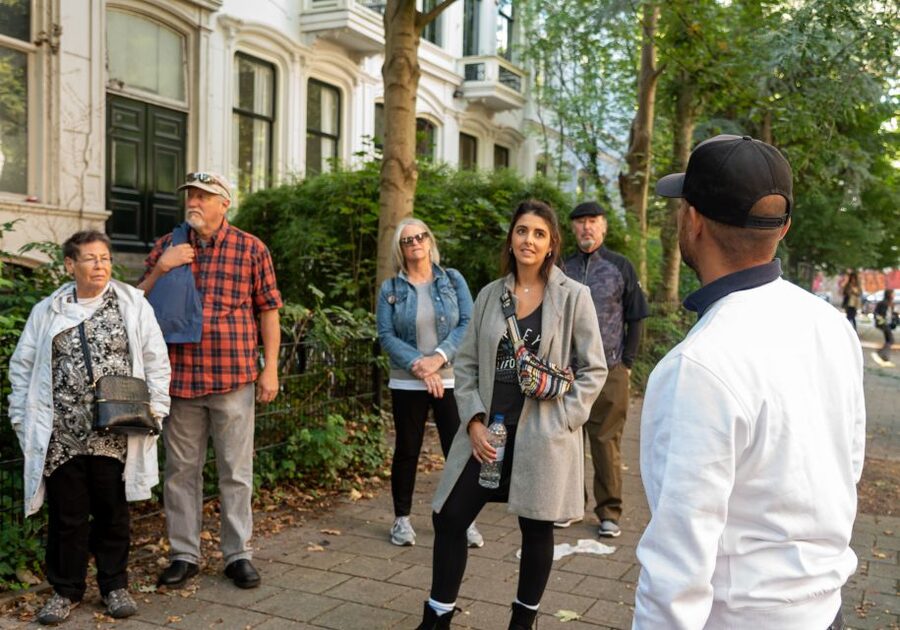
The Auschwitz Monument brings the tour to its most solemn point. It is a memorial to those murdered at Auschwitz, and the guide explains how it connects to the Jewish story of Amsterdam.
This is not a quick sightseeing stop. The memorial asks you to slow down mentally, even if the walking schedule keeps moving. I value the fact that the tour gives the monument meaning rather than reducing it to a name on a route map.
The guide also discusses daily life under occupation and the behavior of Dutch people toward Jewish residents. That part is important because it avoids a simple story with only heroes and villains. The occupation involved persecution, compliance, resistance, fear, and individual decisions. A good guide can present those issues without turning the walk into a lecture about abstract politics.
The tone is described as sensitive, factual, and impartial. That suits the subject. You should still expect emotionally difficult material, especially if you have a family connection to the Holocaust.
Anne Frank House and the final stop
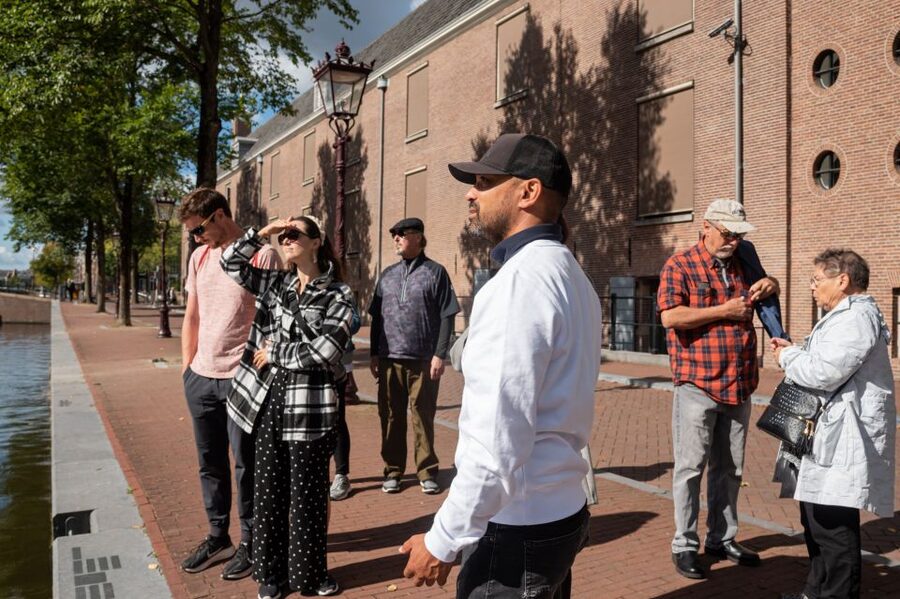
The walk is scheduled to finish in front of Anne Frank House. The guide discusses Anne’s diary, how her father Otto Frank published it, and how the book became known around the world.
This is a natural ending because Anne Frank’s story connects the broad history of occupation to one young person and her family. It also gives you a final link between the streets of Amsterdam and the worldwide memory of the Holocaust.
You should be clear about what this tour includes. It passes Anne Frank House and finishes at or near the building, but admission to the house is not included. The activity includes the walking tour and guide only. Food and drinks are also not included.
There is a small practical wrinkle: one past participant said their walk ended at the Holocaust memorial rather than Anne Frank House. Since the meeting point and details can vary by booking option, check the confirmation carefully and ask the guide at the start if the endpoint matters to your plans.
Do not assume you can use this tour as a substitute for an Anne Frank House visit. It gives historical context outside the building, but it does not provide entry.
How the guides handle a difficult subject
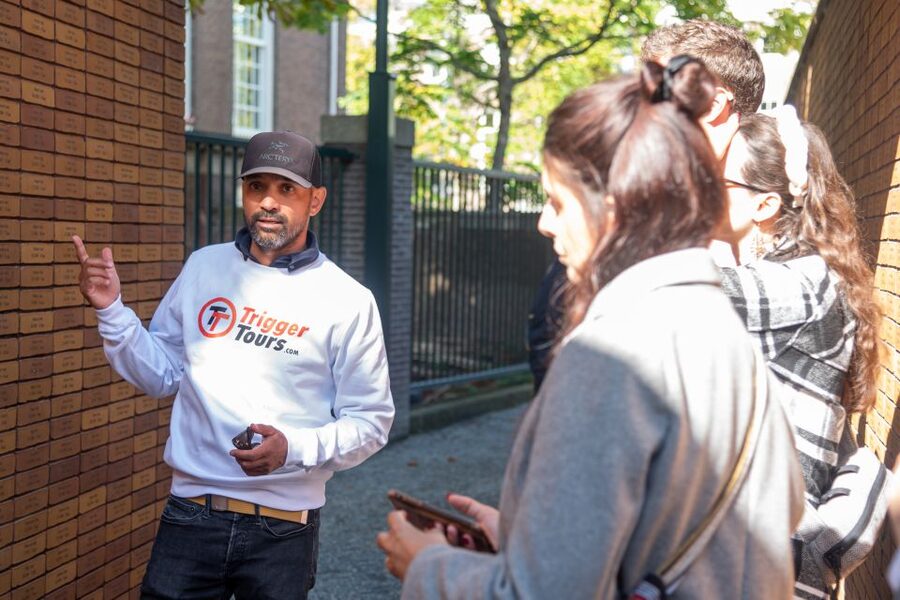
The guides are the heart of this experience. James is the name that appears most often in the supplied feedback, with praise for his preparation, clear delivery, pacing, and sensitivity. He also connected visitors’ own Holocaust family stories to the discussion without making the experience feel personal in the wrong way.
Aaron is praised for warmth, patience, and his ability to answer questions. Jyry receives credit for adapting the tour to the group and adding unusual historical perspectives. Other guides mentioned include Masha, Marsha, Joshua, Guido, and a female guide whose name was not provided.
That range suggests you should judge the tour as a guide-led experience rather than expect one fixed personality or script. The overall score is 4.7 from 210 reviews, and the most consistent praise concerns the guides’ preparation and thoughtful treatment of the subject.
A private option gives you the best chance to shape the discussion around your interests. A small shared group may offer good value and can create a useful mix of perspectives. One small group included British, American, Irish, and Greek participants, which added a wider conversation without making the walk feel impersonal.
Pace, group size, and practical comfort

Two hours is a sensible length for this subject. It is long enough to connect several landmarks, but short enough to fit into a day of sightseeing.
The route does cover a lot. You move from the Amstel River through Jewish Amsterdam, pass major institutions and memorials, and finish near Anne Frank House or another stated endpoint. If you want detailed time at every monument, two hours may feel tight.
I would choose a small group if you want questions answered and a private booking if you have family history or a particular research interest. A larger group can make it harder to hear, pause, or ask sensitive questions, although the available information specifically describes private and small-group options.
English and Spanish tours are available. Check the language before you pay, since the live guide is not automatically in every language.
The cancellation policy is practical: you can cancel up to 24 hours before the tour for a full refund. You can also reserve now and pay later, which helps if your Amsterdam schedule is still changing.
Is $23 a fair price?
At about $23 per person, this is a good value if you want historical explanation rather than a simple neighborhood walk. The price covers two hours with a live guide and access to a planned route through several important locations.
You are not paying for museum admission, transport, meals, or entry to Anne Frank House. That keeps the price down, but it also means you should budget separately if you plan to visit the Jewish Historical Museum, the National Holocaust Museum, or Anne Frank House.
The strongest value comes from the stories attached to places you could otherwise walk past. One participant returned to several points alone after the tour because the guide had made them meaningful. That is exactly what a good city walk should do: help you see more when you continue exploring on your own.
If you are mainly looking for photographs or a general introduction to Amsterdam, you can find cheaper ways to stroll through the area. If you want a clear account of Jewish life, Nazi occupation, and Amsterdam’s memorials, $23 is reasonable.
Who should book this Amsterdam history walk?
I would recommend it to:
- People with a serious interest in World War II or Jewish European history
- First-time visitors who want to understand more than Amsterdam’s canals and major museums
- Families researching Jewish ancestry or Holocaust history
- Visitors planning an Anne Frank House visit who want wider context first
- Anyone who prefers a small group and the chance to ask questions
- People who want to visit the National Holocaust Museum afterward, since one participant found that pairing especially worthwhile
I would be more cautious if you dislike emotionally heavy tours or want a relaxed, entertainment-focused walk. This is not a cheerful introduction to the city. It asks for attention and respect.
It may also disappoint you if you expect entry into the landmarks. The Portuguese Synagogue, Jewish Historical Museum, Anne Frank House, and memorials are part of the route and discussion, but the listed inclusions cover only the walking tour and guide.
Should you book it?
Book this tour if you want the Jewish Quarter to become more than a collection of buildings and memorials. The best guides explain how Amsterdam’s Jewish community lived before the war, how occupation changed daily life, and how the city remembers what happened.
I especially like the combination of major landmarks and smaller details, along with the chance to choose a private or small shared group. James, Aaron, and Jyry receive particularly strong praise, but your guide may be someone else, so the experience can vary in style.
My advice is to schedule it early in your Amsterdam stay. You will understand later visits to Anne Frank House, the Jewish Historical Museum, or the National Holocaust Museum more clearly. Just allow time to think, wear comfortable shoes, and confirm the meeting point and final stop before setting out.
FAQ
How long is the Amsterdam Jewish Quarter tour?
The walking tour lasts two hours.
How much does the tour cost?
The listed price is $23 per person.
Is the tour private or shared?
You can choose a private tour or a small shared group, depending on the option booked.
Which languages are available?
Live tours are available in English and Spanish.
Does the tour include entry to Anne Frank House?
No. The tour passes Anne Frank House and is scheduled to finish in front of it, but admission is not included.
What landmarks does the route include?
The route includes the Portuguese Synagogue, Jewish Historical Museum, Jewish Council headquarters, Dokwerker, Auschwitz Monument, and Anne Frank House area.
What is included in the price?
The price includes the walking tour and a guide. Food and drinks are not included.
Can I cancel the booking?
Yes. You can cancel up to 24 hours in advance for a full refund. Reserve now and pay later is also available.
Just added in Amsterdam
- Private Tour Zaanse Schans Windmills and Volendam in Jaguar★ 5.0 · 10 reviews
- Zaanse Schans and Giethoorn Unique Day Trip with Boat Cruise★ 4.5 · 17 reviews
- Windmills-Volendam-Giethoorn Private Tour in Jaguar★ 5.0 · 2 reviews
- Half-Day Private Guided Sightseeing Tour of Zaanse Schans★ 5.0 · 14 reviews
- Best of Netherlands: Zaanse Schans Mills, The Hague & Rotterdam★ 4.5 · 10 reviews
- Zaanse Schans Private Tour Windmills★ 5.0 · 18 reviews
- Zaanse Schans Windmills Edam Volendam and Marken from Amsterdam★ 5.0 · 1 review
- Zaanse Schans Edam Volendam Private Day Tour from Amsterdam★ 5.0 · 3 reviews
Jewish Heritage & WWII Tours, compared.
Life of Anne Frank and World War II Walking Tour
Read our review →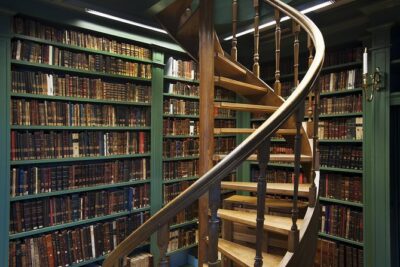
Anne Frank Walking Tour Amsterdam Including Jewish Cultural Quarter
Read our review →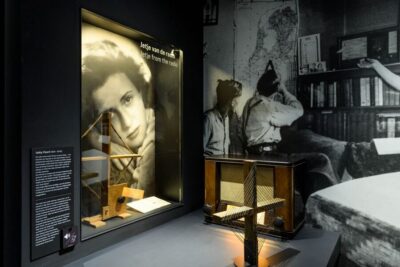
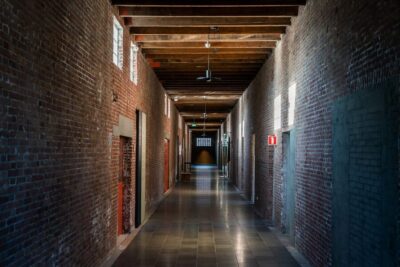
Oranjehotel World War II Prison Entrance Ticket
Read our review →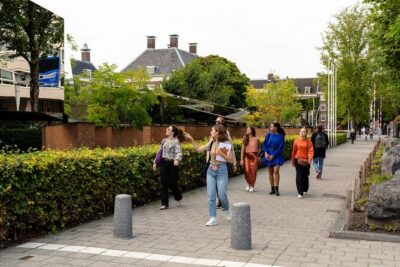
Anne Frank and Jewish Quarter Amsterdam Private Walking Tour
Read our review →
Anne Frank and Jewish Quarter Walking Tour (TOP RATED)
Read our review →
Browse the lists this tour appears in