
Review · HISTORICAL TOURS
Financial History Tour
Money left its mark on Amsterdam.
This private Financial History Tour connects the city’s trade, banking, archives, and famous Tulip Mania in a compact two-and-a-half-hour walk. I like the way it uses real places rather than a classroom lecture, and I especially like the flexible format for a group that wants to ask questions. The chance to see Amsterdam’s famous central sights while learning how money shaped them is another strong point.
The main consideration is the price: $390.50 per group is reasonable for ten people, at about $39.05 each, but costly for one or two. You should also expect a walking tour that calls for moderate fitness, with only some stops clearly timed at ten minutes.
In This Review
- Key points to know before booking
- Why Amsterdam’s financial story makes a good walking tour
- Beginning at Beurs van Berlage
- The city archives in a former bank basement
- Merchants, wealth, and the people behind the money
- Tulip Mania at the floating flower market
- A route through familiar Amsterdam with extra context
- Is $390.50 a fair price?
- Who should book this private walk?
- Booking details and cancellation flexibility
- Should you book the Financial History Tour?
- FAQ
- Where does the Financial History Tour start?
- Where does the tour end?
- How long does the tour last?
- How much does the private tour cost?
- Is the tour offered in English?
- Is this a private activity?
- What places are included along the route?
- Is admission included?
- Can I cancel for a full refund?
Key points to know before booking
- A private group rate: Up to ten people can join for $390.50, so the price works best when you fill most of the places.
- Financial Amsterdam in real locations: The route links Beurs van Berlage, the city archives, Amsterdam’s merchant culture, and the floating flower market.
- A short but purposeful route: The tour lasts about two hours and thirty minutes and ends only 500 meters from the starting point, on the opposite side of the Dam.
- A guide with useful local advice: Tijs de Boer is praised for adding insights and practical hints about Amsterdam beyond the financial subject.
- Good photo opportunities: You pass some of the city’s most recognizable central places while moving between less obvious historical details.
- English and mobile ticket: The tour is offered in English, with confirmation provided when you book.
Why Amsterdam’s financial story makes a good walking tour
Amsterdam can look like a city of canals, narrow houses, bicycles, and museums. Behind that familiar picture is another story: merchants, exchanges, public records, speculation, and new ways of handling money.
That is what gives this tour its focus. Instead of treating Amsterdam’s past as one long parade of dates, it asks you to look at the city through trade and finance. You learn why certain buildings mattered, who controlled wealth, how money changed local culture, and how financial ideas could affect ordinary life.
I like this approach because it gives familiar central Amsterdam a second layer. You may have seen the Dam before, but a financial-history guide can help you understand why that area became such an important center. The subject also connects several parts of Dutch history that are often taught separately.
The tour is private, so your group has the guide to itself. That matters here. Financial history can lead to questions about merchants, markets, business failures, or modern economic ideas. A private format gives you more room to ask for clarification or steer the conversation toward the topics that interest you most.
The English-language format also keeps things straightforward for international visitors. Since the tour is booked for your own group, it can feel more personal than a large walking tour, though the supplied information does not promise a custom route or a fully adjustable start time.
More History Tours in Amsterdam
- Amsterdam Food and Cultural Tour with Tastings
★ 5.0 · 2,442 reviews - Amsterdam: Haunted History and Ghost Walking Tour
★ 4.5 · 488 reviews - Amsterdam High-End Dutch Food & History Tour – Up to 8 guests
★ 5.0 · 482 reviews
Beginning at Beurs van Berlage
The walk starts at Bistro Berlage, at Beursplein 1, beside the Beurs van Berlage. This is a fitting place to begin because the building belongs to Amsterdam’s exchange tradition.
The tour points out that several exchange buildings were built around the Dam. That detail helps explain why this central area became tied to commerce. You are not simply looking at an attractive historic structure. You are beginning with the physical setting where business, trading, and public life met.
The listed visit here lasts about ten minutes, and admission is free. That makes the opening stop easy and low-pressure. You can get your bearings, take photographs, and listen without needing to manage a separate ticket.
The real value is the explanation of why this part of Amsterdam became the city’s financial heart. That context can change how you see the surrounding streets. Instead of viewing the center only as a sightseeing district, you start to read it as a place shaped by commerce.
I would pay attention to the connection between buildings and power. Financial history is rarely just about coins or bank accounts. It is also about who had access to trade, who could take risks, and which institutions gave business a permanent home.
Because the stop is short, you should not expect a long architectural visit. The attraction is the guide’s interpretation and the location itself. If you want to study the building in detail, you may need to return on your own.
The city archives in a former bank basement
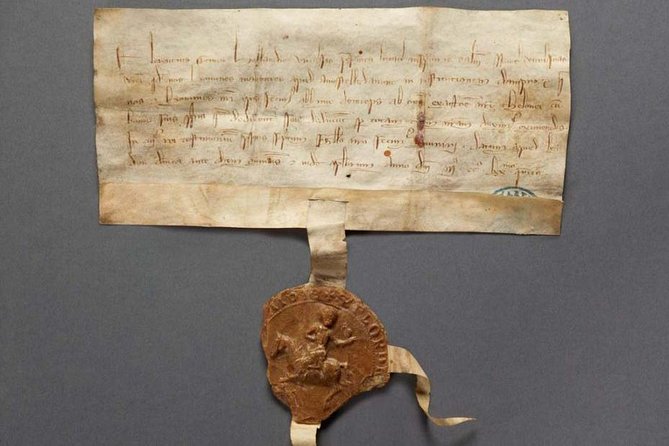
The next major stop is Stadsarchief Amsterdam, the city archives. The distinctive feature here is the basement of a 1920s bank building, where the treasury of the city’s archives is located.
That setting gives the financial theme a useful twist. You are looking at a former banking space that now protects Amsterdam’s documentary memory. The tour asks you to consider not only how wealthy merchants made their money, but also how a city records and preserves its past.
Admission to this stop is included. The listed visit lasts about ten minutes, which again suggests a focused explanation rather than an extended museum visit.
The phrase faults of a 1920s bank building points to the unusual character of the place. A former bank basement is a natural setting for a conversation about safekeeping, trust, records, and public finance. You might find this more memorable than a standard display case because the building itself connects directly to the subject.
This stop is also useful for understanding that Amsterdam’s financial story had more than one group of players. The tour explores who the rich merchants were and how they made their money. That can help you move past the simple idea that Amsterdam became wealthy through one single trade or one single class.
You should keep your expectations measured. The supplied details do not promise access to a large collection, a vault tour, or a lengthy archive presentation. Think of this as a concise stop that uses the former bank setting to open a larger discussion.
Merchants, wealth, and the people behind the money
A good financial tour needs to put faces behind the numbers. This one asks who Amsterdam’s wealthy merchants were and how they built their fortunes.
That question is more useful than a list of successful names. It gets you thinking about the systems that allowed some people to become wealthy. The guide can connect personal fortunes to the broader workings of the city, helping you see how commerce affected culture and heritage.
I like this part because it gives the tour a human scale. Financial change can sound abstract when you hear only about markets and institutions. Merchants made choices, took risks, and shaped the city around their business interests. Their wealth could influence buildings, public life, and the way Amsterdam presented itself.
You should also be ready for a tour that deals with economic success without turning it into a simple success story. Wealth creates opportunity, but it also raises questions about who benefited and who did not. The supplied information does not spell out every historical case the guide uses, so you should ask questions if you want more detail on particular merchants or industries.
This is one place where the private format has a practical advantage. If a name or business story catches your attention, you can ask the guide to explain it rather than wait for a large group to move on.
A different kind of day out entirely:
- Amsterdam: Van Gogh Museum Ticket
★ 4.7 · 52,054 reviews - Amsterdam Classic Saloon Boat Cruise with Drinks and Cheese
★ 5.0 · 31,825 reviews - Amsterdam Luxury Canal Cruise + Unlimited Drinks & Bites option
★ 5.0 · 30,518 reviews - Amsterdam: Heineken Experience Ticket
★ 4.6 · 30,055 reviews
Tulip Mania at the floating flower market
The tour also discusses the first major economic bubble and does so at Amsterdam’s floating flower market. The setting gives the story a direct link to one of the city’s most famous examples of speculation.
Tulip Mania is often reduced to a clever anecdote about flowers becoming absurdly expensive. A good explanation should show you why the episode matters as a financial lesson. The tour places it within Amsterdam’s commercial culture and uses the market setting to make the subject easier to picture.
This is likely to be one of the most accessible parts of the walk. Even if you have little interest in banking, the story of a market bubble is easy to connect with. You can think about enthusiasm, rising prices, and the danger of assuming that an asset will keep gaining value.
The flower market also adds visual interest and a clear photo opportunity. The tour promises many chances for photographs at well-known Amsterdam locations, and this stop fits that promise naturally.
Still, the market may be more crowded or visually distracting than a quiet historic building. The available information does not state how much time you spend there, so do not assume you will have an extended shopping visit. The purpose is the financial story, not a dedicated flower-market tour.
If you want to buy something, keep the tour’s short schedule in mind. The route ends at Rokin, so you can return to the area later if you need more time.
A route through familiar Amsterdam with extra context
One appealing feature is the mix of central landmarks and less obvious details. You see iconic Amsterdam locations, but the subject encourages you to look beyond the standard postcard view.
The route begins at Beursplein and ends at Rokin 24HS, on the other side of the Dam and about 500 meters from the starting point. That makes the finish convenient if you plan to continue exploring the center afterward. You are not being dropped far outside the main sightseeing area.
The walk takes about two hours and thirty minutes. That is long enough to build a connected story, but short enough to fit into a busy Amsterdam day. I would schedule it early in your stay if possible. The guide, Tijs de Boer, is praised for offering local hints about Amsterdam as well as financial insight, so you may pick up ideas for the rest of your visit.
The route is offered in English and uses a mobile ticket. Confirmation arrives when you book, which keeps the practical side simple.
The tour does require moderate physical fitness. The information does not provide the exact walking distance, number of stairs, or details about seating. If you need frequent breaks, have mobility concerns, or prefer a mostly indoor activity, you should ask the provider for current route details before paying.
Is $390.50 a fair price?
The price is $390.50 per group of up to ten people. That is the key detail when judging value.
For a full group, the cost works out to about $39.05 per person. At that rate, the private format becomes appealing, especially if your group wants a focused subject and the ability to ask questions. You are paying for a private guide rather than simply entering a museum.
For two people, however, the per-person cost rises sharply. You should compare it with a standard group walking tour or a self-guided visit if you are watching your budget. The strongest value comes when you can divide the group price among several people.
The included admission to Stadsarchief Amsterdam and free entry at Beurs van Berlage also mean you are not facing a series of extra attraction charges during the route. The main purchase is the guide’s time, interpretation, and private attention.
The perfect 5 out of 5 rating and 100 percent recommendation from 16 ratings are encouraging, but they do not remove the need to match the subject to your interests. If you want a broad introduction to Amsterdam’s canals, art, or architecture, this is not the most obvious choice. If you want to understand how money helped shape the city, it offers a much sharper focus.
Who should book this private walk?
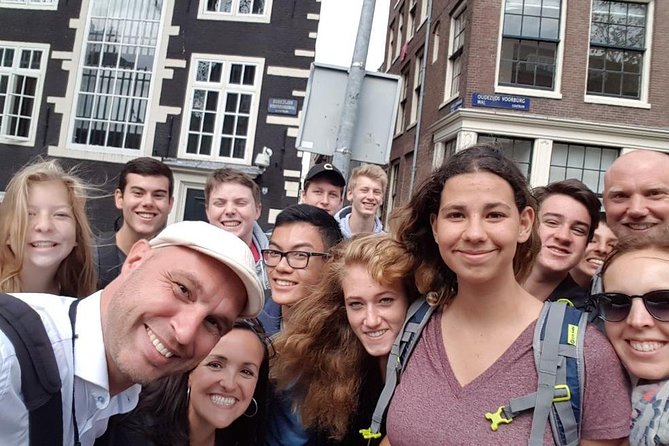
I would recommend this tour to you if you enjoy learning how cities work beneath their surface. It suits people interested in economics, business, merchant culture, Dutch history, or the causes of financial bubbles.
It is also a good choice for families or friends who want a private activity for up to ten people. The subject may appeal to older children and teenagers if the guide explains Tulip Mania in an engaging way, though the supplied information does not give a minimum age or a child-specific format.
You will likely appreciate the tour if you have already seen Amsterdam’s main sights and want a new way to understand them. The central route and photo stops make it practical for a first visit too, but you should not expect a general city orientation.
The tour is less suitable if you want a relaxed canal ride, a long museum visit, or a food-focused outing. It is also not ideal if you dislike walking or prefer a set schedule with many long stops. The listed stops at Beurs van Berlage and Stadsarchief are only about ten minutes each, so much of the value comes from the guide’s explanations as you move through the city.
Booking details and cancellation flexibility
You receive confirmation at the time of booking, and the experience uses a mobile ticket. It is offered in English and operates near public transportation.
Free cancellation is available if you cancel at least 24 hours before the start time. If you cancel less than 24 hours before the tour, you will not receive a refund, and changes made inside that period are not accepted. The cut-off follows Amsterdam local time.
Since the tour is often booked about 28 days in advance, I would reserve ahead if your Amsterdam dates are fixed. That is especially sensible for a private tour with one group departure rather than an open public schedule.
Should you book the Financial History Tour?
Book it if you want Amsterdam explained through trade, banking, merchants, and speculation rather than through the usual art-and-canal route. The private group format, central starting and ending points, and guide Tijs de Boer’s practical local advice make it especially attractive for a full group.
Think twice if you are traveling alone or as a pair and the $390.50 group price feels high. Also ask about walking details if moderate physical activity is a concern.
For the right audience, this is a smart way to see familiar Amsterdam with new questions in mind: who made the money, where did it move, and how did it change the city? That is a worthwhile story to carry with you as you continue exploring.
FAQ
Where does the Financial History Tour start?
The tour starts at Bistro Berlage, Beursplein 1, 1012 JW Amsterdam, Netherlands.
Where does the tour end?
The tour ends at Rokin 24HS, 1012 KS Amsterdam, Netherlands. The end point is on the other side of the Dam, about 500 meters from the starting point.
How long does the tour last?
The tour lasts approximately two hours and thirty minutes.
How much does the private tour cost?
The price is $390.50 per group, with up to ten people allowed in the group.
Is the tour offered in English?
Yes. The tour is offered in English.
Is this a private activity?
Yes. Only your group participates in the private tour.
What places are included along the route?
The route includes Beurs van Berlage, Stadsarchief Amsterdam, the historical and financial center around the Dam, and the floating flower market for the discussion of Tulip Mania.
Is admission included?
Admission to Stadsarchief Amsterdam is included, and admission to Beurs van Berlage is free.
Can I cancel for a full refund?
Yes, if you cancel at least 24 hours before the experience’s start time. Cancellations made less than 24 hours in advance are not refunded.
Just added in Amsterdam
- Private Tour Zaanse Schans Windmills and Volendam in Jaguar★ 5.0 · 10 reviews
- Zaanse Schans and Giethoorn Unique Day Trip with Boat Cruise★ 4.5 · 17 reviews
- Windmills-Volendam-Giethoorn Private Tour in Jaguar★ 5.0 · 2 reviews
- Half-Day Private Guided Sightseeing Tour of Zaanse Schans★ 5.0 · 14 reviews
- Best of Netherlands: Zaanse Schans Mills, The Hague & Rotterdam★ 4.5 · 10 reviews
- Zaanse Schans Private Tour Windmills★ 5.0 · 18 reviews
- Zaanse Schans Windmills Edam Volendam and Marken from Amsterdam★ 5.0 · 1 review
- Half Day Keukenhof Tulip Paradise Trip from Amsterdam★ 5.0 · 1 review
Historical Tours, compared.
Amsterdam Food and Cultural Tour with Tastings
Read our review →
Kinderdijk UNESCO World Heritage Entry Ticket
Read our review →
Hop-on Hop-off Old-Fashioned Heritage Tram Tour
Read our review →


Amsterdam High-End Dutch Food & History Tour – Up to 8 guests
Read our review →
Cruise through the Historic City Center with Guide
Read our review →
Browse the lists this tour appears in