
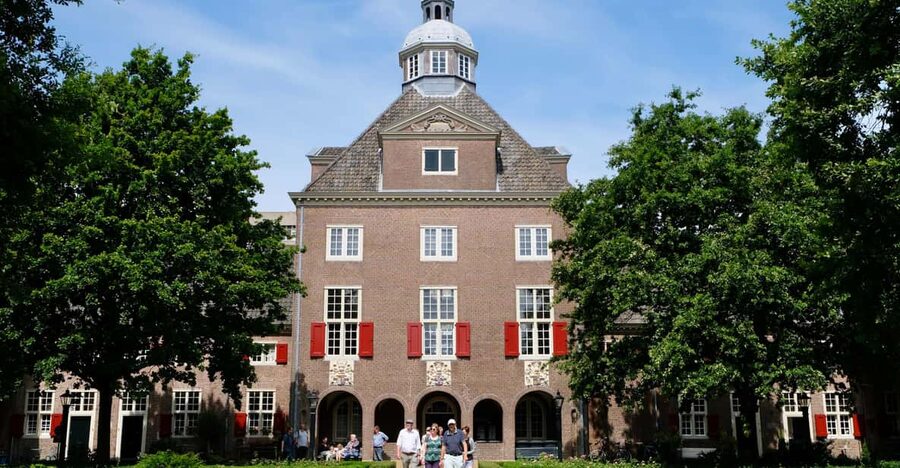
Review · WALKING TOURS
The Hague: Courtyard Walking Tour
Small doors reveal another Hague. This 1.5-hour walk takes you behind ordinary streets to the city’s old courtyards, where homes for poor and elderly residents created quiet pockets within the busy center. I like the small group of up to 10 and the chance to see a less obvious side of The Hague. I also like the low $9 price, which makes this an easy add-on to a day of sightseeing.
The main consideration is language: the guide speaks Dutch. The route is wheelchair accessible, but the courtyards are still residential places, not open-air museums. You are visiting living neighborhoods, so the experience depends on respectful behavior and on how much Dutch you understand. Dogs are not allowed, except assistance dogs.
In This Review
- Key points before you book
- Why The Hague’s courtyards matter
- Meeting at ’t Goude Hooft
- Slipping behind the street frontage
- Renaissance ideas in an everyday setting
- Charity, poverty, and the people who lived here
- The guides: Hans, Kees, and a personal touch
- What the 90-minute route feels like
- What I like about the small-group format
- Accessibility and physical comfort
- Is $9 a fair price?
- Who should book this walk?
- Practical verdict on the experience
- FAQ
- Where does the Courtyard Walking Tour meet?
- How long does the tour last?
- How much does the tour cost?
- What language is the tour conducted in?
- How many people are in the group?
- Is the tour wheelchair accessible?
- Are pets allowed on the tour?
- What will I see on the walk?
- Can I cancel the booking?
Key points before you book
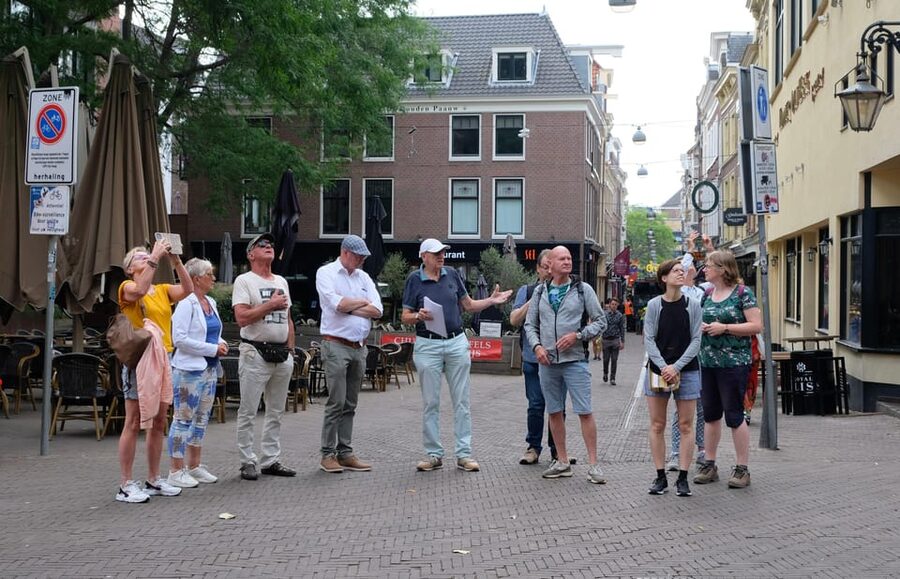
- Sixteenth-century courtyards: See a traditional Dutch housing form that has remained useful for more than 400 years.
- A quieter side of central The Hague: The courtyards sit behind walls and houses, sometimes almost invisible from the street.
- Stories of charity and poverty: Learn how these compounds once provided homes for poor and elderly people.
- Dutch-speaking guide: The tour is conducted in Dutch, with guides such as Hans and Kees praised for their lively explanations.
- Small and accessible: The group is limited to 10 people, and the activity is listed as wheelchair accessible.
- Strong value at $9: For 90 minutes of guided local history, this is one of the least expensive ways to add depth to your visit.
Why The Hague’s courtyards matter
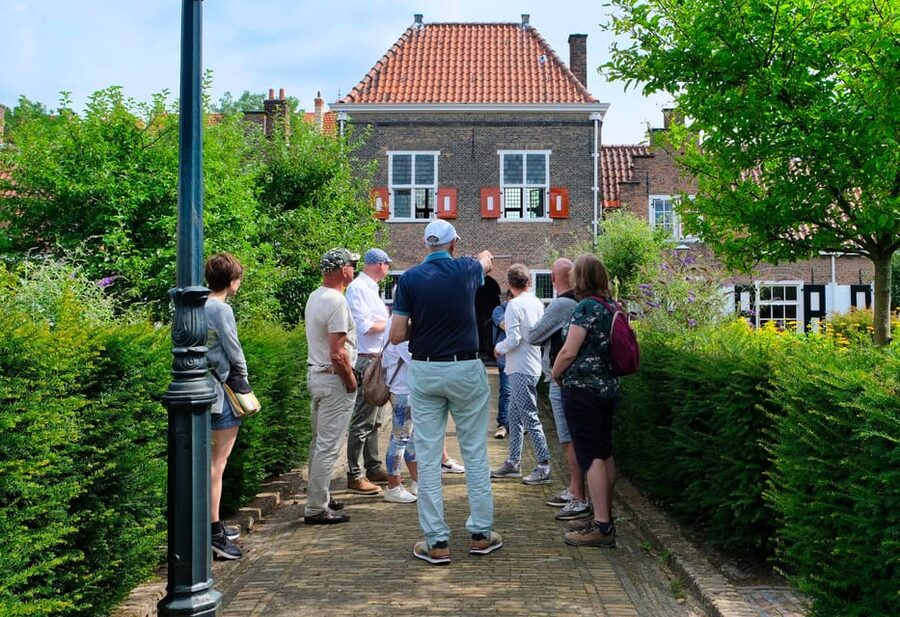
The Hague is known for government buildings, grand avenues, museums, and royal connections. But its courtyards tell a more domestic story. These enclosed spaces were built as practical housing compounds, often linked to charity and social responsibility.
The basic idea dates from the 16th century. A benefactor, institution, or charitable group could arrange a cluster of small homes around a shared courtyard. Poor people and older residents received a place to live, usually in a setting that was modest but orderly.
That history gives the walk its focus. You are not simply looking at pretty lanes and planted courtyards. You are seeing how a city dealt with poverty, aging, housing, and community life. The buildings may look peaceful now, but their original purpose was serious and practical.
I find this kind of sightseeing especially useful because it puts famous city centers into human scale. Instead of only looking at grand façades, you see where ordinary residents lived and how urban space was organized.
More Walking Tours in The Hague
- Food Walking Tour of The Hague – by Bites & Stories
★ 5.0 · 188 reviews - The Hague: City Walking Tour
★ 4.5 · 156 reviews - The Hague: Old City Private Walking Tour
★ 4.4 · 81 reviews
Meeting at ’t Goude Hooft
The meeting point is the little square at ’t Goude Hooft, written in the information as ’t Goude Hooft, pleintje. This gives you a central starting place rather than sending you to an outlying neighborhood.
Arrive with enough time to find the small square and identify the guide. The experience is guided in Dutch, so it is worth confirming the meeting point and starting time when you book. The tour lasts 90 minutes, and available departure times can vary.
Because the group is capped at 10 people, the start should feel more personal than a large city walk. That matters here. Courtyards are intimate spaces, and a small group is less intrusive for the people who live there.
The tour is not presented as a private walk, so you should still expect to share the guide’s attention. Yet a group of this size gives you a better chance to hear the stories and ask a short question than you would on a crowded city tour.
Slipping behind the street frontage
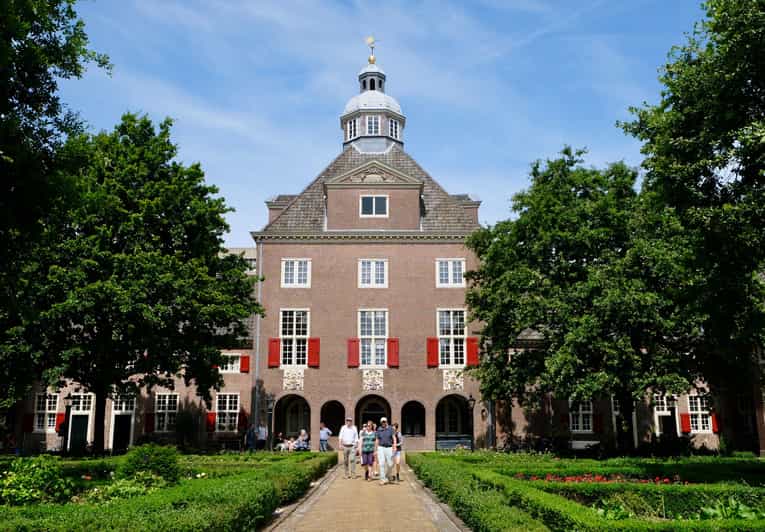
The first surprise is the entrance. Many of The Hague’s courtyards are behind walls, houses, or narrow openings. From the street, you may see little more than a door or passage. Once you step inside, the mood changes quickly.
That contrast is the heart of the experience. The city outside may be active and full of traffic, shops, and daily movement. Inside the courtyard, the atmosphere is more private and still. You get a clear sense of how an urban neighborhood can contain a quieter world just a few steps from the main street.
The guide takes you to some of the best-known and most attractive courtyards. The route also passes other monuments and points of interest, with time for the guide to explain their history or special features.
You should not expect every stop to be a grand architectural sight. Some courtyards may be simple, narrow, or partly hidden. That is part of their appeal, but it also means the tour is about atmosphere and social history as much as visual drama.
One practical point is worth keeping in mind: these are residential settings. Keep your voice low, avoid blocking entrances, and treat the courtyards as homes rather than photo sets.
Renaissance ideas in an everyday setting
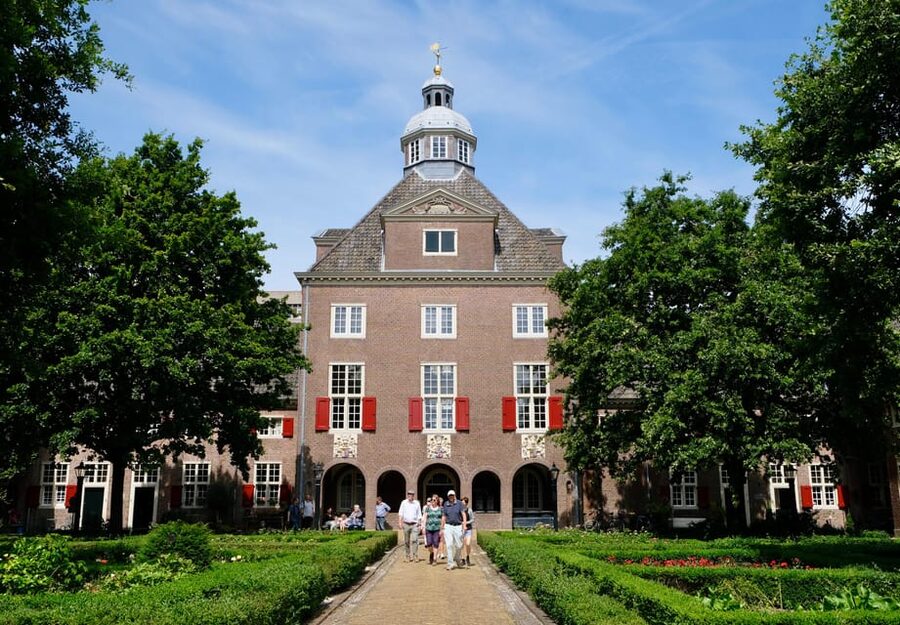
The Renaissance connection gives the walk a wider frame. The courtyards belong to a long period of Dutch urban development, when housing, charity, religion, and civic life often overlapped.
You will not be taking a specialist architecture course, but the guide points out the historical features that make these places important. Look for the way buildings form a shared enclosure, how access is controlled from the street, and how the courtyard creates a communal center.
The design is efficient. Small homes can be placed close together, while the central space provides light, air, and a sense of order. A courtyard also creates a clear boundary between public street life and private domestic life.
That simple arrangement explains why the form has lasted. The original residents may have needed support, but they were not pushed far away from the city center. Today, the residents value the peace and quiet of these compounds while remaining close to city life.
This is where the tour offers more than a collection of pretty corners. It helps you understand why the buildings were created and why they still function.
A different kind of day out entirely:
- The Hague: Mauritshuis Entrance Ticket
★ 4.7 · 2,706 reviews - The Hague: City Canal Cruise
★ 4.6 · 2,024 reviews - The Hague: Madurodam Miniature Park Entry Ticket
★ 4.6 · 1,559 reviews - The Hague: The Pier SkyView Ticket with Drink and Snack
★ 4.4 · 1,398 reviews
Charity, poverty, and the people who lived here
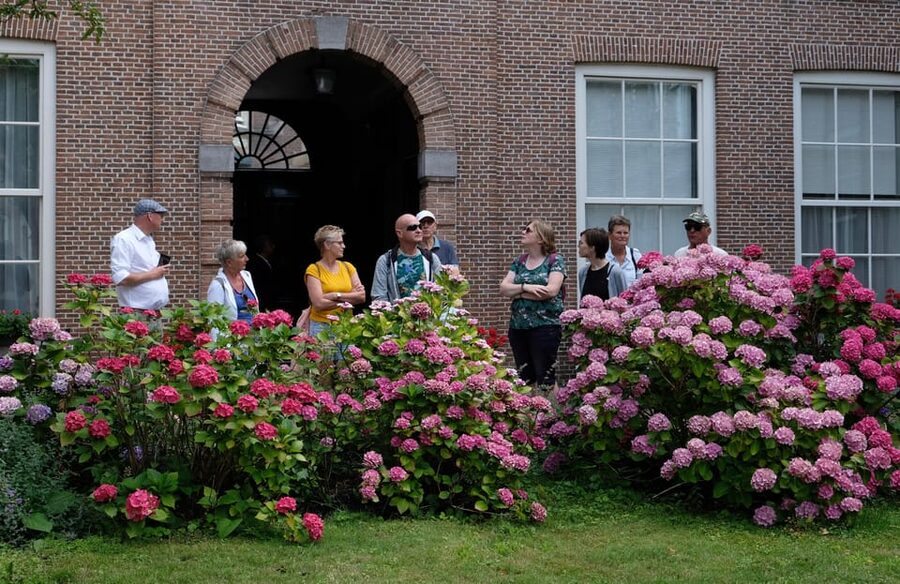
The word charity can sound abstract until you connect it to actual housing. These courtyards were places where poor people and older residents could live. The buildings reflect a form of organized help that was built into the city itself.
The guide’s job is important here. A good explanation can show how a quiet courtyard once answered a hard social problem. The tour description specifically emphasizes the former residents, so expect the human story to be central rather than an afterthought.
This is also a useful counterpoint to grand Dutch history. The Hague has plenty of official buildings and monuments, but these courtyards focus on people who usually left fewer famous records. Their homes say something about daily life, status, and the responsibilities of wealthy citizens or charitable organizations.
The setting may seem idyllic now. Do not mistake that calm for luxury. The original homes were connected to need and assistance, not high-end living. The guide can help you read the difference between a well-kept courtyard today and the harder circumstances of its earlier residents.
The guides: Hans, Kees, and a personal touch
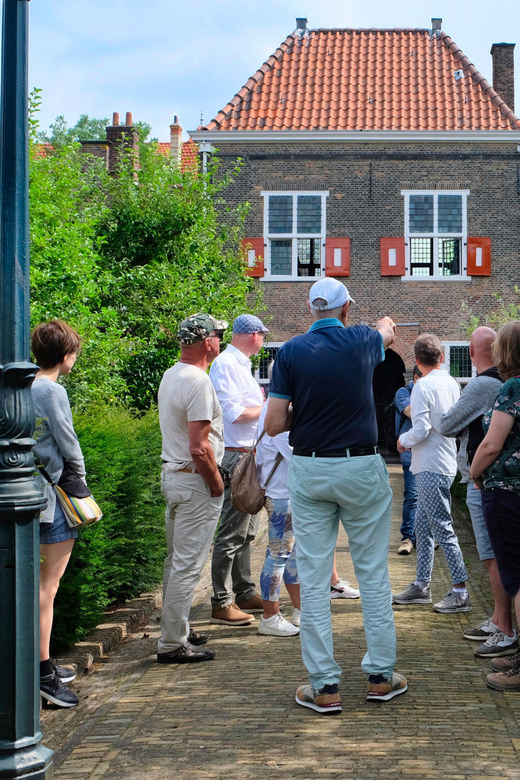
The experience uses a live Dutch-speaking guide, and the individual guide can shape the tone of the walk. Hans received praise for explaining a great deal while treating the courtyards and residents with respect. He also adjusted the Dutch presentation when two foreign visitors were present.
That detail is useful if you do not speak Dutch fluently. The tour remains Dutch-language, but a guide who notices the group and adjusts the pace or explanations may make the walk easier to follow.
Kees was described as enthusiastic and full of information, with a talent for giving repeat visitors new impressions. That suggests the walk is not just a fixed script delivered without regard for the group.
A guide named Hans or Kees is not guaranteed, so book this for the subject and format rather than for one particular person. Still, these comments point to the qualities you want: clear storytelling, respect for residential spaces, and a willingness to tailor the explanation.
If you speak Dutch, you will get the most from the tour. If you do not, you may still enjoy the visual setting, the route, and the guide’s gestures and explanations, but language will limit the detail you can follow.
What the 90-minute route feels like
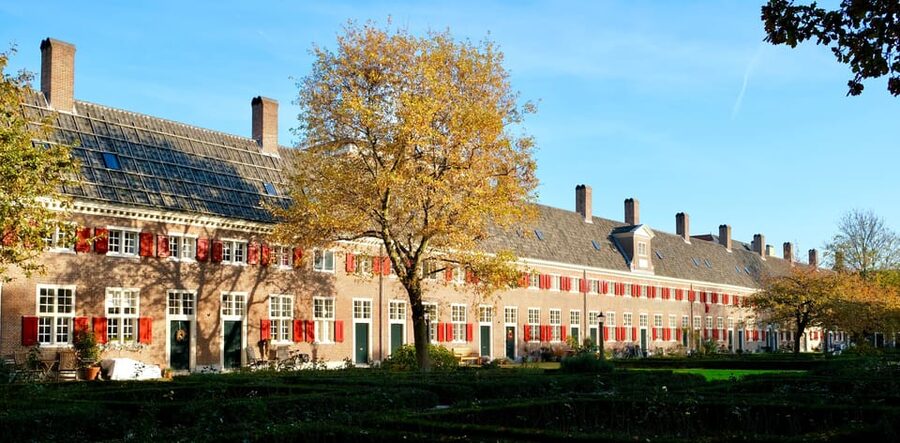
The length is well judged for this subject. Ninety minutes gives the guide time to show several courtyards and discuss other locations without turning the walk into a half-day commitment.
The route begins in the center at ’t Goude Hooft, then moves toward the courtyards hidden behind the street frontage. At each place, expect a short explanation of what you are seeing, why the courtyard matters, and how it fits into The Hague’s past.
Between courtyard stops, the guide points out monuments and other interesting locations. This helps keep the walk from becoming repetitive. You are not simply entering one enclosure after another. The route connects the courtyards to the wider city around them.
The experience is best understood as a guided introduction rather than an exhaustive survey. You will see selected famous and beautiful examples, not every courtyard in The Hague. One participant hoped to see more real courtyards, so expectations matter. If your main goal is a long list of courtyard interiors, the route may feel lighter than expected.
The rest of the city walk can make up for that. The guide’s stories, the less familiar parts of the center, and the social background add variety.
What I like about the small-group format
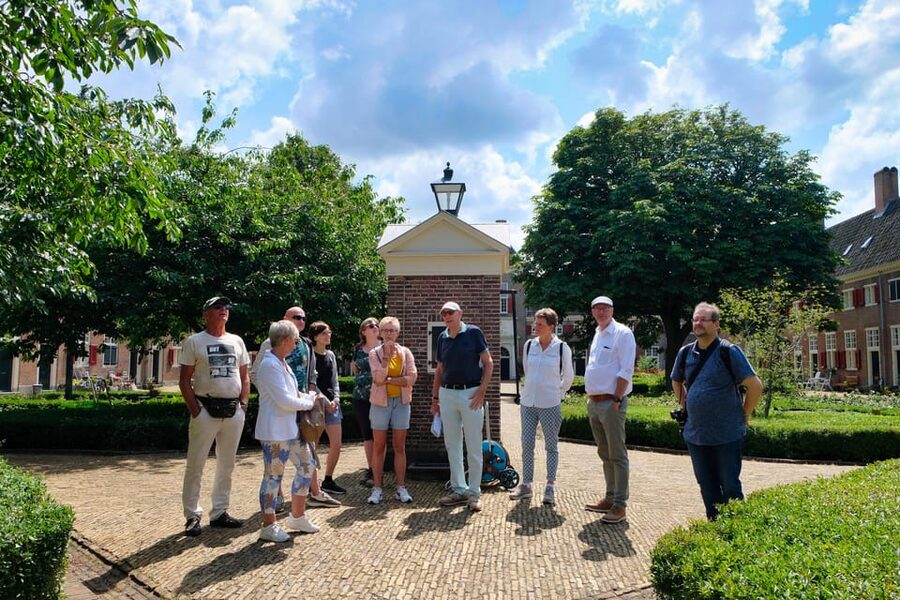
A 10-person limit suits this activity. Courtyards are enclosed and often quiet, so a large group would change the character of the places you came to see.
A small group also lets the guide react to the people present. If the group includes visitors from outside the Netherlands, the guide may adjust the Dutch tour, as Hans did for two foreign participants. That does not turn it into an English tour, but it can make the presentation more considerate.
The group size is also useful for questions. You can ask about a courtyard, a monument, or the way the housing worked without shouting over a crowd.
There are tradeoffs. The tour is not private, and different participants bring different needs. One person found a dog distracting and uncomfortable, while another booking involved a dog that was reportedly allowed as an exception. The official rule is clear: pets are not allowed, though assistance dogs are permitted. If you are afraid of dogs or have a concern, raise it with the provider before you go rather than relying on an exception.
Accessibility and physical comfort
The activity is listed as wheelchair accessible, an important point for anyone who needs step-free access or a manageable walking route. You should still confirm the details for the specific departure if you have precise mobility requirements, since individual courtyards can have different entrances or surfaces.
The walk lasts 1.5 hours. You will be on foot throughout the experience, so comfortable shoes are sensible. The supplied information does not give a distance, number of steps, or seating arrangements, so ask ahead if those details affect your planning.
The compact duration makes it easy to pair with other central sights. You can use it as a morning activity, a bridge between museum visits, or a way to add local context without giving up most of your day.
Is $9 a fair price?
Yes. At $9 per person, this is an unusually affordable guided experience. The value comes from access to places you could easily miss and from the explanations that turn them into meaningful sights.
You might find a courtyard by chance, but you would not necessarily know its purpose, its age, or its connection to charity. A local guide adds that missing layer. The price also keeps the risk low. If you have a free 90-minute slot in The Hague, this is an inexpensive way to try something different from the usual museum circuit.
The low price does not mean you should expect a luxury tour. The included service is a skilled Dutch-speaking guide. There is no indication of food, transportation, private access, or a printed guidebook.
For Dutch speakers, the value is particularly strong. You get a local-focused route, a small group, and a subject that is easy to miss on a standard city tour. For visitors who do not speak Dutch, the value depends on how much you care about the visual and atmospheric side of the walk.
Who should book this walk?
I would choose this tour if you enjoy architecture, local history, social history, or quiet corners of major cities. It also suits repeat visitors to The Hague who have already seen the headline sights and want a different view of the center.
It is a good match for you if:
- You speak Dutch or can comfortably follow a Dutch-language tour.
- You prefer small groups to large guided outings.
- You like learning why ordinary buildings matter.
- You want a short activity at a low price.
- You appreciate residential places and can visit them quietly.
- You use a wheelchair and want an activity specifically listed as accessible.
I would think twice if your priority is a full English explanation, grand monuments, or a long sequence of dramatic architectural interiors. The walk includes monuments, but its main subject is the quiet courtyard and the people who once lived there.
Practical verdict on the experience
Book the Courtyard Walking Tour if you want The Hague’s less obvious story. It offers a calm, focused look at 16th-century housing, charity, and urban life, all within a 90-minute walk from a central meeting point.
Its limits are just as clear. The guide speaks Dutch, the route is selective rather than exhaustive, and the courtyards are living residential spaces. You need to respect that setting, and you should not book expecting a grand architectural show.
For Dutch speakers, the $9 price is excellent. For others, it is still worth considering if you enjoy atmospheric places and can accept that some of the historical detail will pass you by. The best reason to go is simple: The Hague’s most revealing spaces may be the ones you almost fail to notice.
FAQ
Where does the Courtyard Walking Tour meet?
The meeting point is ’t Goude Hooft, at the little square known as pleintje.
How long does the tour last?
The walking tour lasts 1.5 hours, or 90 minutes.
How much does the tour cost?
The listed price is $9 per person.
What language is the tour conducted in?
The live guide speaks Dutch, and Dutch is the listed tour language.
How many people are in the group?
The tour is limited to 10 participants, making it a small-group experience.
Is the tour wheelchair accessible?
Yes. The activity is listed as wheelchair accessible.
Are pets allowed on the tour?
No. Pets are not allowed, although assistance dogs are permitted.
What will I see on the walk?
You will visit selected courtyards hidden behind houses and walls, learn about their 16th-century origins and charitable purpose, and pass other monuments and interesting locations in The Hague.
Can I cancel the booking?
Yes. You can cancel up to 24 hours in advance for a full refund. You can also reserve now and pay later.
Just added in The Hague
- The Hague Walking Tour★ 4.5 · 16 reviews
- The Hague: Powerboat Tour Scheveningen★ 4.5 · 15 reviews
- The Hague Tower Guided Tour★ 4.5 · 45 reviews
- The Hague: Private Boattour up to 10 persons★ 4.9 · 37 reviews
- The Hague: Private Custom Walking Tour With A Local Guide★ 4.5 · 13 reviews
- The Hague: Ping Pong Table Rental at a Secret Ping Pong Bar★ 4.5 · 7 reviews
- The Hague: Prison Gate Museum★ 4.5 · 58 reviews
- The Hague: One Way Boat Ticket to or from Delft★ 4.5 · 52 reviews
Walking Tours, compared.

Anne Frank’s Story – Guided Walking Tour through Amsterdam
Read our review →
Life of Anne Frank and World War II Walking Tour
Read our review →
Absolutely Amsterdam – the Essential Introductory Walking Tour
Read our review →
Anne Frank Walking Tour – Guided in EN/DE/IT/ES
Read our review →

Anne Frank Walking Tour Amsterdam Including Jewish Cultural Quarter
Read our review →Browse the lists this tour appears in