
Review · MUSEUMS
Delft: Vermeer Centrum Delft Museum Entry Ticket
Vermeer’s paintings come alive in Delft. At the Vermeer Centrum Delft, I like the chance to see full-size reproductions of all 37 known paintings in one visit, and I like how the museum explains not just what Vermeer painted, but how he worked. The audio guide, working displays, and camera obscura give the visit more substance than a simple gallery of copies.
The main thing to consider is that you are seeing reproductions, not Vermeer’s original paintings. For $14, this is a useful and affordable introduction to the artist, but anyone expecting an original masterpiece should choose a museum with a major Vermeer collection instead. The visit also takes about one hour, so you will want to pair it with other Delft sights.
In This Review
- Four details that make this Delft museum worth your time
- Starting in a historic Delft art building
- The basement film sets the scene
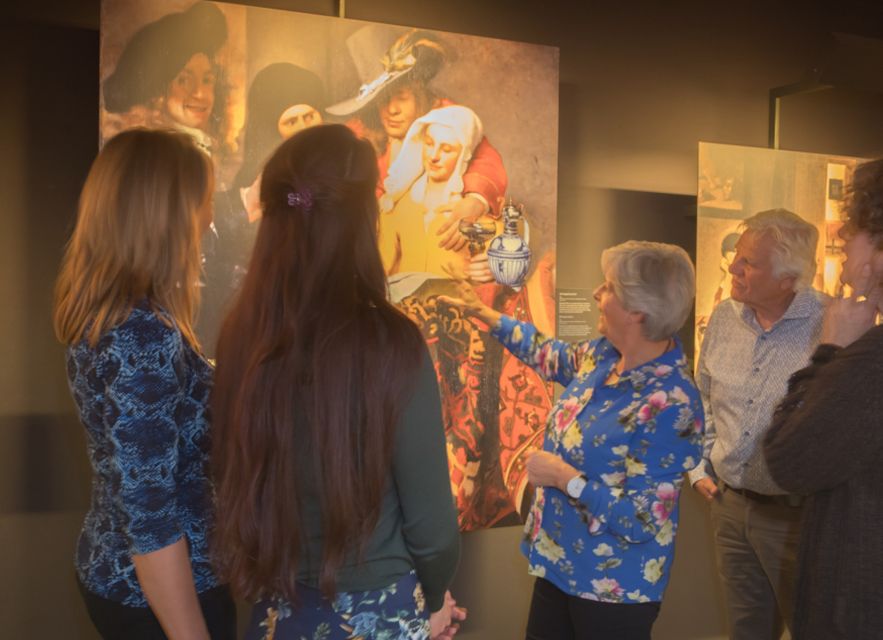
- Seeing all 37 paintings together
- Why the reproductions still have real value
- On the first floor, Vermeer’s working method becomes practical
- The second floor explains hidden love messages
- How long to allow, and how to plan your visit
- What the strongest praise tells you
- Who should book the Vermeer Centrum Delft
- Is the $14 ticket worth it?
- Should you book it?
- FAQ
- How much does admission to the Vermeer Centrum Delft cost?
- How long does the museum visit take?
- Are the paintings originals?
- How many Vermeer paintings can I see?
- Is an audio guide included?
- Which languages are available for the audio guide?
- Is the museum wheelchair accessible?
- Can I bring food, drinks, or large luggage?
Four details that make this Delft museum worth your time
- All 37 paintings in full-size reproduction: You can compare Vermeer’s subjects, colors, rooms, and figures in one place.
- A former Guild of St. Luke building: The setting connects the museum to Delft’s old artistic world.
- Hands-on painting tools: A camera obscura, 17th-century lenses, goggle boxes, and perspective activities explain Vermeer’s visual methods.
- An audio guide in eight languages: Choose Dutch, English, German, French, Spanish, Italian, Japanese, or Chinese.
- Love messages in everyday objects: The upper-floor exhibition explains the symbolism of details in Vermeer’s paintings.
- A short, focused visit: Plan on roughly one hour, making this easy to fit between Delft’s canals, churches, and market squares.
Starting in a historic Delft art building
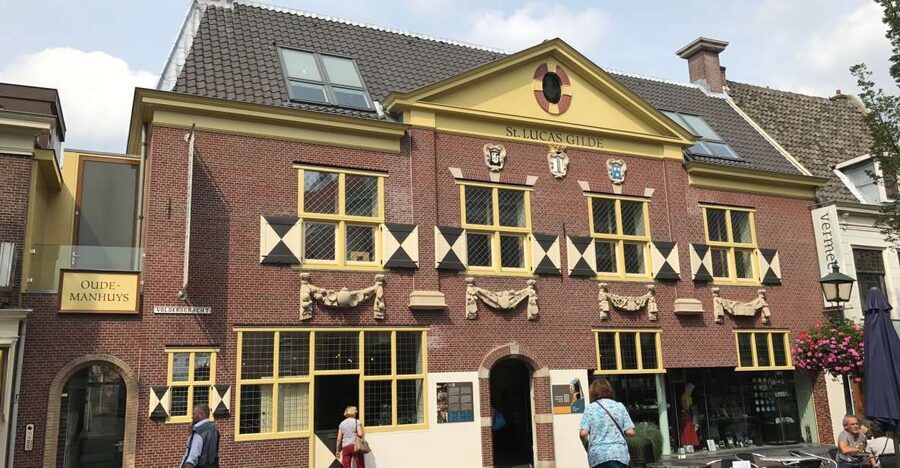
The Vermeer Centrum Delft occupies a former Guild of St. Luke building. That detail matters because guilds shaped artistic life in the Dutch Republic, and the setting gives your visit a direct connection to the world in which Vermeer worked.
A volunteer welcomes you and helps you get started. The friendly reception is one of the practical strengths of this museum. You are not left to guess where to begin or how the audio guide works.
The building is in Delft’s historic district, so the museum fits naturally into a day spent walking through the city. You can visit it as a short indoor stop rather than treating it as a full-day attraction. The museum ticket is valid for one day, but the actual visit takes about an hour.
That shorter length is useful. If you have only a day in Delft, you can combine the museum with other sights without giving up half your schedule. If you are traveling with someone who has limited interest in art, an hour is long enough to offer real context without becoming tiring.
More Museum Tours in Delft
- Royal Delft: Delftblue Factory and Museum
★ 4.6 · 588 reviews - Royal Delft: Delftblue Factory and Museum Admission Ticket
★ 4.5 · 145 reviews - Vermeer Centrum Delft Museum Admission Ticket
★ 4.0 · 45 reviews
The basement film sets the scene
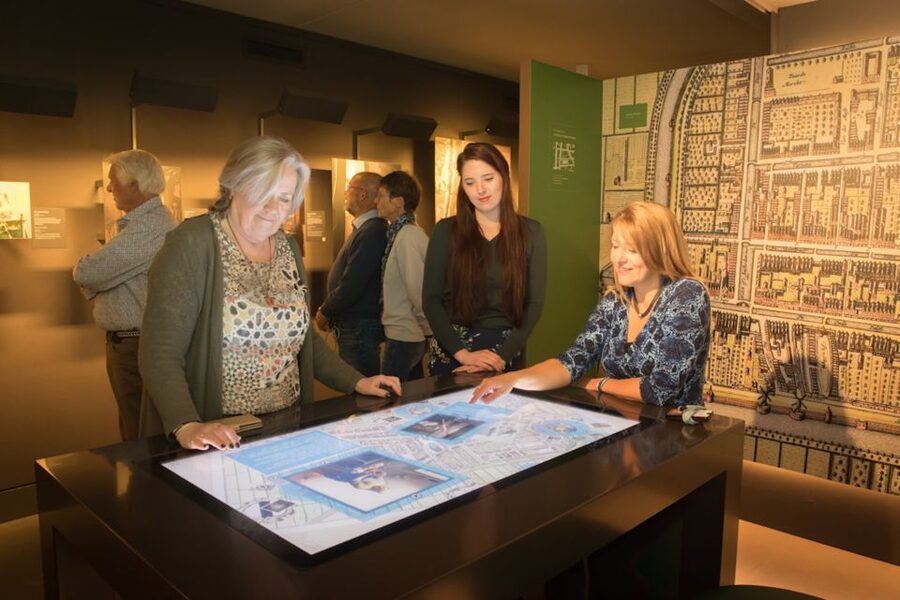
Your visit begins with an audio guide and a short film in the basement. The film introduces Vermeer and Delft during the 17th century, giving you a basic framework before you see the paintings.
I appreciate this order. Vermeer’s work can seem quiet at first glance: a woman reading, a figure pouring milk, a room lit from the side. Without some context, it is easy to see only the surface. The film helps connect the artist to his city and period before the museum asks you to look more closely.
The basement also gives you a useful first pause before moving into the reproduction gallery. You can think about Delft as more than a pretty Dutch town. Here, it becomes the place where Vermeer lived, raised his family, and developed his way of painting.
The audio guide adds information at your own pace. It is included with admission, and the language choices are generous. English, Dutch, German, French, Spanish, Italian, Japanese, and Chinese are available, so you can follow the visit comfortably rather than relying on brief wall text.
Seeing all 37 paintings together

The main gallery presents full-size reproductions of Vermeer’s paintings. This is the heart of the museum, and it offers one clear advantage over a scattered collection in several cities: you can see the whole body of work in one sequence.
The reproductions let you compare Vermeer’s recurring interests. Look for quiet domestic rooms, carefully placed figures, controlled light, musical instruments, maps, letters, and ordinary household objects. You can also compare the scale of the works, something that smaller images in books or on a phone cannot provide.
Because the reproductions are full size, you get a better sense of how Vermeer arranged his rooms and figures. A person may appear small within an interior, yet still hold your attention because of light, color, or posture. The museum gives you time to notice those choices across many works.
This section works especially well for first-time visitors. You do not need a degree in art history to follow the broad themes. The audio guide explains Vermeer’s life, family, city, and artistic approach in a way that helps you connect one painting to the next.
Still, keep your expectations in check. A reproduction cannot provide the same material presence as an original, and the museum does not replace a major art collection. Its purpose is different. It gives you a clear overview and helps you understand the paintings you may later see in Amsterdam, The Hague, or elsewhere.
Why the reproductions still have real value
Paying $14 for copies may sound questionable until you consider how difficult Vermeer’s original paintings are to see together. His surviving works are spread among institutions, and some are not always on display. In Delft, you get one affordable place to examine the entire group.
I see the ticket as an introductory art-history purchase rather than a substitute for an original-art museum. You are paying for access to a focused explanation of Vermeer’s work, plus the audio guide and interactive displays.
The museum is also useful before or after seeing an original Vermeer elsewhere. If you visit a major collection first, the Delft displays can help you understand patterns across his work. If you visit Delft first, the museum gives you a better eye for details when you encounter an original painting later.
The strongest value comes from the combination of pictures and explanation. The reproductions alone would be limited. The audio guide, working tools, and symbolism exhibit turn them into a lesson about the artist’s choices.
More Delft trips:
- From Amsterdam: Rotterdam, Delft & The Hague Guided Day Tour
★ 4.2 · 1,765 reviews - Delft: Canal Cruise with Guided Commentary
★ 4.4 · 990 reviews - Rotterdam, Delft, the Hague, Madurodam from Amsterdam
★ 4.0 · 793 reviews - Rotterdam, Delft and The Hague Small Group Tour from Amsterdam
★ 4.5 · 599 reviews
On the first floor, Vermeer’s working method becomes practical
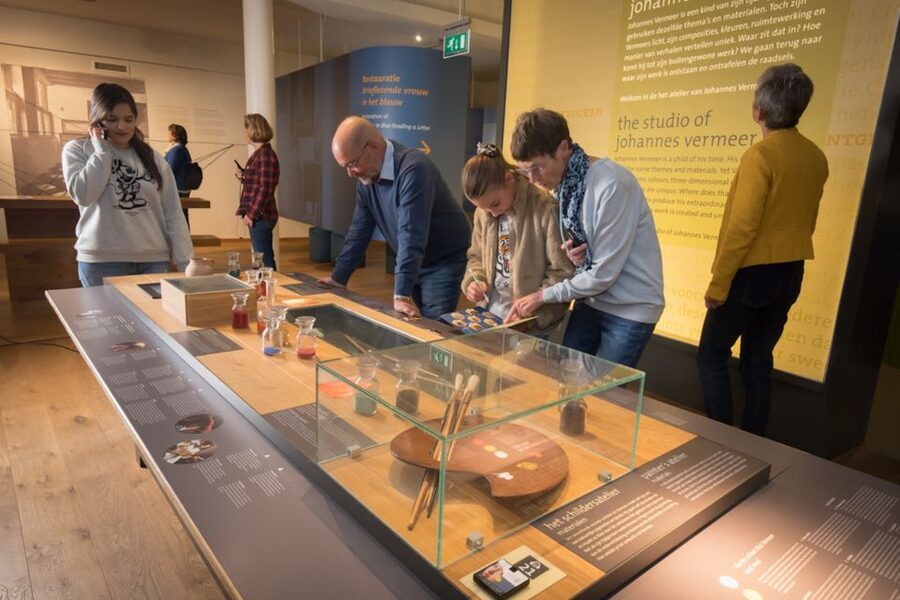
The first floor focuses on how Vermeer painted. This is where the visit shifts from looking at finished images to thinking about the process behind them.
You can use a camera obscura to play with color and perspective. The activity helps explain how an image can be framed, reversed, enlarged, and shaped by light. You do not need technical art knowledge to benefit from it. The point is to see how a room might be organized before paint is applied.
The museum also includes 17th-century lenses and goggle boxes. These displays show how optical devices could affect the way a painter saw a subject. They are particularly helpful if you have ever wondered why Vermeer’s interiors feel so precise, yet not quite like ordinary eyesight.
The chance to step into a Vermeer painting adds a playful note. This is not a solemn gallery where you must whisper your way from frame to frame. You can experiment with perspective and color, which makes the museum more approachable for families and for visitors who prefer seeing an idea demonstrated.
I would spend time here rather than rushing toward the gift shop. The working-method section is one of the museum’s most useful features because it answers a question that reproductions alone cannot: how did Vermeer create this effect?
The second floor explains hidden love messages
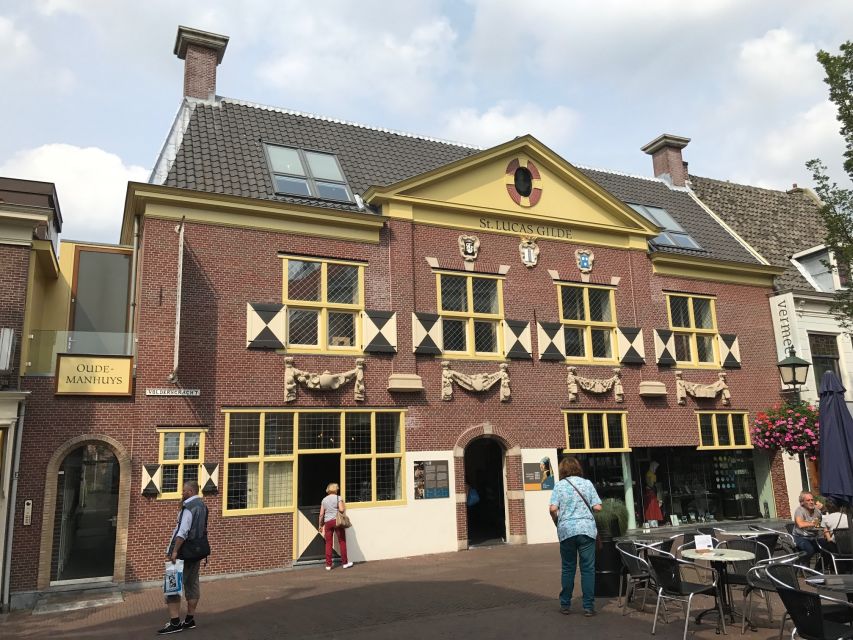
The upper floor presents the exhibition Love messages from Vermeer. It looks at the meaning of objects and small details in his paintings, especially the symbols connected with love, courtship, and relationships.
This section gives you a reason to look again at familiar scenes. A letter, a musical instrument, a domestic object, or a particular gesture may carry more meaning than it first appears to. The exhibition explains how such details could communicate feelings without showing an obvious romantic scene.
I like this approach because it keeps the paintings tied to ordinary life. Vermeer’s interiors are not just pretty rooms filled with light. They include clues about behavior, emotion, social expectations, and private messages.
The subject also gives the visit a change of pace. After the broader gallery and the technical displays, you are asked to read the pictures more closely. You may find yourself returning mentally to earlier reproductions and noticing objects you initially passed over.
This section is especially useful if you already know one or two famous Vermeer paintings. It gives you a fresh way to look at them without turning the visit into a long academic lecture.
How long to allow, and how to plan your visit
The museum takes approximately one hour. I would allow that full hour if you want to listen to the audio guide, watch the basement film, try the interactive displays, and read the love-message exhibition.
You can move faster if you only want to see the reproductions, but that would miss much of the museum’s purpose. The interactive material is not extra decoration. It explains the artist’s methods and makes the paintings easier to understand.
The ticket is valid for one day, and you can check available starting times when booking. That gives you some flexibility when building a Delft itinerary. The museum can work before lunch, after a canal walk, or as a break from outdoor sightseeing.
Food and drinks are not allowed inside. Large bags and luggage are also not permitted, so plan to visit without bulky belongings. The museum is wheelchair accessible, which is important for anyone planning a city day around indoor and outdoor stops.
You do not need to prepare by reading a biography first. The film and audio guide provide the basic background. Still, if you already have a favorite Vermeer painting, keep it in mind as you walk through the museum. Comparing that work with the rest of his output makes the visit more rewarding.
What the strongest praise tells you
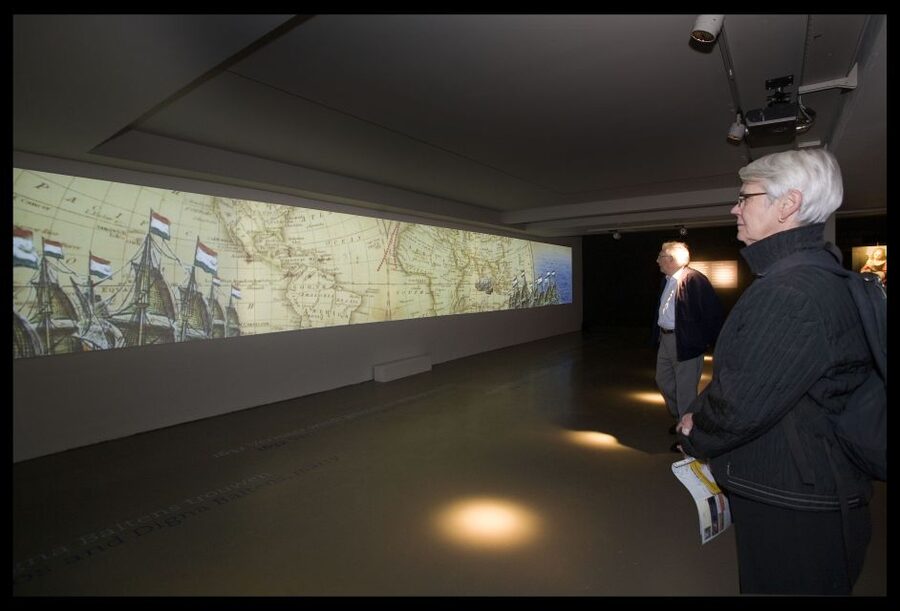
The most consistent strengths are the friendly welcome and the educational content. The staff reception is warm, and the audio tour is included rather than sold as an extra. That matters in a small museum, where a good introduction can shape the entire visit.
The museum also earns praise for the depth of its study of Vermeer’s work. It does not simply place reproductions on walls and leave you to guess what they mean. It links the artist’s life, Delft, his painting process, and the symbolism within his scenes.
The experience also suits people who enjoy museums in historic settings. Its location in an old part of Delft adds atmosphere without requiring a separate excursion. You can step out afterward and continue exploring the city on foot.
One practical caution is that the museum’s calm, educational format may feel too limited if you want original art or a large national collection. There are 37 reproductions, but the museum remains compact. That is a benefit for a short schedule and a limitation for anyone seeking a full afternoon of gallery time.
Who should book the Vermeer Centrum Delft
I would recommend this museum to:
- First-time visitors who want a clear introduction to Vermeer
- Art lovers who want to compare all 37 paintings in one place
- Families and younger visitors who may enjoy the camera obscura and optical displays
- People who want a short indoor activity in Delft
- Visitors who plan to see original Vermeer paintings elsewhere
- Anyone interested in how artists use light, perspective, and everyday symbols
I would be more cautious if you only want to see original paintings. In that case, the reproduction gallery may not satisfy you on its own.
The museum also works well for mixed-interest groups. Someone fascinated by Dutch Baroque painting can listen closely to the audio guide, while another person can focus on the interactive displays and finish in about an hour.
Is the $14 ticket worth it?
At $14 per person, the ticket is reasonably priced for a focused museum visit. You receive entry, the audio guide, the introductory film, the reproduction gallery, the working-method displays, and the love-message exhibition.
The value depends on what you expect. If you treat the museum as a place to see original Vermeer paintings, the price will feel less attractive. If you treat it as an accessible explanation of his complete artistic output, the cost makes more sense.
I consider it especially good value when paired with a day in Delft. You are not committing a full day or paying for a long guided tour. You get a concentrated hour of art, local context, and hands-on explanation, then return to the city streets.
Should you book it?
Book the Vermeer Centrum Delft if you want context, not just famous pictures. The full-size reproductions, eight-language audio guide, camera obscura, lenses, and love-symbol exhibition give you several ways to understand Vermeer.
Skip it if original paintings are your only goal. For most visitors with an interest in Dutch art, though, this is a friendly and educational hour in a historic Delft building. At $14, it is a sensible addition to your city visit, especially before you encounter Vermeer’s originals elsewhere.
FAQ
How much does admission to the Vermeer Centrum Delft cost?
The listed price is $14 per person.
How long does the museum visit take?
The museum takes approximately one hour to visit.
Are the paintings originals?
No. The museum displays full-size reproductions of Johannes Vermeer’s paintings.
How many Vermeer paintings can I see?
The museum presents reproductions of 37 paintings by Vermeer.
Is an audio guide included?
Yes. An audio guide is included with museum entry.
Which languages are available for the audio guide?
The audio guide is available in Dutch, English, German, French, Spanish, Italian, Japanese, and Chinese.
Is the museum wheelchair accessible?
Yes. The museum is wheelchair accessible.
Can I bring food, drinks, or large luggage?
No. Food and drinks, as well as luggage and large bags, are not allowed inside the museum.
Just added in Delft
- Historical Private Tour of Delft and Leiden including Transfer★ 5.0 · 4 reviews
- Gouda Cheese and Delft Blue: Full-Day Private Tour★ 5.0 · 4 reviews
- Workshop ‘Paint your own Delft Blue Tile!’★ 5.0 · 54 reviews
- Amsterdam: Rotterdam, Delft and The Hague Private Tour★ 4.0 · 23 reviews
- Private transfer from Schiphol airport to The Hague or Delft★ 5.0 · 1 review
- Private tour to Kinderdijk windmills and Delft from Amsterdam★ 5.0 · 6 reviews
- Visit the Girl with the Pearl Earring, The Hague & Delft City★ 5.0 · 63 reviews
- Rotterdam, The Hague, Delft Private Tour from Amsterdam★ 5.0 · 44 reviews
Museums, compared.

Moco Museum Amsterdam Entrance Tickets with Banksy & More
Read our review →


Amsterdam’s Weirdest Museum: Believe It or Not!
Read our review →
Browse the lists this tour appears in