
Review · JEWISH HERITAGE & WWII TOURS
Eindhoven: Wings of Liberation, The WWII Airborne experience
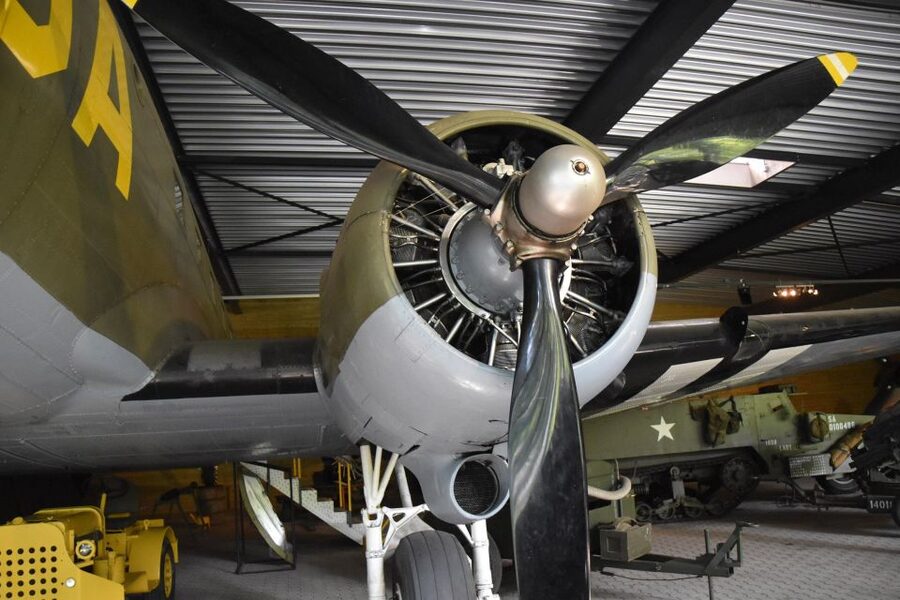
The aircraft make the past feel startlingly close. Wings of Liberation tells the story of the southern Netherlands from German occupation in 1940 through the liberation in late 1944. I like the way it connects personal wartime years with the machinery of Operation Market Garden, and I especially like that you can go inside or aboard famous aircraft including a Dakota C-53 and Horsa glider.
The audio guide in Dutch and English adds useful context without forcing you into a fixed tour schedule. The main thing to consider is scope: this is a full museum visit, not a guided battlefield walk or a city tour of Eindhoven. If you want outdoor sites, transport between locations, or a live guide explaining every display, you may need to add those separately.
In This Review
- Four things worth knowing before you go
- Why September 17, 1944 matters here
- Inside the museum: from occupation to liberation
- The Dakota C-53 and Horsa glider
- Vehicles, weapons, photographs, and dioramas
- Using the Dutch and English audio guide
- How much time should you allow?
- Is $14 good value?
- Who will enjoy Wings of Liberation most?
- Practical tips for a better visit
- FAQ
- Where is Wings of Liberation located?
- What historical period does the museum cover?
- Is an audio guide included?
- Can I go aboard the aircraft?
- What can I see besides aircraft?
- Is the museum wheelchair accessible?
- How flexible is the booking?
- Should you book Wings of Liberation?
Four things worth knowing before you go
- The story covers 1940 to late 1944, so you see both the occupation years and the final liberation, not just one airborne operation.
- The Dakota C-53 and Horsa glider are major draws, giving the collection a scale that photographs cannot match.
- Authentic Operation Market Garden equipment includes aircraft, vehicles, weapons, photographs, and detailed dioramas.
- The audio guide is available in Dutch and English, making the displays easier to follow at your own pace.
- The museum is wheelchair accessible, a practical plus for a collection containing large objects and substantial exhibition space.
- The price is about $14 per person, a strong value if you enjoy military history, aircraft, or serious museum visits.
Why September 17, 1944 matters here
Wings of Liberation is located in the part of North Brabant connected with the airborne operations of September 17, 1944. That date marked the start of Operation Market Garden and the beginning of the liberation of the southern Netherlands.
The location gives the museum more purpose than a general military collection. You are not simply looking at weapons gathered from a distant conflict. The aircraft and equipment relate to events that took place in this region, where American paratroopers and Allied air crews played a central role.
The museum’s timeline begins with the German occupation in 1940. That matters because liberation makes more sense when you first understand the years of repression that came before it. Rather than rushing straight to parachutes and aircraft, the exhibits set out the wartime experience of the Netherlands, then lead you toward the military campaigns of 1944.
I appreciate that wider view. It keeps the museum from turning the war into a parade of machines. You see the military story, but also the pressure of occupation and the passage from fear to liberation.
More Jewish heritage and wartime walks in Eindhoven:
- Amsterdam: Life of Anne Frank and World War II Walking Tour
★ 4.8 · 10,467 reviews - Anne Frank Walking Tour Amsterdam Including Jewish Cultural Quarter
★ 5.0 · 1,879 reviews - Amsterdam: Dutch WWII Resistance Museum Entry Ticket
★ 4.7 · 951 reviews
Inside the museum: from occupation to liberation
Expect a chronological visit. The first part deals with the occupation and the repression years from 1940 through 1944. The displays use photographs and other material to establish what daily life and political control meant before Allied forces arrived.
The exact amount of time you spend here depends on how closely you read. If you use the audio guide, you can pause and take in the information rather than skim labels. This is one reason the one-day validity works well: you are not being pushed through a short timed experience.
The later sections move toward the liberation of southern Netherlands. Dioramas help turn military movements into scenes you can understand at a glance. They are especially useful if you do not already know the geography or sequence of Operation Market Garden.
The museum also includes weaponry and equipment used during the operation. That detail gives the collection authority and weight. You are looking at objects connected with the campaign, not only later replicas or generic military pieces.
The Dakota C-53 and Horsa glider
The aircraft are the visit’s biggest visual reward. A Dakota C-53 and Horsa glider show the size of airborne operations in a way that a wall label cannot.
The Dakota links directly to the transport side of the campaign. Aircraft like this carried personnel and supplies into the airborne operation. The Horsa glider brings another part of the story into view, showing how troops and equipment reached the ground without the same engine-powered flight used by transport planes.
You can get aboard both aircraft, which changes the feel of the visit. Instead of seeing a plane from behind a barrier, you get a better sense of the cramped, practical spaces involved. The scale is also striking. One of the most useful observations from the experience is simple: the size of the vehicles and aircraft needs to be seen in person.
That makes this museum a particularly good choice for anyone who enjoys aviation, military vehicles, or engineering. Children who are bored by long text panels may also respond better to the aircraft, though the museum’s full story still asks for some reading and attention.
The aircraft are not just display pieces. They help you picture the airborne operation as a physical task involving transport, timing, space, and risk. That is where the museum moves beyond a standard collection of uniforms and weapons.
Vehicles, weapons, photographs, and dioramas
The collection includes military vehicles, aircraft, weaponry, photographs, and dioramas. Each type of object does a different job.
The vehicles show the practical side of liberation. Large machines explain how troops, supplies, and equipment moved through the campaign. The weapons bring the conflict down to human scale, while photographs provide faces and places that machines alone cannot convey.
The dioramas are useful for orientation. Military operations can become confusing when presented only as dates and place names. A carefully arranged scene can show how forces, vehicles, and terrain related to one another, even if you know little about the campaign before arriving.
The photographs give the displays a more personal edge. They help balance the imposing aircraft and armored equipment with evidence of the people who lived through the occupation and liberation.
One strength of the collection is variety. A visit based only on aircraft would appeal to a narrower audience. Here, you can move from a large transport plane to a photograph, then to a weapon or model, and keep building the story from different angles.
A few more options to weigh up in Eindhoven
- Eindhoven: Motion Experience Light Art Playground Ticket
★ 4.0 · 168 reviews - Vught: National Monument Concentration Camp Entry Ticket
★ 4.6 · 137 reviews - Eindhoven: PSV Stadium Museum Entry Ticket
★ 4.1 · 101 reviews - Eindhoven: Philips Museum Entry Ticket
★ 4.3 · 95 reviews
Using the Dutch and English audio guide
The audio guide is included and available in Dutch and English. I would use it, particularly if this is your first serious look at Operation Market Garden.
The guide lets you control the pace. You can spend more time with the aircraft, then listen to the background while examining photographs and dioramas. It also helps explain why individual objects matter, which is not always obvious in a military museum.
For English speakers, the language option removes much of the guesswork. For Dutch speakers, the Dutch version provides an easy way to follow the story in the local language.
There is also a practical advantage. You do not need to arrange a private guide or match your visit to a group schedule. You can listen when you want, skip material you already know, and return to displays that catch your attention.
The drawback is that an audio guide is not the same as a live conversation. You cannot ask it to explain a confusing map or give more detail about a particular aircraft. If you prefer personal interpretation, keep that difference in mind.
How much time should you allow?
The admission is valid for one day, and that is best understood as flexible museum access rather than a one-day guided itinerary. You can plan a focused visit or take a slower approach with the audio guide.
A quick visit would give you the aircraft, major vehicles, and the broad wartime timeline. A longer visit makes more sense if you want to read the material on occupation and repression, study the photographs, and listen to the audio content throughout.
The museum is also worth a return visit for anyone who first went during a rushed or restricted period. One repeat visitor found that a later visit allowed much more information to be read and appreciated than before. That is a useful reminder: this is not only a quick photo stop.
I would give yourself enough time to avoid treating the Dakota and Horsa as the entire attraction. They are the visual stars, but the occupation and liberation displays provide the meaning behind them.
Is $14 good value?
At about $14 per person, Wings of Liberation offers good value for a specialist museum. The price includes the audio guide, and the collection contains full-size aircraft, military vehicles, authentic weapons, photographs, and dioramas.
The value is strongest if you like aviation or World War II history. A person with no interest in military subjects may find the visit less rewarding, especially because the displays ask you to spend time with dates, equipment, and campaign details.
Compared with a short attraction built around one aircraft, this museum gives you a wider story. Compared with a full battlefield tour, it gives you less outdoor context and no stated transport between historic sites. You are paying for access to a substantial collection and its interpretation, not for a guided journey around Brabant.
The flexible cancellation policy also reduces booking risk. You can cancel up to 24 hours before the visit for a full refund, and the reserve-now, pay-later option lets you hold a place without paying immediately. Those policies are useful if your North Brabant plans are still moving around.
Who will enjoy Wings of Liberation most?
I would recommend it first to people with an interest in World War II, airborne operations, military history, or aircraft. Families can also find plenty to see in the large machines, though younger children may not follow every part of the occupation story.
It suits you if you like museums that combine objects with a clear timeline. The mix of photographs, weapons, vehicles, and aircraft means the visit does not depend on one kind of display.
It is also a good choice if you want more than a generic war museum. The connection to the September 17 airborne operation and the liberation of southern Netherlands gives the collection a strong local focus.
You may want to skip it if your ideal day involves only castles, art, food, or outdoor scenery. You should also set expectations correctly if you want a battlefield guide. This experience is centered on the museum and its collection.
The museum is wheelchair accessible, which makes it easier to consider for mixed groups. The supplied information does not give details about every route, entrance feature, or aircraft access point, so check directly if you need specific mobility arrangements inside the displays.
Practical tips for a better visit
Start with the timeline instead of heading straight to the aircraft. The planes are hard to miss, but the earlier occupation exhibits explain what liberation meant to the people of southern Netherlands.
Use the audio guide in your preferred language. You will get more from the collection if you understand the role of each object, especially when moving between military equipment and personal photographs.
Plan a little extra time for the Dakota and Horsa. Their size is one of the most praised parts of the experience, and rushing through them would waste the chance to see how airborne transport worked from the inside.
If you already know Operation Market Garden, pay closer attention to the material on the occupation and repression years. If the campaign is new to you, take your time with the dioramas and chronological displays before trying to connect every place and date.
The museum carries a 4.7 rating from 20 submitted bookings, with especially strong praise for its authentic collection and selection of military vehicles and aircraft. That matches the main strength I see here: the objects give the story physical weight.
FAQ
Where is Wings of Liberation located?
The museum is in North Brabant, Netherlands, in the area connected with the airborne operations that began on September 17, 1944.
What historical period does the museum cover?
The timeline begins with the German occupation in 1940, continues through the repression years from 1940 to 1944, and reaches the liberation of the southern Netherlands in the final months of 1944.
Is an audio guide included?
Yes. An audio guide is included, with Dutch and English available.
Can I go aboard the aircraft?
Yes. The experience includes access to a Dakota C-53 and a Horsa glider.
What can I see besides aircraft?
The collection includes dioramas, photographs, military vehicles, weaponry, aircraft, and equipment used during Operation Market Garden.
Is the museum wheelchair accessible?
Yes, the activity is listed as wheelchair accessible.
How flexible is the booking?
You can cancel up to 24 hours in advance for a full refund. You can also reserve now and pay later. The admission is valid for one day from first activation.
Should you book Wings of Liberation?
Book it if you want a clear, object-filled account of the liberation of southern Netherlands, especially if full-size aircraft and military vehicles appeal to you. The Dakota C-53 and Horsa glider alone make the visit memorable, while the audio guide and chronological displays give those machines a proper setting.
Skip it only if you want a live battlefield tour, outdoor sightseeing, or a quick attraction with little reading. At about $14, the museum is a sensible buy for history and aviation fans, and the flexible booking terms make it an easy addition to a North Brabant itinerary.
Just added in Eindhoven
- Eindhoven: journey to the future★ 5.0 · 6 reviews
- Roermond Self Guided Sherlock Holmes Murder Mystery Game★ 4.5 · 3 reviews
- e-Scavenger hunt Den Bosch: Explore the city at your own pace★ 4.5 · 37 reviews
- Discover the best spots in Den Bosch with Outside Escape★ 5.0 · 28 reviews
- Eindhoven: Guided bicycle tour of the Highlights of Eindhoven★ 5.0 · 27 reviews
- Discover the best spots in Eindhoven with Outside Escape★ 4.5 · 40 reviews
- Eindhoven Private Walking Tour With A Professional Guide★ 5.0 · 1 review
- e-Scavenger hunt Roermond: Explore the city at your own pace★ 4.5 · 16 reviews
Jewish Heritage & WWII Tours, compared.
Life of Anne Frank and World War II Walking Tour
Read our review →
Anne Frank Walking Tour Amsterdam Including Jewish Cultural Quarter
Read our review →
Oranjehotel World War II Prison Entrance Ticket
Read our review →
Anne Frank and Jewish Quarter Amsterdam Private Walking Tour
Read our review →
Anne Frank and Jewish Quarter Walking Tour (TOP RATED)
Read our review →
Browse the lists this tour appears in