
Review · HISTORICAL TOURS
The Hague: Muzee Scheveningen History Museum Entry Ticket
Scheveningen has more stories than its beach. This small museum, set in a 19th-century school building, brings the old fishing village and modern seaside resort together through tools, paintings, local objects, and sea life. I like the friendly staff and the surprisingly broad collection, especially for a museum costing $11. I also like that you can pair the visit with a Saturday fisherman’s tour at no extra charge. The main consideration is that this is a self-guided visit, so you will need to read and explore at your own pace.
You get a useful look at Scheveningen above and below sea level, from working fishing traditions to shells, crustaceans, and squid. The museum is wheelchair accessible, and your ticket is valid for one day, but check the available starting times before booking. The visit should suit curious adults, families, and anyone who wants more local context than a walk along the beach can provide.
In This Review
- Key points to know before you go
- Why Muzee Scheveningen adds something to a beach day
- Entering the 19th-century school building
- Fishing tools and the work behind the village
- Paintings that show Scheveningen through local eyes
- Sea creatures, shells, and life below the surface
- A free fisherman’s tour on Saturdays
- What the $11 ticket is really worth
- Who should visit Muzee Scheveningen
- Planning your visit in Scheveningen
- Should you book Muzee Scheveningen?
- FAQ
- Where is Muzee Scheveningen located?
- What does the museum focus on?
- How much does admission cost?
- How long is the ticket valid?
- Is a guide included?
- Is the museum wheelchair accessible?
- Is there a fisherman’s tour?
- What can I see in the sea exhibition?
- Can I cancel my booking?
- Can I reserve before paying?
Key points to know before you go

- A former school now tells Scheveningen’s story: The museum’s setting helps connect everyday local life with the area’s past.
- Fishing is the main thread: Tools, occupations, paintings, and cultural objects show how work at sea shaped the community.
- The sea collection changes the pace: Shells, pearls, mother of pearl, crustaceans, echinoderms, and cephalopods add a natural-history side.
- Saturday brings a free fisherman’s tour: If your schedule allows, this is a useful extra look at local fishing traditions.
- The ticket is simple and flexible: Entry costs $11 per person and is valid for one day.
- Expect a self-guided visit: A guide is not included, so you control the order and pace of your time inside.
Why Muzee Scheveningen adds something to a beach day
Scheveningen is easy to reduce to a strip of sand, a pier, and seaside amusements. Muzee Scheveningen gives the district a human face. You learn that this was not only a resort, but also a fishing village with its own work, customs, tools, and way of life.
That contrast is the museum’s best feature. You can look at the seaside from a visitor’s point of view, then step inside and consider the people who lived there before the resort became the main attraction. The museum connects ordinary objects to local identity, which makes the visit more useful than a quick display of dates and names.
I especially like the change in scale. One room may deal with the work of fishing and the professions linked to it. Another turns toward paintings and cultural objects. Later, you can move into the sea exhibition, where the focus shifts from people to the creatures and materials found in the oceans.
This variety explains why the museum can feel larger in content than its $11 price suggests. You are not paying for a single display or one narrow subject. You are getting local history, art, culture, and natural history in one stop.
More History Tours in The Hague
- The Hague: Hop-on Hop-off Old-Fashioned Heritage Tram Tour
★ 4.4 · 1,083 reviews - Photographic Tour in Delft Historical Center
★ 5.0 · 11 reviews - Historical The Hague: Private Tour with Local Guide
★ 5.0 · 6 reviews
Entering the 19th-century school building
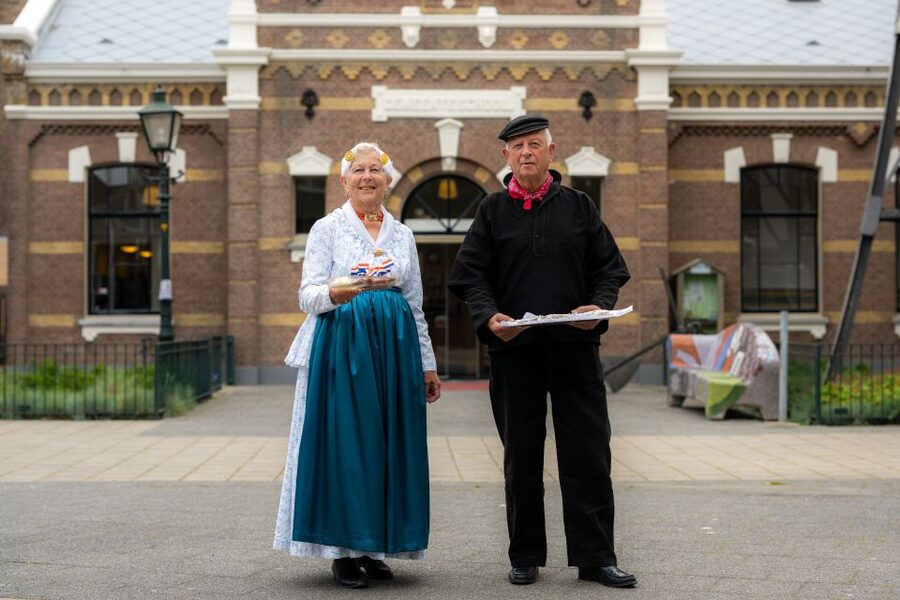
The building itself gives the visit a useful sense of place. Muzee Scheveningen occupies a school building from the 19th century, a setting that fits the museum’s attention to local life. You are not entering a purpose-built modern hall with an anonymous interior. You are visiting a building tied to the community’s past.
That does not mean every room will feel grand or theatrical. The appeal is more direct. The school setting supports the museum’s everyday subject matter: how local people worked, lived, and understood their surroundings.
Your ticket provides entry for one day, and the visit is self-guided. I would give myself enough time to look carefully rather than rushing through before another Scheveningen activity. The museum works well as a quieter break from the beach, especially if the weather turns wet or windy.
The available information does not give a fixed visit length, so check the starting times when you book. That flexibility is helpful, but you should not expect a timed guide to move you from one section to the next. You set the rhythm.
Fishing tools and the work behind the village

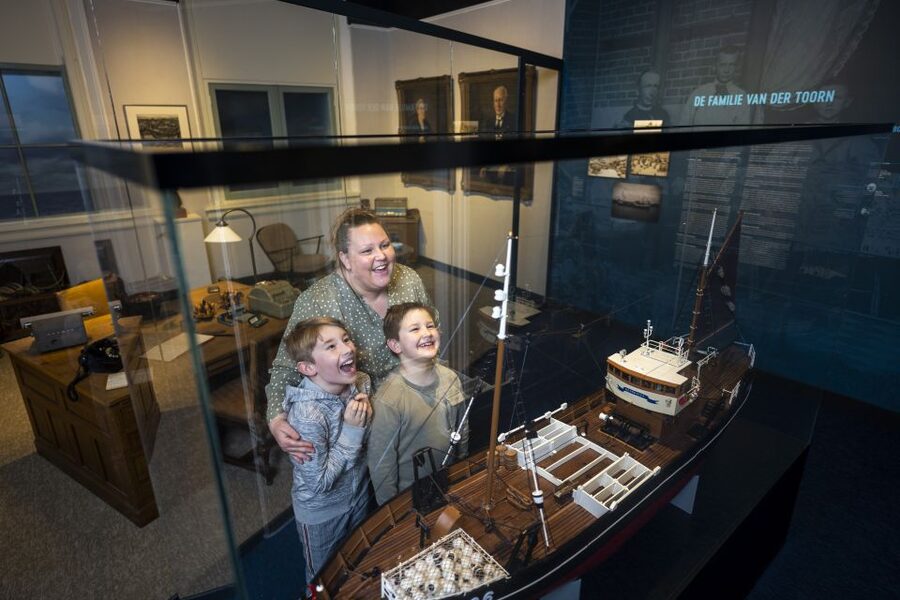
The fishing displays form the museum’s practical core. You see historic tools and cultural artifacts connected with the fishing tradition, along with the professions that grew around it.
This matters because fishing is not only about boats and the open sea. It involves preparation, equipment, trade, and the many jobs needed to support a working community. The collection helps you picture Scheveningen as a place where the sea affected daily routines and local employment.
I find displays like this most useful when the objects are ordinary. A tool may not look impressive at first, but it can explain more about a community than a formal monument. Here, historic equipment helps you think about skill, labor, and the demands of making a living from the water.
The museum also links the older fishing tradition with modern seaside life. That comparison keeps the visit from becoming a backward-looking memorial. You are encouraged to see how Scheveningen changed while still recognizing the influence of its earlier identity.
If you have already spent time on the beach, this section gives that setting more meaning. The sea is no longer just scenery. It becomes a source of work, risk, food, and local pride.
Paintings that show Scheveningen through local eyes
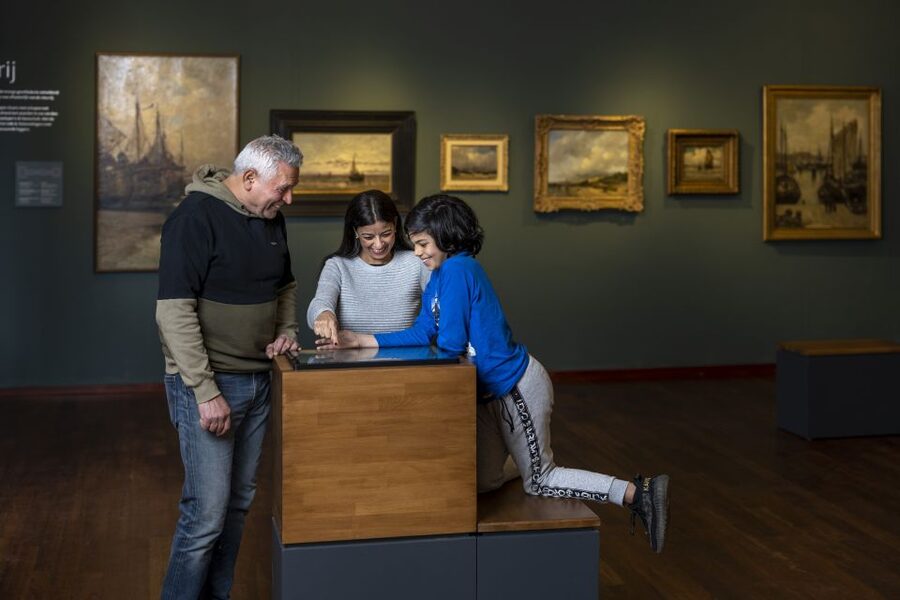
The paintings are another important part of the collection. They depict life in Scheveningen and offer a different way to understand the district than tools and written information can provide.
A painting can show clothing, work, boats, streets, and domestic life in a single scene. It also gives you a sense of how Scheveningen was viewed and remembered. The collection includes paintings described as masterpieces, so art lovers should not skip this part of the museum.
You do not need to know Dutch art history to appreciate the images. Look for the details that make local life visible: the people, the setting, the work being done, and the relationship between the village and the sea.
This section may appeal most to visitors who like visual storytelling. If you prefer hands-on objects and natural specimens, it may feel quieter. That is one reason the museum works well as a varied visit rather than a single-subject attraction.
The art also helps balance the fishing displays. Tools explain what people did. Paintings can suggest how that life looked and felt. Together, they make the local story easier to picture.
More Museum Tours in The Hague
- The Hague: Escher in The Palace Museum Ticket
★ 4.6 · 896 reviews - Royal Delft: Delftblue Factory and Museum Admission Ticket
★ 4.5 · 145 reviews - The Hague: Panorama Mesdag Museum Entry Ticket
★ 4.8 · 143 reviews - The Hague: Prison Gate Museum
★ 4.5 · 58 reviews
Sea creatures, shells, and life below the surface
The sea exhibit shifts your attention from human life to the natural world. You can examine collections of shells, crustaceans, echinoderms, cephalopods, pearls, and mother of pearl.
This is likely to be a strong section for families, children, and anyone who enjoys close-up natural objects. Shells are familiar, but a large collection shows how much variety exists in shape, color, texture, and structure. Pearls and mother of pearl add a different angle, linking marine life with decorative and cultural uses.
The displays also include information about creatures such as the squid. You can expect the section to offer a look at underwater life in the world’s oceans, not only at the local coast.
The sea collection gives the museum a wider reach. The fishing exhibits are rooted in Scheveningen, while the natural-history material places the local story in a larger setting. People depended on the sea, but the sea itself contains a world that is easy to overlook from shore.
I would not treat this as a substitute for a major aquarium. The available details point to collections and exhibits rather than live animals. That is part of the charm, but it also sets the right expectation: you are examining specimens and learning about sea creatures, not watching an aquarium show.
A free fisherman’s tour on Saturdays
If you visit on a Saturday, look for the free tour led by a fisherman. This is the most useful extra detail for planning your visit.
The museum itself is self-guided, so the Saturday tour adds a human voice to the objects and paintings. A fisherman can help connect the equipment and traditions to real work on the water. The available information does not give the exact time, length, or group size, so check with the museum when planning your day.
I would make Saturday a priority if you have some control over your schedule. It gives you a chance to hear local knowledge rather than relying only on labels. Since the tour is free, it also improves the value of the $11 entry without adding another ticket cost.
Do not assume the fisherman’s tour is included every day. It is specifically offered on Saturdays. If you visit at another time, you can still see the permanent exhibitions, but you will not have that listed extra.
What the $11 ticket is really worth
At $11 per person, the ticket is fairly priced for a museum that combines local culture, art, fishing history, and sea collections. The value is strongest if you enjoy taking your time and reading displays instead of looking for a quick photo stop.
The museum is also an easy add-on to a Scheveningen outing. You can spend time by the sea, then step indoors for a subject that gives the district more depth. Because the ticket is valid for one day, you have some flexibility around the rest of your plans.
The price is less compelling if you only want a short, highly guided attraction. No guide is included, and there is no promise of a fixed tour length or scheduled commentary. You are paying for access to the collections and the freedom to explore them yourself.
The positive side is that the staff are described as especially friendly, and the museum has a reputation for offering more to see than expected. That combination matters in a small museum. Helpful staff can make it easier to understand the layout and decide which sections deserve more time.
You can also reserve now and pay later, which helps if your schedule is still changing. Free cancellation is available up to 24 hours in advance for a full refund. Those terms reduce the risk of booking ahead, though you should still check the exact conditions shown during your reservation.
Who should visit Muzee Scheveningen
I would recommend this museum to you if you want local context, not just seaside entertainment. It is especially suitable for:
- Families interested in shells and sea creatures
- Adults who enjoy local history and working-life displays
- Art lovers drawn to paintings of Scheveningen
- Visitors looking for an indoor activity near the beach
- Anyone with a Saturday available for the fisherman’s tour
- People who prefer exploring at their own pace
It may be less suitable if you want a large interactive attraction, a live aquarium, or a fully guided tour. The museum’s strength is its range of objects and stories, not spectacle.
Wheelchair access is available, which makes the museum a practical choice for visitors who need an accessible attraction. As always, confirm any specific access needs before arrival if you require more detail than the stated accessibility information provides.
Planning your visit in Scheveningen
The museum is in The Hague’s Scheveningen district, so it fits naturally into a day focused on the coast. You do not need to treat it as a separate full-day excursion. Instead, use it to add substance to time spent in the seaside area.
Before booking, check the available starting times. The ticket is valid for one day, but the activity information still directs you to availability for the start time. That small planning step is worth doing, especially if you want to visit on Saturday and catch the fisherman’s tour.
I would avoid squeezing the museum into the final few minutes of a packed schedule. The collection covers several subjects, and its value comes from making connections between them. Give yourself enough breathing room to move from fishing tools to paintings and then to the sea displays.
There is no guide included, so you should expect a quiet, independent visit. That can be a benefit if you dislike being hurried. You can spend longer with the shell collection, pause over a painting, or move quickly through a section that interests you less.
Should you book Muzee Scheveningen?
Book it if you want an affordable, varied museum visit that explains how Scheveningen grew from a fishing village into a seaside resort. The $11 price is reasonable, the ticket is valid for one day, and the combination of local objects, paintings, fishing traditions, and sea specimens gives you plenty of subject matter for a modest admission fee.
I would choose Saturday when possible, because the free fisherman’s tour adds a personal connection to the displays. If you prefer a guide-led experience every day, or if you are looking for live marine animals, this may not be the right choice.
For most visitors already spending time in Scheveningen, Muzee is a sensible addition. It is friendly, accessible, and more varied than its small local-museum label might suggest.
FAQ
Where is Muzee Scheveningen located?
Muzee Scheveningen is located in Scheveningen, The Hague, in South Holland, Netherlands.
What does the museum focus on?
The museum covers the history of Scheveningen as an old fishing village and seaside resort. It also presents natural and cultural history, fishing traditions, modern seaside life, and sea life.
How much does admission cost?
The entry ticket costs $11 per person.
How long is the ticket valid?
The ticket is valid for one day.
Is a guide included?
No. The ticket includes museum entry, but it does not include a guide.
Is the museum wheelchair accessible?
Yes, Muzee Scheveningen is wheelchair accessible.
Is there a fisherman’s tour?
Yes. Every Saturday, a fisherman gives a free tour.
What can I see in the sea exhibition?
You can see collections of shells, crustaceans, echinoderms, cephalopods, pearls, and mother of pearl. The exhibition also covers sea creatures such as squid.
Can I cancel my booking?
Yes. You can cancel up to 24 hours in advance for a full refund.
Can I reserve before paying?
Yes. The reserve-now-and-pay-later option lets you book your spot without paying immediately.
Just added in The Hague
- The Hague Walking Tour★ 4.5 · 16 reviews
- The Hague: Powerboat Tour Scheveningen★ 4.5 · 15 reviews
- The Hague Tower Guided Tour★ 4.5 · 45 reviews
- The Hague: Private Boattour up to 10 persons★ 4.9 · 37 reviews
- The Hague: Private Custom Walking Tour With A Local Guide★ 4.5 · 13 reviews
- The Hague: Ping Pong Table Rental at a Secret Ping Pong Bar★ 4.5 · 7 reviews
- The Hague: Prison Gate Museum★ 4.5 · 58 reviews
- The Hague: One Way Boat Ticket to or from Delft★ 4.5 · 52 reviews
Historical Tours, compared.
Amsterdam Food and Cultural Tour with Tastings
Read our review →
Kinderdijk UNESCO World Heritage Entry Ticket
Read our review →
Hop-on Hop-off Old-Fashioned Heritage Tram Tour
Read our review →


Amsterdam High-End Dutch Food & History Tour – Up to 8 guests
Read our review →
Cruise through the Historic City Center with Guide
Read our review →
Browse the lists this tour appears in